Buying in Oakland can move fast. One weekend you are touring open houses, and the next you are writing to win. If you are excited about North Oakland’s walkable corridors, BART access, and character homes, you also want a clear plan to compete with confidence. In this guide, you will learn each step of the local process, from a strong pre-approval to inspections, contingencies, and closing norms. Let’s dive in.
Why North Oakland stands out
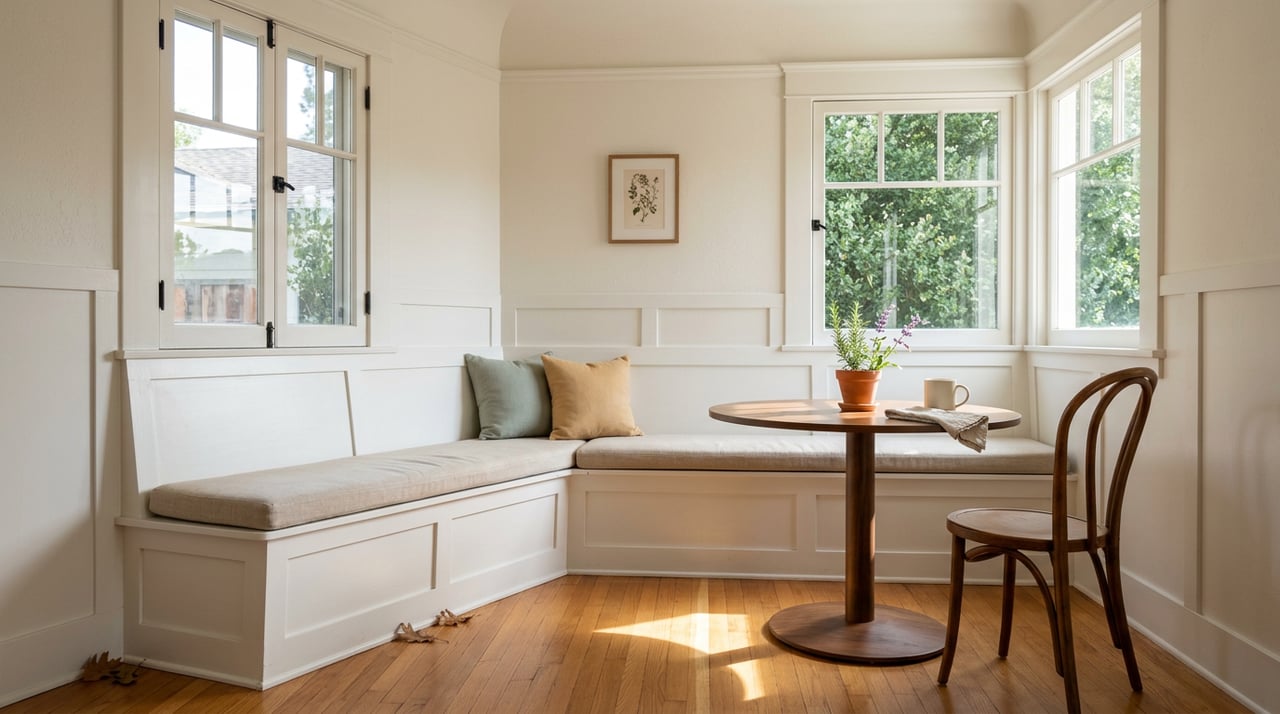
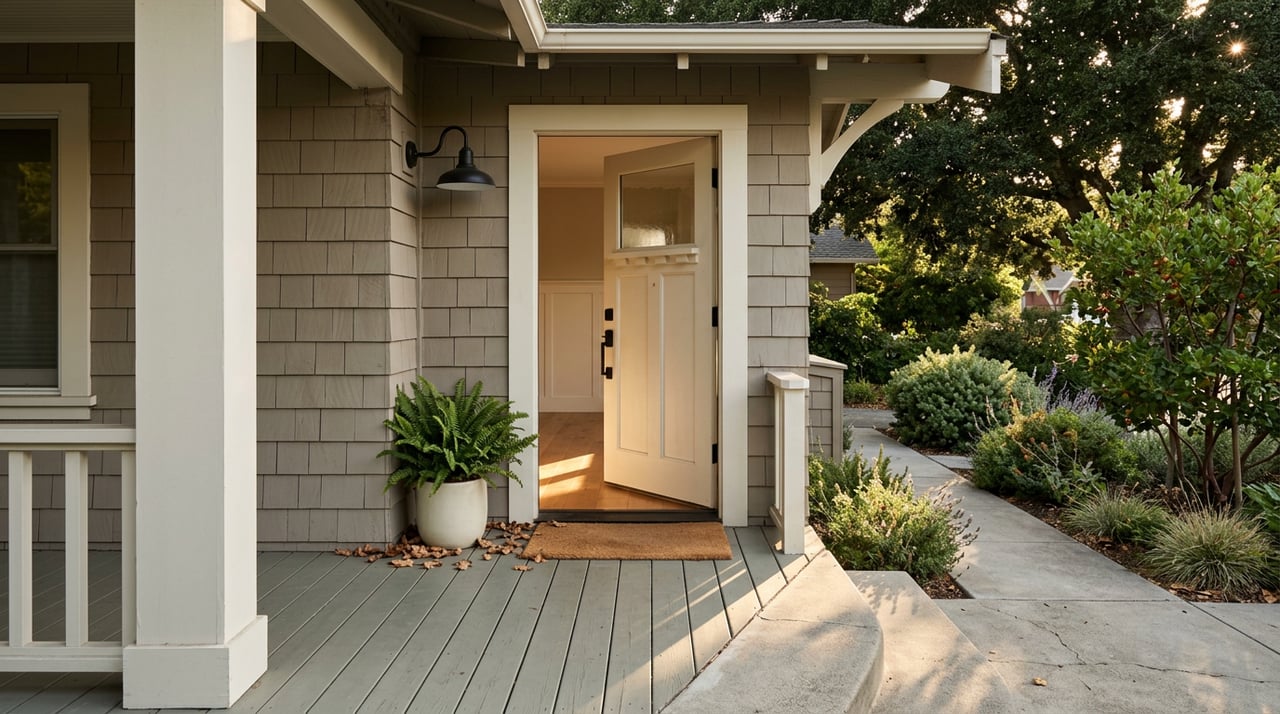
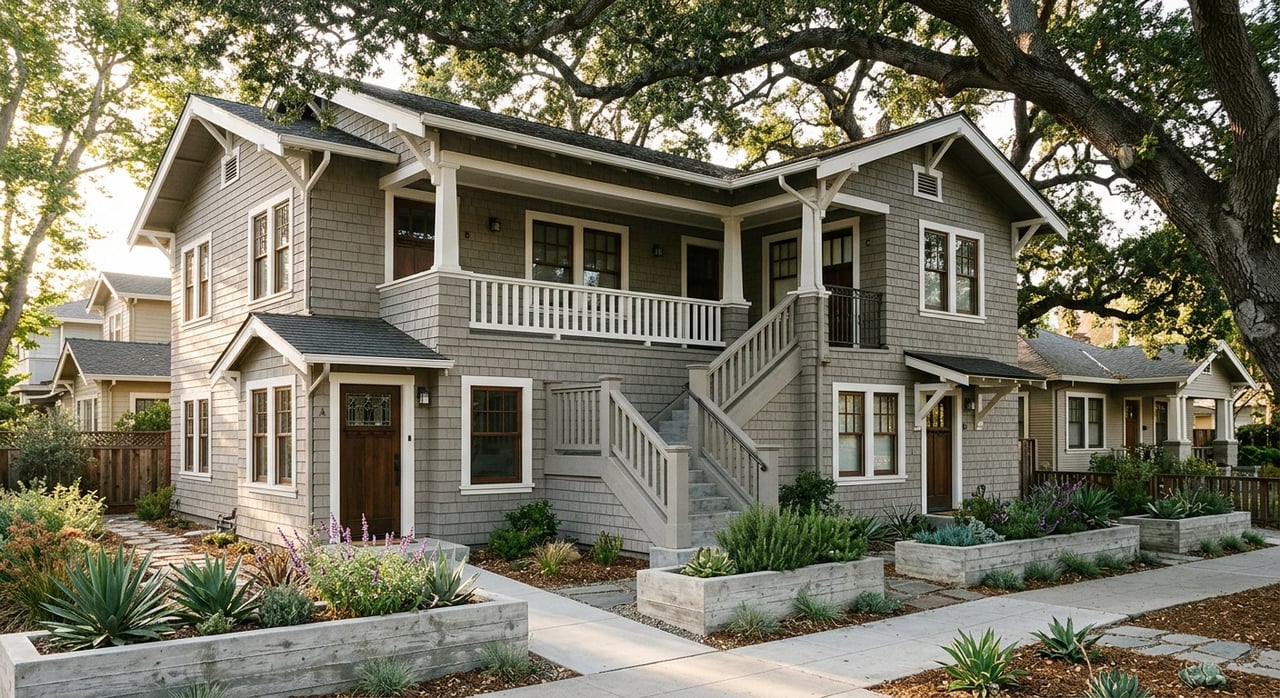
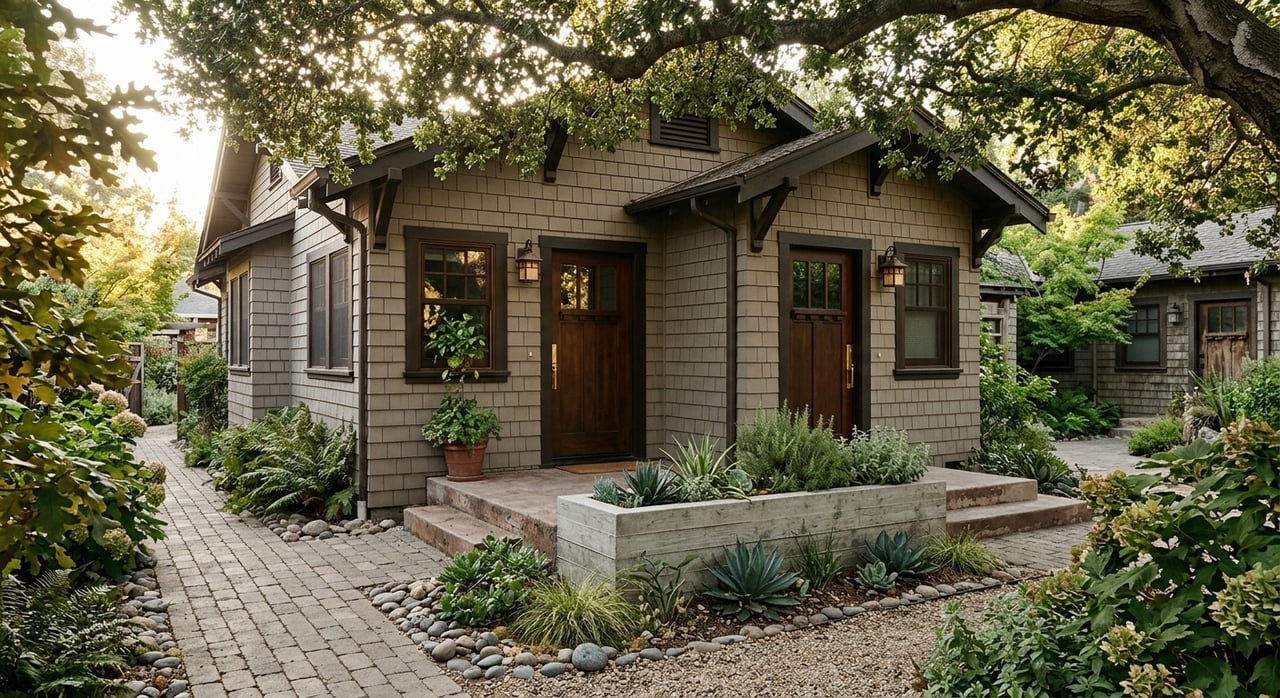
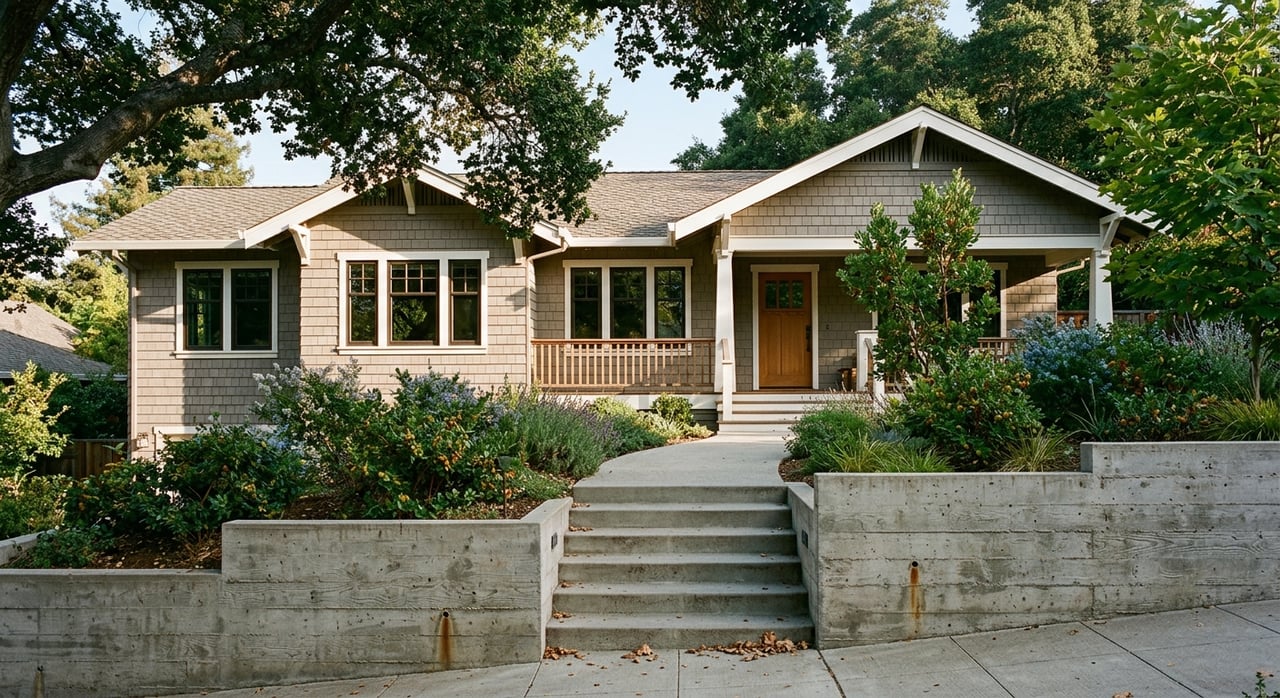
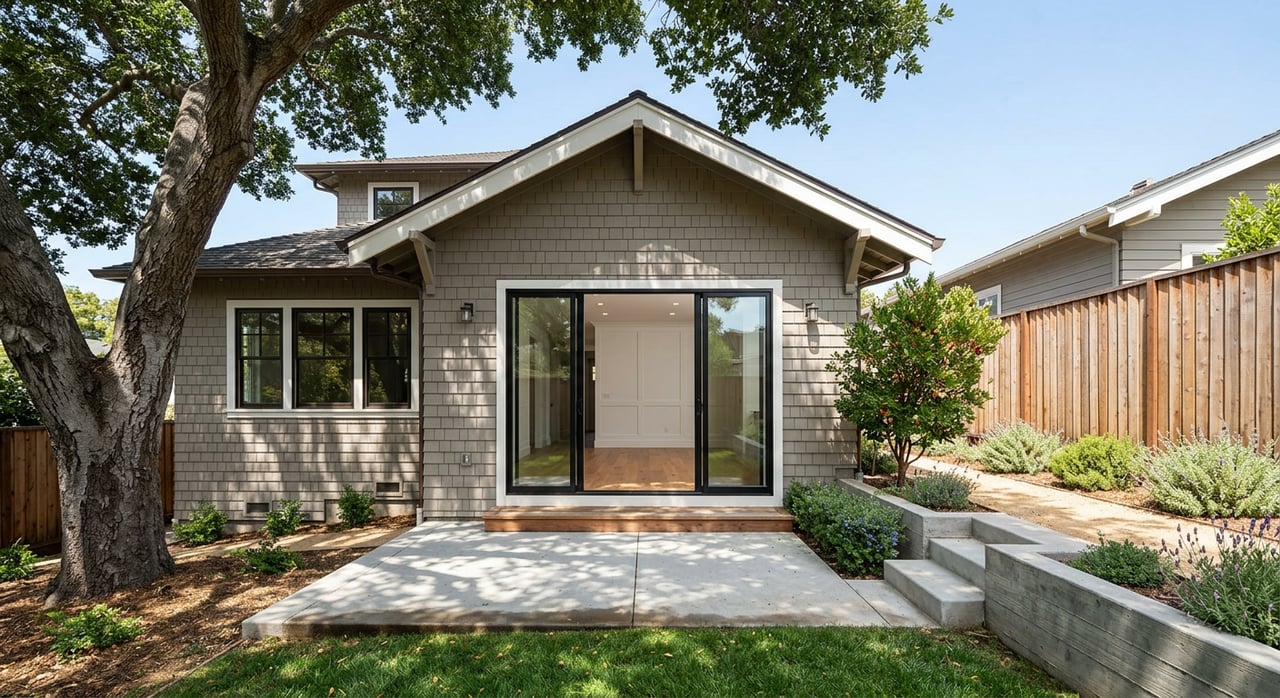
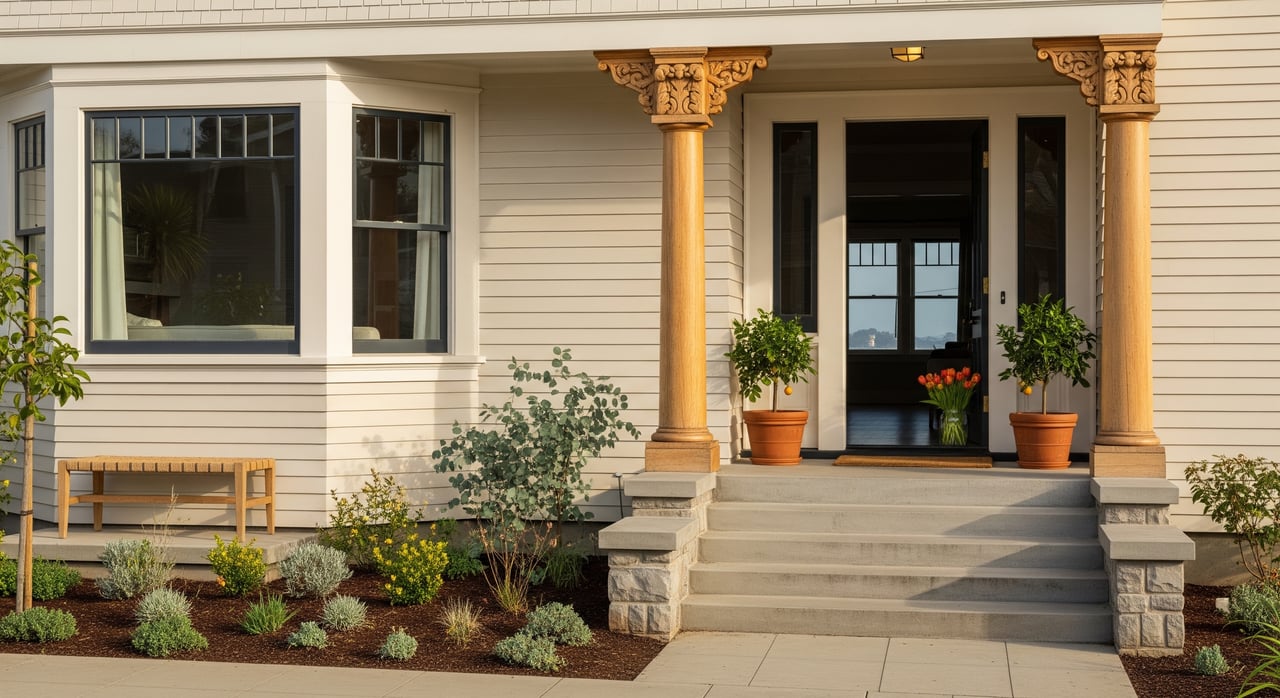
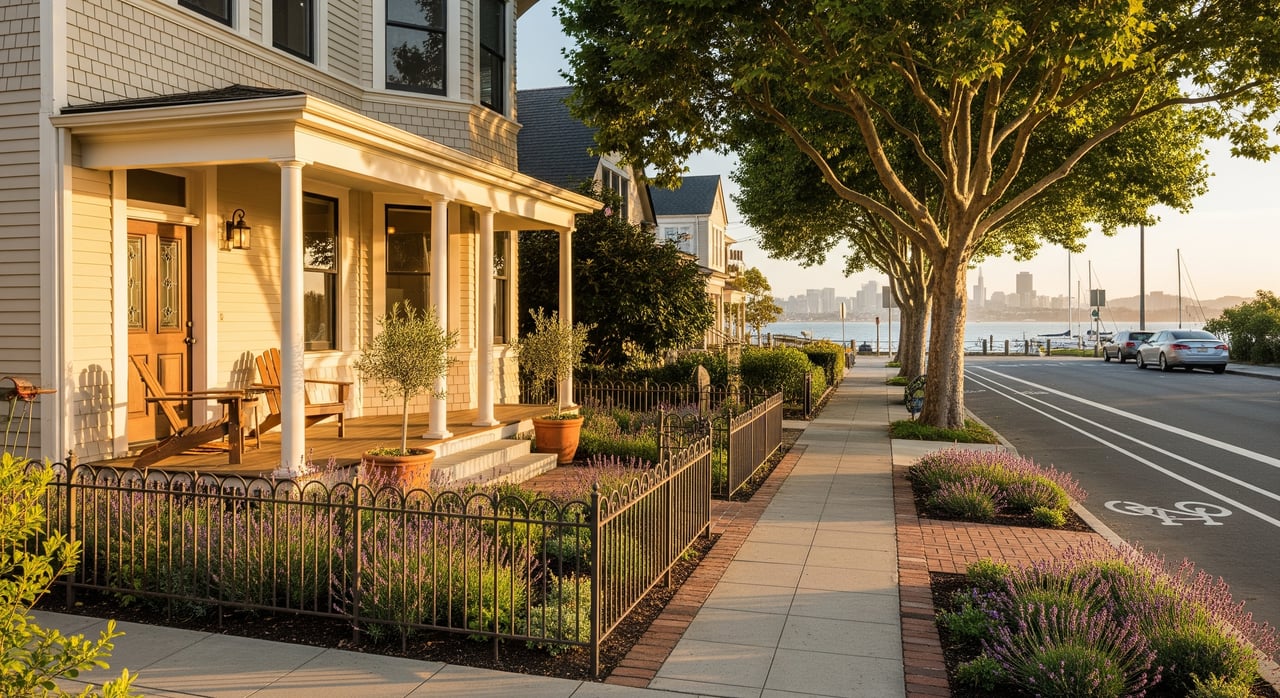
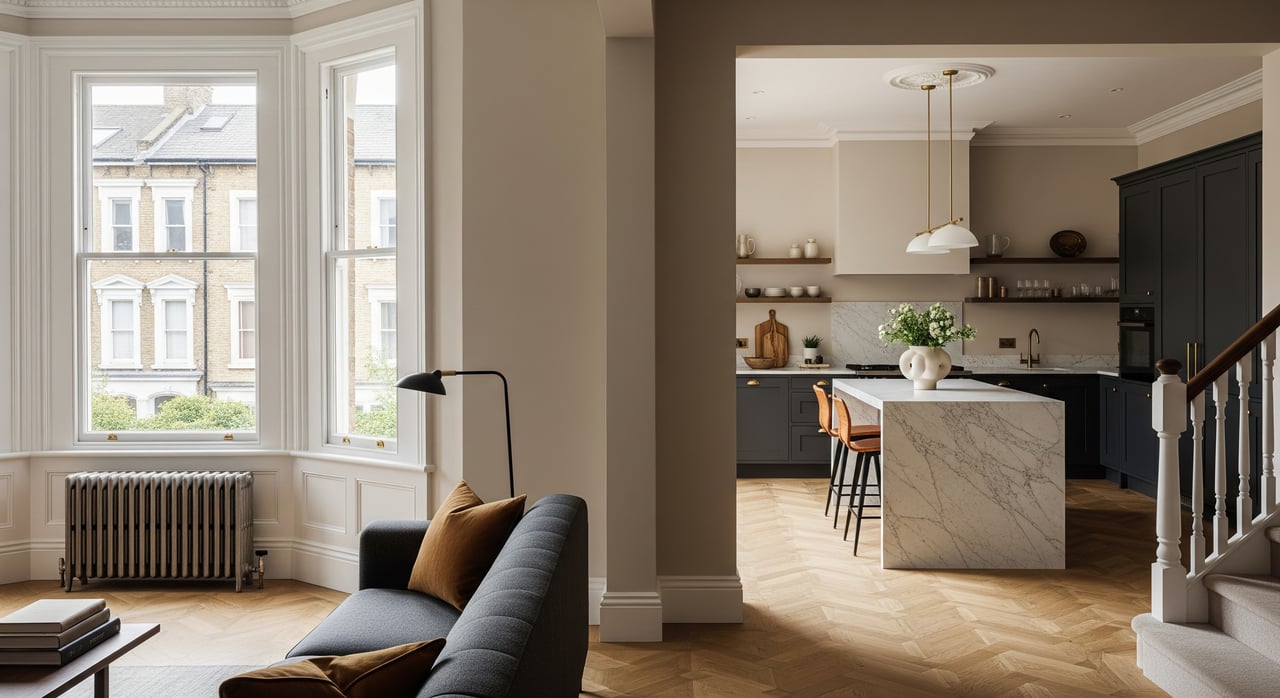
North Oakland is a collection of micro-markets shaped by transit, housing styles, and lifestyle amenities. Proximity to Rockridge or MacArthur BART often drives demand, and many homes offer period details you will not find in newer suburbs. You will see a mix of single-family homes, duplexes, and condos, with prices and pace varying block by block. A local strategy helps you move quickly while protecting your budget.
Step 1: Get pre-approved and set your budget
A strong pre-approval is essential in competitive Bay Area markets. Ask your lender about a fully pre-underwritten approval, where underwriting is completed upfront and only the appraisal remains. This can strengthen your offer when multiple buyers are competing.
Plan your budget with all costs in view. Factor in down payment, closing costs, property taxes, insurance, possible HOA dues for condos, and maintenance. Loan types include conventional, FHA, VA, and jumbo. Some neighborhoods and price points in North Oakland often require jumbo financing. Condo lending can be more limited, and not all buildings are approved for FHA or VA loans.
Step 2: Focus your search by micro-market
Start with how you live day to day. Weigh commute routes, access to BART or AC Transit, and the type of home that fits your needs. Study recent solds and days on market to understand pace within each pocket.
Rockridge
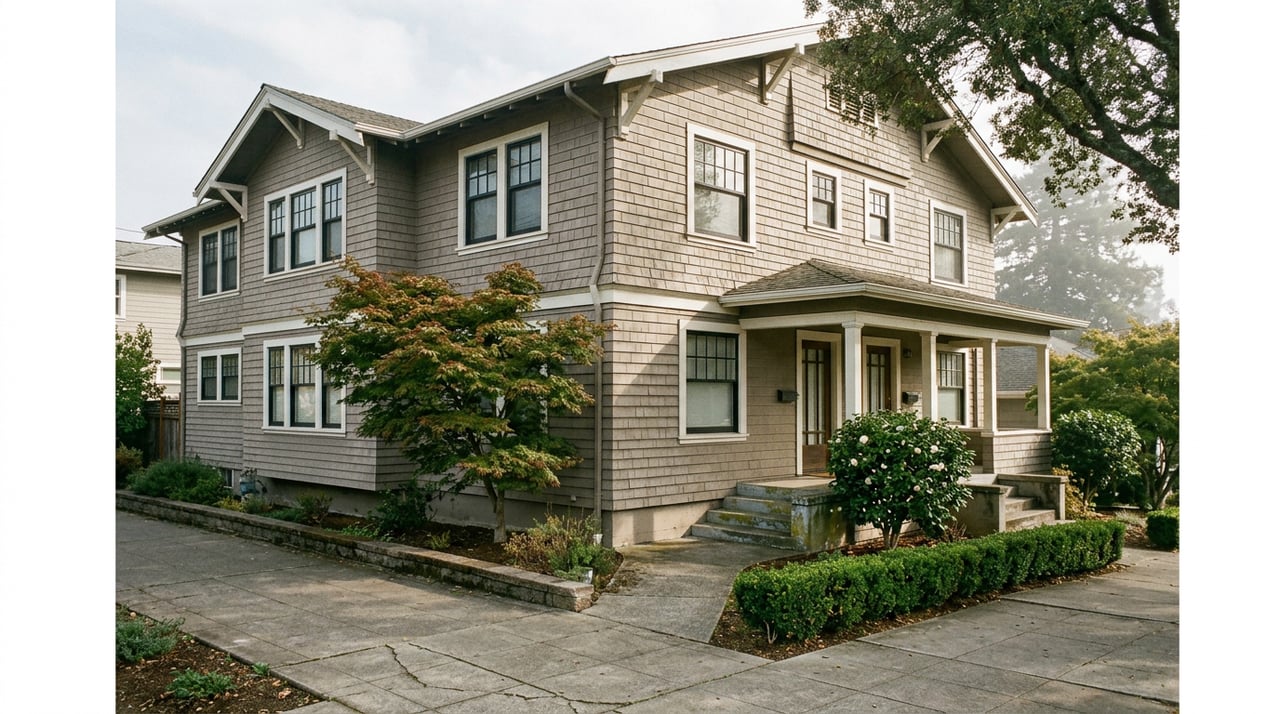
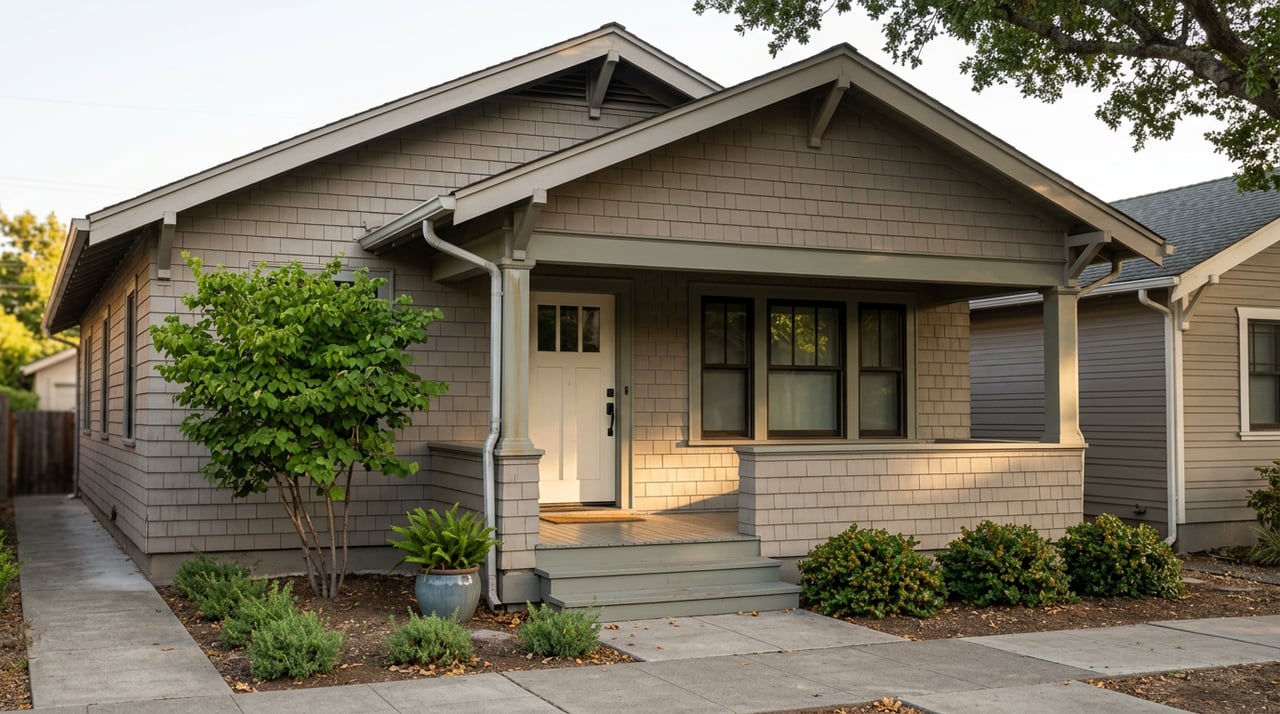
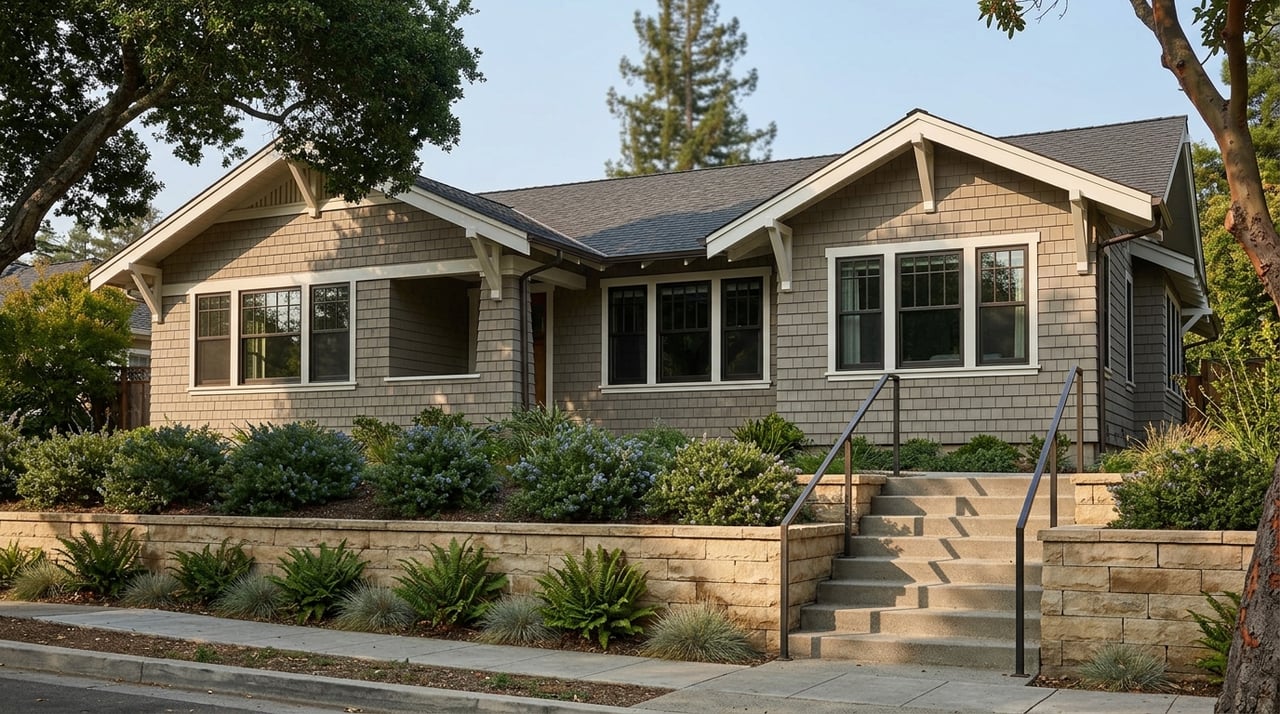
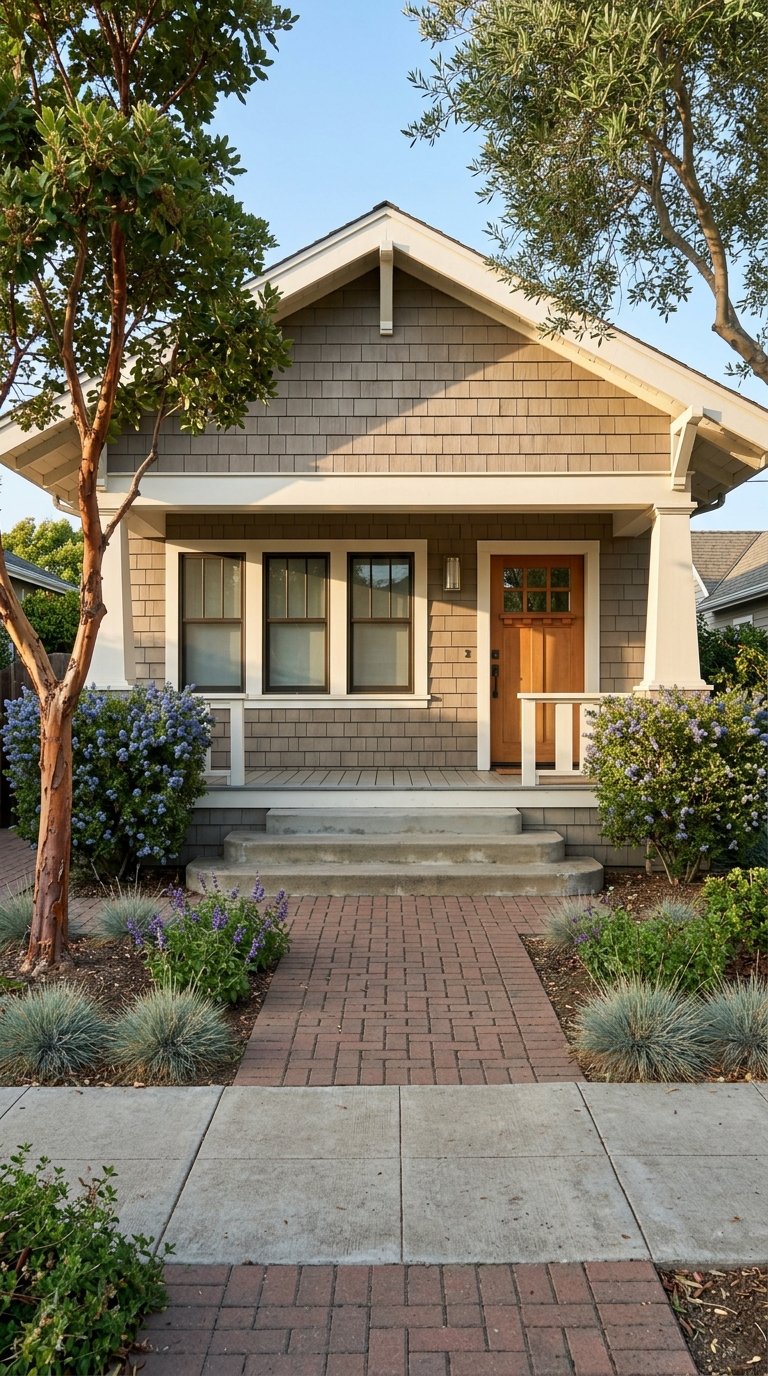
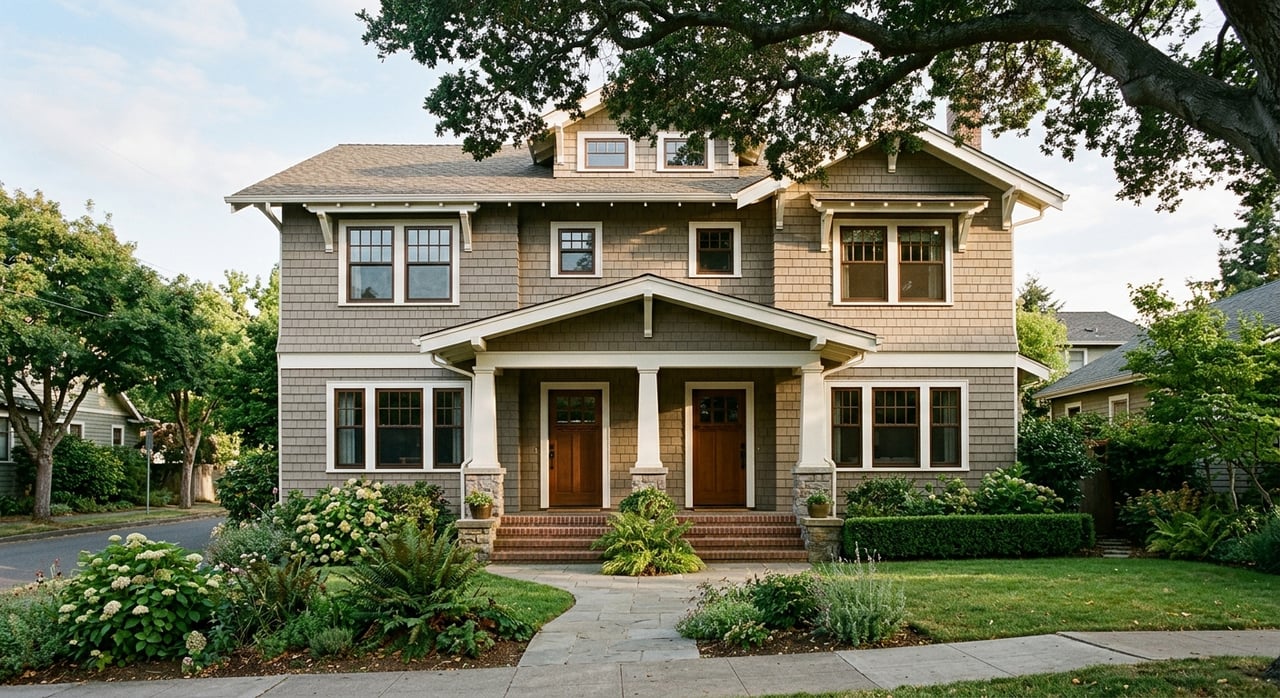
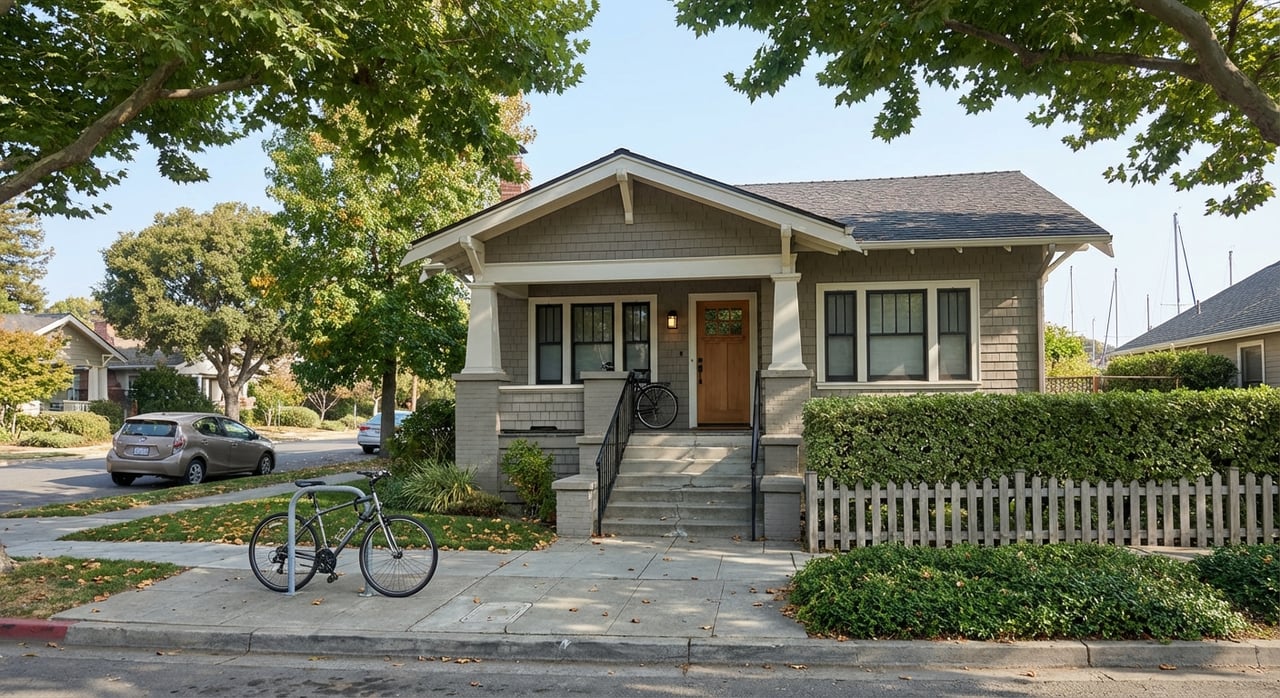
- Housing: Craftsman singles, duplexes, and a few condos near College Avenue.
- Transit and lifestyle: Rockridge BART and a highly walkable corridor.
- Buyer tip: Be ready to compete on price and terms, especially for updated homes near BART.
Temescal
- Housing: Older row houses and singles with some newer infill condos along Telegraph.
- Transit and lifestyle: Access to MacArthur or Rockridge BART and active retail corridors.
- Buyer tip: Smaller lots and charming homes draw quick interest. Have your lender and inspector ready.
Piedmont Avenue and Grand Lake
- Housing: Historic homes, duplexes, and small multifamily near shops and parks.
- Buyer tip: Expect a premium for walkability and proximity to Lake Merritt and local amenities.
Bushrod and north-central pockets
- Housing: A wider range of prices and more properties with renovation potential.
- Buyer tip: Review permit history and quality of past work. Renovation can create long-term value if you are comfortable with projects.
Hillside-adjacent areas
- Housing: Larger lots and view homes with hillside conditions.
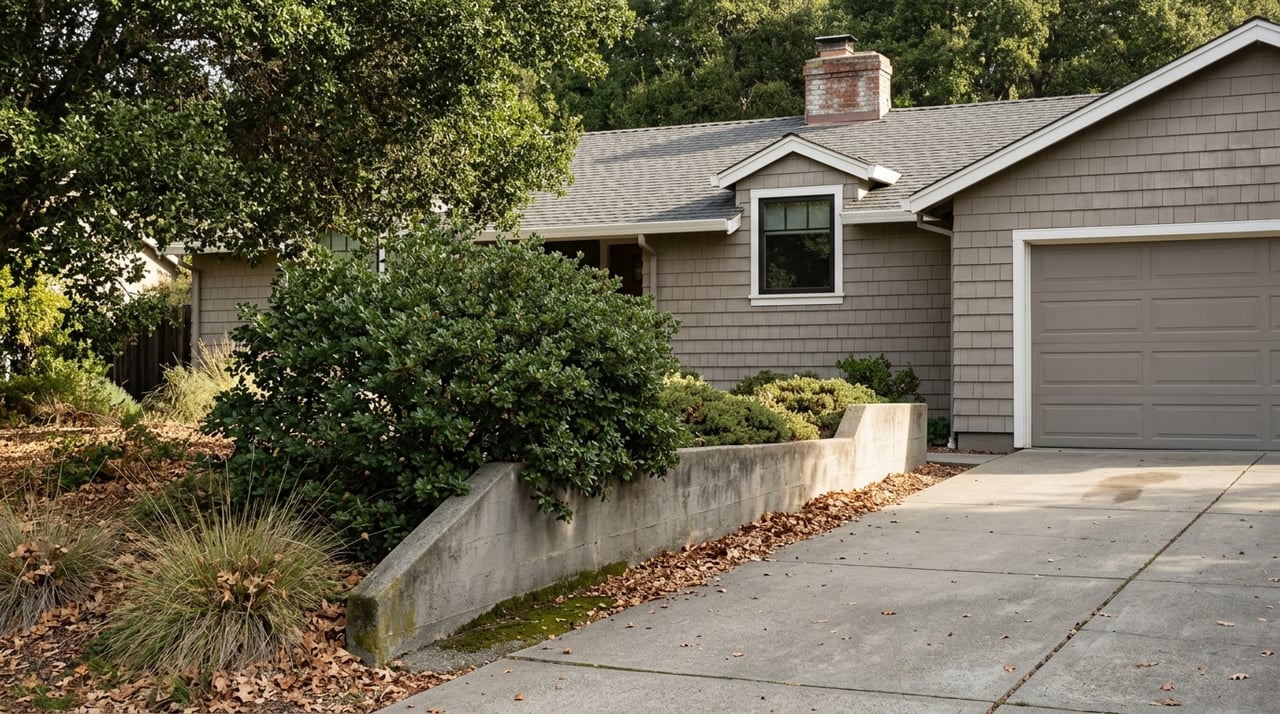
- Buyer tip: Budget for geotechnical and drainage considerations plus potential insurance differences.
Step 3: Tour homes with a practical checklist
Older North Oakland homes often feature original character alongside aging systems. Use a simple checklist on each tour so you can compare properties objectively.
- Foundation and structure: Look for settlement cracks or sloping floors.
- Roof and drainage: Check age and signs of leaks or ponding.
- Electrical and plumbing: Note knob-and-tube wiring, galvanized pipes, or panel upgrades.
- Heating and cooling: Confirm age and service history of HVAC.
- Sewer lateral: Older lines may need repair or replacement.
- Additions: Ask about permits for finished basements, garages, or attic conversions.
- Access and parking: Consider street parking rules and garage access.
- Location fit: Evaluate walkability, proximity to transit, and daily amenities.
Step 4: Review disclosures and public records
In California, sellers provide a Transfer Disclosure Statement and a Natural Hazard Disclosure. For pre-1978 homes, you will receive lead-based paint information. If you are considering a condo, expect HOA documents including CC&Rs, financials, and meeting minutes.
Before you write, confirm key items in public records. Check permit history with the City of Oakland Planning and Building Department. Review property taxes and assessments with the Alameda County Assessor. If a property is tenant-occupied, understand current leases and local rent stabilization rules so you know your rights and responsibilities at closing.
Step 5: Craft a winning offer
A strong offer balances price, clean terms, and realistic protections. Your contract sets price, earnest money deposit, contingencies, timelines, and proposed close date.
- Price: Use recent comparable sales within 30 to 90 days and adjust for condition and location.
- Earnest money: In competitive pockets, 1 to 3 percent of the price is common.
- Contingencies: Typical protections include inspection, appraisal, financing, title review, and HOA review for condos.
- Timing: Align your contingency windows and close date with the property’s pace and the seller’s needs.
In a multiple-offer situation, you can consider stronger terms. Buyers sometimes shorten inspection windows, increase the deposit, or add appraisal gap language. Escalation clauses can help you stay competitive without bidding far beyond your cap. Only take on risk you fully understand and can afford.
Non-price terms that help
- Flexible closing or a short rent-back for the seller if it fits your timeline.
- Minimal requests outside standard inspections and required disclosures.
- Clear and complete offer documents with proof of funds and updated lender letters.
What to avoid
- Waiving inspections without a plan to assess condition.
- Waiving the appraisal if your loan depends on it.
- Overextending your budget. Always stress test for taxes, insurance, and maintenance.
Step 6: Inspect, then negotiate with clarity
Plan your inspections early. Common inspections include a general home inspection and a pest inspection. Many buyers also order roof, sewer scope, and specialized inspections for electrical, HVAC, or foundation. For hillside homes, consider geotechnical and retaining wall assessments.
Use findings to request repairs, credits, or a price adjustment. The seller can say yes, no, or counter. Decide ahead of time what items are safety or system priorities versus cosmetic preferences so you stay focused.
Step 7: Escrow, appraisal, and closing
Escrow in the Bay Area commonly runs 21 to 30 days, though you can negotiate faster or slower timelines. Your lender will order an appraisal. If the value comes in low, you can explore a larger down payment, appraisal gap coverage, or a seller credit if the seller agrees.
Expect a final walk-through 24 to 48 hours before closing to confirm condition and agreed repairs. Title and escrow companies coordinate recording and transfer of funds. Buyer closing costs vary, but often land around 2 to 5 percent of the purchase price depending on loan, fees, and transfer taxes. Confirm exact figures with your lender and escrow officer early in the process.
Timelines at a glance
- Pre-approval: 1 to 7 days, depending on how fast you provide documents.
- House hunting: Weeks to months, based on inventory and your timeline.
- Offer to acceptance: 1 to 5 days in active markets.
- Escrow to close: 17 to 45 days, with 21 to 30 most common.
Condo buyers: HOA and lending checkpoints
If a condo fits your goals in Rockridge, Temescal, or along Piedmont Avenue, add a few extra checks. Review HOA budgets, reserves, insurance, and recent meeting minutes for upcoming projects. Ask your lender about building approval and any project-specific lending requirements. HOA rules will guide renovations and day-to-day living, so read them early.
Tenant-occupied properties: what to know
If you are buying a tenant-occupied home or small multifamily, review existing leases, security deposits, and any applicable rent stabilization or eviction rules. Understand notice requirements and whether you plan to keep the property as a rental or move in. The right plan and timeline help you stay compliant from day one.
Budgeting for older homes
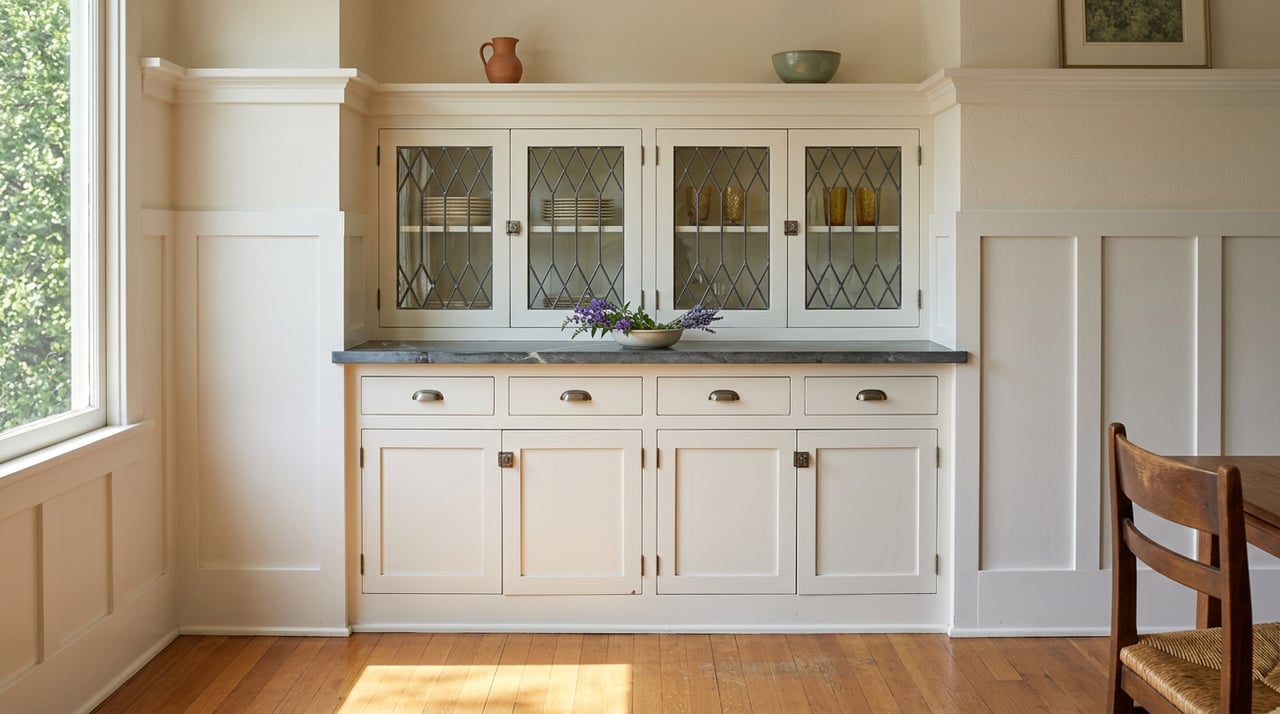
Early 20th-century homes are part of North Oakland’s charm, and many will need updates over time. Build reserves for electrical, plumbing, roofing, and drainage improvements. For certain hillside or hazard areas, factor in insurance variations and potential retrofit work. A realistic maintenance budget will keep your investment strong.
Local strategy, personalized support
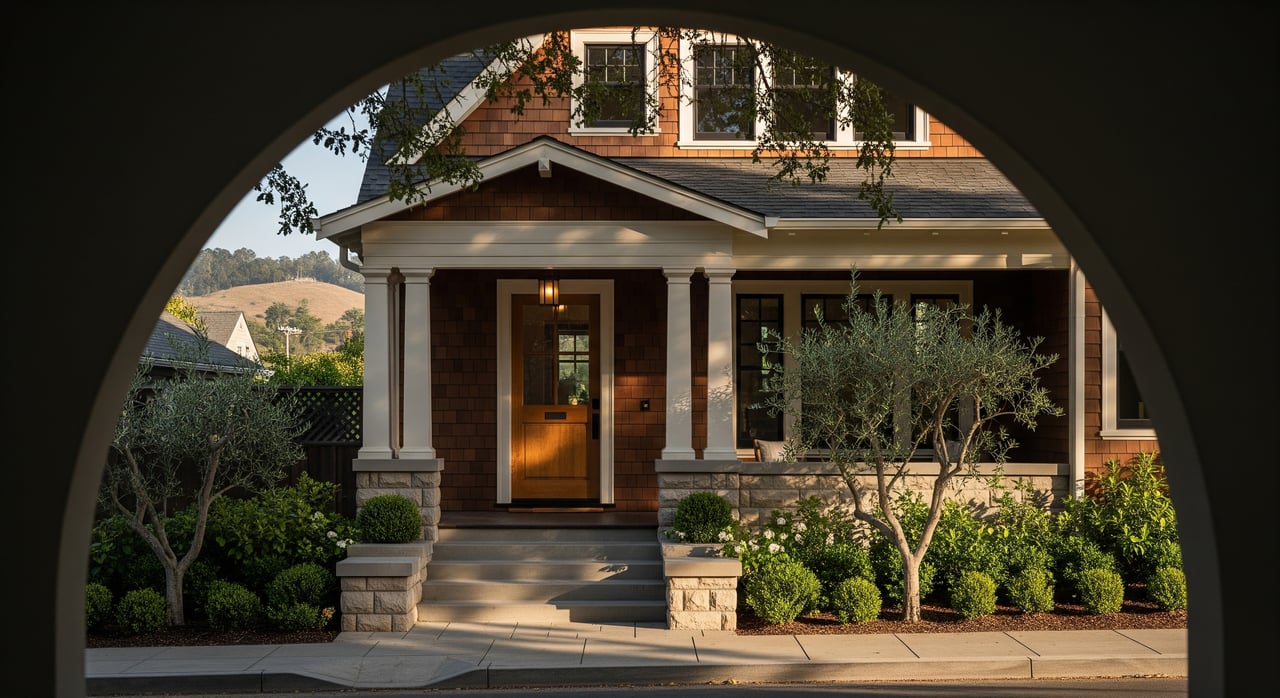
Your perfect home might be a Craftsman near Rockridge BART or a condo close to Temescal’s dining. With the right preparation, you can compete smartly and feel confident at each step. If you want a tailored plan for North Oakland’s micro-markets, personalized touring, and clear offer strategy, reach out to Annie’s team for guidance from first tour to keys.
Ready to take the next step? Connect with Annie Tegner for a local plan that fits your budget, timing, and goals.
FAQs
What is the first step to buy in North Oakland?
- Start with a strong pre-approval or pre-underwritten loan so you can act quickly and write a competitive offer when the right home hits the market.
How much should I budget for closing costs in Oakland?
- Plan for about 2 to 5 percent of the purchase price to cover lender fees, appraisal, escrow, title insurance, recording, prorated taxes, and any transfer taxes.
Which inspections are most important for older Oakland homes?
- A general home and pest inspection are common, with roof, sewer scope, electrical, HVAC, and foundation assessments as needed. Hillside homes often call for geotechnical review.
What disclosures will I receive from the seller in California?
- Expect a Transfer Disclosure Statement and a Natural Hazard Disclosure, plus lead-based paint information for pre-1978 homes and HOA documents for condos.
How fast does escrow typically close in the Bay Area?
- Many transactions close in 21 to 30 days. Timelines depend on financing, appraisal scheduling, and negotiated terms.
Should I waive contingencies to win a bidding war?
- Only if you understand and can absorb the risks. You can often stay competitive by shortening timelines or using appraisal gap language rather than fully waiving protections.
How do BART and commute options affect pricing?
- Proximity to BART stations like Rockridge or MacArthur often increases demand, which can influence pricing and competition within nearby blocks.
What should I check before buying a tenant-occupied property?
- Review leases, deposits, and local rent stabilization rules, and confirm your move-in or rental plan aligns with legal requirements and timelines.