Picture your morning starting with a stroll for coffee on a leafy main street, then a bike ride along the Bay to a fast ferry into San Francisco. If you’re weighing a move, you want the real feel of daily life, not a brochure. You also want clear answers on commutes, neighborhoods, parks, and what home options actually look like on the ground. In this guide, you’ll get a practical, local view of Alameda life so you can decide if this island city fits your goals. Let’s dive in.
The big picture: an island city
Alameda is an island city in the East Bay that includes Alameda Island, Bay Farm Island, and a small Coast Guard Island. Large parts of South Shore, Alameda Point, and Bay Farm were built on bay fill, which shapes the flat, bikeable feel. You can get a quick overview of the geography and history from the city’s profile on Wikipedia.
You’ll share the island with about 78,000 neighbors, and the typical one-way commute averages around 31 to 32 minutes according to Census 5‑year data. Median owner-occupied values hover around 1.2 million dollars, and median gross rent is roughly 2,300 to 2,500 dollars. These are broad indicators from Census QuickFacts and not live market pricing, but they frame the cost-of-living conversation. See the latest baseline data on Census QuickFacts for Alameda city.
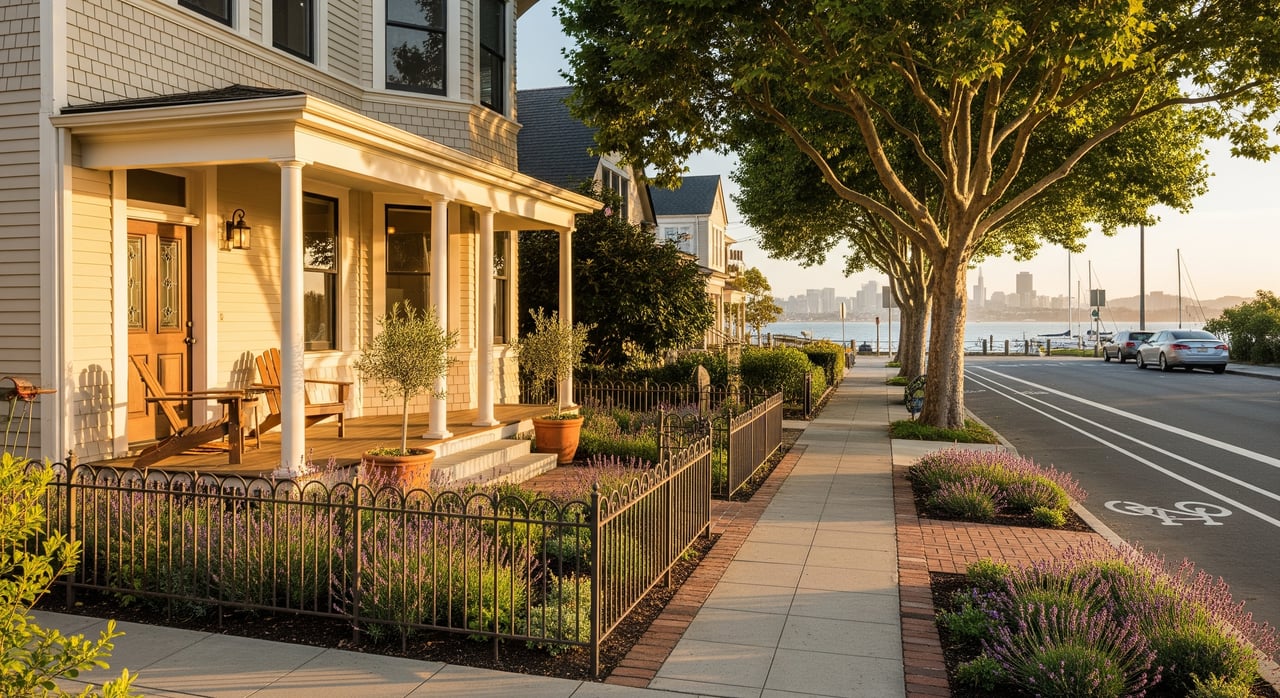
At street level, Alameda reads as low-rise and walkable with preserved Victorians near Park Street, relaxed waterfront spaces, and quieter planned neighborhoods on Bay Farm Island. It appeals if you want a slower tempo than central Oakland or San Francisco with easy regional access.
Neighborhood feel, block by block
Park Street and downtown core
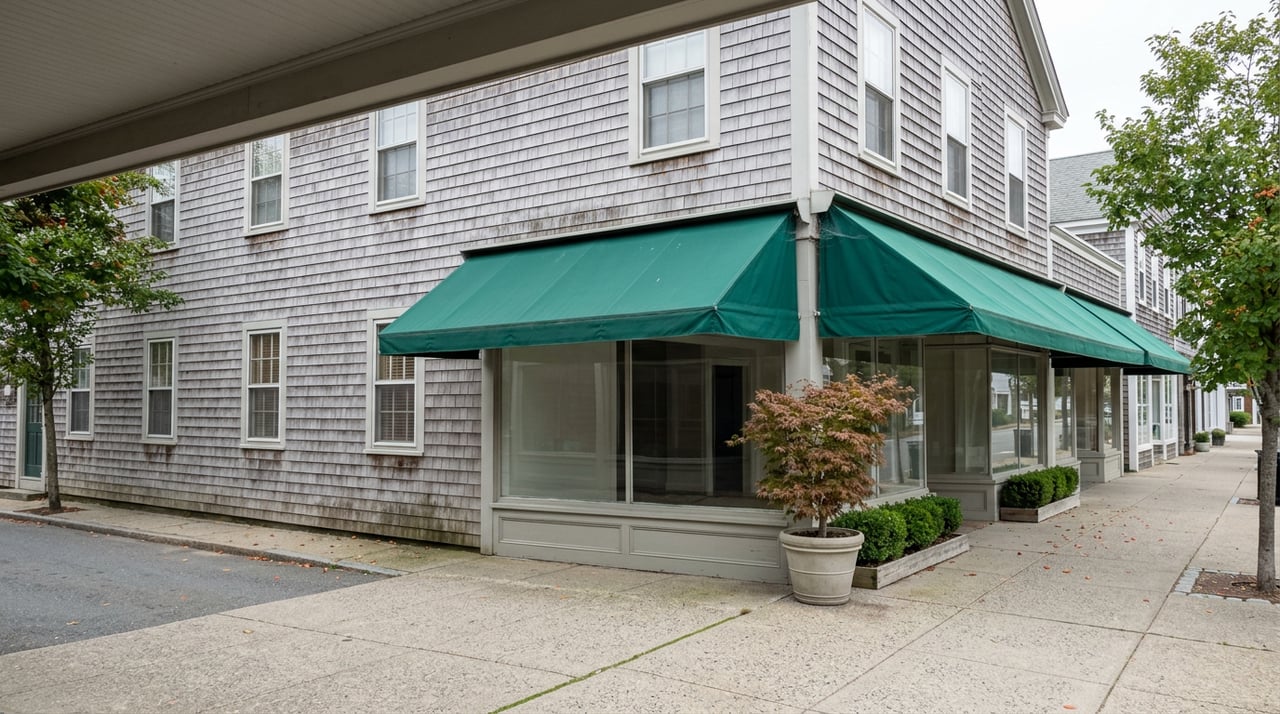
Park Street is the image of island “downtown” life. It’s a designated historic commercial district lined with older storefronts, independent shops, bakeries, and an Art Deco theater. The preserved architecture here anchors Alameda’s small-town vibe. For a sense of place, see the Park Street Historic Commercial District listing.
Webster Street and the West End
On the island’s west side, Webster Street offers a parallel dining and retail corridor. You’ll find casual cafes, neighborhood bars, and long-running eateries. Homes nearby include smaller historic pockets and new options closer to Alameda Point. The West End is also evolving, thanks to redevelopment and waterfront projects.
South Shore and Crown Beach
South Shore is all about easy access to the water. Crown Memorial State Beach delivers a broad sandy shoreline, gentle bay waters, and connected trails with Bay Trail access. Families often start at the Crab Cove Visitor Center for nature programs and aquariums before a beach afternoon. Explore programs and facilities through the East Bay Regional Park District’s Crown Beach and Crab Cove page.
Bay Farm Island
Bay Farm Island sits just across the lagoon from the main island and has a suburban, planned feel. You’ll see townhomes and single-family homes on quiet streets with parks and paths, plus a small commercial node and easy access to the Oakland International Airport area. It’s a popular choice if you want a calmer residential setting with quick links to trails and the Harbor Bay ferry.
Alameda Point today
The former Naval Air Station on the West End is now a mixed-use waterfront district. Think new parks along the Seaplane Lagoon, a growing cluster of breweries and tasting rooms, the USS Hornet Museum across the way, and a busy monthly antiques fair. New housing is coming in phases as part of the Site A redevelopment, which will add hundreds of homes and more public spaces over time. For planning context and phasing details, check the city’s materials on Alameda Point Site A development.
Getting around: commutes that work
Ferries to San Francisco
The ferry is a standout perk. Alameda has terminals at Seaplane Lagoon (Alameda Point), Main Street near downtown, and Harbor Bay on Bay Farm Island. The Seaplane Lagoon route was marketed as an under-20-minute ride to downtown San Francisco and hit a 1 million rider milestone by early 2025, a sign that it’s become a go-to for commuters. See the ridership story and route highlights on the MTC blog’s Seaplane Lagoon update. Schedules and travel times vary, so confirm details before you plan your daily routine.
BART and bus connections
There is no BART station in Alameda. Most riders connect via nearby Oakland stations such as Fruitvale or West Oakland, typically by car, bike, or AC Transit bus. Transit operators have tested timed shuttles to the ferry, including AC Transit’s Line 78 pilot linking Fruitvale BART to Seaplane Lagoon. That pilot has ended, and planners cited parking and coordination factors in service adjustments. If you rely on buses, always check for current routing and frequency. Read about the pilot context on AC Transit’s Line 78 page.
Driving and airport access
Alameda connects to Oakland by three bridges and the Posey/Webster tubes. Drivers heading to San Francisco use the Bay Bridge, with predictable peak-hour congestion. One quiet advantage is proximity to Oakland International Airport, which is only minutes from many neighborhoods, especially on Bay Farm Island. For a high-level transportation overview, see the city entry on Wikipedia.
Bikes and low-stress routes
Alameda is flat and bike-friendly, with progress on a low-stress east–west spine called the Cross Alameda Trail. This route links Seaplane Lagoon to the Fruitvale Bridge area and connects neighborhoods to ferries and schools. You can follow project segments and improvements on the city’s Cross Alameda Trail page.
A local reality to note: last-mile access to ferry terminals is evolving. When terminal parking is inexpensive or free, demand for bus shuttles dips, so operators adjust service. If you are a transit-first commuter, build in a backup plan and watch for parking or route changes. The AC Transit pilot notes offer helpful background on this dynamic.
Schools, parks, and weekends
Public schools snapshot
Alameda Unified School District serves island families with neighborhood elementary schools, two comprehensive high schools, and magnet options. Notably, the Alameda Science & Technology Institute was named a 2024 National Blue Ribbon School, a national recognition for academic excellence. You can read the district’s announcement on the AUSD news page. As always, verify program details and boundaries directly with AUSD as offerings can change.
Parks and open space
Weekend life here leans outdoors. Crown Beach is the headline hangout for shoreline walks, tidepooling with kids, and a sunset picnic with views. Jean Sweeney Open Space Park offers big lawns and modern play structures. On the West End, new waterfront parks around Seaplane Lagoon add boardwalks and lawns where you can watch ferries come and go. For nature programs and Bay Trail access at Crown Beach, start with the Crab Cove Visitor Center page.
Marinas and waterfront life
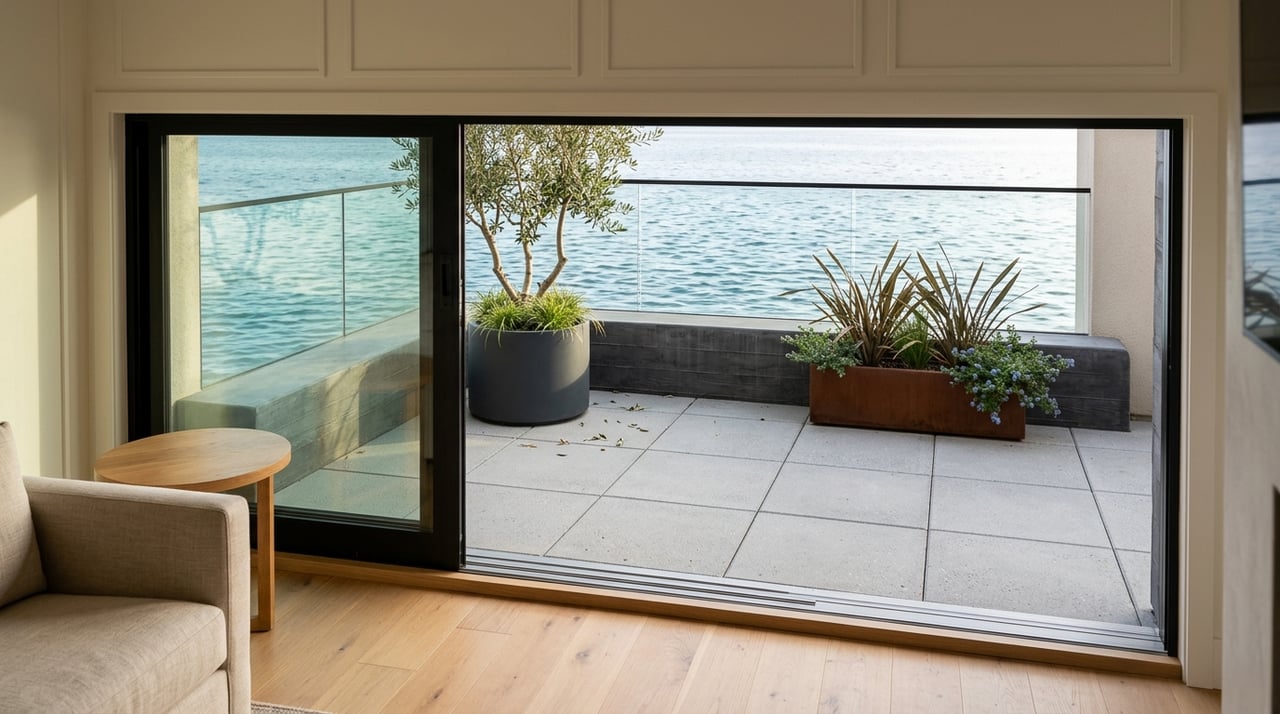
Sailing and paddling are part of Alameda’s DNA. The island’s marinas and clubs make small-boat life accessible, and weekend regattas or estuary paddles are common sights. If you like living near the water without the fog and wind found in some other Bay spots, Alameda’s leeward shoreline is a reliable draw.
Markets and annual traditions
The monthly Alameda Point Antiques Faire is a regional event that draws collectors from all over, adding to the West End’s weekend energy. You can find a national mention of the fair in this roundup of antique shows. Other community staples include the long-running Fourth of July parade, the Park Street Art & Wine Faire, and seasonal restaurant weeks that spotlight local dining.
Homes and housing types
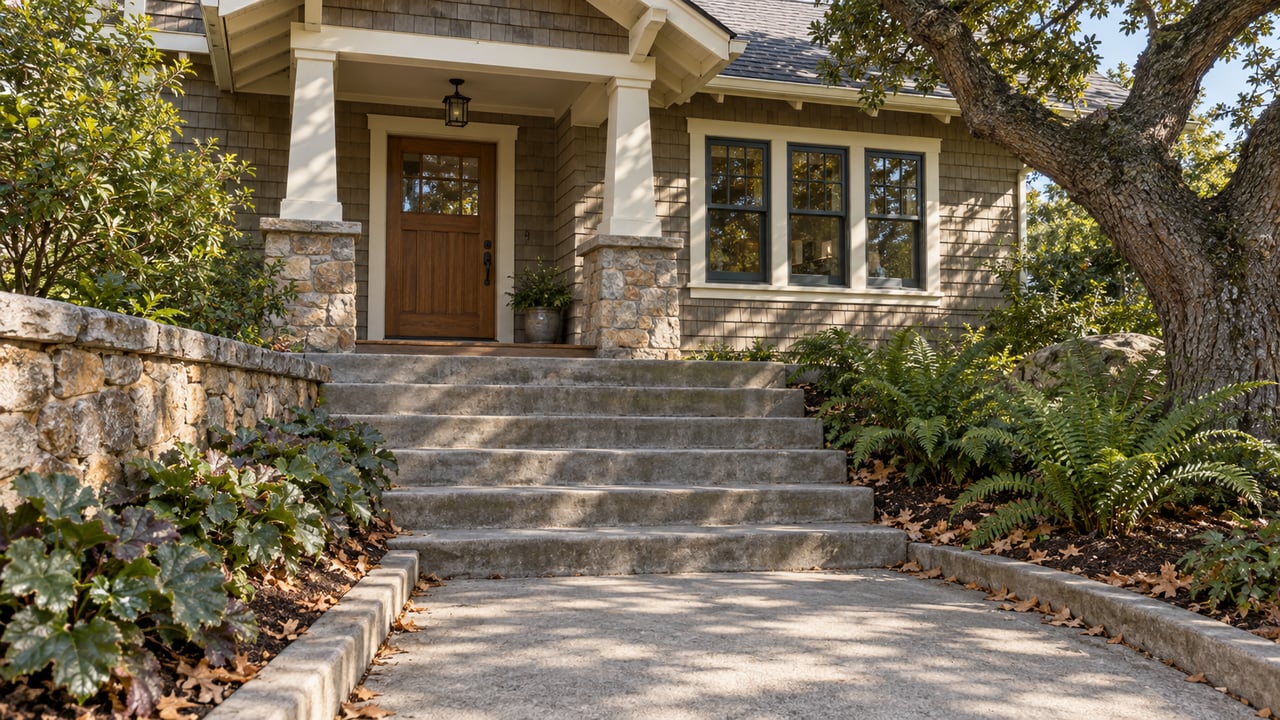
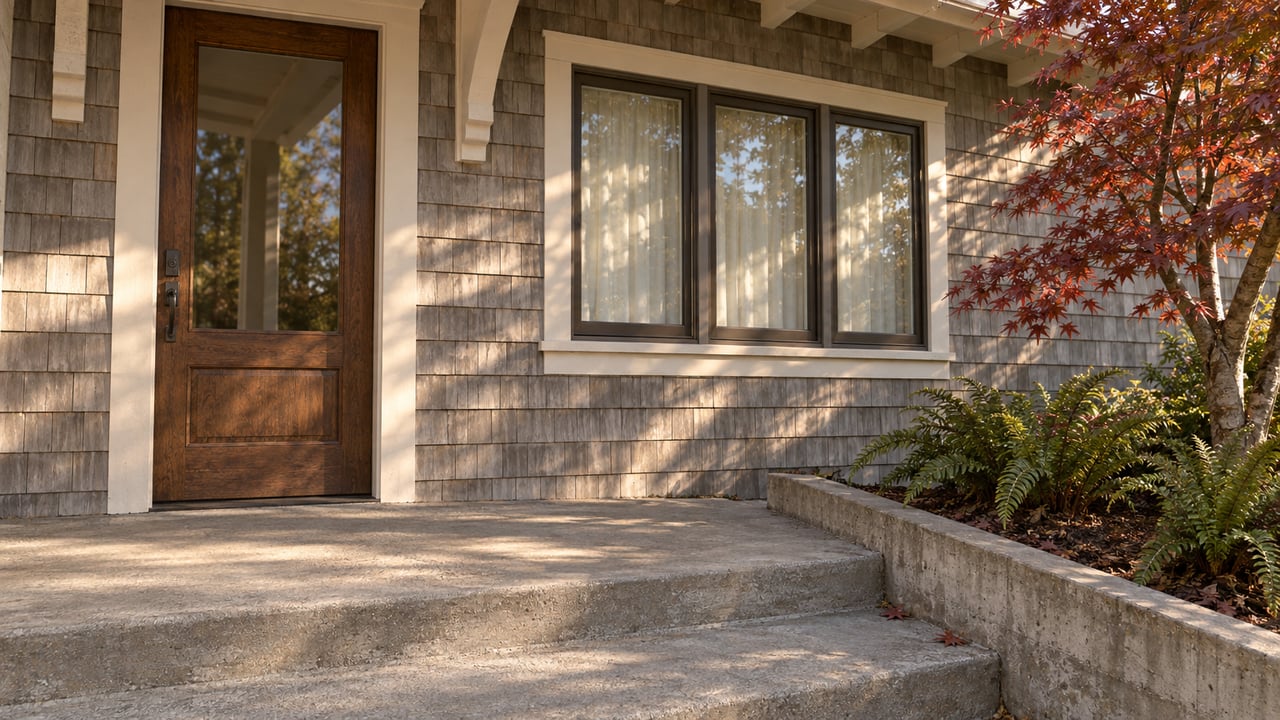
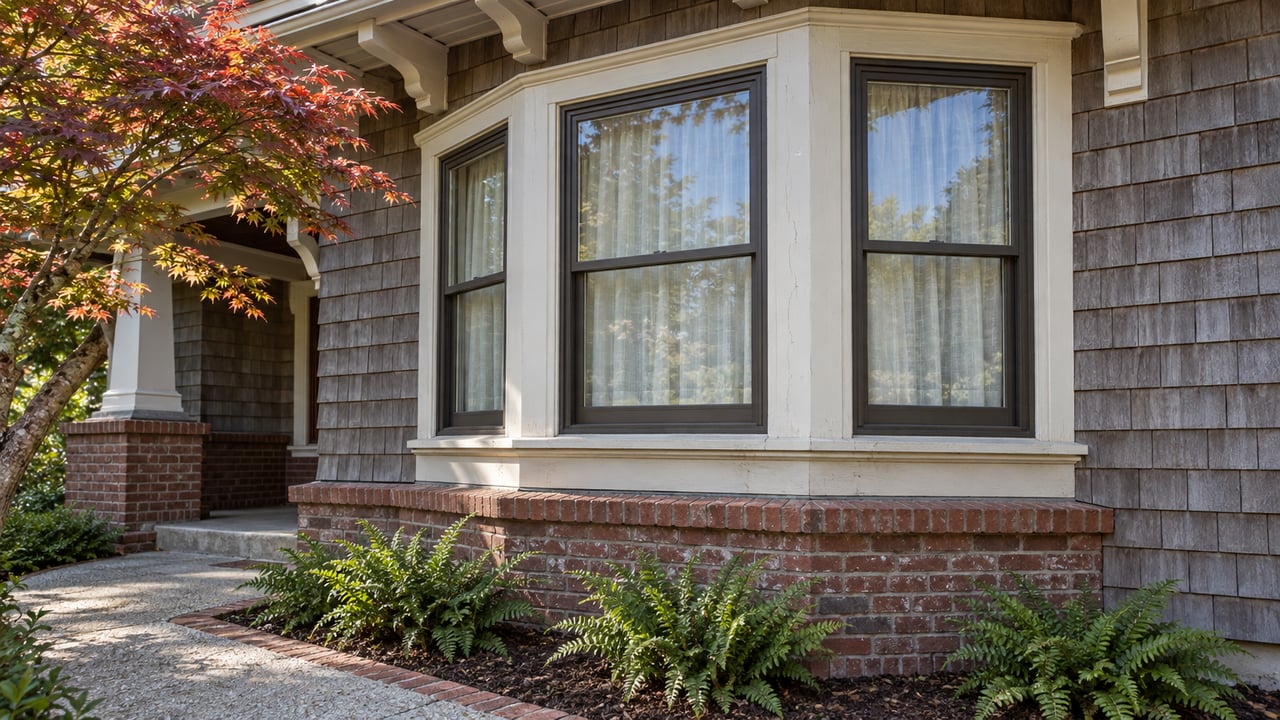
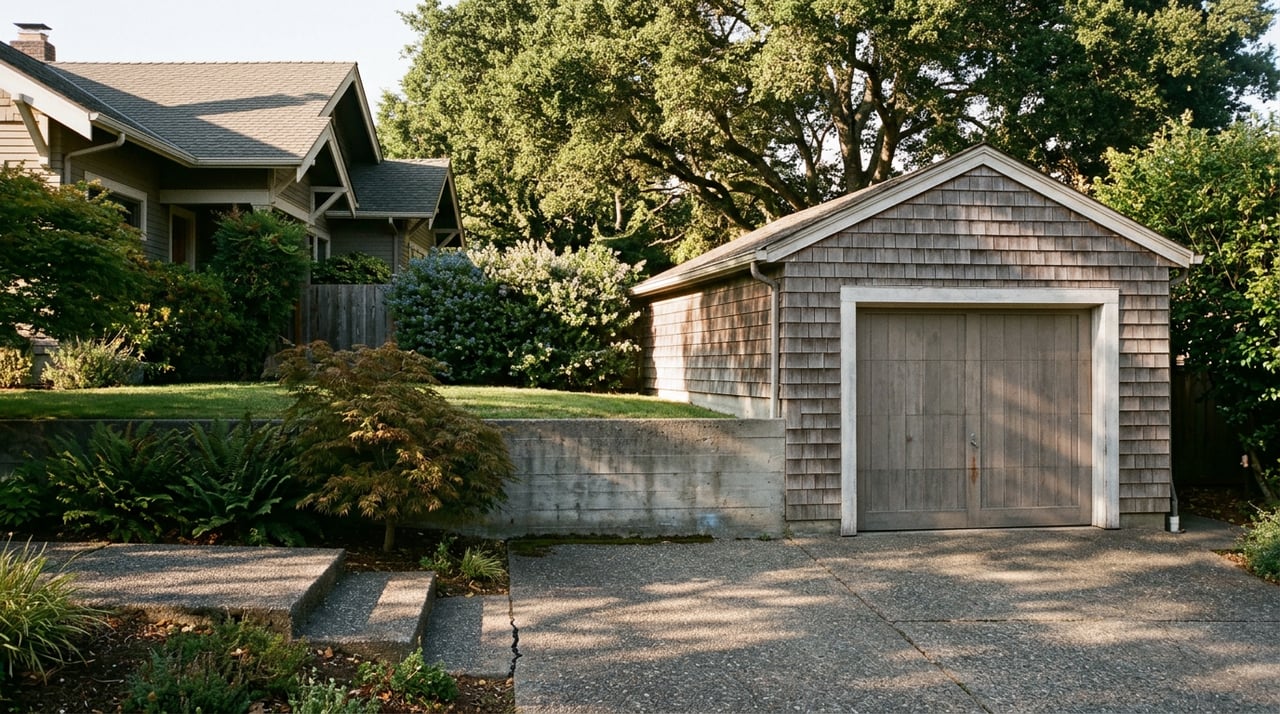
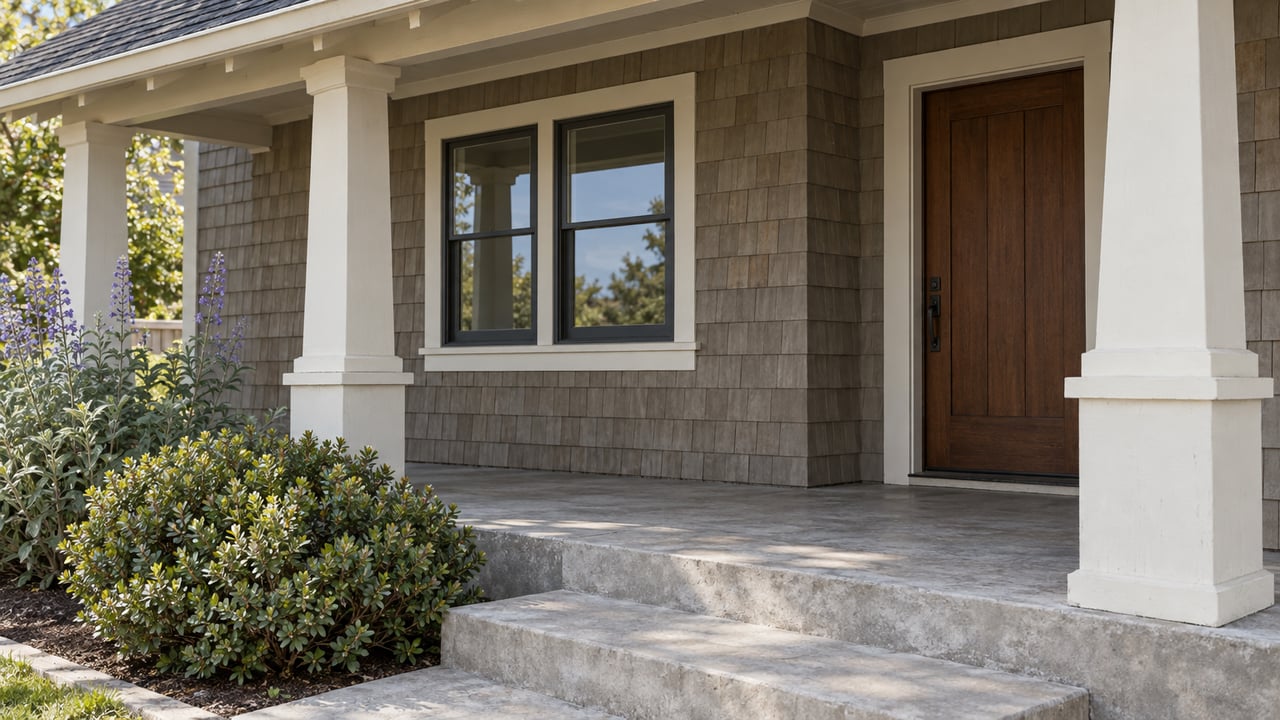
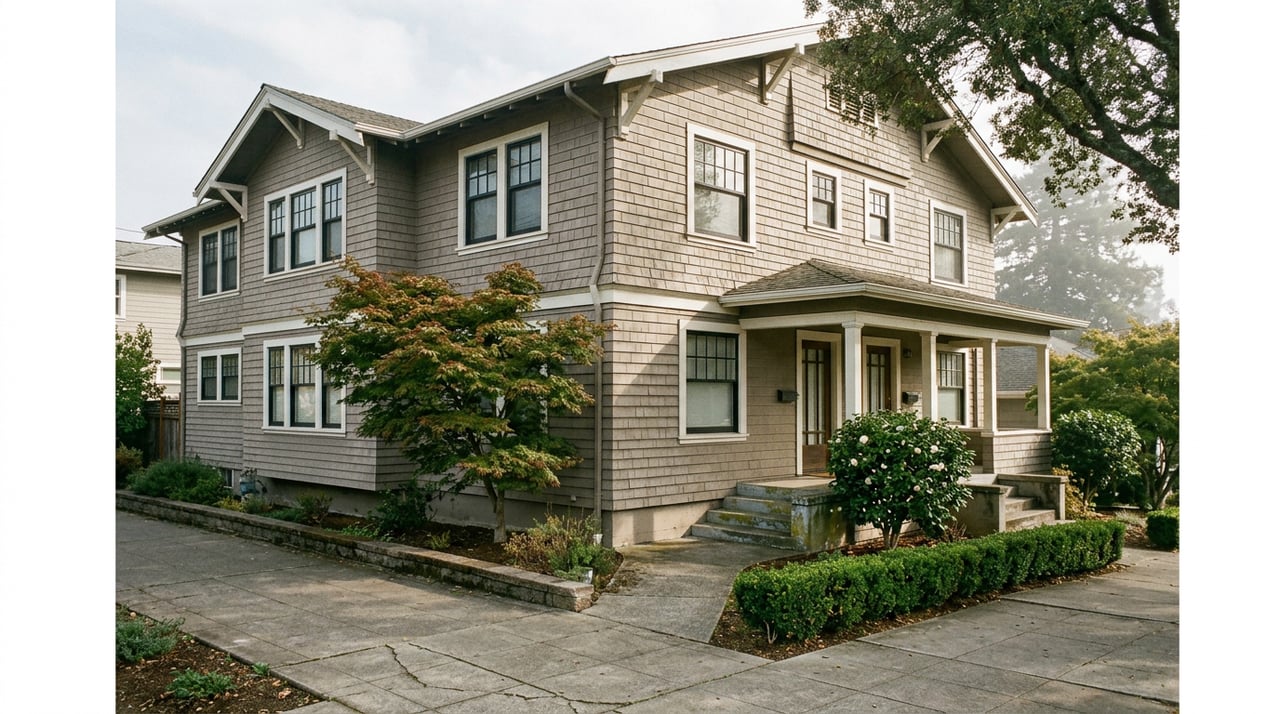
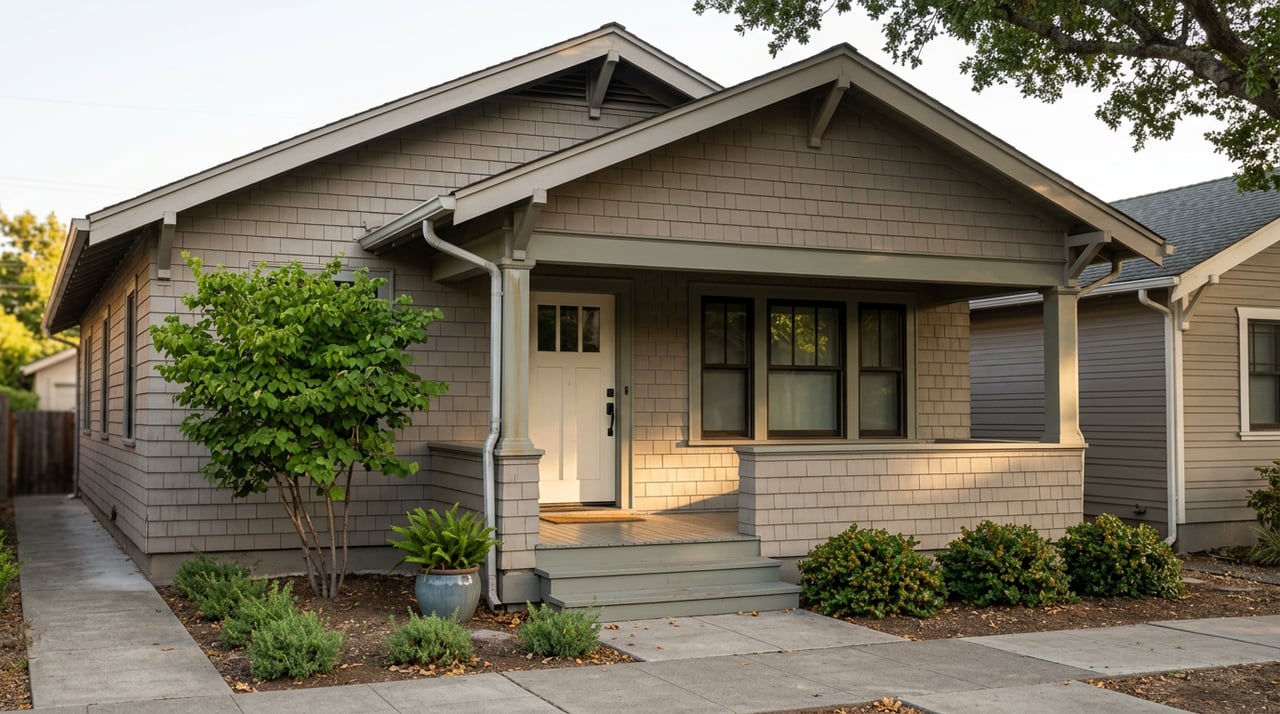
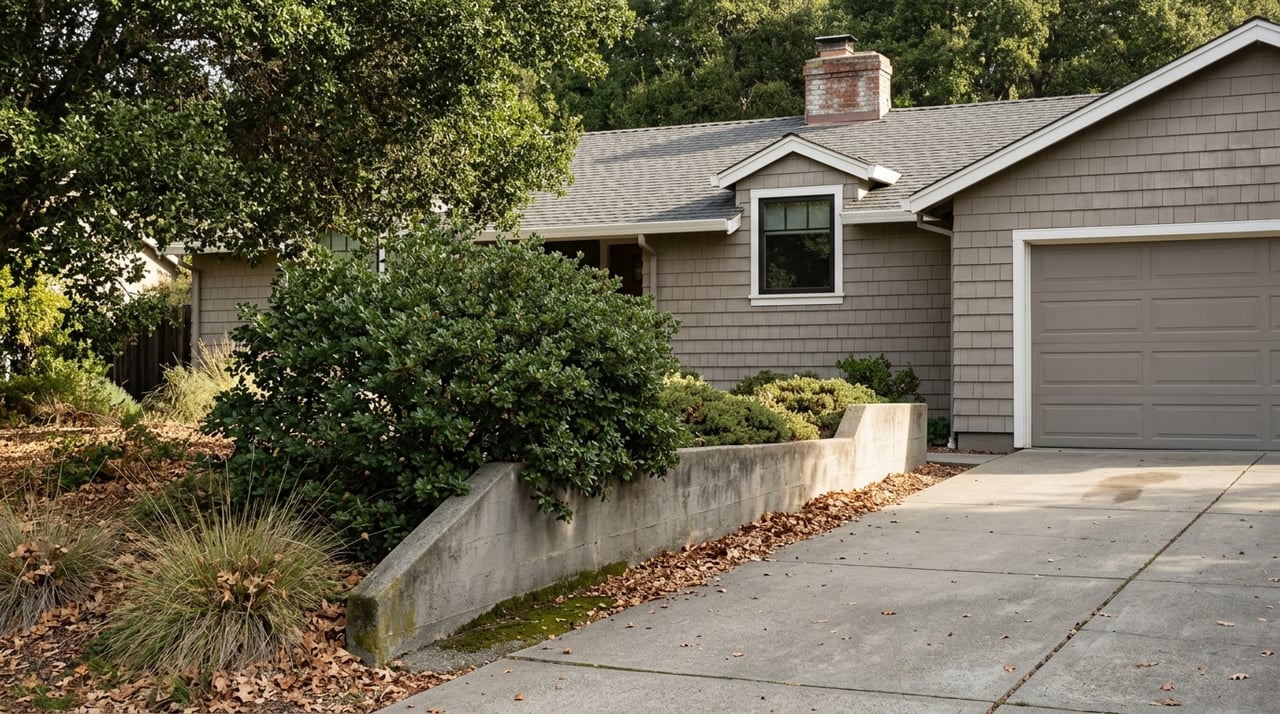
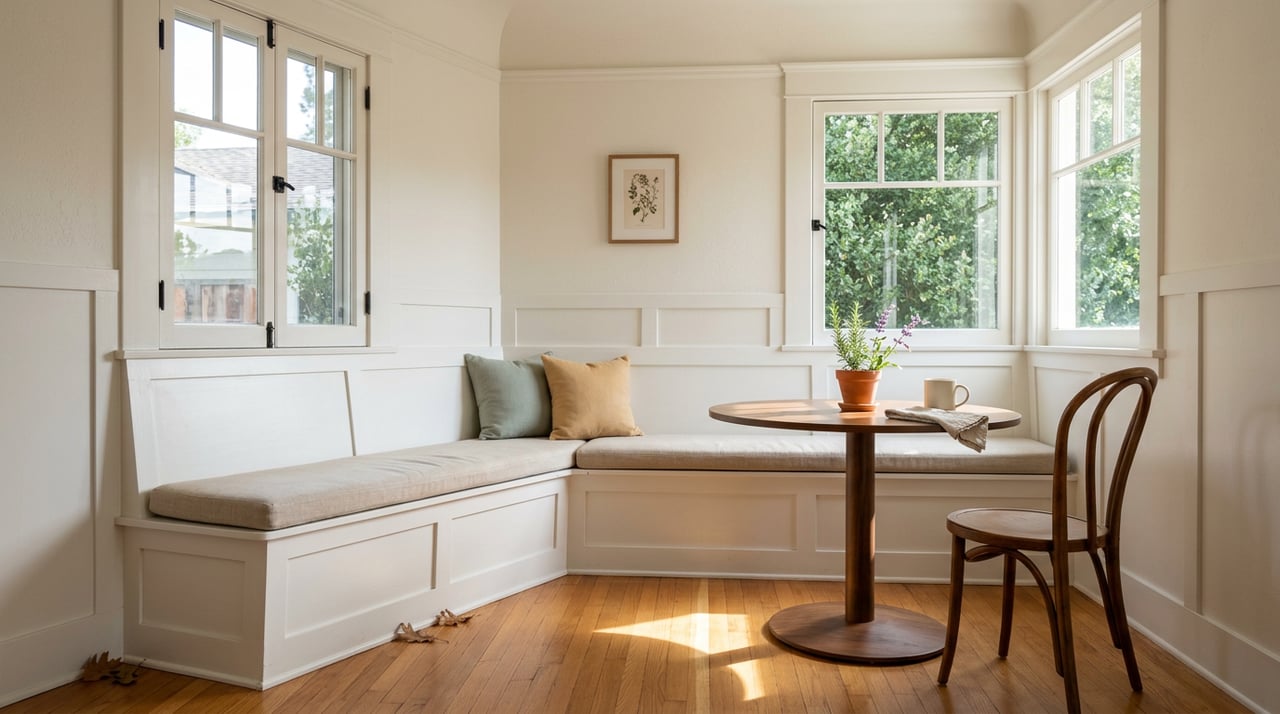
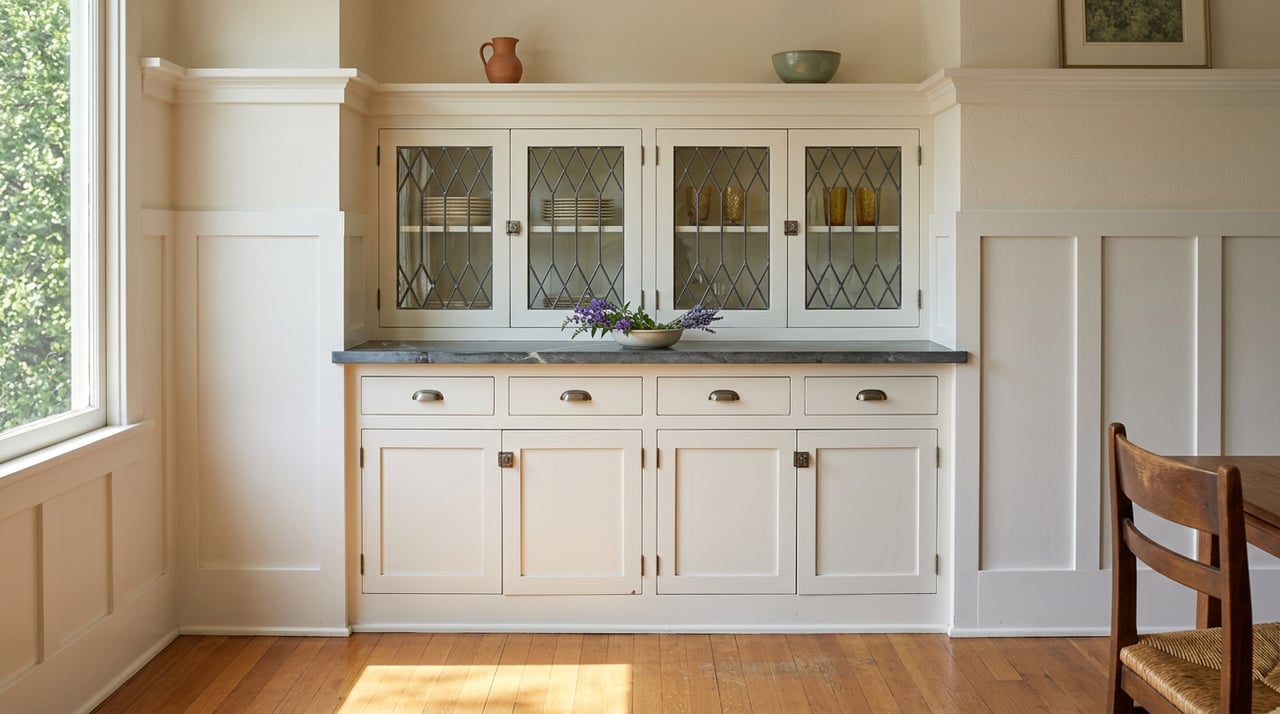
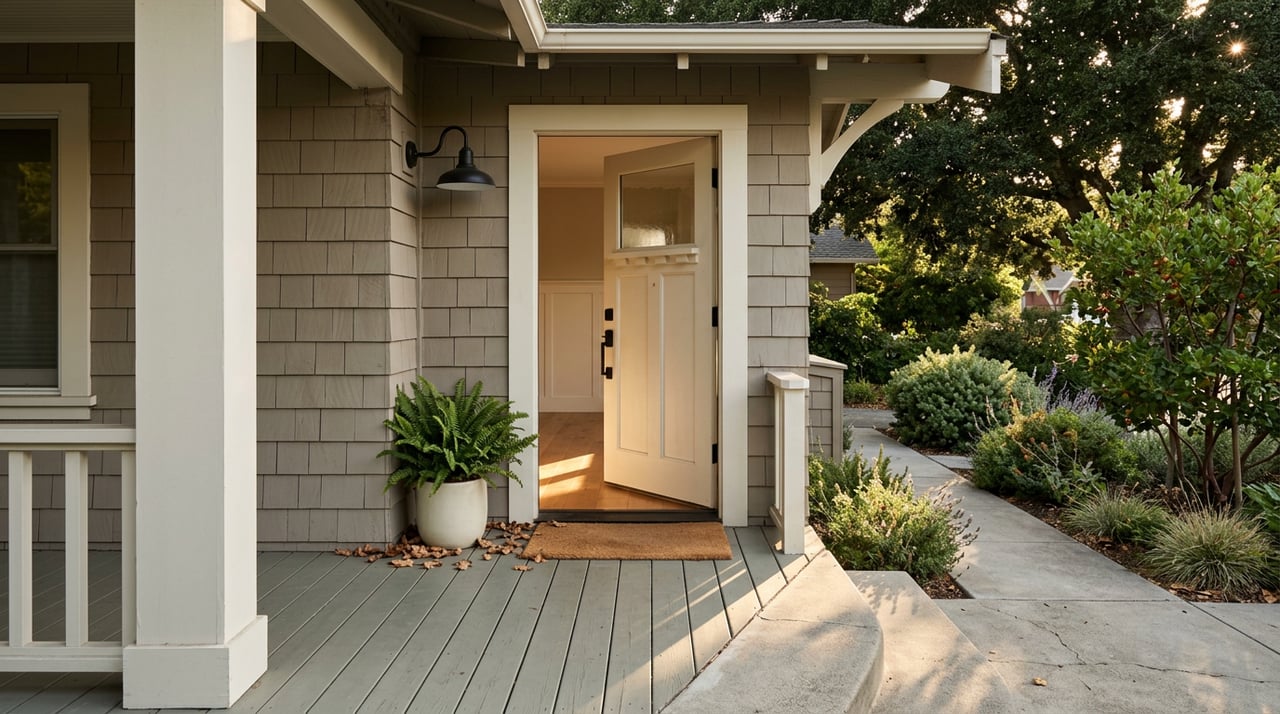
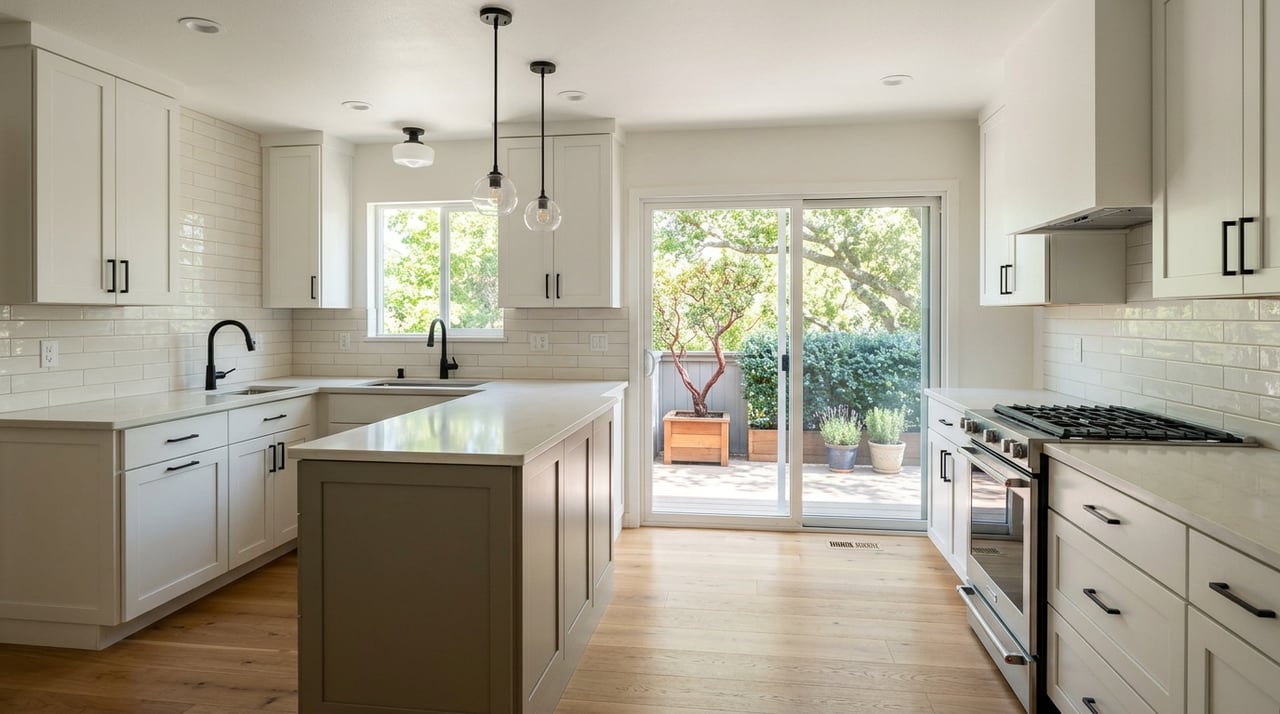
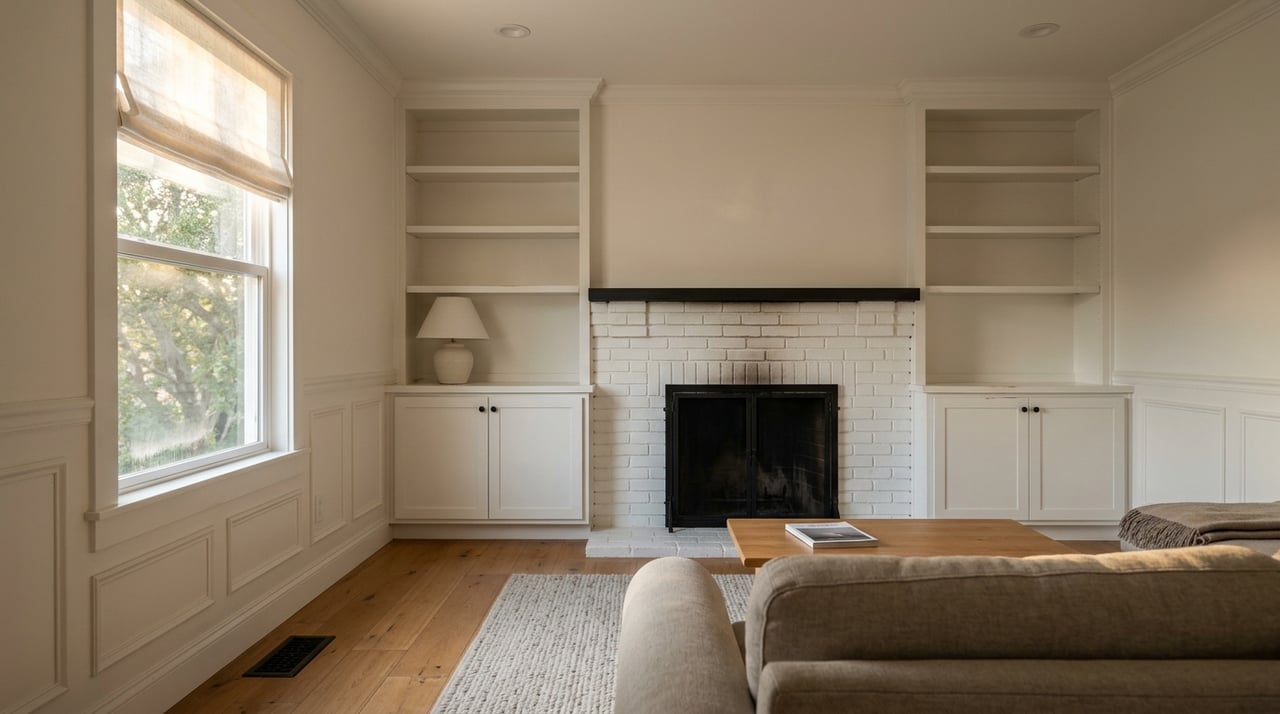
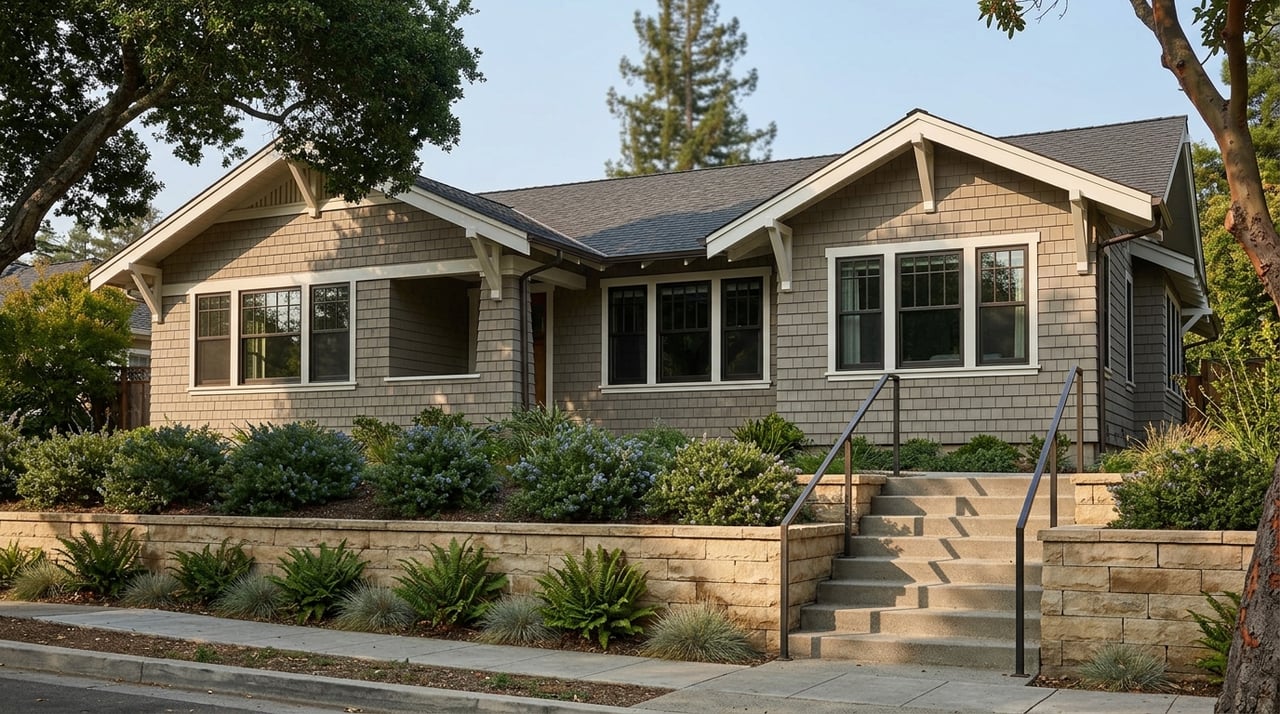
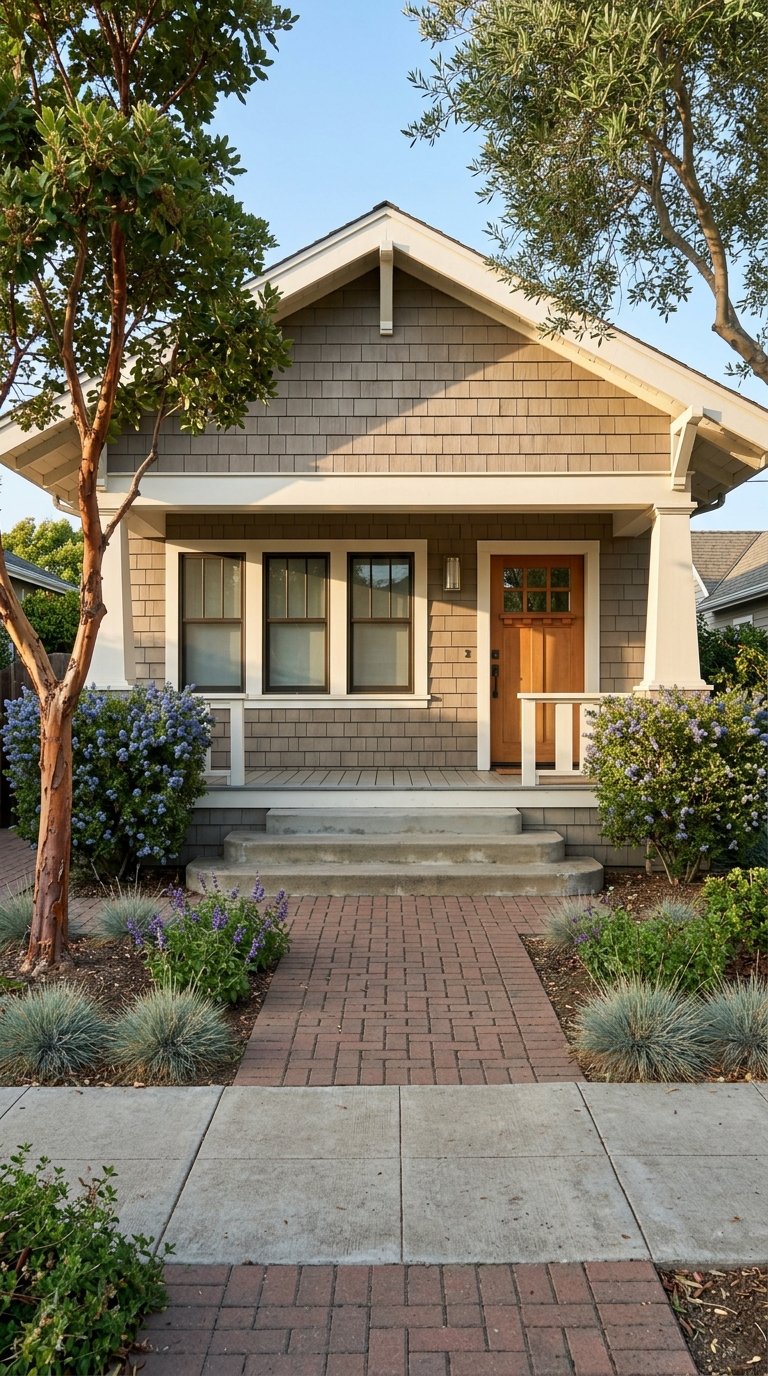
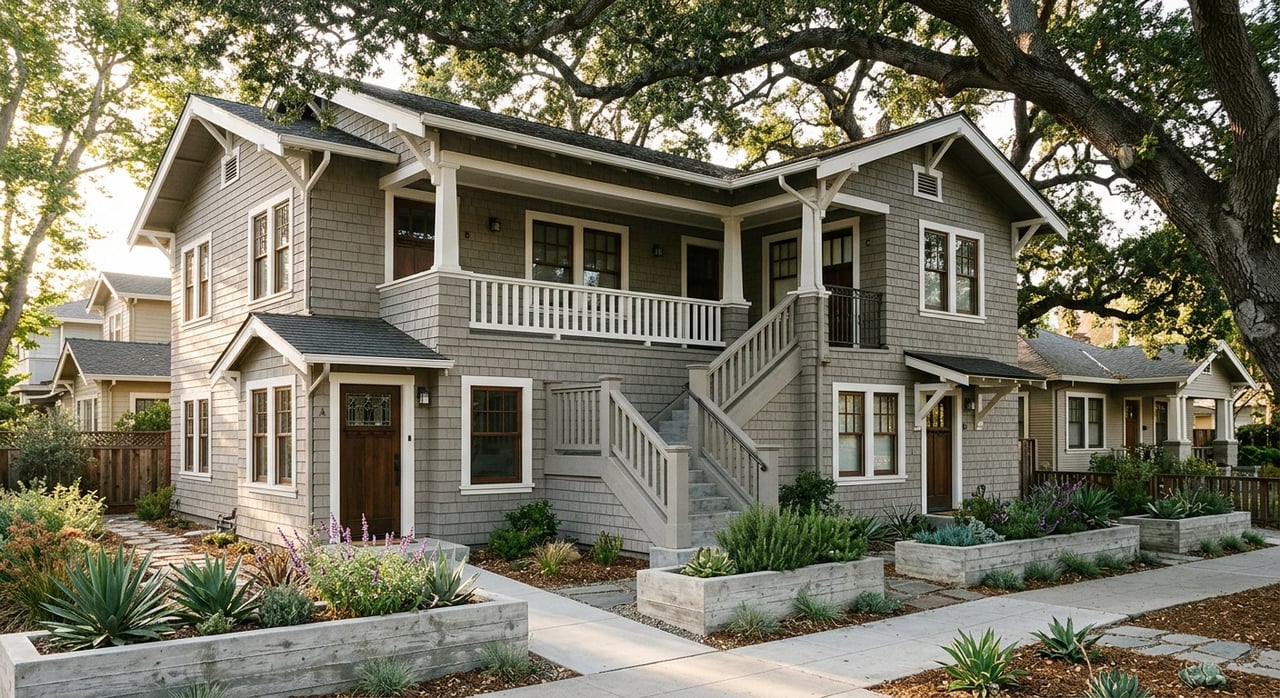
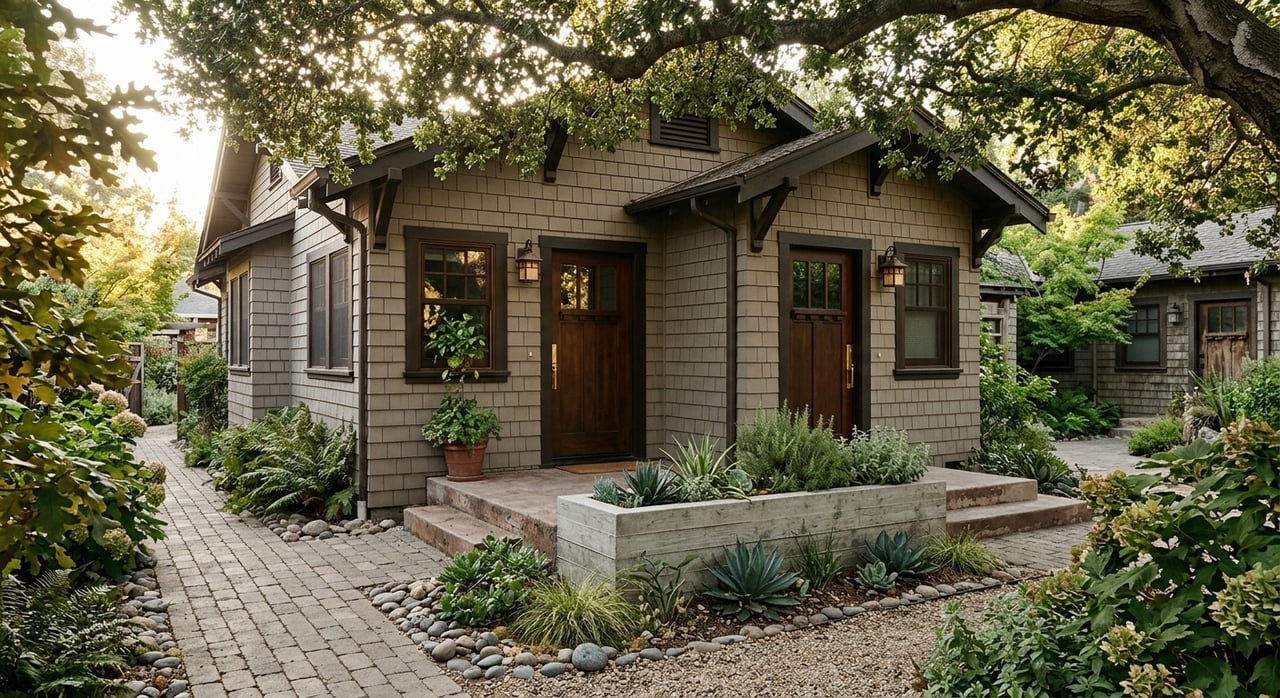
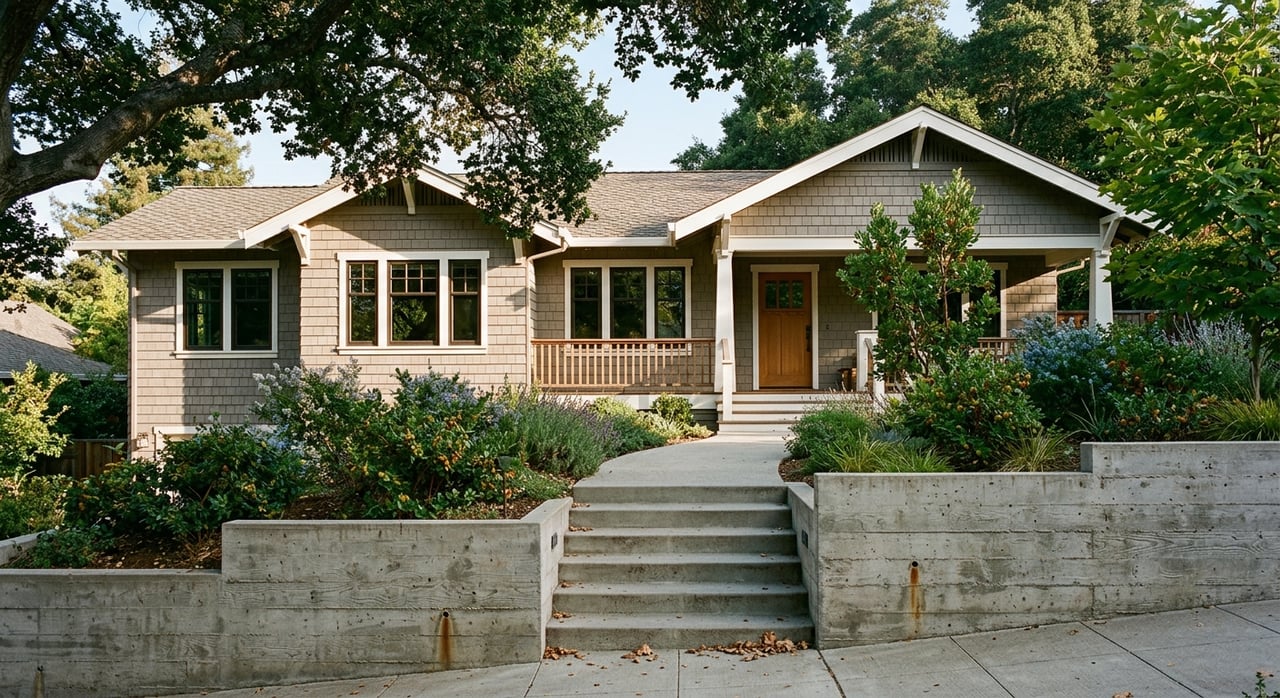
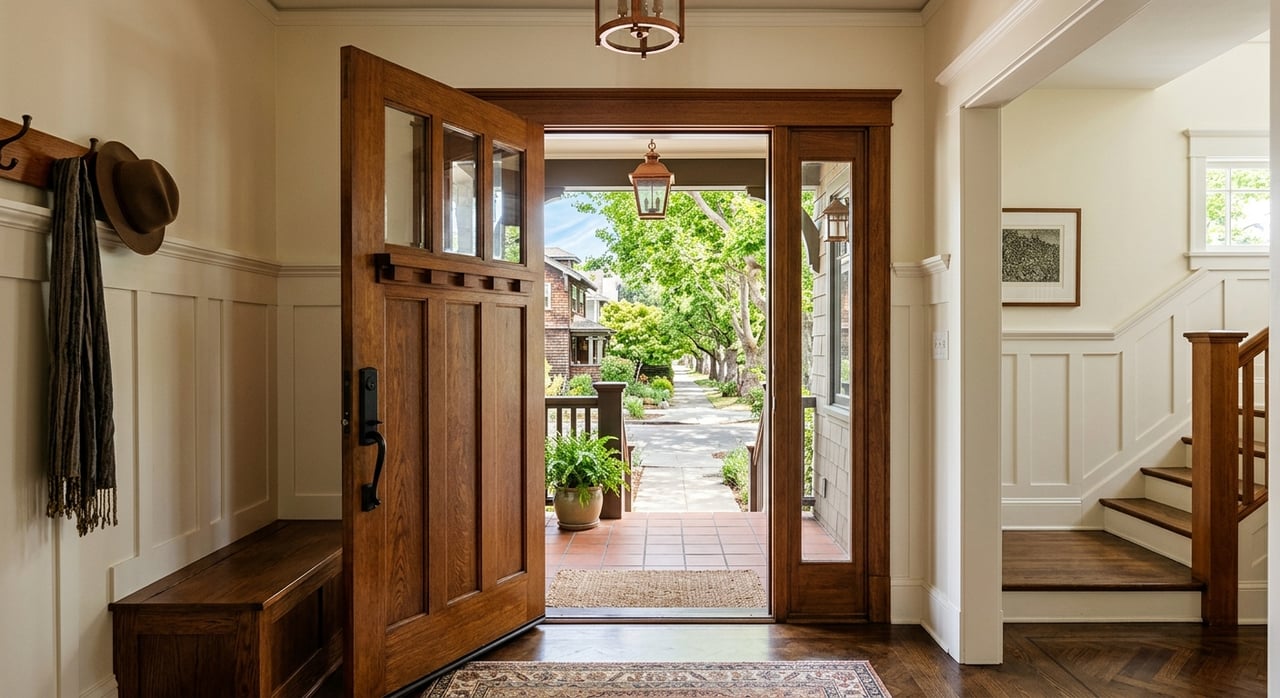
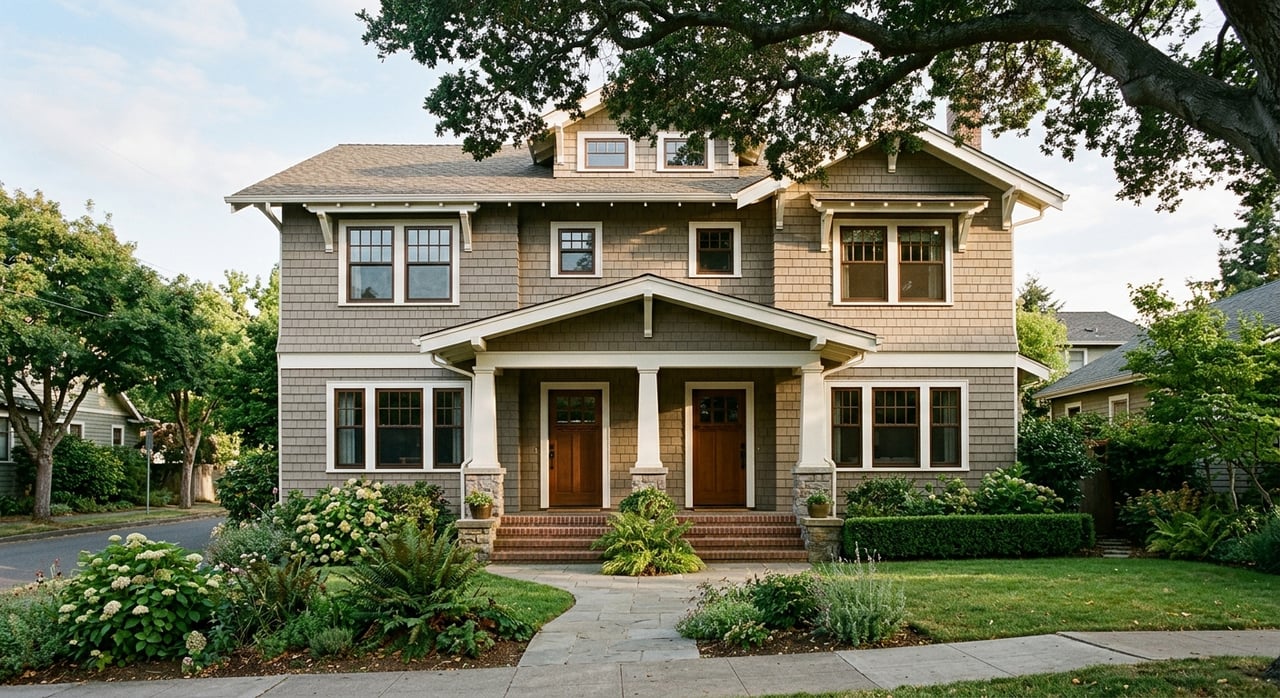
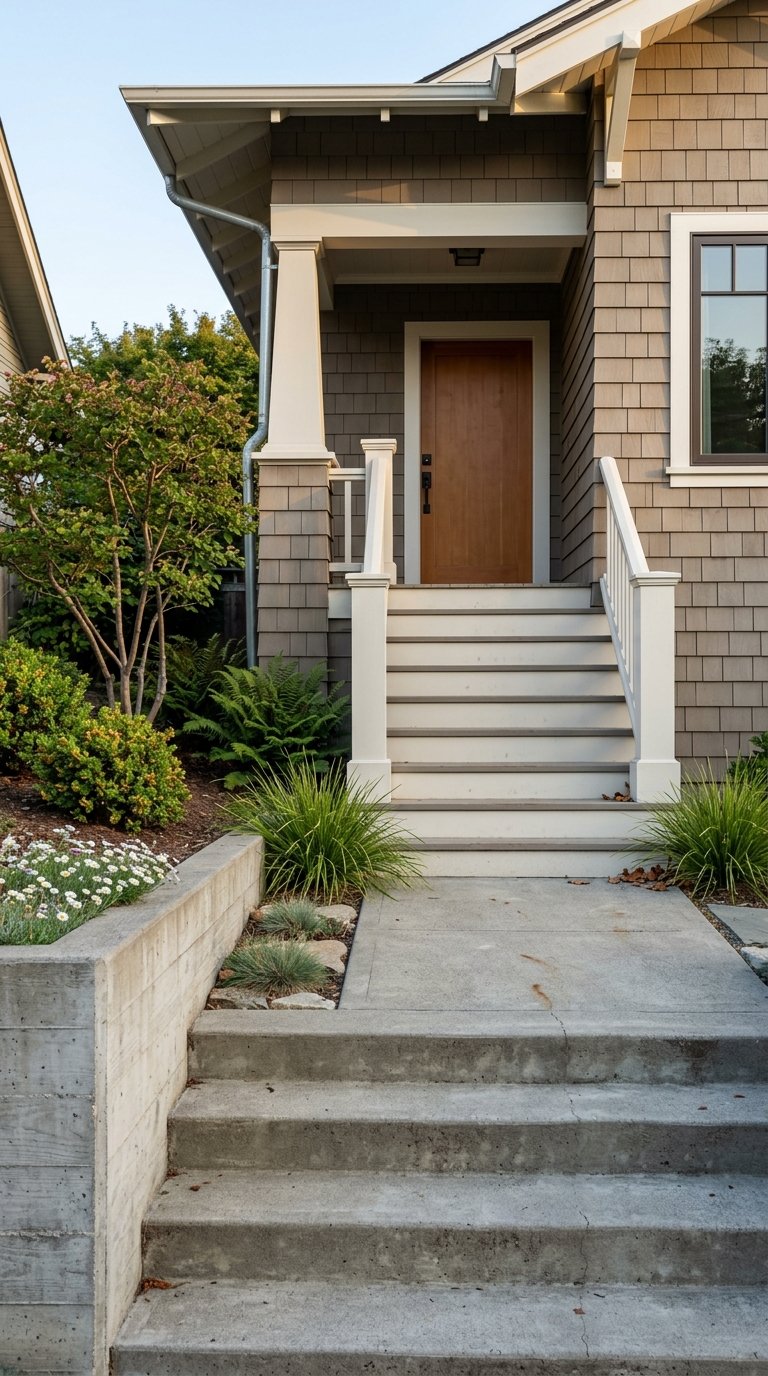
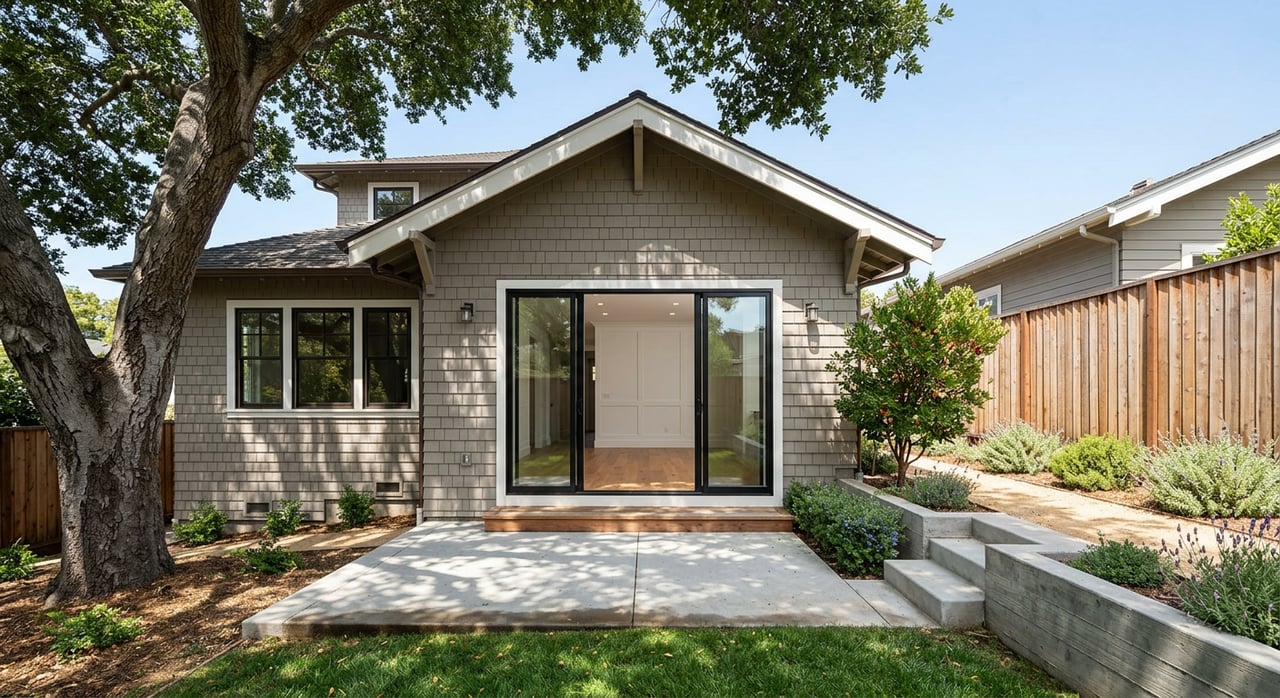
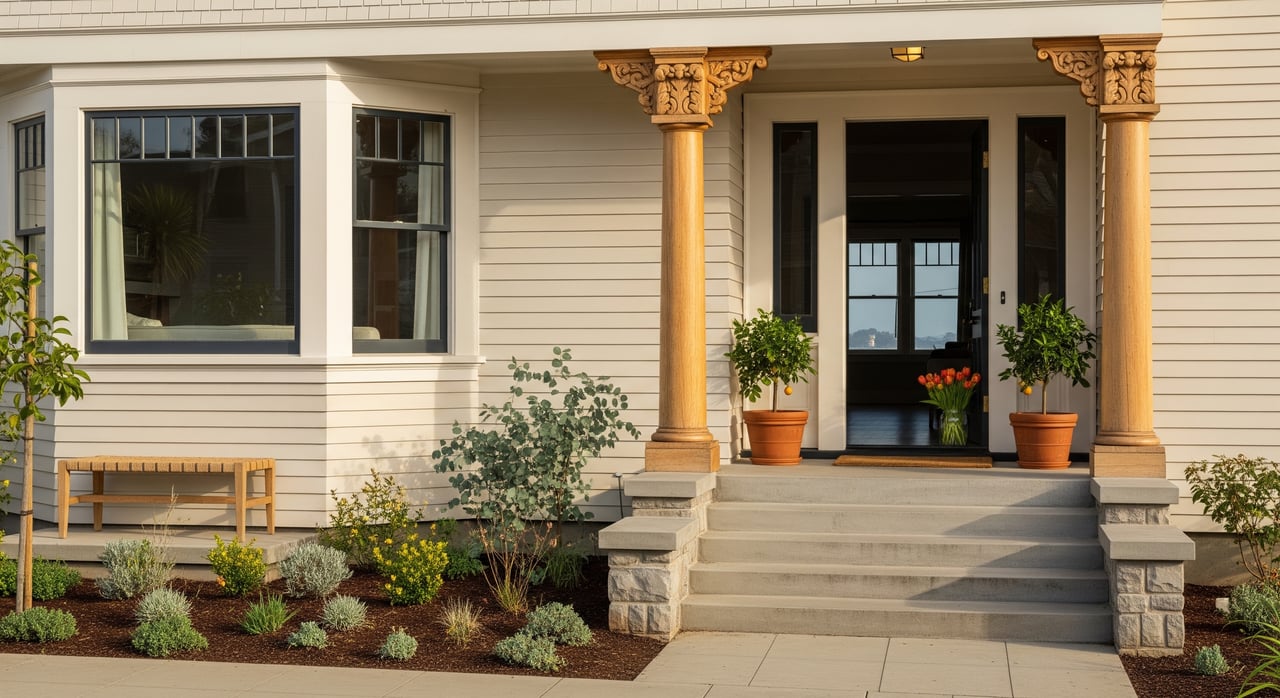
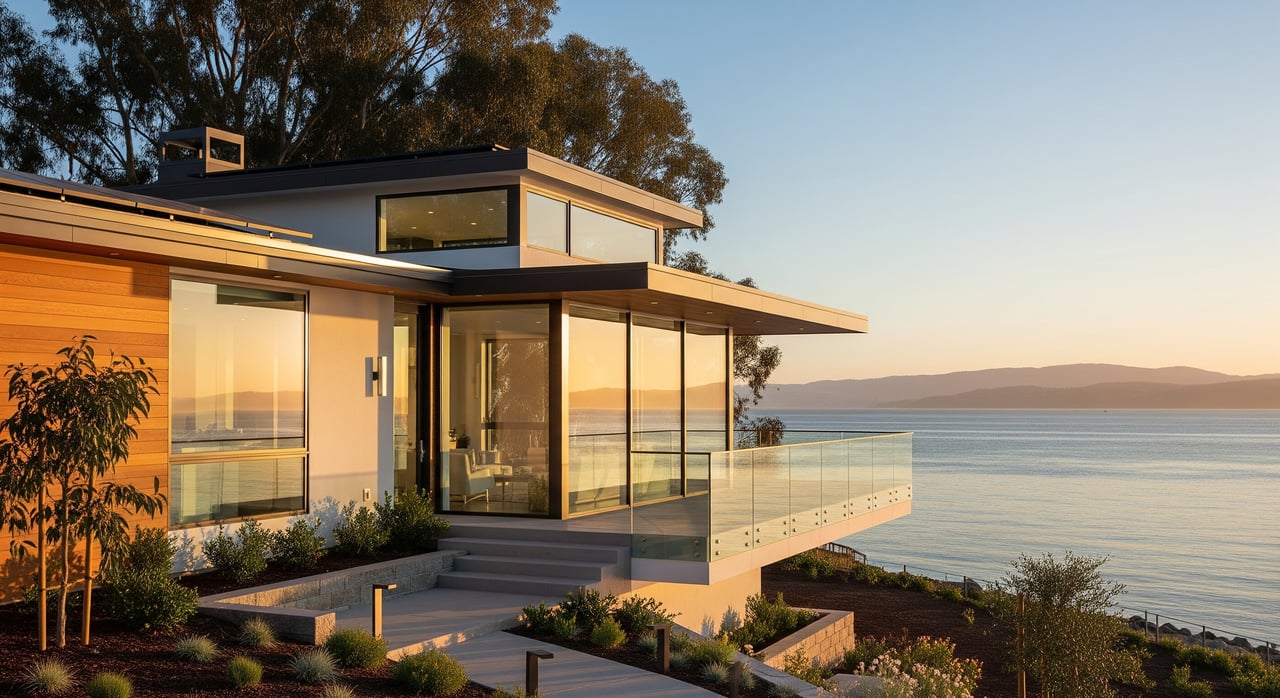
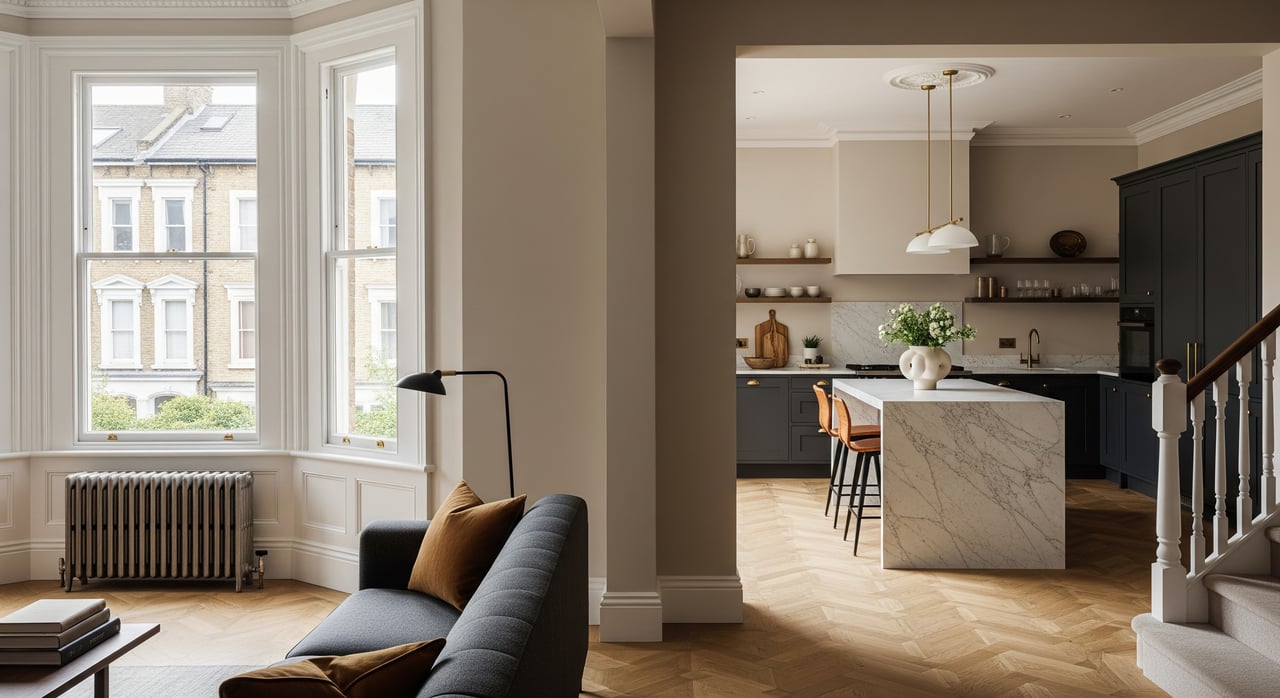
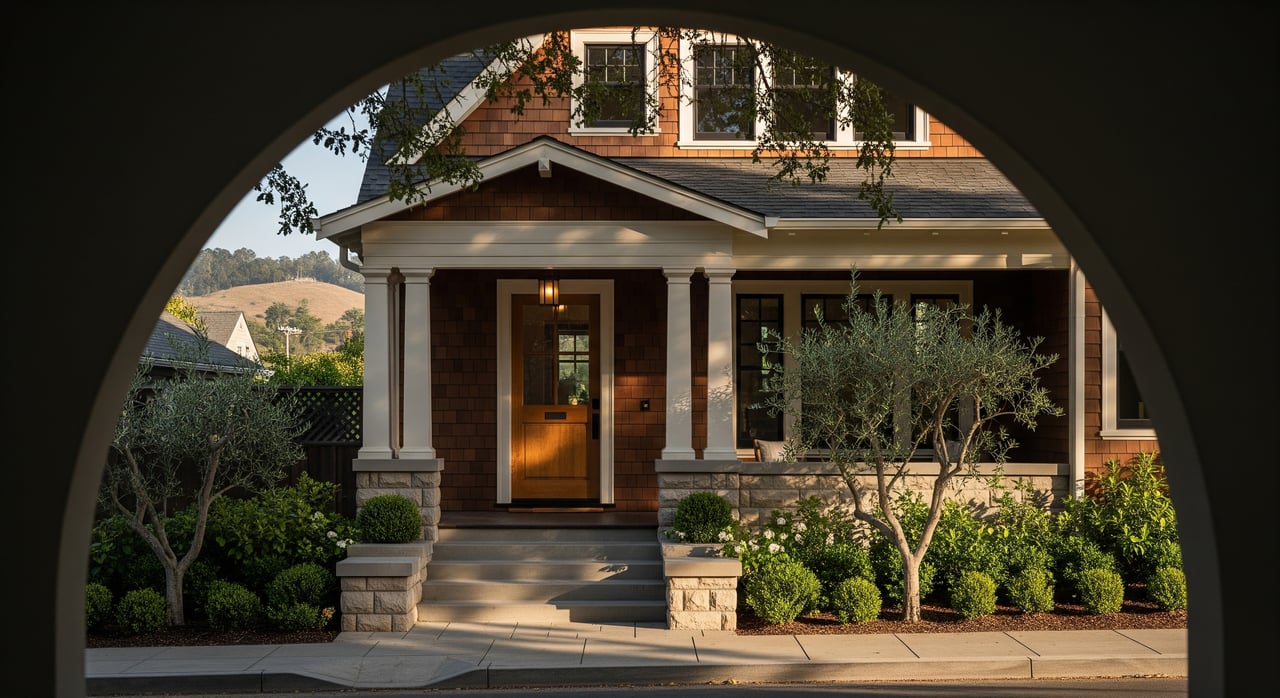
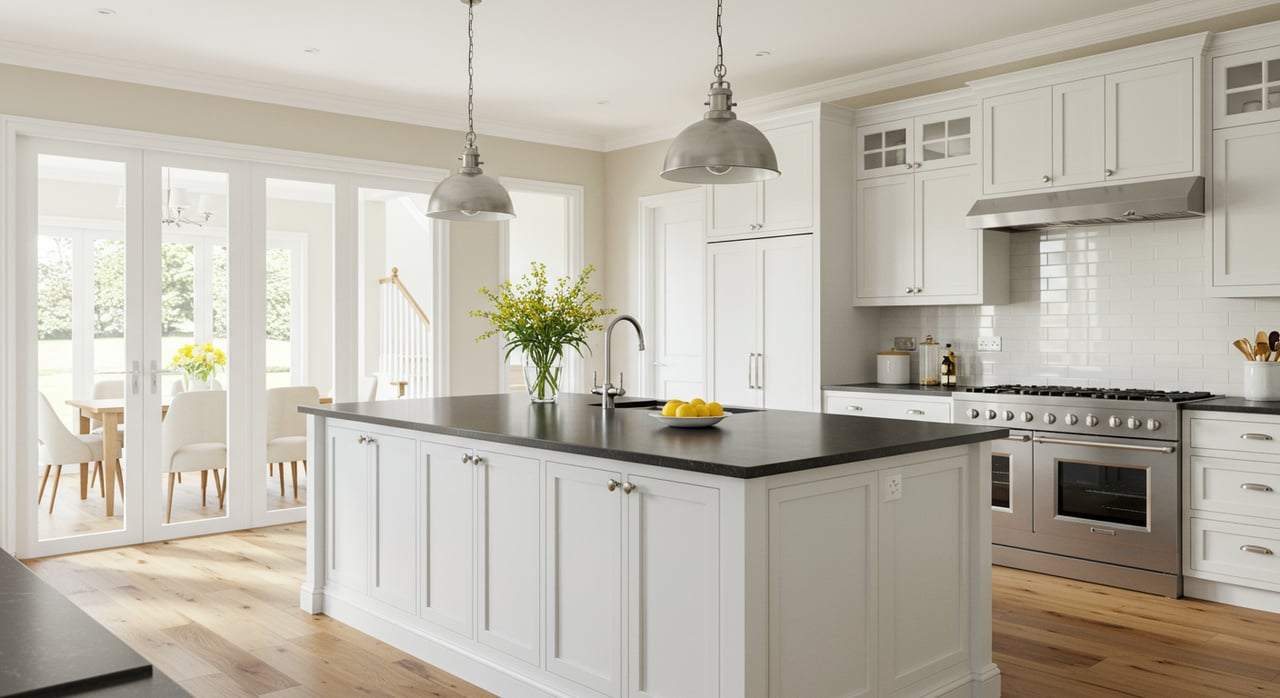
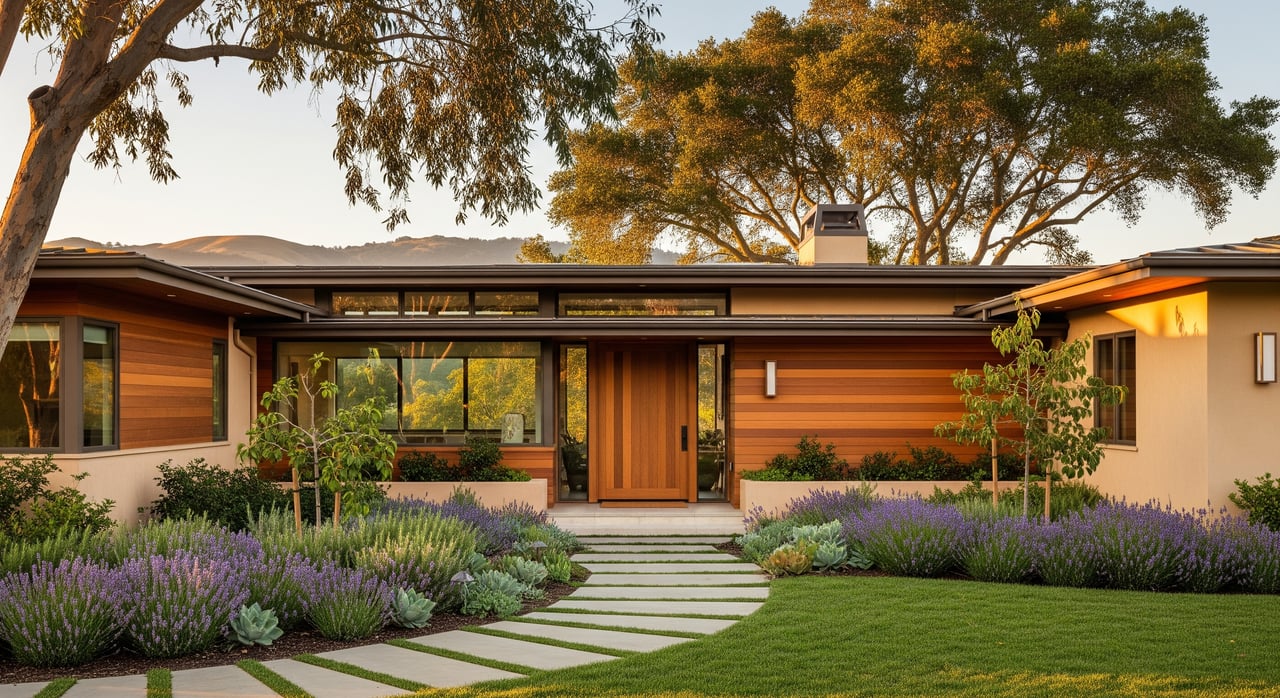
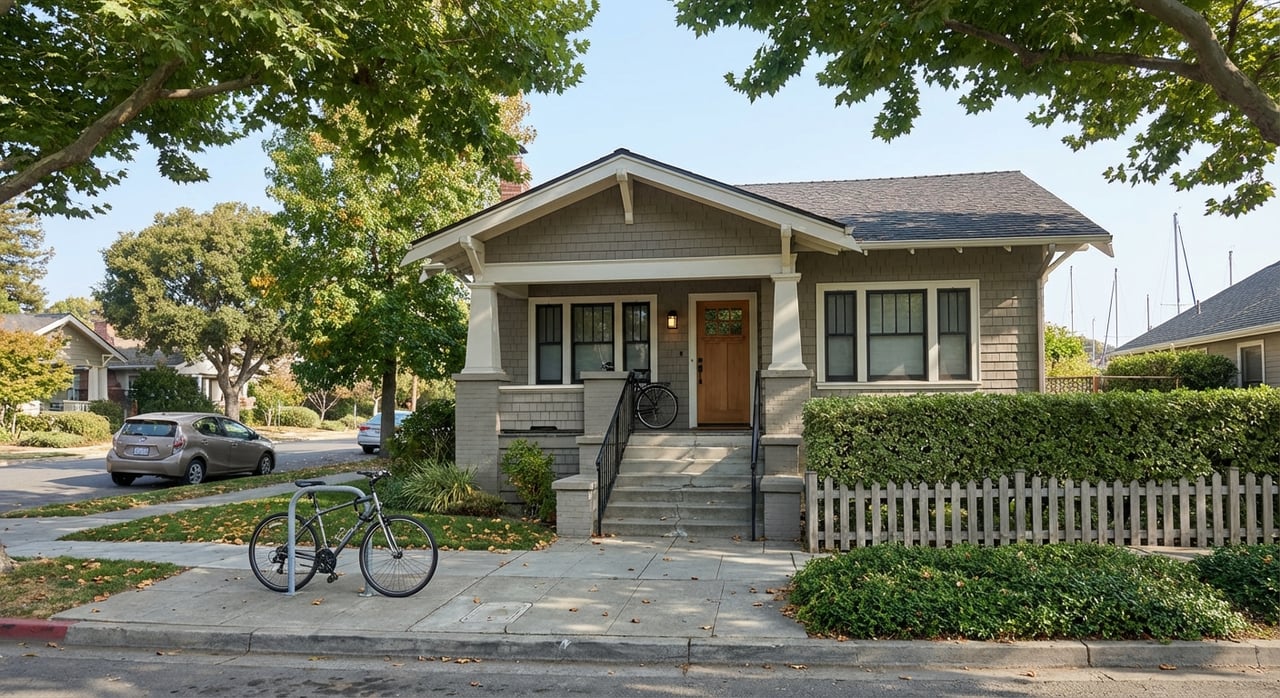
Housing in Alameda spans historic Victorians and Craftsman homes near Park Street, classic bungalows and mid-century ranches across the island, and newer condos and townhomes, including units tied to Alameda Point’s redevelopment. If you love preserved storefronts and period details, Park Street’s historic district hints at the architectural character you’ll find in nearby neighborhoods. For a quick sense of that character, see the Park Street Historic Commercial District overview.
For price context, Census data shows a median owner-occupied value around 1.2 million dollars and median gross rent roughly 2,300 to 2,500 dollars for 2019 to 2023. Markets move quickly, so you should confirm live pricing before making decisions. You can reference baseline data on Census QuickFacts, then pair it with current listings and recent sales.
If you’re drawn to new construction, Alameda Point’s Site A will continue to add homes across multiple phases, along with waterfront parks and streets that expand walkable choices on the West End. Expect a range of for-sale and for-rent options as buildout continues, which can be a fit if you want modern finishes and lower maintenance near the water. For planning context, check Alameda Point Site A development materials.
Is Alameda a fit for you?
- You value walkable streets, independent shops, and a calm, coastal pace.
- You want multiple commute options, especially ferries or short links to BART and Oakland International Airport.
- You like the choice between historic homes with character and newer, low-maintenance buildings.
- You plan to use parks and trails often, from beach days to bike commutes.
If that sounds right, Alameda offers a compelling mix of island lifestyle and real-world convenience.
Next steps
Thinking about a move, a sale, or an investment on the island? You deserve a trusted local who blends design-forward preparation with clear market guidance. Reach out to Annie Tegner for neighborhood-specific insights, tailored property searches, and a plan for buying, selling, or managing your East Bay home.
FAQs
Is there a BART station in Alameda?
- No. Alameda has no BART station. Most riders connect via Fruitvale or West Oakland stations by car, bike, or AC Transit bus. Check current routes and schedules before you plan your commute.
How long is the ferry ride from Alameda to San Francisco?
- The Seaplane Lagoon route was marketed as under 20 minutes to downtown San Francisco, and ridership has grown quickly. Travel times vary by terminal and schedule, so confirm details with the operator before commuting.
What are typical home prices or rents in Alameda?
- Census QuickFacts shows a median owner-occupied value around 1.2 million dollars and median gross rent about 2,300 to 2,500 dollars for 2019 to 2023. These are baselines. Always check current sales and rental data for a live view. See Census QuickFacts for the latest federal estimates.
What is living on Bay Farm Island like?
- Bay Farm Island has planned neighborhoods, paths, parks, and a quieter residential feel than the main island, plus convenient access to the Harbor Bay ferry and Oakland International Airport.
What are the top outdoor spots in Alameda?
- Crown Memorial State Beach with the Crab Cove Visitor Center, the Cross Alameda Trail for low-stress biking, Jean Sweeney Open Space Park for family play, and new waterfront parks around Seaplane Lagoon on the West End.