Eyeing a classic North Oakland flat and wondering if it’s a TIC or a condo? You are not alone. In NOBE, both options show up, and each one affects your financing, risk, resale, and day-to-day ownership. This guide breaks down what matters most so you can choose with confidence. Let’s dive in.
TIC vs. condo basics in NOBE
Condo
- You own your individual unit plus a share of the common areas. Your ownership is recorded as a separate condo parcel.
- A homeowners association manages budgets, rules, and maintenance through CC&Rs and bylaws.
- California’s Davis-Stirling Act sets governance standards, and many condo projects can qualify for FHA or VA when they meet program rules.
Tenancy in Common (TIC)
- You own a fractional interest in the whole property, not a separately deeded unit. A private TIC agreement assigns which unit you occupy and how costs are split.
- There is no required HOA. The TIC agreement governs operations, budgets, and dispute resolution.
- Structures vary. Some TICs are simple co-ownerships. Others use entities like LLCs or trusts to manage transfers and liability.
Why it matters
- Title: Condos are individually deeded. TICs are fractional ownership. This affects financing, resale, and taxes.
- Governance: Condos follow statutory HOA practices. TICs rely on the contract quality and owner cooperation.
- Buyer experience: Condos feel more standardized. TICs can offer lower prices with added complexity.
Financing in North Oakland
Condos: wider loan choices
- Financing is more standardized and widely available for condos.
- Approved condo projects may allow lower down payment options, including some conventional loans with 3 to 5 percent down or FHA at 3.5 percent if the project qualifies.
- Lenders underwrite both you and the project. Expect HOA document review.
TICs: specialty lending and larger down
- Financing is more limited and customized. Some local banks, credit unions, and specialty lenders will do TIC loans.
- Down payments are often higher, commonly 20 to 30 percent or more, with stricter credit and debt-to-income requirements.
- Loan structure matters. Some TICs have a single shared mortgage, which can create joint liability. Others allow separate mortgages secured by each owner’s fractional interest.
Insurance and liability
Condos
- The HOA typically carries a master policy for the building and common areas. You usually carry an HO-6 policy for interior finishes, personal property, and liability.
- Ask what the master policy covers and confirm deductibles.
TICs
- Coverage depends on the TIC agreement. There may be a shared master policy, or each owner may need individual property and liability policies.
- If there is a joint mortgage, one owner’s default can create shared risk. Review cross-default language carefully.
Taxes, tenant laws, and conversions
- Alameda County administers property taxes. Transfers can trigger reassessment under Proposition 13 depending on how the transfer is structured.
- Converting buildings between TIC and condo can have tax effects and may trigger reassessment. Consult appropriate professionals before planning conversions.
- Oakland and Berkeley have strong tenant-protection and rent-control laws that affect conversions and owner move-ins. Rules can require notices, relocation assistance, and specific procedures through city planning and rent boards.
Resale and exit strategy
- Condos usually have broader buyer pools, simpler financing, and more familiar governance, which can support easier resale.
- TICs often sell to a smaller buyer set using specialty financing or cash. That can mean lower prices or longer market times in some cases.
- TIC agreements often include right-of-first-refusal and other transfer provisions. Know what approvals are required before you list or buy.
Governance and reserves
Condos
- HOAs follow formal rules with meeting minutes, budgets, and often reserve studies. You can review CC&Rs, bylaws, financials, and assessment history in escrow.
TICs
- Operations and reserves depend on the agreement and the owners. Some TICs are well run with clear budgets. Others rely on special assessments when big repairs arise.
- Ask about reserve targets, assessment history, and dispute resolution procedures.
What to inspect and verify
Use this checklist before you write an offer:
- Title and structure: Recorded deeds confirming condo or fractional TIC interest, the full TIC agreement or condo CC&Rs and bylaws, and any amendments.
- Financing: Which lenders will finance this property type and what down payment is typical. For TICs, confirm shared versus separate mortgages.
- Liability: Cross-default and joint-and-several liability language if a mortgage is shared.
- Financials: Operating budgets, reserve studies, assessment history, and any planned special assessments.
- Insurance: Master policy terms, coverage scope, and deductibles. Confirm your required policy type.
- Tenants and local law: Any current leases, rent-control status, and compliance with Oakland or Berkeley tenant-protection rules.
- Exit rights: Sale approval thresholds, right-of-first-refusal clauses, and buyout formulas in TICs.
- Building condition: Structural, roof, plumbing, electrical, and seismic considerations. Many NOBE buildings predate modern seismic codes. Review permits for past work.
- Legal and compliance: Prior conversion permits, certificates of occupancy, and code compliance records.
How to choose: a quick guide
Choose a condo if you want:
- Broader financing options and potentially lower minimum down payment.
- Statutory HOA governance and more standardized disclosures.
- A wider future buyer pool that may support easier resale.
Consider a TIC if you want:
- A potentially lower purchase price in a desirable location and building type.
- A small, older multi-unit building that has not been subdivided.
- Flexibility to tailor co-ownership terms, and you are comfortable with added contract and financing complexity.
NOBE building types and where to look
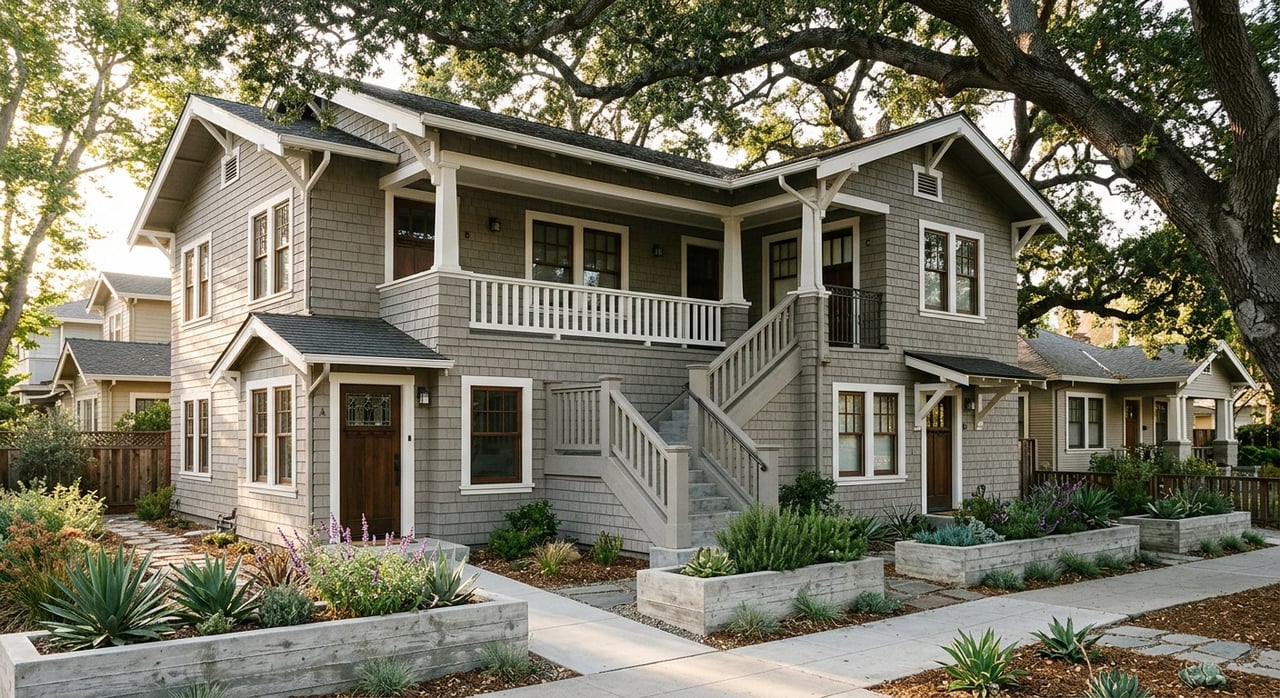
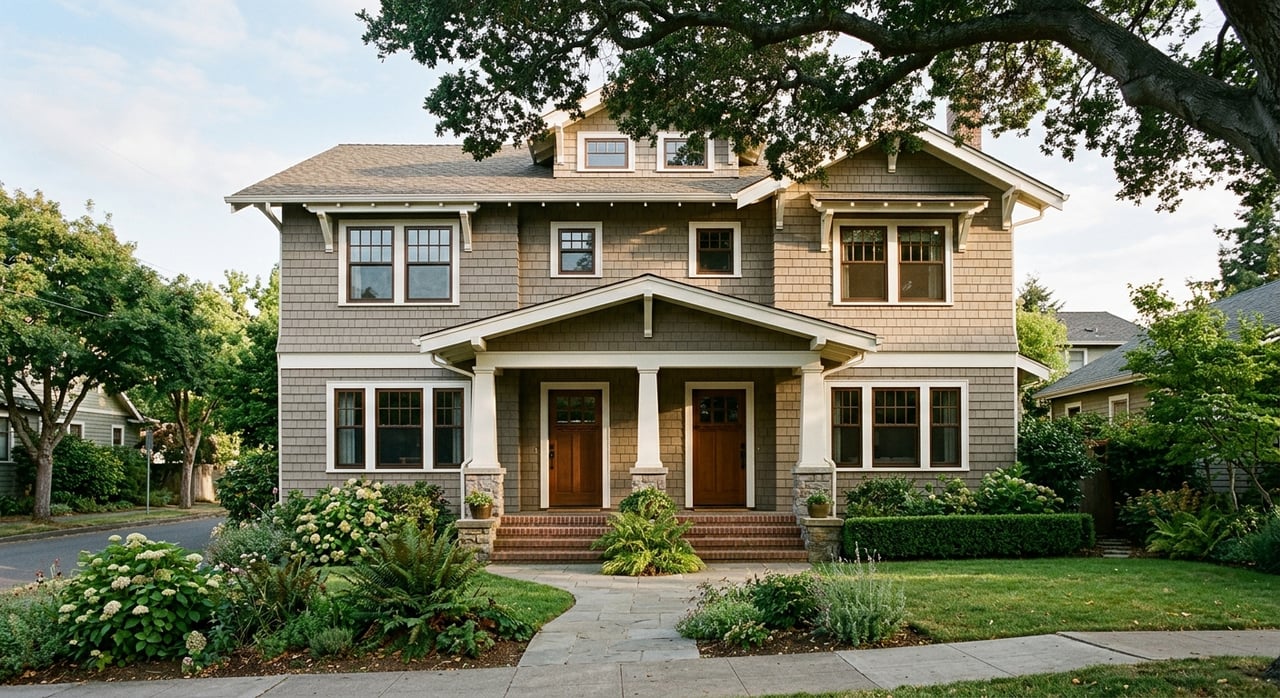
- Building stock: You will find Victorian flats, early to mid-century walk-ups with 2 to 6 units, newer infill, and larger mixed-use or midrise buildings.
- Where TICs appear: Smaller, older multi-unit properties are most likely to be TICs, especially where formal condo maps were never recorded.
- Where condos appear: Purpose-built newer buildings and projects that have completed condo conversions are common in Emeryville and parts of North Oakland.
- Listing cues: Condos usually list HOA dues and a unit number. TICs are labeled tenancy-in-common or co-ownership and may mention special financing.
- Public records: Title reports and the county recorder will show whether a unit is separately deeded as a condo or part of a fractional TIC.
Work with a local guide
Choosing between a TIC and a condo in North Oakland, Berkeley, or Emeryville comes down to your financing, risk tolerance, and long-term plans. With the right preparation, either path can work well. If you want help unpacking documents, sourcing TIC-friendly lenders, and aligning the purchase with your goals, reach out. You will get thorough guidance, clear communication, and neighborhood-rooted expertise from Annie Tegner.
FAQs
Can I use an FHA or VA loan for a TIC in North Oakland?
- FHA and VA programs have standardized approval paths for condos, not TICs, so TICs are often ineligible unless a lender offers a specific solution. Expect more options with approved condos.
What happens if a TIC co-owner defaults on a shared mortgage?
- In a shared mortgage, co-owners can be jointly and severally liable. One default may affect everyone, and foreclosure risk can extend to the entire property. Review cross-default clauses closely.
How do Oakland and Berkeley tenant protections affect buying a multi-unit TIC or condo?
- Strong rent control and eviction rules can require notices, relocation assistance, or limit certain conversions. Always confirm tenant status and local compliance before you offer.
What insurance do I need for a condo in NOBE?
- The HOA usually carries a master policy for common areas and the exterior shell. You typically obtain an HO-6 policy for interior finishes, personal property, loss assessment, and liability.
Are TICs usually cheaper than condos in NOBE?
- TICs can list at lower prices because financing is limited, governance is contract-based, and buyer pools are smaller. The tradeoffs include higher down payments and more complex resale.
How can I tell if a listing is a TIC or a condo?
- Condo listings show HOA dues and a unit number. TIC listings are labeled tenancy-in-common or co-ownership and may mention special financing or fractional interests.
What documents should I review before buying either type?
- Ask for recorded title documents, the TIC agreement or condo CC&Rs and bylaws, meeting minutes, financials, reserve studies, insurance policies, tenant leases, and any conversion or code records.
Do TICs or condos have better reserves?
- Condos often maintain reserves guided by statutory best practices and reserve studies. TIC reserves vary with the agreement and owner discipline, so verify funding and past assessments.