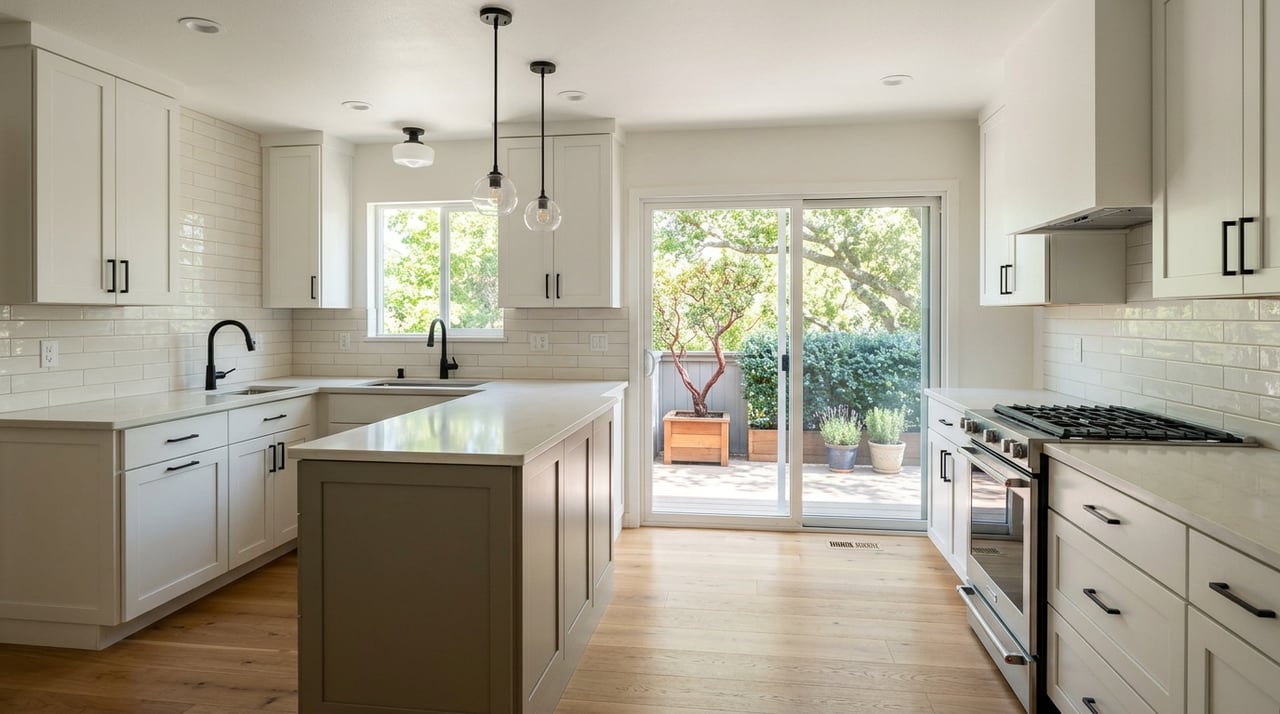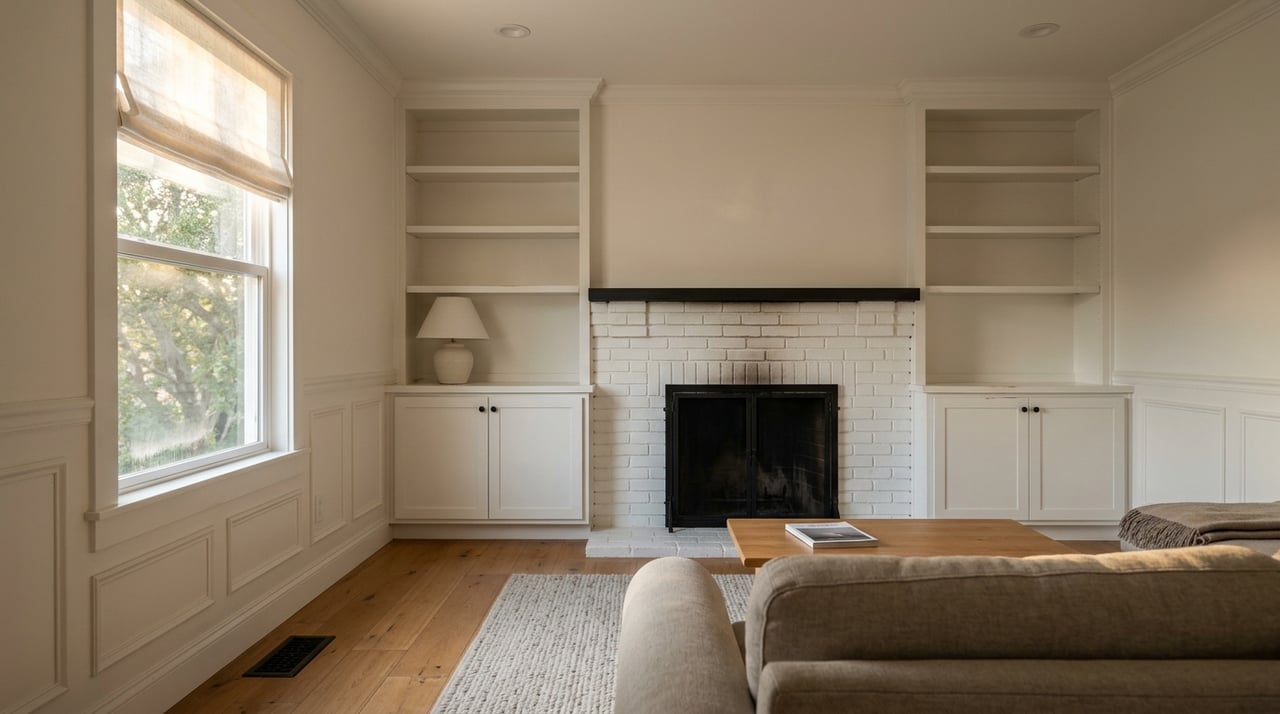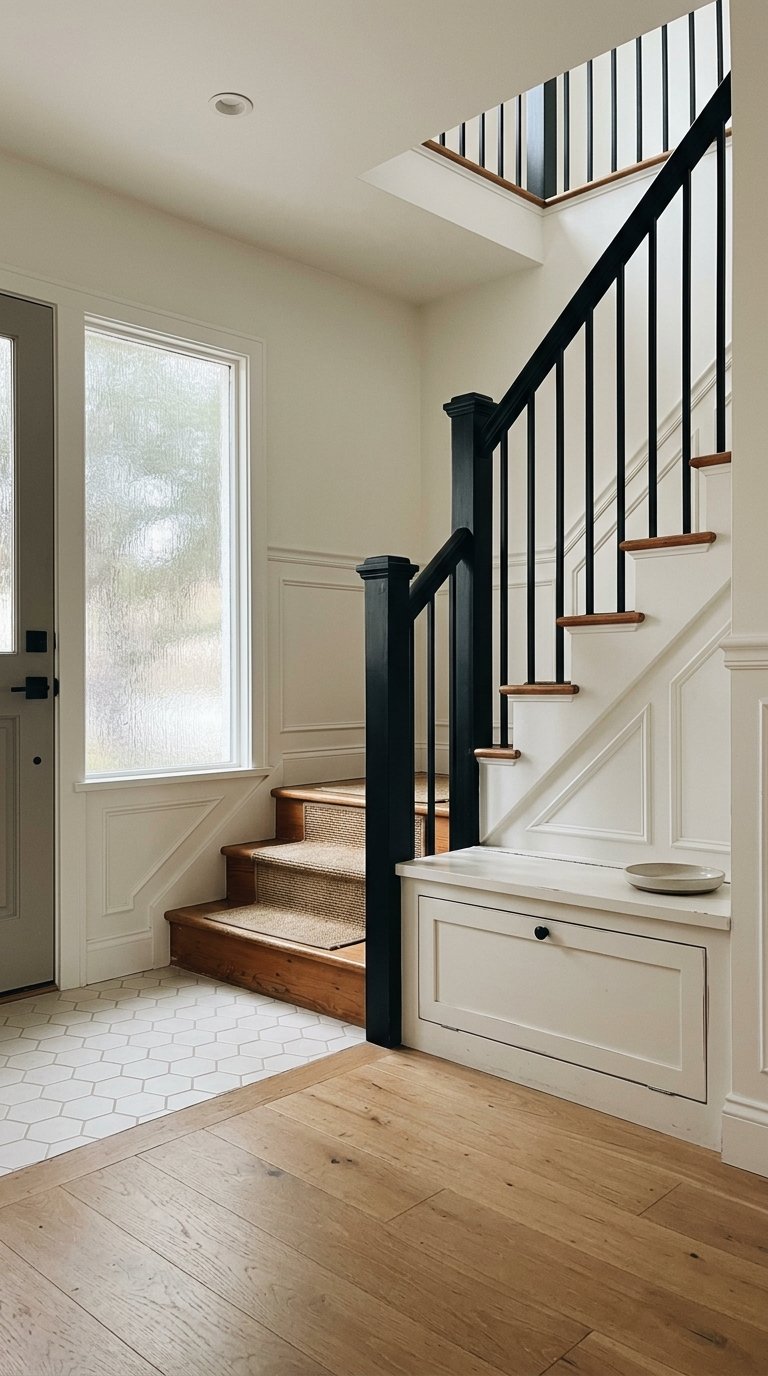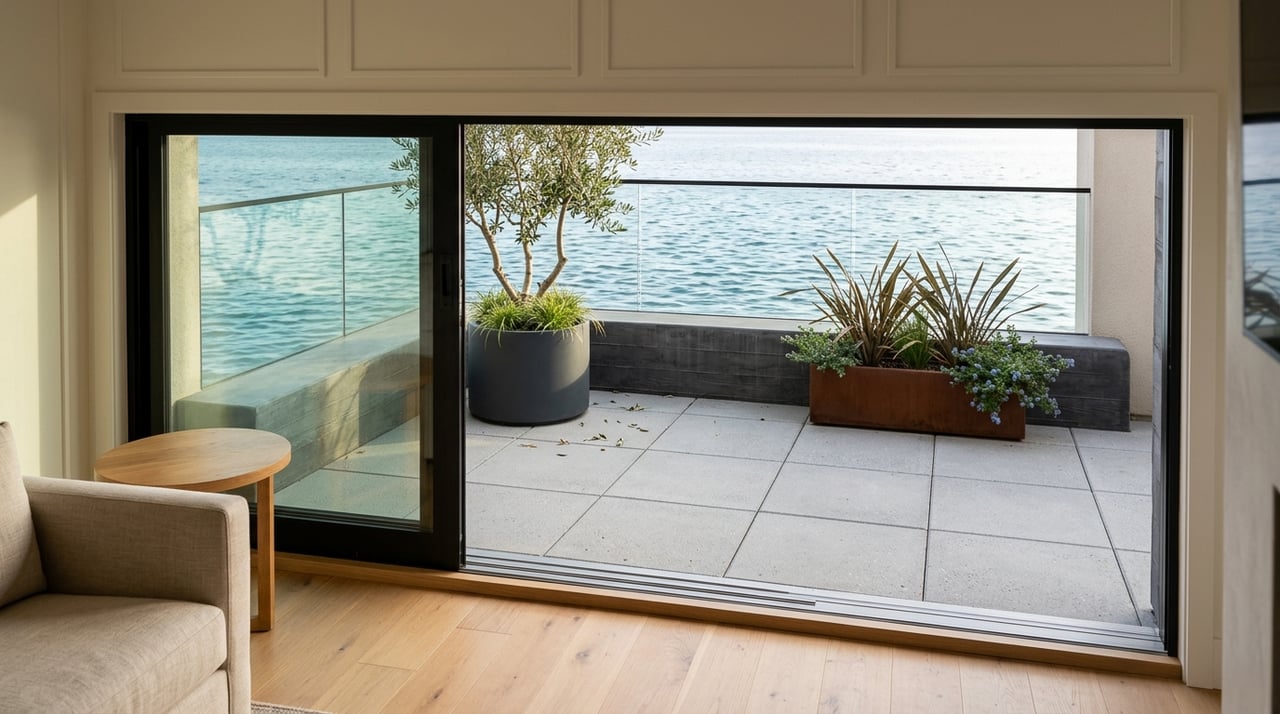
Buying your first home in San Leandro can feel exciting and a little overwhelming. You want the right mix of commute, budget, and day‑to‑day convenience, without guesswork. In this guide, you will learn how the city’s main neighborhoods stack up for first-time buyers, what trade-offs to expect, and practical steps to move forward with confidence. Let’s dive in.
What first-time buyers should expect
San Leandro’s entry-level market typically sits in the low to mid 700s to low 800s for many condos, townhomes, and smaller single‑family homes. Recent market sources show modest year‑over‑year shifts and tight inventory in early 2026, which means you will want to be organized and ready to act. Condos and townhomes closer to transit often have lower total prices but higher price per square foot. Older single‑family homes in the marina and foothills usually have higher overall prices, with more yard and privacy.
If you are comparing options, remember that citywide medians can hide micro‑neighborhood differences. Shortlist homes by bedroom count and property type, then compare by area so you see true like‑for‑like value.
Neighborhood snapshots that fit first-time budgets
Downtown and San Leandro BART
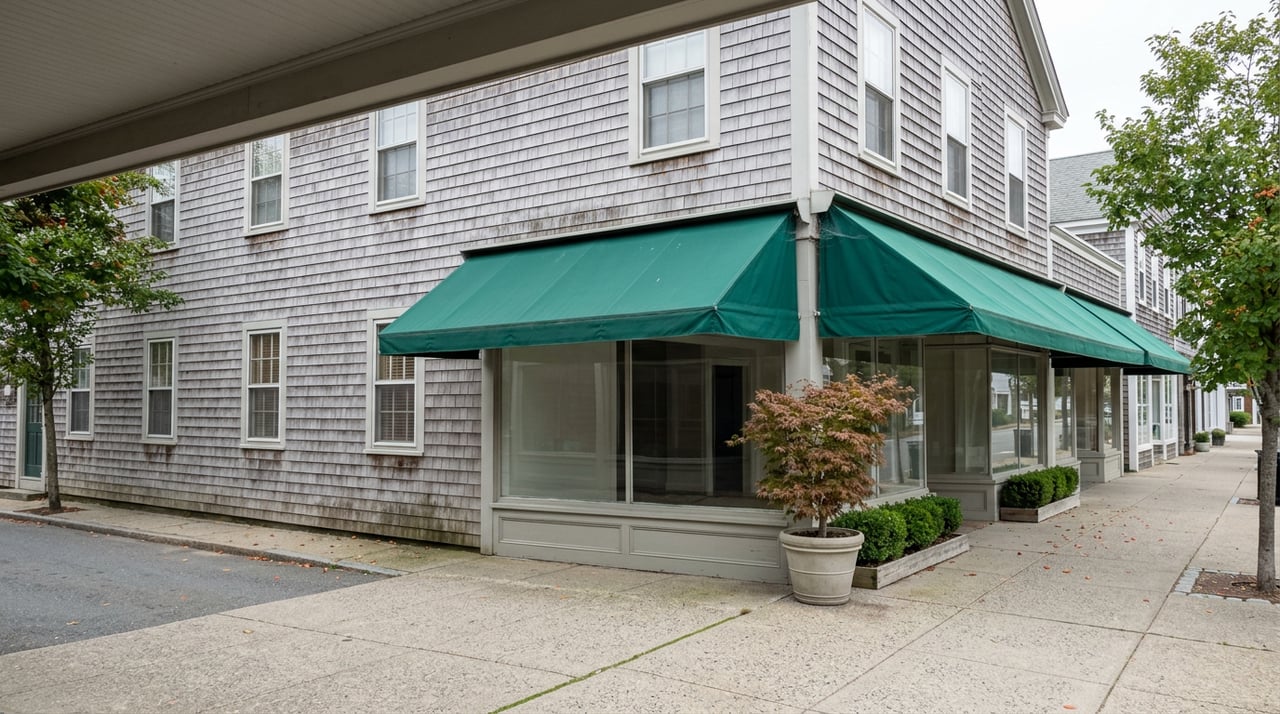
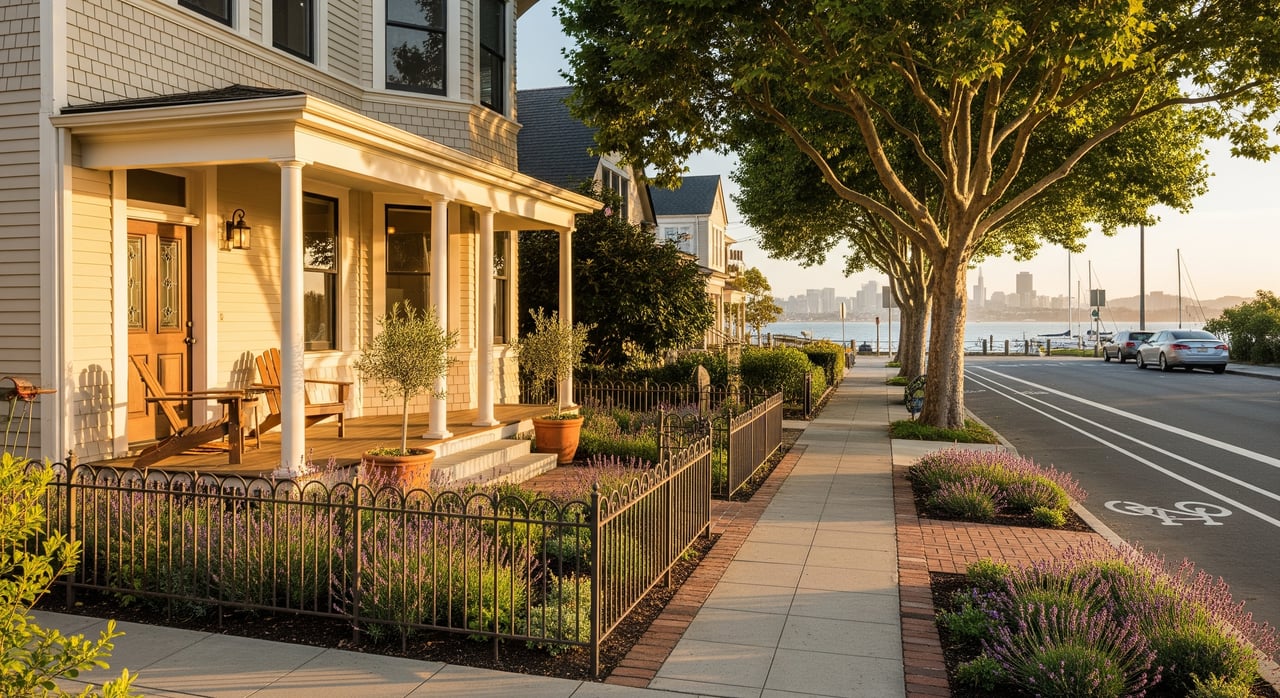
This is the walkable core around the San Leandro BART station. You will find restaurants, everyday services, and a traditional main‑street feel.
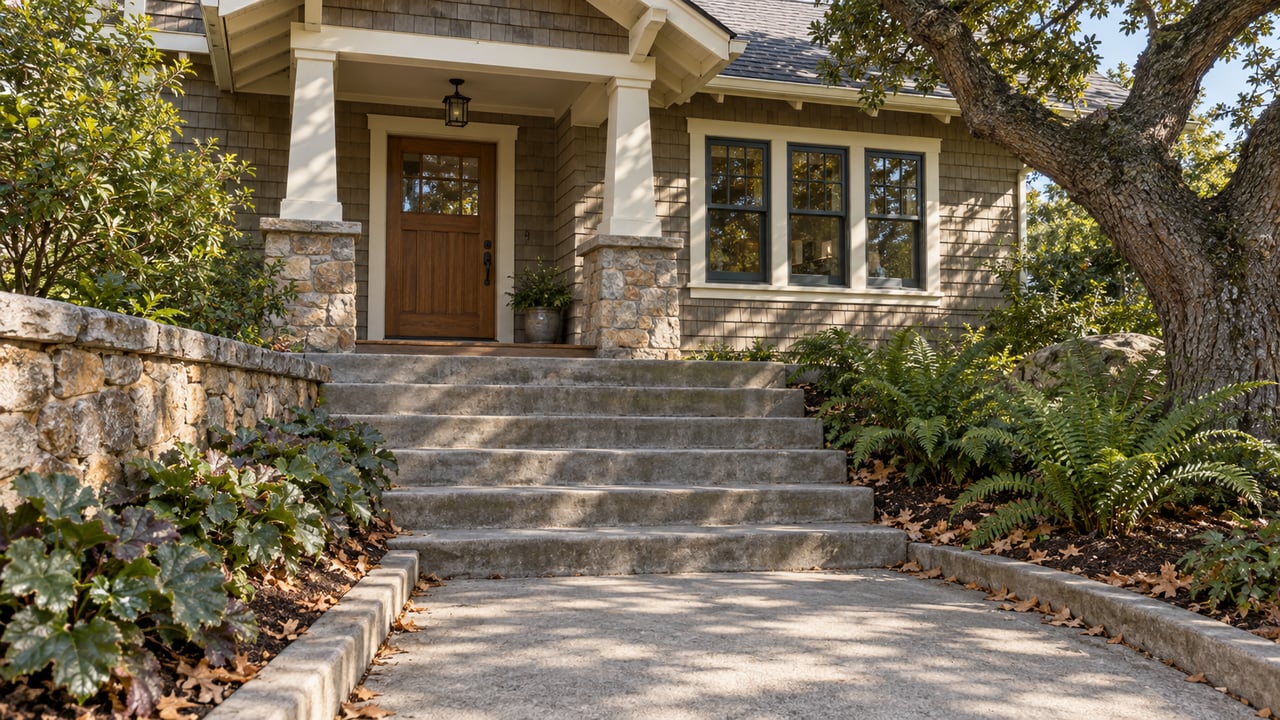
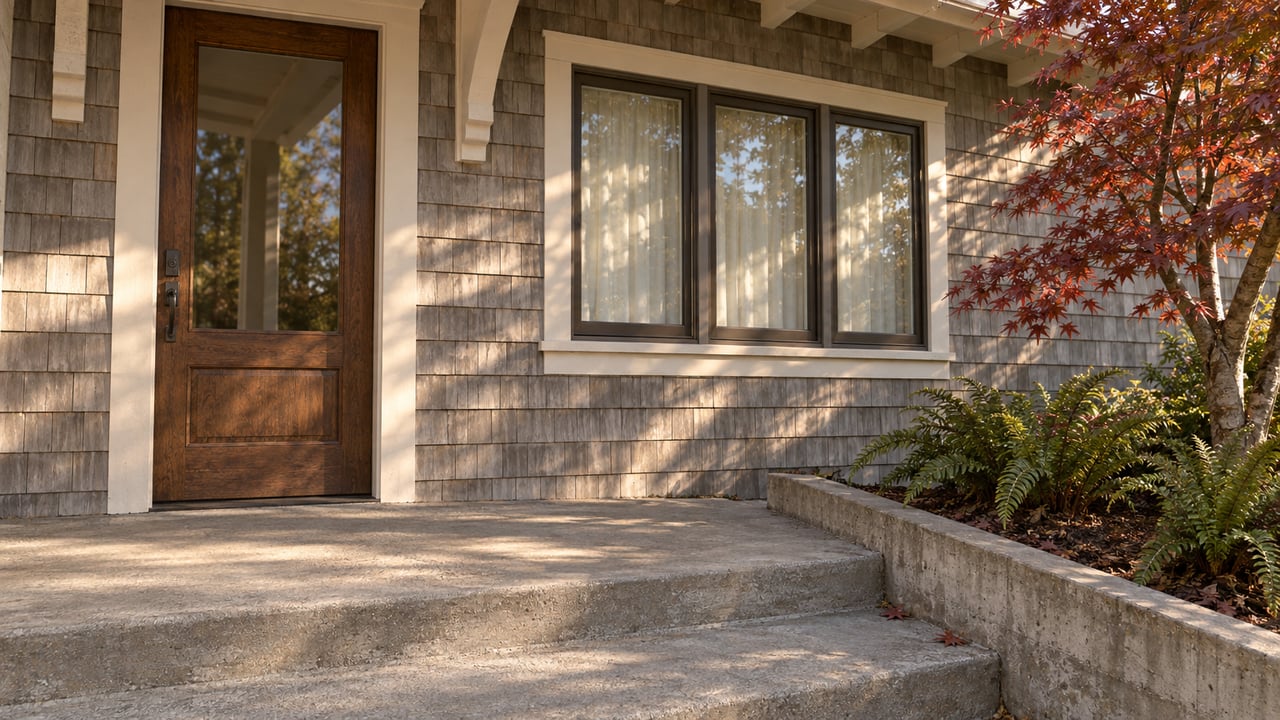
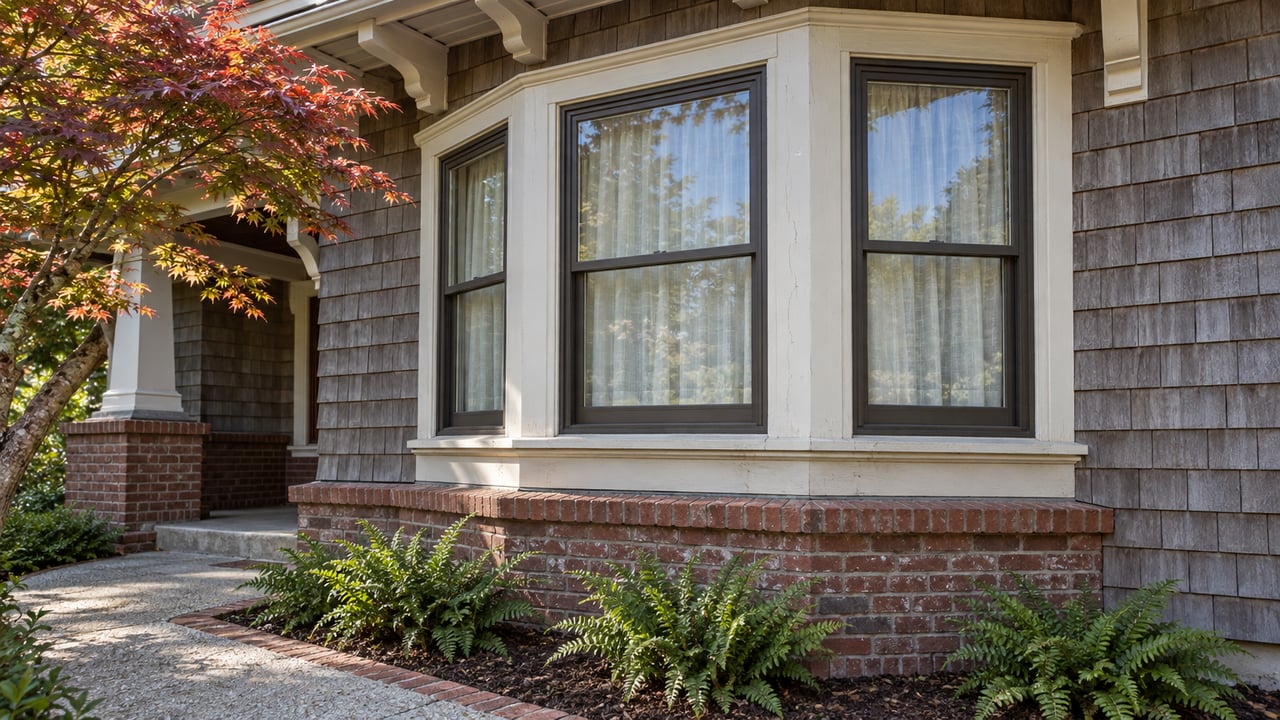
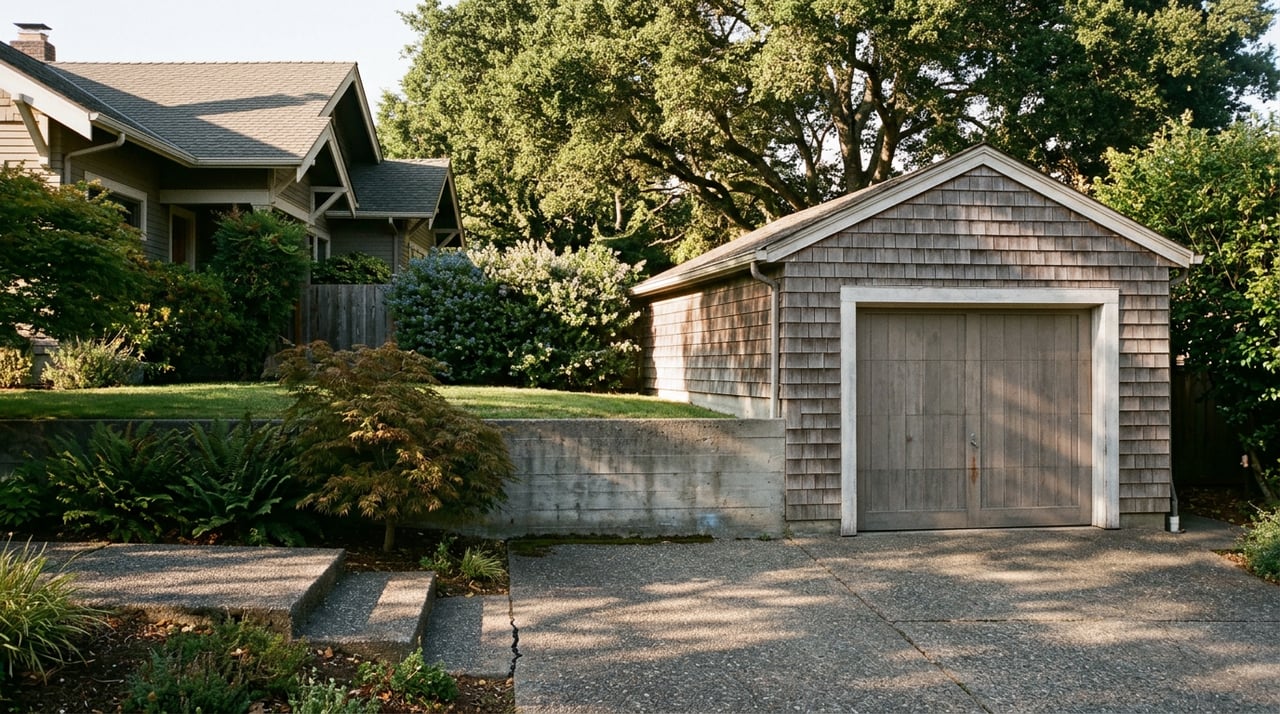
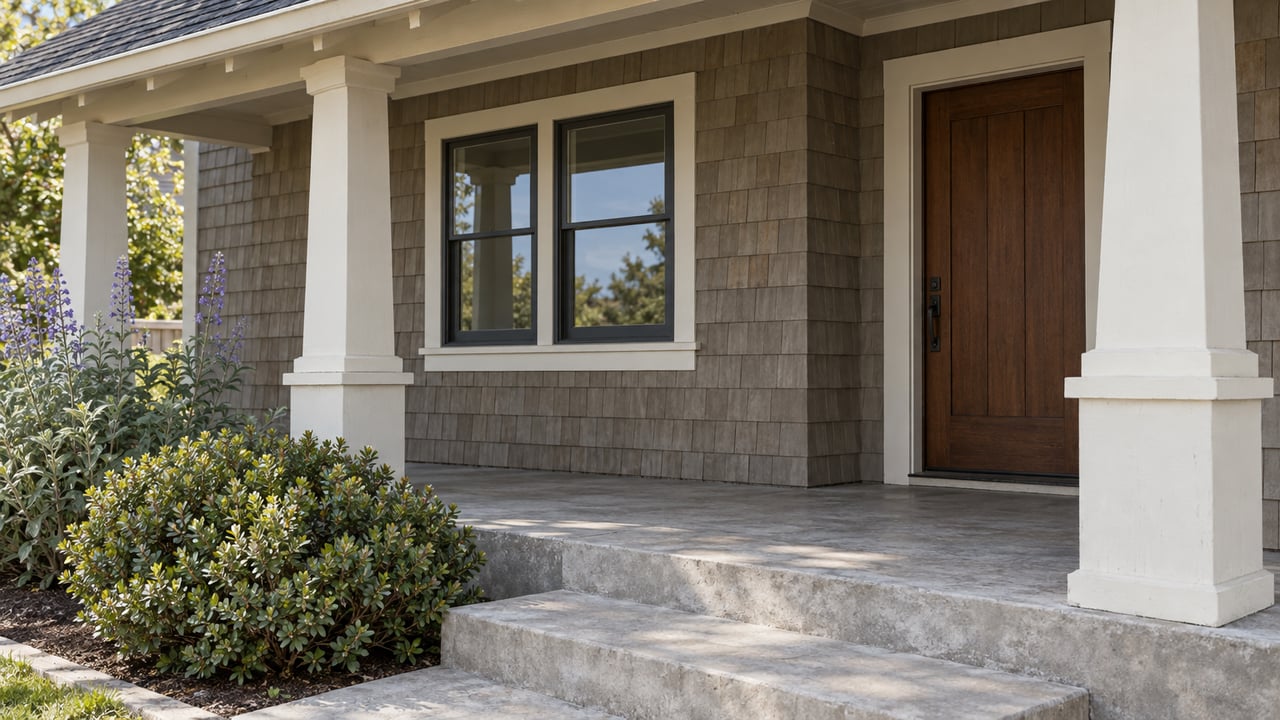
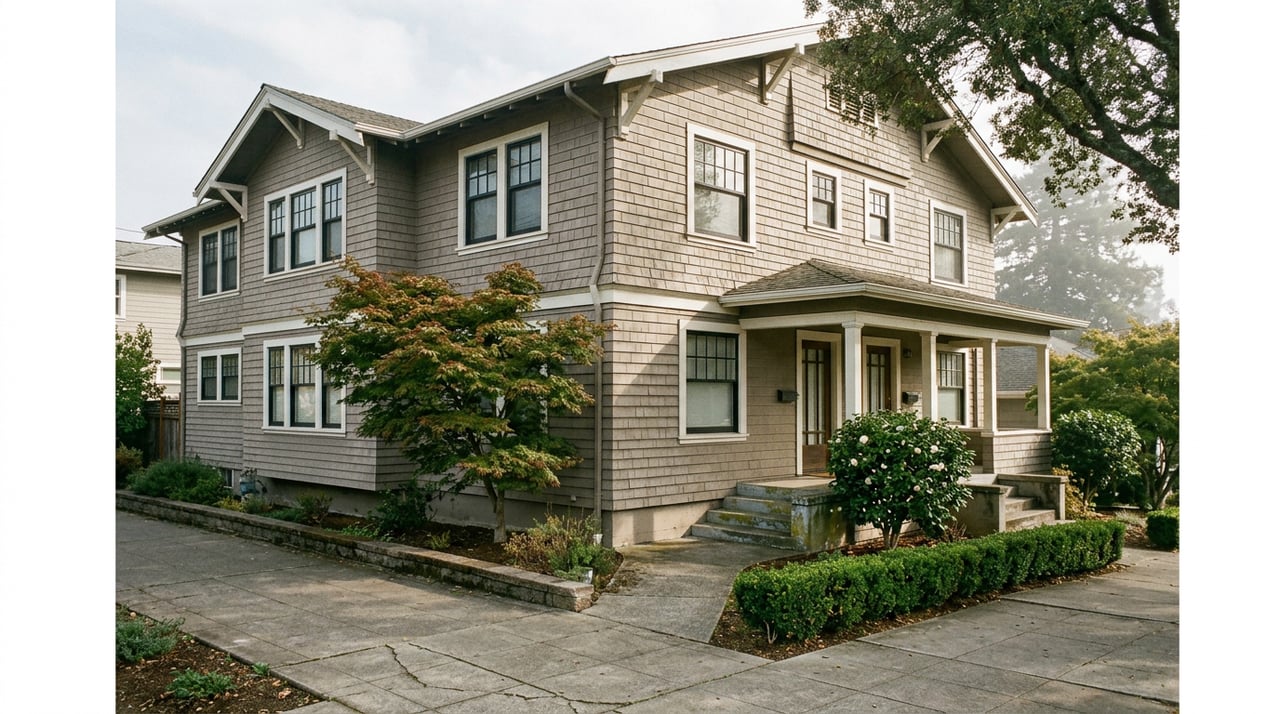
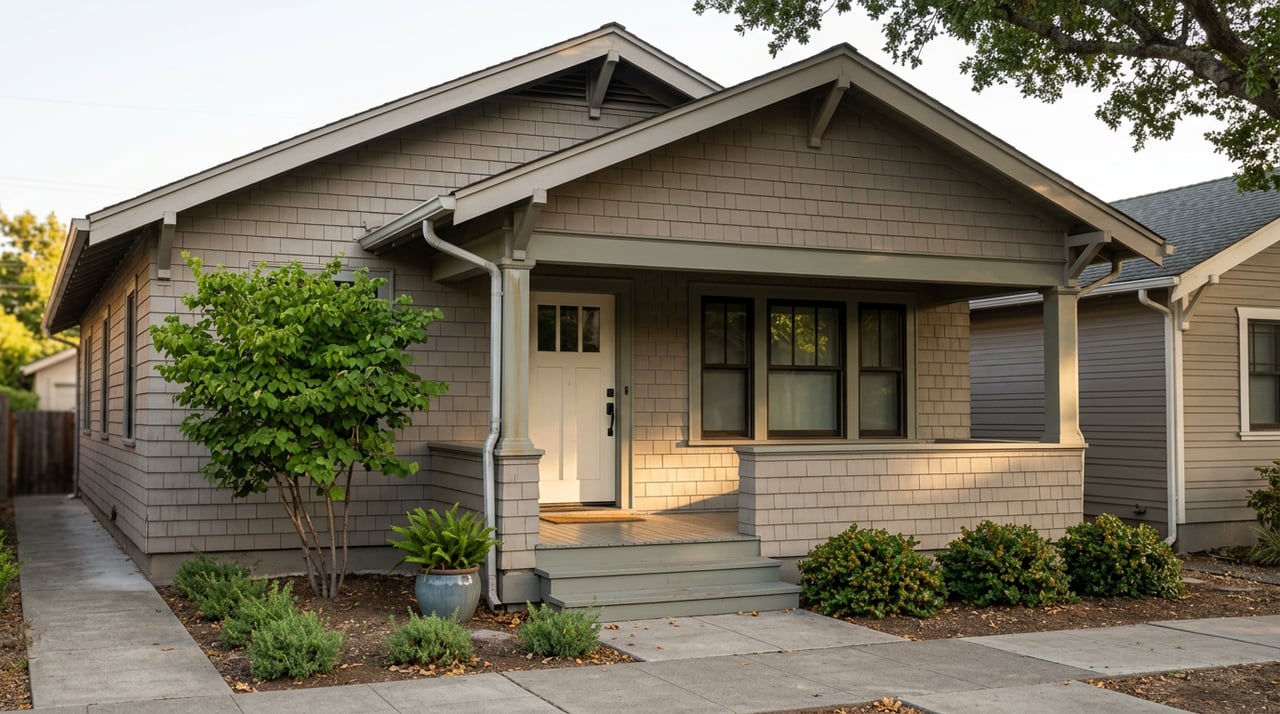
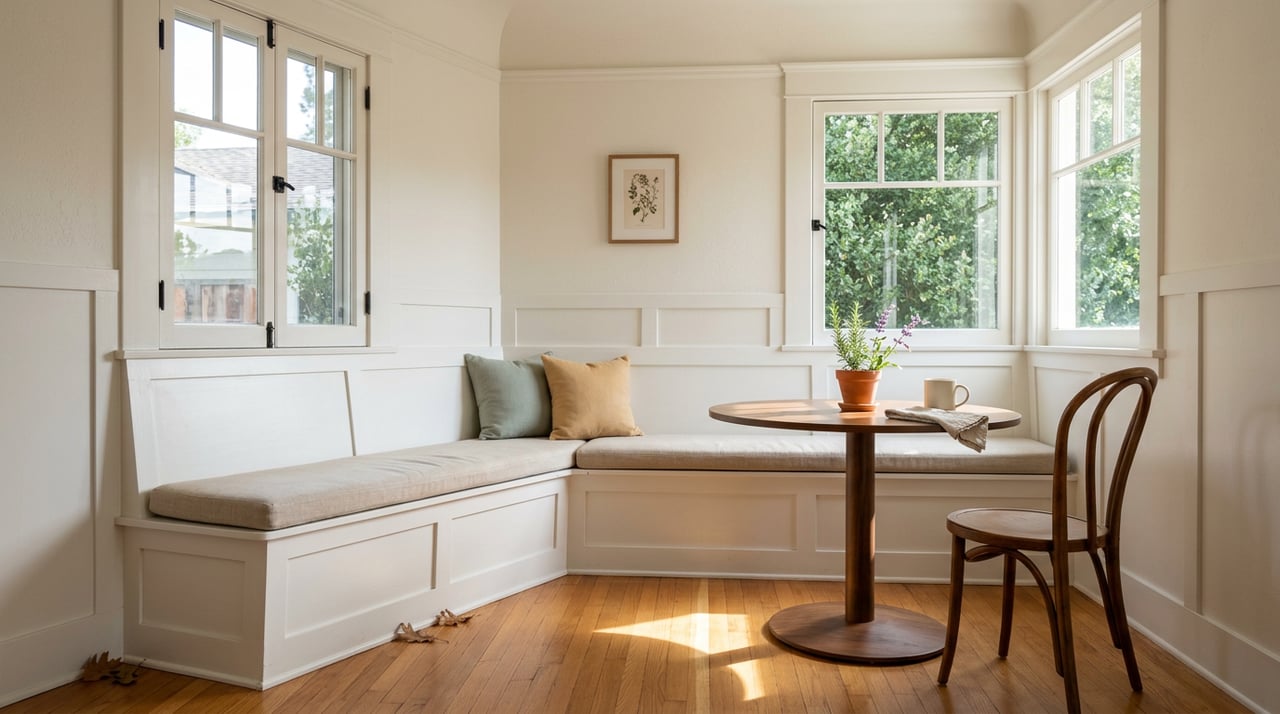
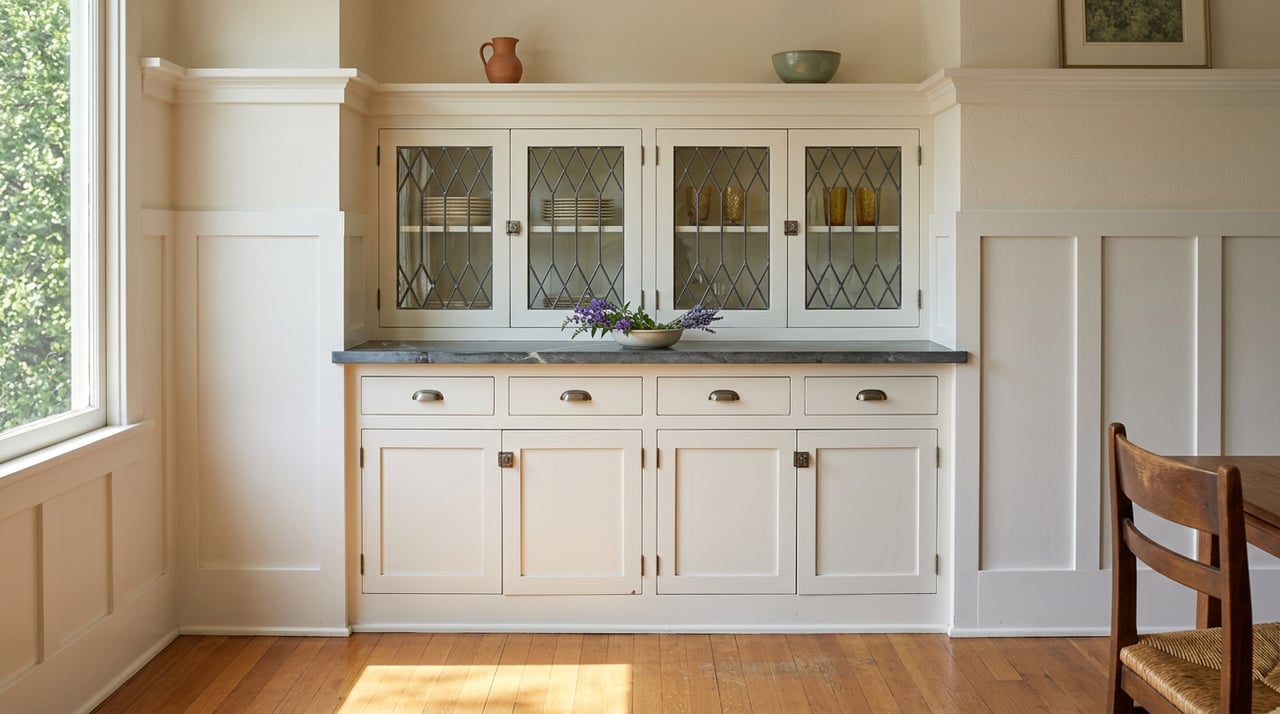
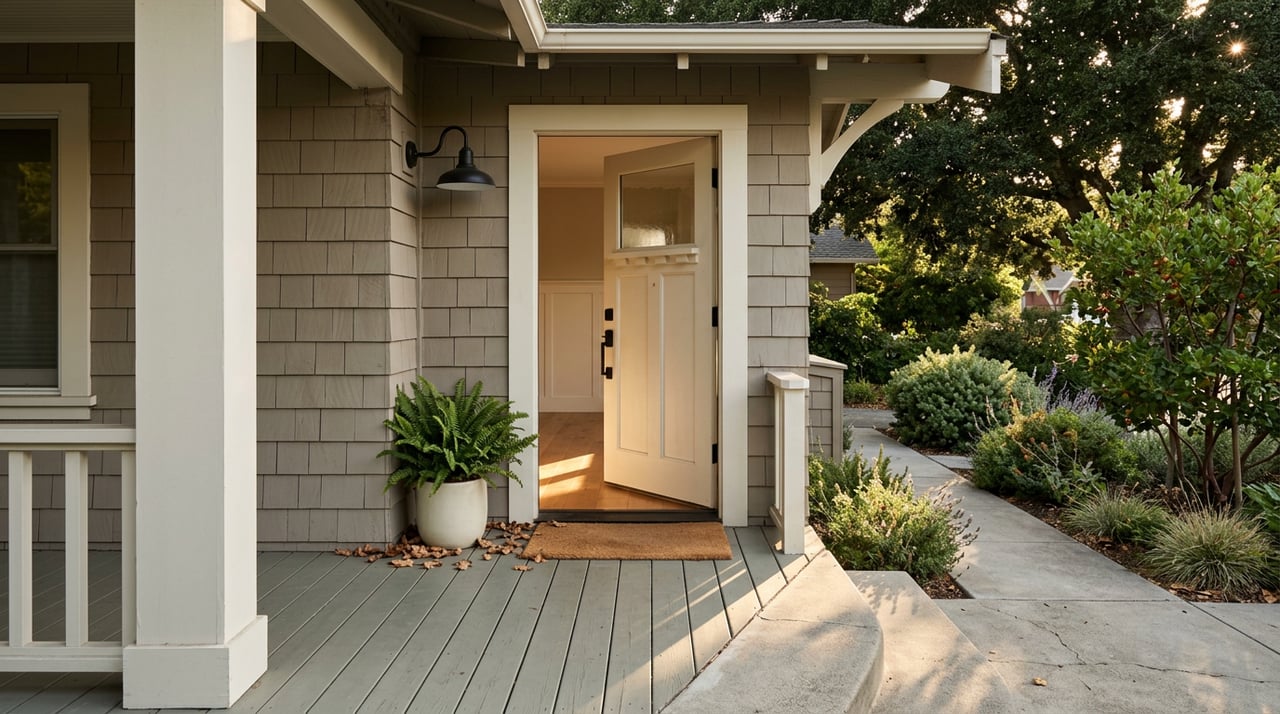
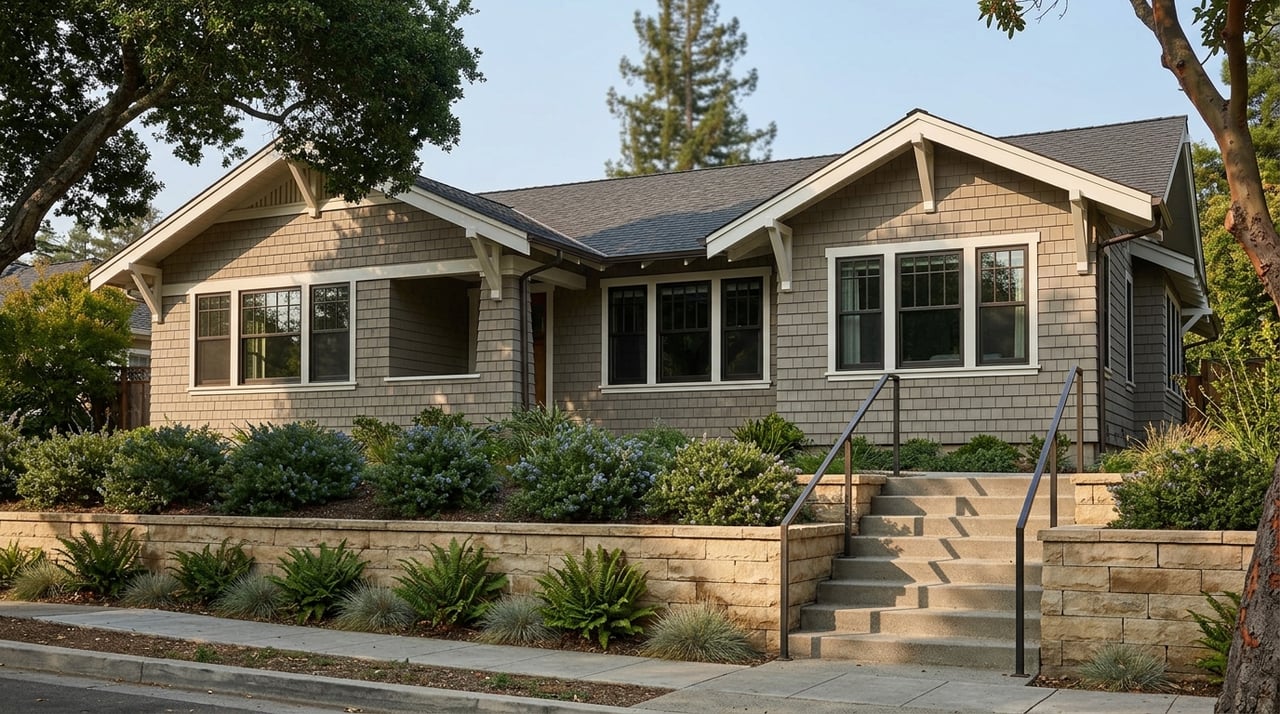
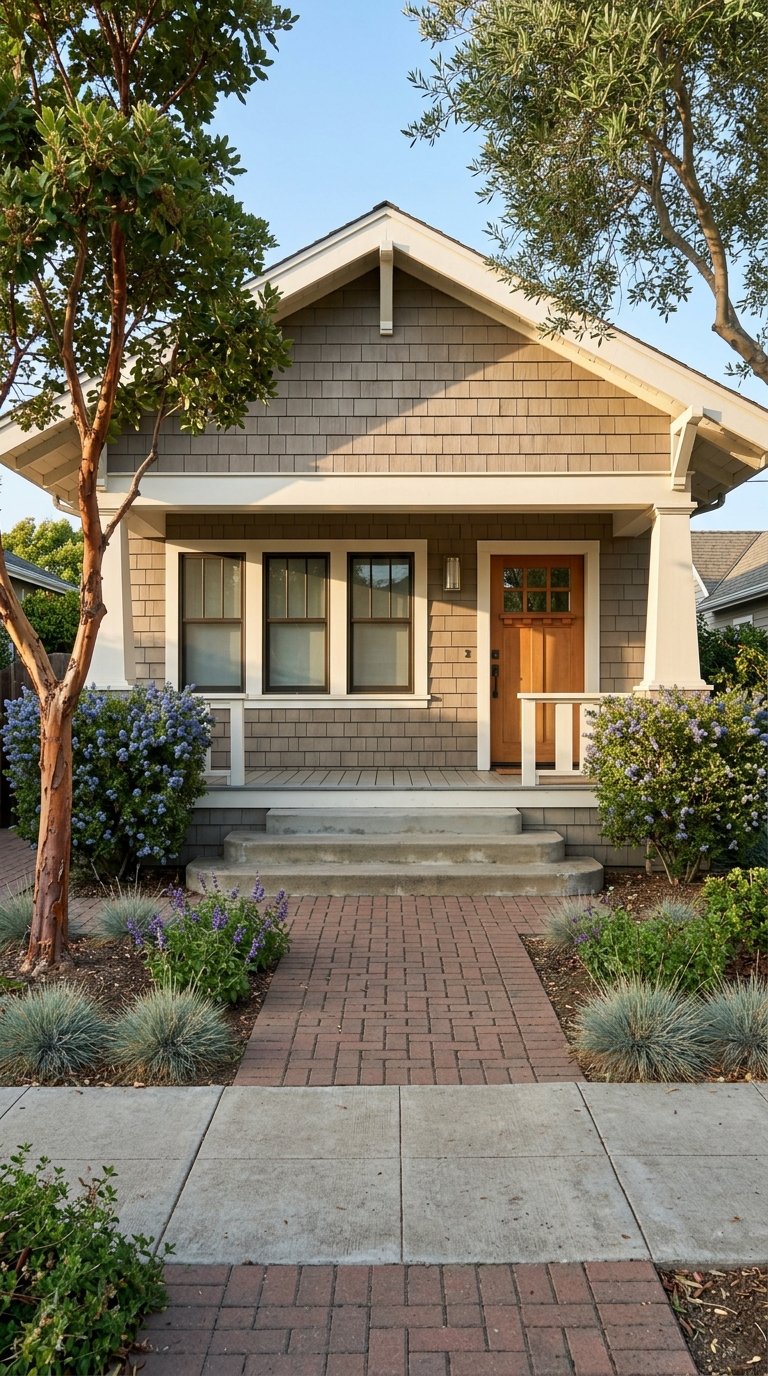
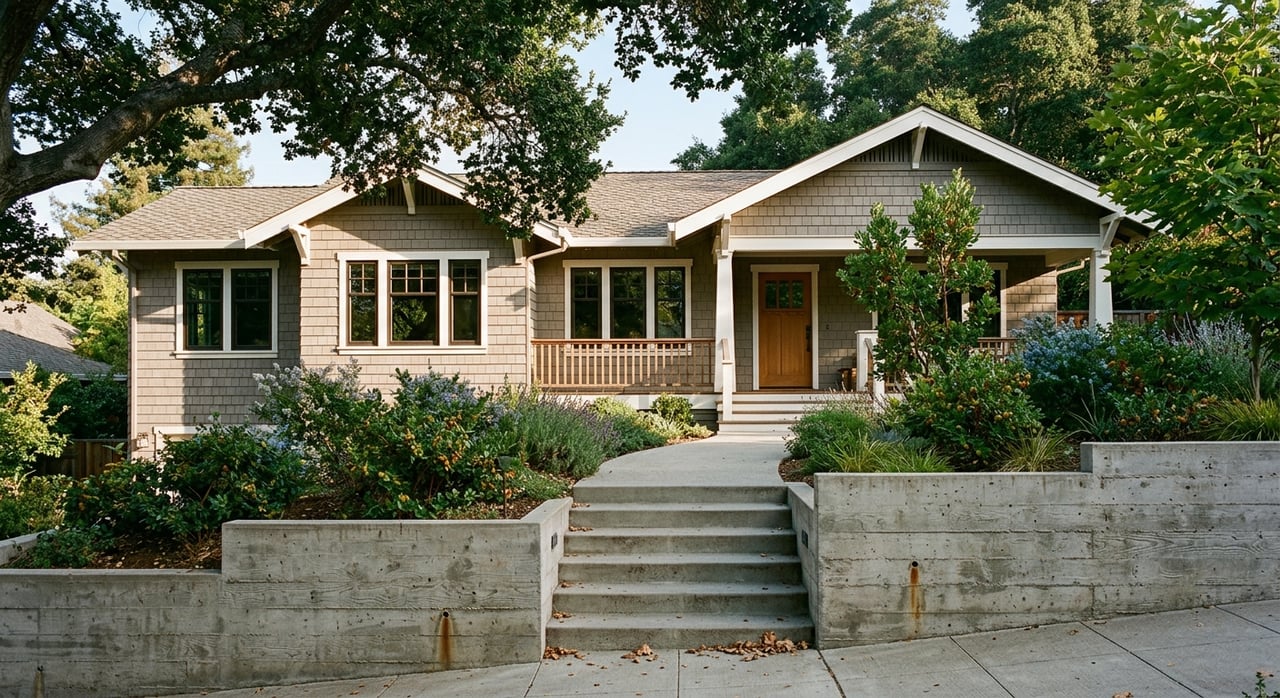
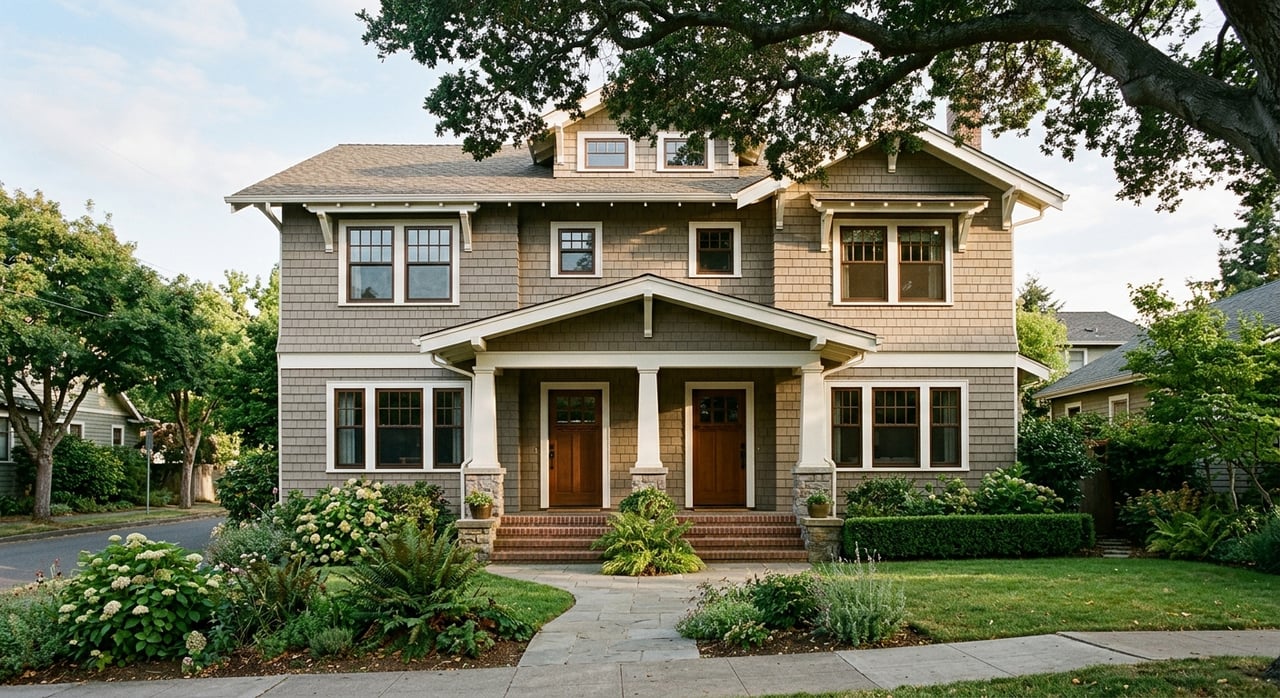
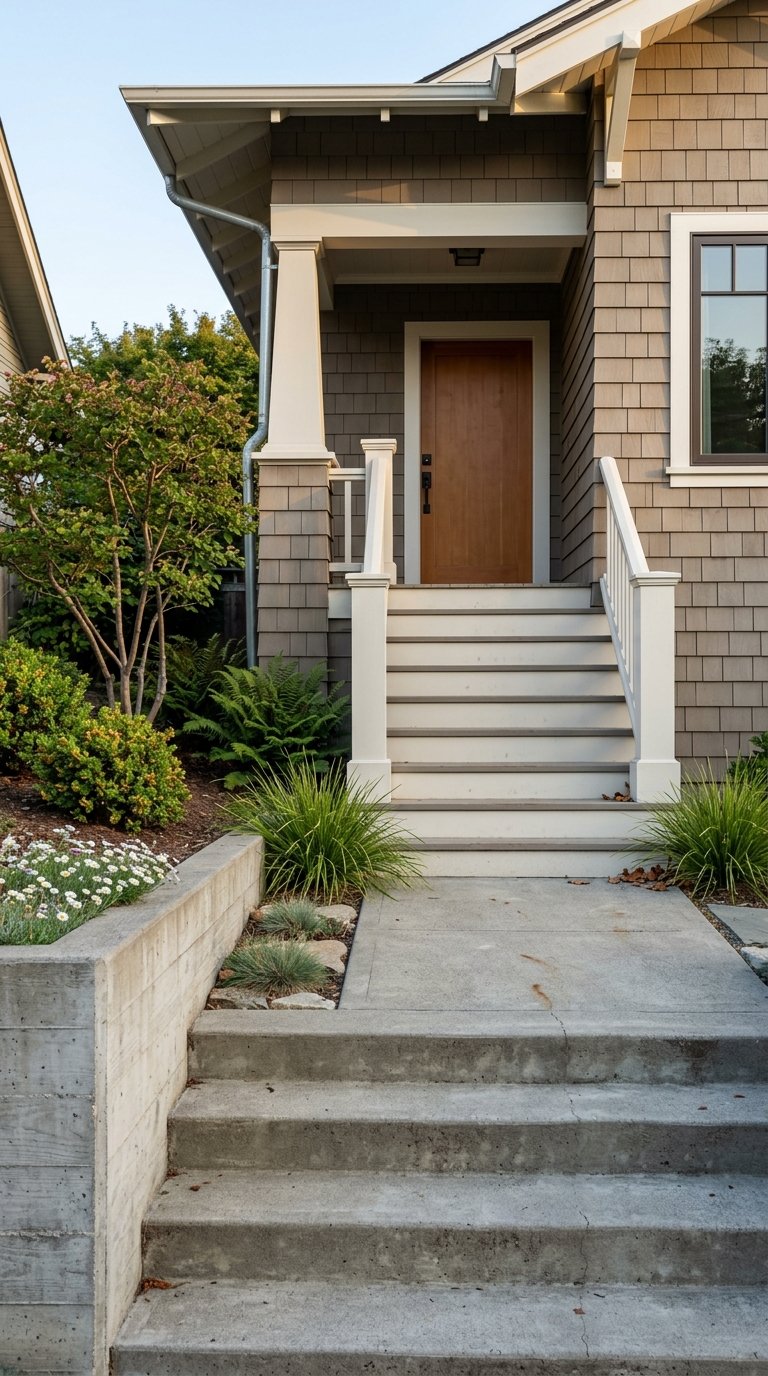
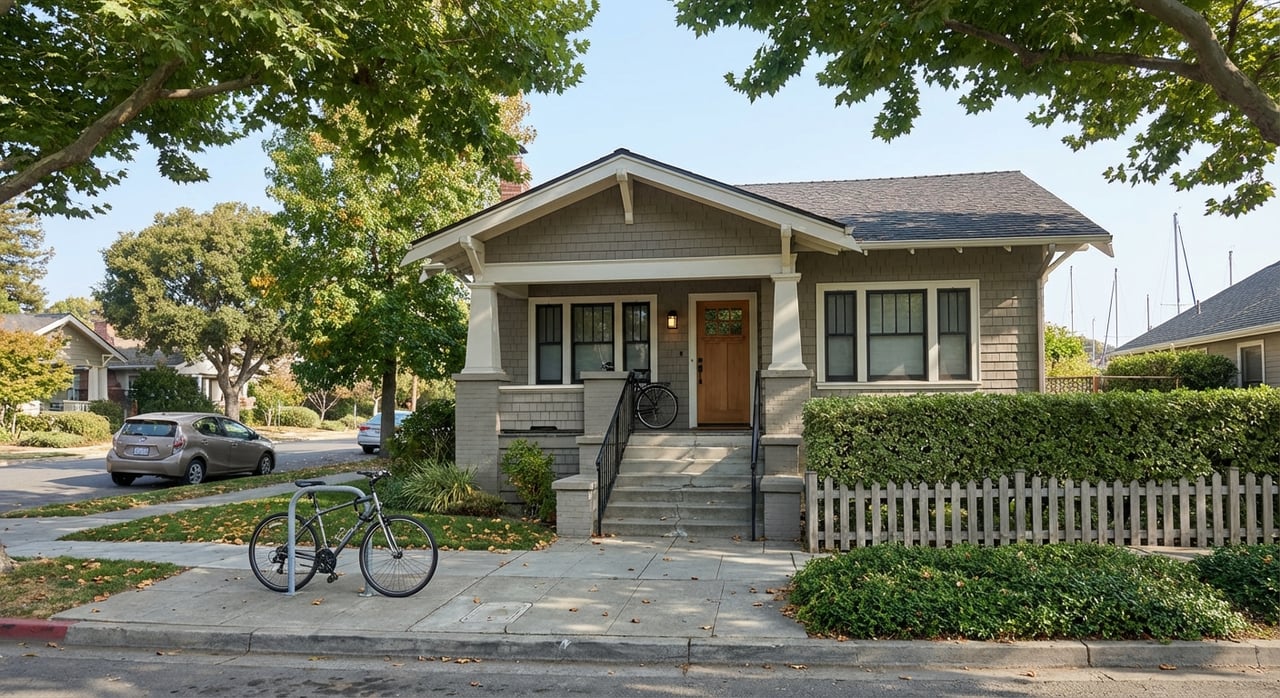
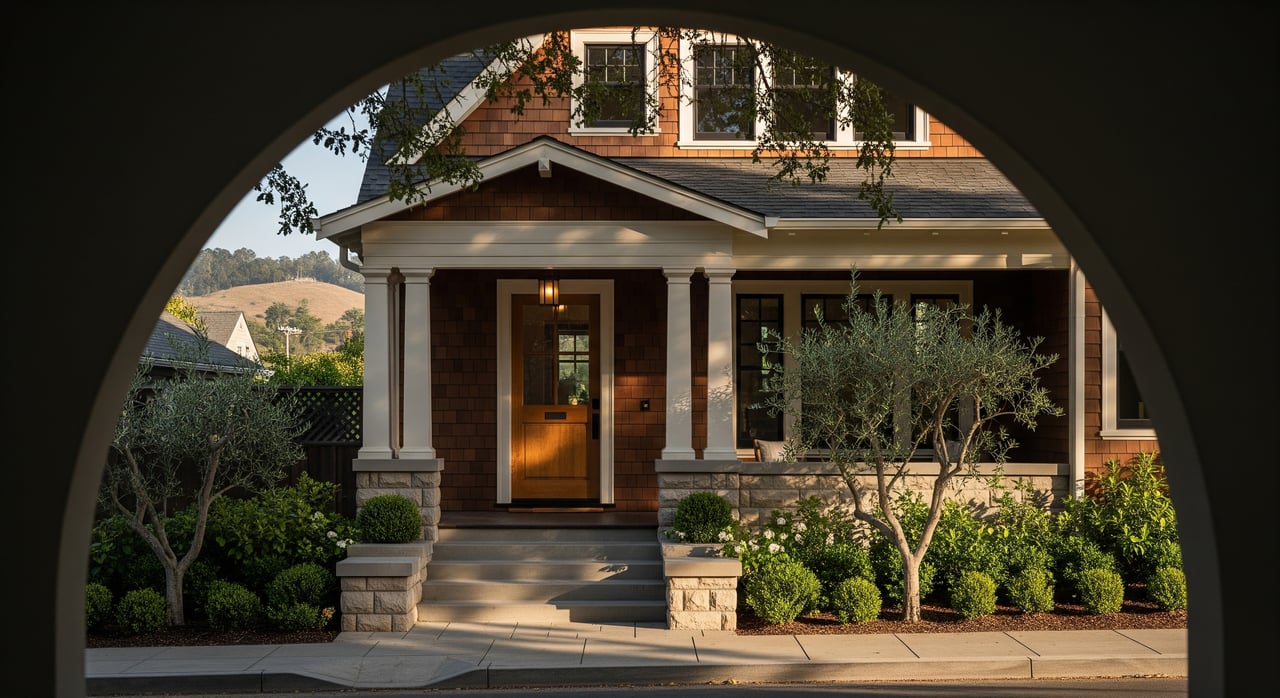
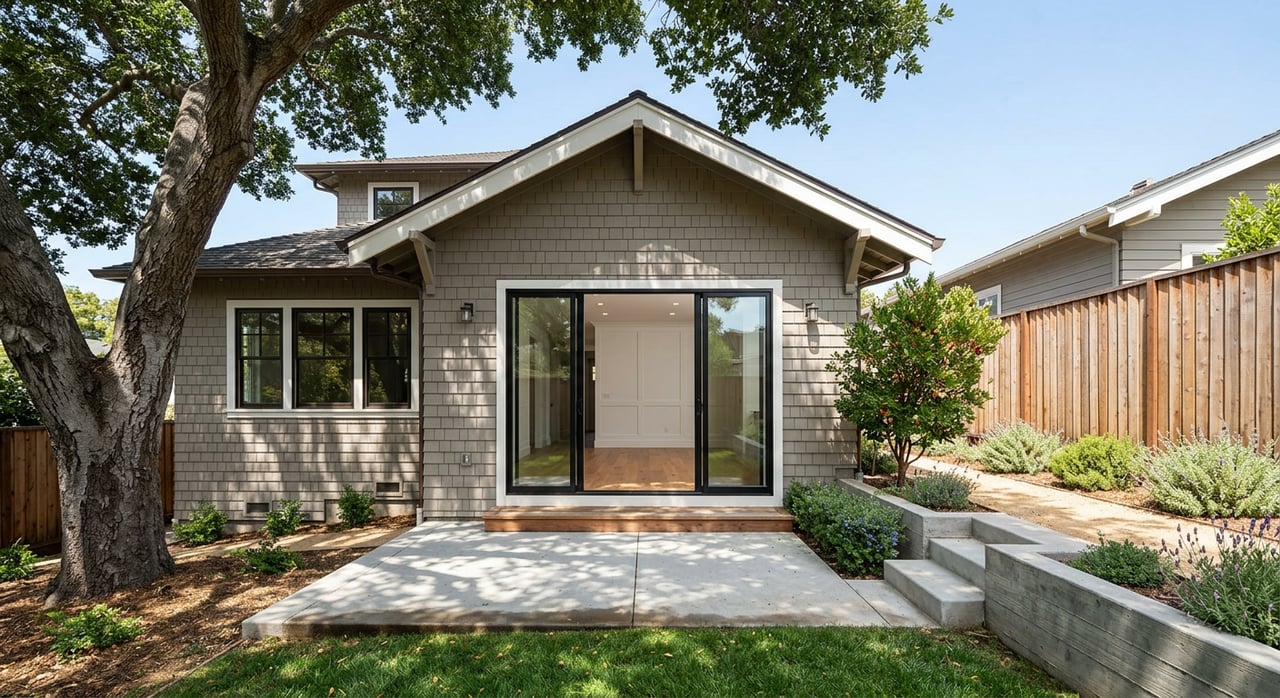
- Typical homes: Craftsman bungalows, small‑lot single‑family homes, renovated cottages, and newer mixed‑use condos and townhomes.
- Price feel: Often more accessible on total price for condos and smaller homes, with higher price per square foot due to proximity to transit.
- Trade‑offs: The best walkability and train access, with smaller yards on average. Budget for HOA dues on newer condos and plan for street or structured parking in some spots.
Bay Fair and West San Leandro
Centered around Bay Fair BART and the retail district, this pocket has postwar neighborhoods and ongoing transit‑oriented development activity. Learn more about the shopping hub and surrounding district through this overview of the Bayfair Center area.
- Typical homes: 1950s to 1970s tract and mid‑century homes, duplexes, and more condo inventory near the station. Newer multifamily and adaptive‑reuse projects add options for price‑sensitive buyers.
- Price feel: Often mid 700s to low 800s for many properties, with smaller yards near transit compared to hillside parcels.
- Trade‑offs: Solid access to BART and shopping. Some streets are more car‑oriented, so expect a short bike or drive to the station depending on the block.
Marina and Mulford shoreline
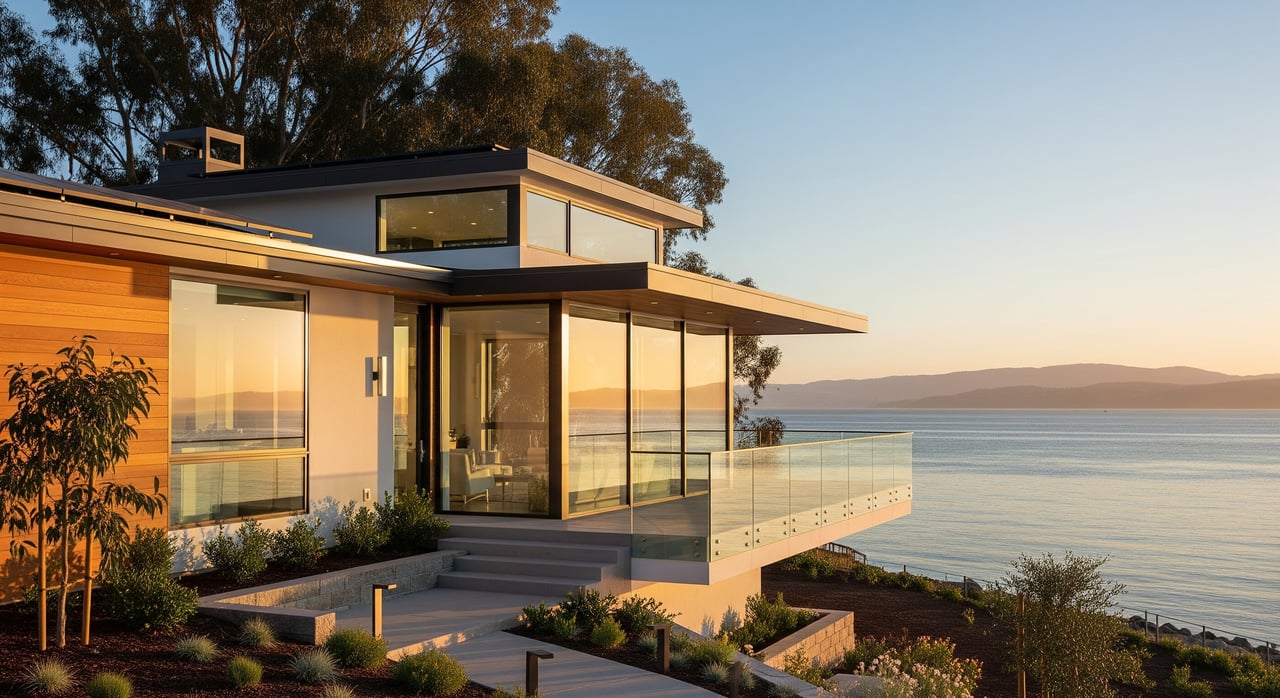
This bayfront area includes Marina Park and nearby neighborhoods like Marina Faire and Mulford Gardens. The shoreline lifestyle is a major draw, with open space and water access. You can preview the public waterfront amenities at Marina Park.
- Typical homes: Mostly single‑family homes on larger lots, plus some townhouses. Planned shoreline projects have aimed to add housing and refresh amenities over time.
- Price feel: Often higher than some inland pockets and below many hillside areas. Entry‑level single‑family listings here are competitive due to yard size and park access.
- Special note: Shoreline parcels face sea‑level planning requirements. Review shoreline permits and sea‑level planning and check FEMA flood maps, elevation certificates, and flood insurance needs for any waterfront‑adjacent property.
- Trade‑offs: Space and outdoor access are excellent. BART access is a longer ride or drive, and shoreline resilience work may shape future improvements.
Hills and foothills
Higher‑elevation areas near Lake Chabot and Bay‑O‑Vista offer larger lots, views, and a quieter, more suburban feel.
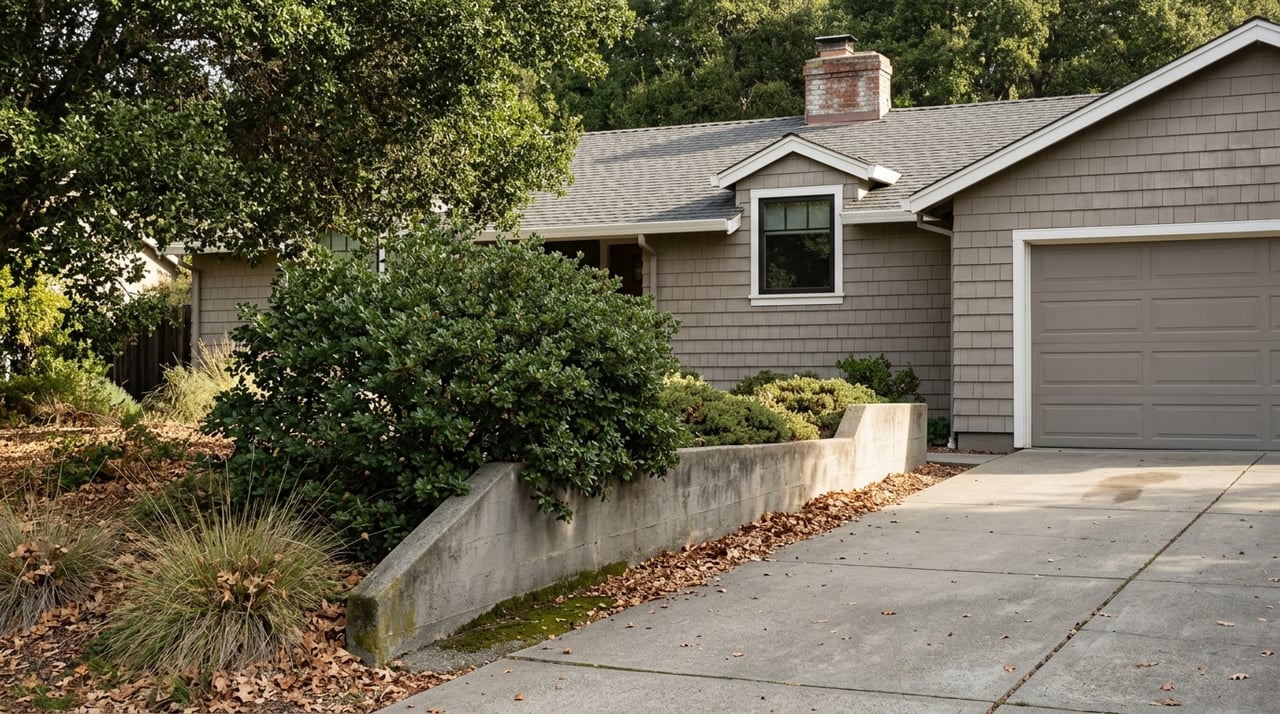
- Typical homes: Mid‑century ranchers, custom homes, and some older architectural styles in nearby established neighborhoods.
- Price feel: Larger lots and views tend to command higher prices. Budget extra time and cost for daily driving.
- Trade‑offs: More space and privacy, with longer drives to transit. Some streets are steep or winding, which can affect commute patterns.
Commute and transit at a glance
San Leandro’s two BART stations, San Leandro and Bay Fair, are the main anchors. Proximity to a station shortens your first and last mile, which usually improves daily quality of life. Typical off‑peak public‑transit times run about 20 to 30 minutes to San Francisco’s Embarcadero and about 8 to 15 minutes to central Oakland. Treat these as approximations and test your route with transit route planners like Moovit.
If you drive, main corridors include I‑880 and I‑580. Travel times vary by time of day. Build a few real‑world test drives into your shortlist process so you can feel the difference between neighborhoods.
Schools, parks, and daily life
San Leandro Unified School District assigns schools by address. If schools are part of your decision, confirm current boundaries and review official reports on the SLUSD website. For outdoor time, the shoreline offers paths, playgrounds, and bay views, and the city hosts seasonal community events downtown. Many first‑time buyers weigh those amenities alongside commute time when choosing a block.
Costs, taxes, and assistance to plan for
Down payment help to explore
- AC Boost: Alameda County’s shared‑appreciation down‑payment assistance program opens application rounds periodically. Start with your approved‑lender list and county contacts listed on this county housing programs page.
- State and regional options: Programs like CalHFA’s MyHome and GSFA can sometimes be layered with county funds. Review a lender summary of CalHFA MyHome and connect with a HUD‑approved counselor or participating lender early to check eligibility, income caps, and funding status. Availability changes, so verify details before you shop.
Property taxes in your monthly budget
California’s Prop 13 sets a base property tax rate of 1% of assessed value, then adds local voter‑approved bonds and assessments. In San Leandro, combined rates commonly land around the low 1 percent range. Use the county’s parcel tax lookup for the exact rate on any address, and read the Legislative Analyst’s Office primer on property taxes to understand how assessments work over time.
Insurance, hazards, and resiliency
- Shoreline flood risk: For Marina and shoreline‑adjacent homes, confirm FEMA flood status, ask for elevation certificates, and talk to your lender about flood insurance. The region’s shoreline permits and sea‑level planning provide helpful context for current and future projects.
- Seismic and soils: The East Bay is seismically active. Review regional hazard mapping from the USGS and plan for thorough inspections that address foundation, drainage, and retrofit needs.
What to look for in local homes
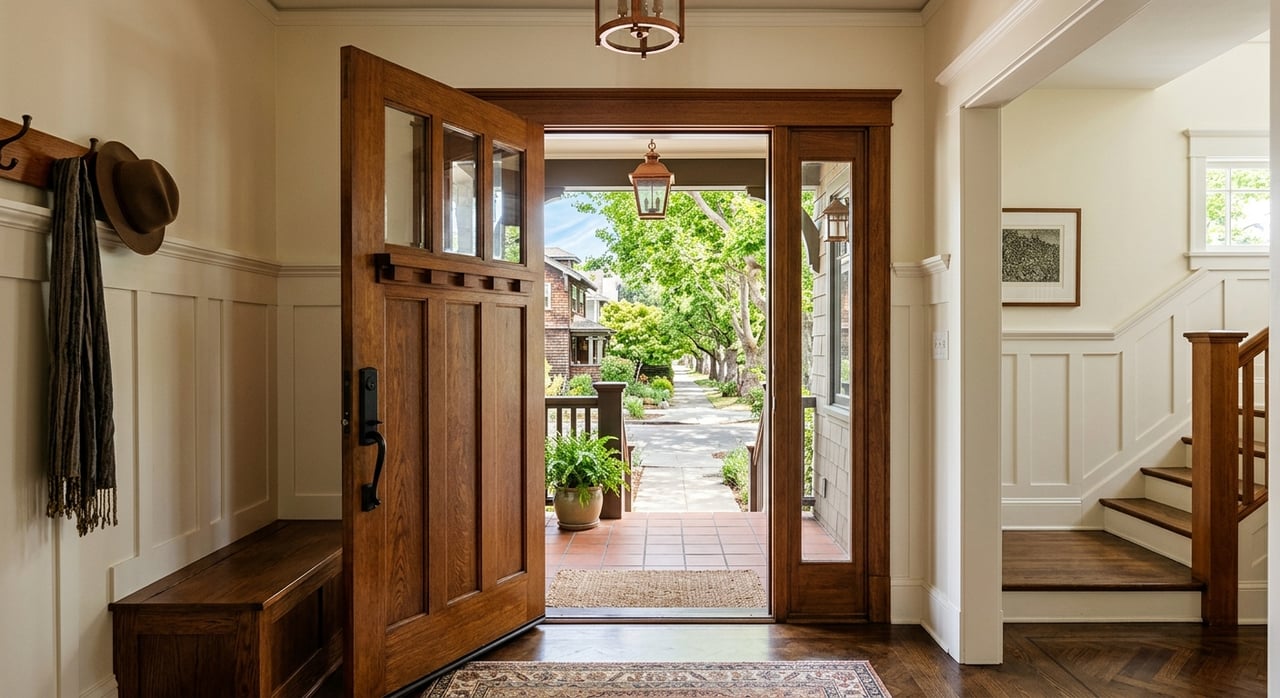
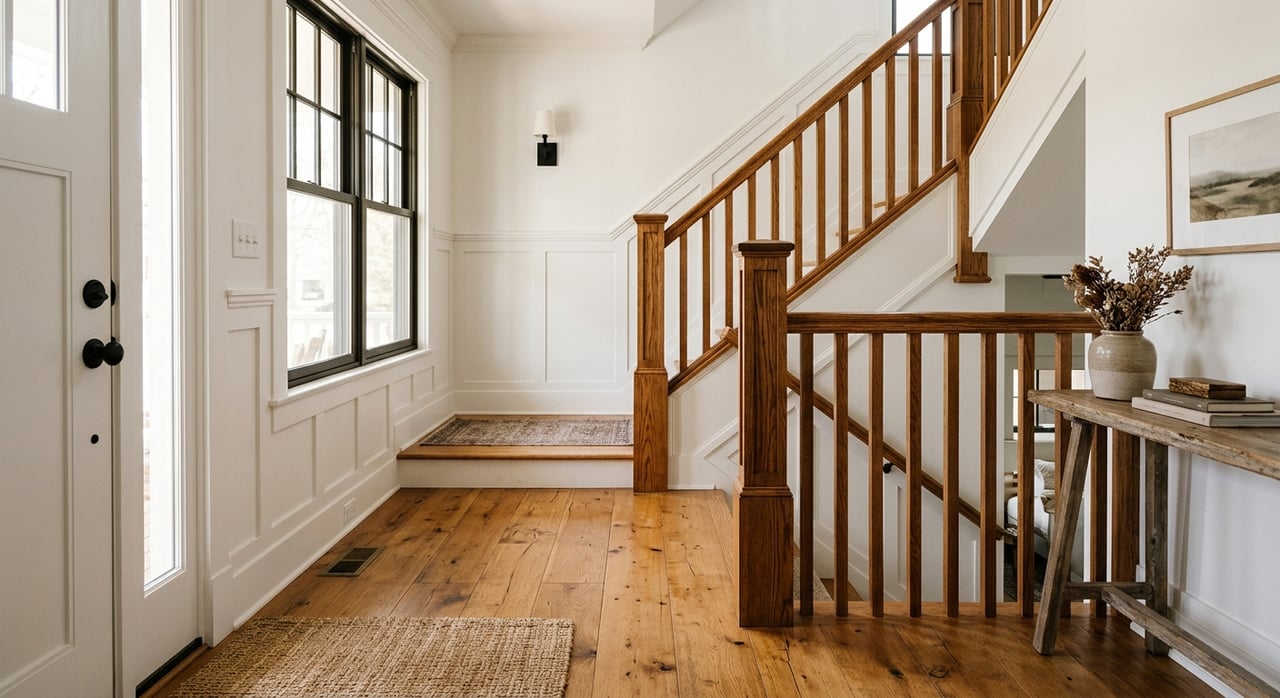
Older East Bay homes are charming and sturdy, but they often need careful due diligence. Prioritize these checks during your inspection window:
- 1940s to 1960s homes: look for older electrical, plumbing, roofing, and foundation or drainage issues.
- Hillside homes: evaluate access, retaining walls, and slope stability.
- Condos and townhomes: review HOA financials, reserve studies, and upcoming repair plans so you understand future costs.
Quick shortlists for common priorities
- If your priority is BART and walkability, focus on Downtown and Bay Fair corridors. Expect smaller yards and more condos, with easier station access.
- If yard size, parks, and shoreline access matter most, explore Marina and Mulford. Check parcel flood maps and any shoreline permit history.
- If you want more house and do not mind driving, look at the hills and older tract areas for larger lots and views. Plan commute time into your schedule.
Your next steps
- Get pre‑approved and set a budget that includes taxes, HOA dues if any, and realistic maintenance.
- Test your commute at the exact times you would travel.
- Tour a mix of condos and single‑family homes in two or three target pockets.
- Line up inspectors with local experience in shoreline and hillside conditions.
When you are ready for a tailored plan, reach out to Annie Tegner for a low‑pressure consult. You will get neighborhood‑level guidance, smart search strategies, and a clear path from first tour to keys in hand.
FAQs
What is a realistic first-time buyer budget in San Leandro?
- Many entry‑level condos, townhomes, and smaller single‑family homes trade from the low to mid 700s to the low 800s, with competition varying by pocket and property type.
Which San Leandro neighborhoods are best for BART access?
- Downtown near the San Leandro station and the Bay Fair area offer the shortest walks or rides to trains, which can lower commute stress for many buyers.
How long is the BART ride to San Francisco or Oakland?
- Typical off‑peak rides are about 20 to 30 minutes to Embarcadero and 8 to 15 minutes to central Oakland, but always test your exact route using a planner like Moovit.
Do I need flood insurance near the Marina in San Leandro?
- It depends on the parcel; check FEMA maps, ask for elevation certificates, and discuss lender requirements. Review regional shoreline permits and sea‑level planning for context.
How do San Leandro property taxes work for first-time buyers?
- California’s base rate is 1% of assessed value, plus local bonds and assessments, which often bring San Leandro totals to the low 1 percent range. See the state property tax primer.
What inspections matter most for older East Bay homes?
- Prioritize foundation, drainage, roof, electrical, and plumbing. For hillside homes, add slope and retaining wall reviews. For condos, scrutinize HOA reserves and upcoming projects.