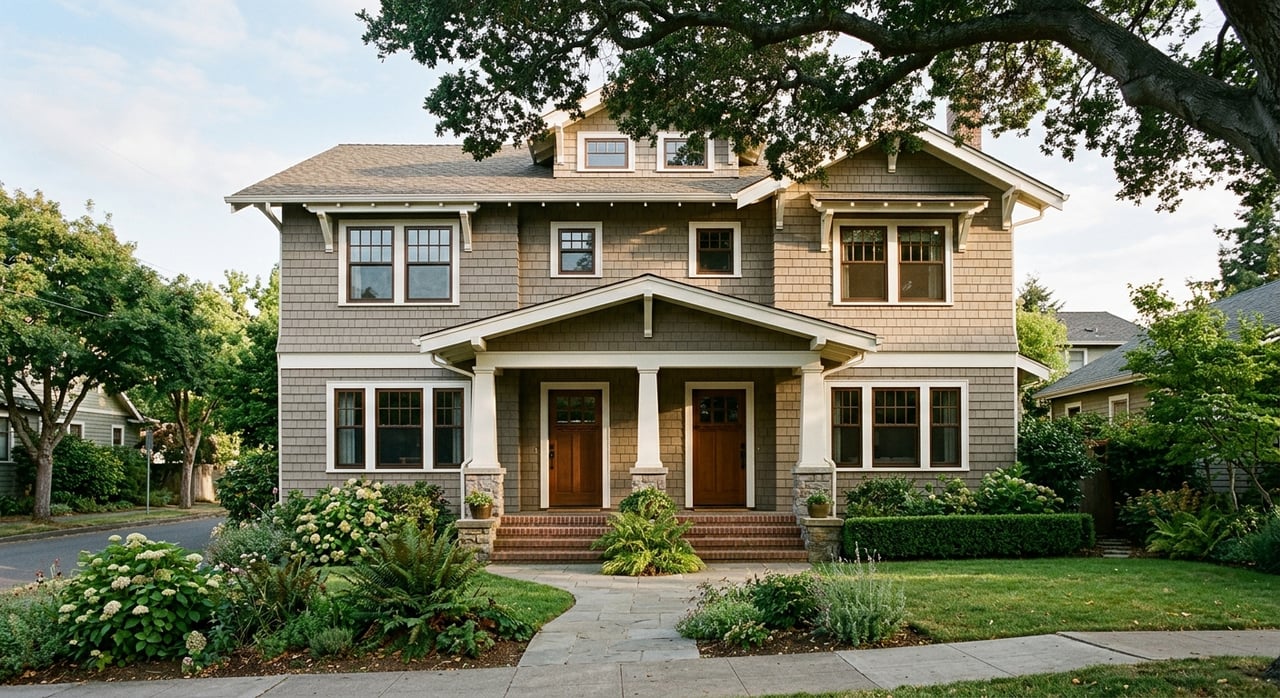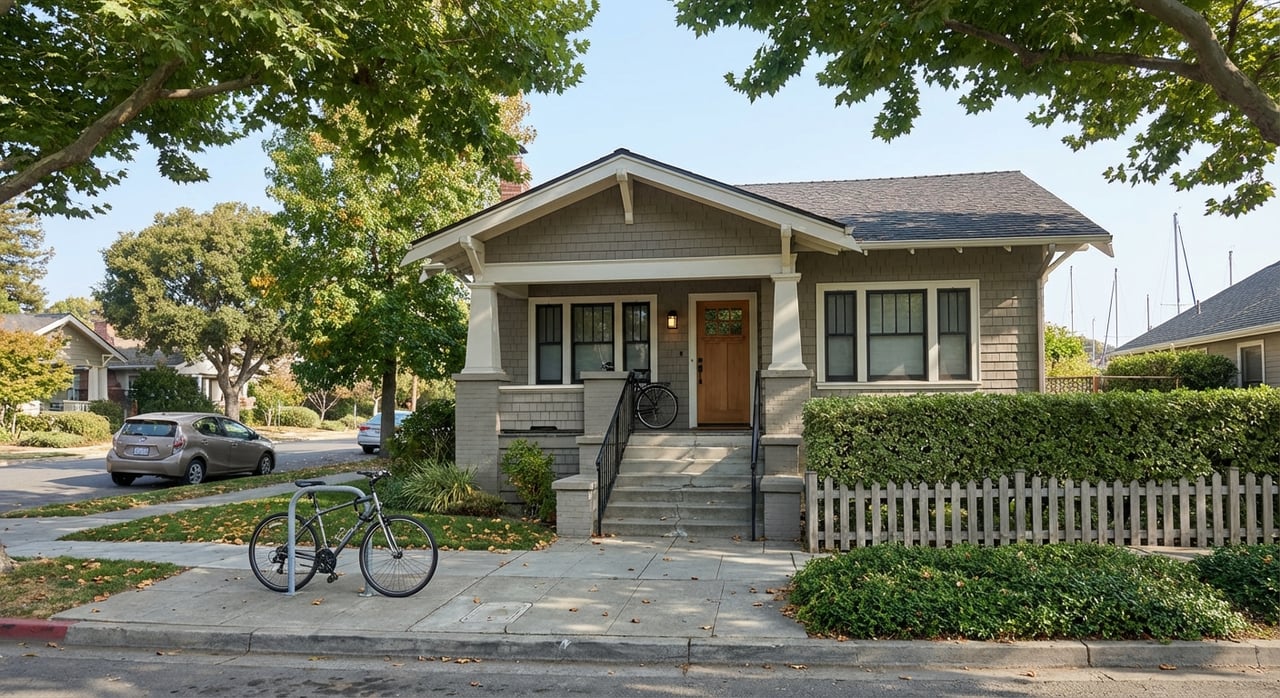
Buying or owning a home in San Leandro comes with one big recurring question: how much are the property taxes and when are they due? If you’re budgeting for a purchase or you just closed, you want clear answers without jargon. This guide breaks down how taxes are calculated, what changes when you buy, how supplemental bills work, and where to find your exact numbers. Let’s dive in.
Prop 13 basics in San Leandro
California’s Proposition 13 sets the foundation for your bill. The basic tax rate is 1% of your assessed value. Local voter‑approved add‑ons are then added to that 1%.
“Assessed value” is usually your purchase price, called the base year value. Each year after that, the assessor can increase your taxable value by up to 2%, unless a reassessment event happens. For accessible statewide context on these rules, the Legislative Analyst’s Office and the California Board of Equalization offer helpful explainers.
Local add‑ons vary by parcel. They can include school bonds, parcel taxes, and special district fees. Your bill lists each line item so you can see who receives each amount.
What triggers reassessment
Two events can reset your taxable value to current market: a change of ownership or new construction. After that reset, the 2% cap applies in future years.
Proposition 19 updated some transfer rules. It narrowed certain parent‑to‑child exclusions and expanded the ability for eligible owners, such as those over 55, to transfer a tax base to a new home. For details on how those rules apply to your situation, start with the Alameda County Assessor.
Your bill and due dates
In Alameda County, the secured property tax bill is issued each fiscal year in two installments:
- First installment is due November 1 and becomes delinquent after December 10.
- Second installment is due February 1 and becomes delinquent after April 10.
You may also receive a supplemental bill after a purchase. That one covers the difference between the prior owner’s taxable value and your new value for the portion of the year you owned the home. It arrives separately and has its own due date. For payment schedules, bill copies, and parcel lookups, use the Alameda County Treasurer‑Tax Collector.
What appears on the bill
Your bill shows:
- Taxable (assessed) value.
- The 1% basic tax amount.
- Each voter‑approved assessment or special tax with its recipient listed.
- Any exemptions, such as the Homeowners’ Exemption, that reduce your assessed value.
Estimate your San Leandro property taxes
You can get a quick estimate with a simple method:
- Multiply your expected taxable value by 1% to get the base tax.
- Add the total of your parcel’s local add‑ons. The most accurate way to do this is to pull the parcel’s bill or rate detail from the Treasurer‑Tax Collector.
Because add‑ons vary across San Leandro neighborhoods and districts, always confirm using your parcel number.
Supplemental bills explained
If you buy a home, the assessor typically reassesses as of your recording date. That change usually triggers a supplemental assessment that covers the prorated portion of the fiscal year after your purchase. The supplemental bill is separate from the regular bill and can arrive months after closing.
Who pays it depends on your purchase contract and escrow instructions. If it was not settled at closing, the bill is issued to the current owner of record. For county procedures and definitions, visit the Alameda County Assessor.
New owner checklist
Handle these items early to avoid surprises:
- File your Homeowners’ Exemption. Eligible owner‑occupants get a $7,000 reduction to assessed value. Apply through the Alameda County Assessor.
- Save your APN. Keep your parcel number from your closing packet for lookups and payments.
- Set payment reminders. Mark the November 1 and February 1 due dates, and the December 10 and April 10 delinquent dates. You can review schedules and pay through the Treasurer‑Tax Collector.
- Expect a supplemental bill. If the seller prepaid taxes, you can still get a supplemental bill for the reassessed difference.
Appeals and valuation questions
If you think your assessed value is incorrect, contact the Alameda County Assessor to discuss how the value was set and to learn the formal appeal steps. Formal appeals are handled by the county’s Assessment Appeals Board. Filing windows are strict, so rely on the county’s current instructions and forms.
Programs and resources to know
Several programs can reduce or postpone what you pay if you qualify:
- Homeowners’ Exemption for owner‑occupants.
- Veterans’ and disabled veteran exemptions.
- State property tax postponement for eligible owners, administered by the State Controller’s Office.
For authoritative local procedures, use these resources:
- Alameda County Assessor: assessments, exemptions, supplemental assessments, and appeal guidance.
- Alameda County Treasurer‑Tax Collector: bills, payments, and parcel lookup tools.
- California Board of Equalization: statewide property tax administration.
- Legislative Analyst’s Office: explainers on Prop 13 and Prop 19.
- City of San Leandro: information on local measures that may affect levies.
Tips for buyers and sellers at closing
A few practical moves can keep your budget on track:
- Confirm tax prorations in your escrow instructions. Make sure everyone understands who pays what if a supplemental bill arrives later.
- Ask escrow for the APN and any tax receipts. Keep them for your records and for parcel lookups.
- If you are remodeling soon after closing, remember that new construction can trigger reassessment. Coordinate with your contractor and keep documentation.
For San Leandro investors and 2–4 unit owners
The same rules apply to small multi‑unit properties. Your base rate is 1% of assessed value, plus parcel‑specific add‑ons. Review each unit’s or parcel’s levies, and plan for a supplemental bill after acquisition if the prior assessed value was much lower. If you later convert a unit or add improvements, check with the assessor on how the work may be assessed.
A well‑timed plan for taxes, rent‑readiness, and improvements can protect cash flow and reduce surprises. If you want help aligning your purchase or sale with a practical tax timeline and a clean handoff to operations, reach out to Annie Tegner.
FAQs
When will I get my first San Leandro property tax bill after buying?
- You may receive a supplemental bill soon after closing if your home was reassessed, and the regular two‑installment bill follows the county’s normal schedule.
What is an Alameda County supplemental property tax bill?
- It is a one‑time bill that covers the prorated difference between the prior assessed value and your new assessed value from your purchase date to fiscal year end.
Can San Leandro property taxes more than double after a purchase?
- Annual increases are capped at 2% under Prop 13, but a sale can cause a one‑time jump to market value; the difference is billed via supplemental bills.
Who is responsible for a supplemental bill after closing in Alameda County?
- The current owner of record is legally responsible, though your purchase contract may set prorations; confirm with your escrow officer.
How do I find the exact tax rate and line‑item levies for my San Leandro home?
- Use the parcel lookup and bill tools from the Alameda County Treasurer‑Tax Collector to see current rates and charges.