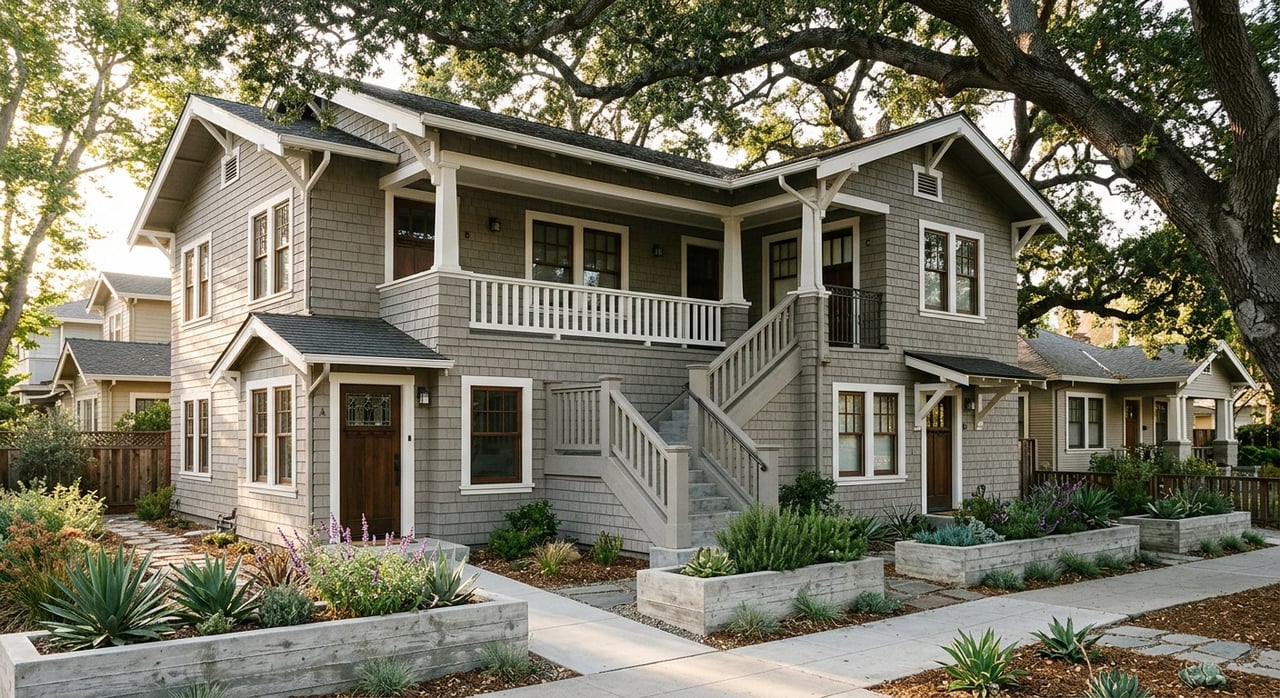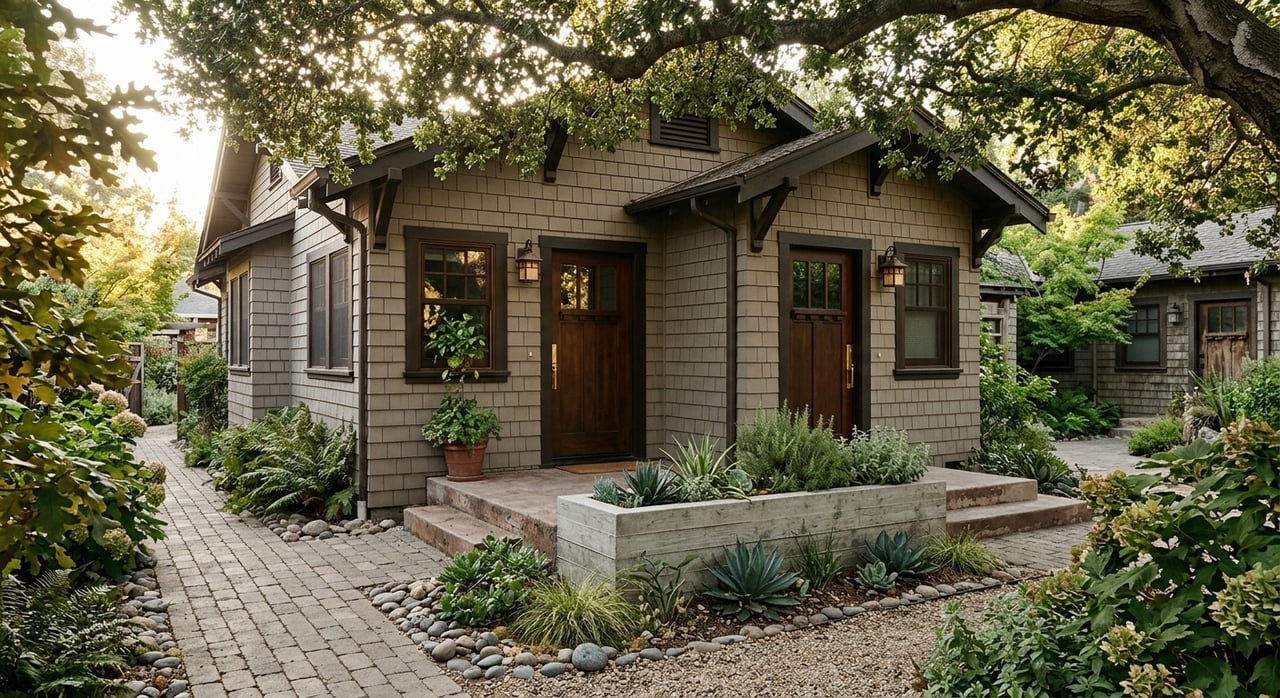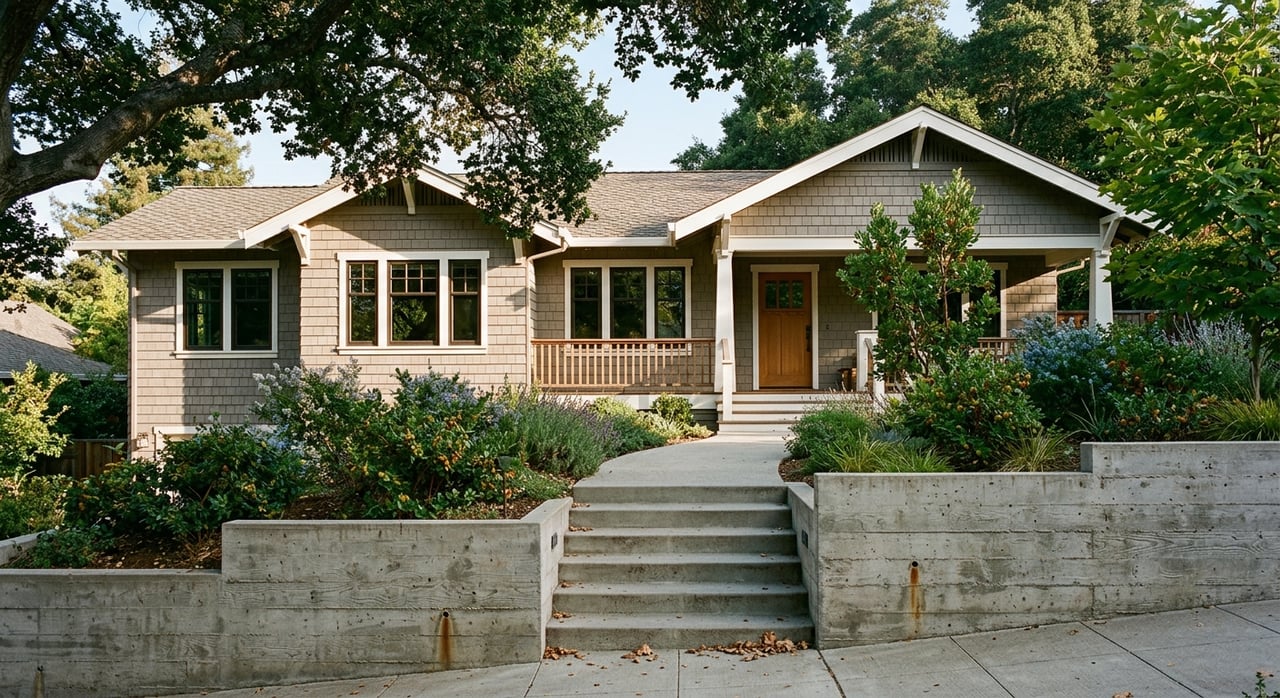
If you want East Bay convenience without depending on a car for every errand, North Oakland and the surrounding NOBE corridor deserve a close look. This part of the East Bay gives you a rare mix of BART access, useful bus lines, growing bike infrastructure, and walkable retail districts that make day-to-day life more flexible. Whether you are commuting, downsizing, buying your first home, or simply trying to cut back on driving, understanding how the area actually works can help you buy smarter. Let’s dive in.
Why NOBE works for car-light living
A car-free life sounds appealing, but in practice, most buyers really want car-light living. That means you can handle many trips by BART, bus, bike, or walking, while keeping driving as an occasional choice instead of a daily requirement. Around North Oakland, Berkeley, and Emeryville, that setup is realistic because transit and neighborhood services overlap in a way that supports everyday routines.
BART is the backbone. MacArthur, Ashby, North Berkeley, Downtown Berkeley, and Rockridge stations sit around the broader corridor and create multiple entry points depending on where you live and where you need to go. That matters because you are not relying on a single station or one long bus ride to reach the rest of the Bay Area.
MacArthur stands out as a major transfer point near Temescal. It connects not only to BART, but also to AC Transit, Emery Go-Round, and the Kaiser Shuttle, and it includes a 24/7 bike station with more than 200 spaces. For buyers who want flexibility, that kind of station access can make a big difference in daily life.
Best transit hubs near North Oakland
MacArthur BART for flexibility
If your routine changes from day to day, MacArthur is one of the strongest anchors in the area. It sits near Temescal and the MacArthur Transit Village, where dense housing and retail are located right next to the station. That setup supports the kind of lifestyle where you can leave home on foot, grab a train, and still have useful services close by when you return.
MacArthur is also helpful because it connects across modes. In addition to BART, you can access AC Transit routes, Emery Go-Round, and bike facilities in one place. For many buyers, that means fewer weak points in a commute.
Ashby BART for Oakland-Berkeley access
Ashby BART sits at Ashby and Adeline and works well if you want easy movement between South Berkeley, North Oakland, and Emeryville. The station has a bike station, 40 lockers, BayWheels, and AC Transit connections. That makes it a strong fit if you prefer combining train rides with biking or shorter local bus trips.
Ashby is also important because it connects to several useful neighborhood streets and commercial areas. If you are trying to reduce car use, a station with both bike support and bus access usually gives you more options when your schedule is not perfectly predictable.
Rockridge and Downtown Berkeley for walkable destinations
Rockridge and Downtown Berkeley offer a different kind of transit value. Both give you BART access, but they also place you close to active retail districts where daily errands and social plans can often happen on foot. Rockridge is adjacent to bike parking and BayWheels, while Downtown Berkeley includes valet bike parking and BayWheels as well.
That combination matters if you want the station area itself to feel useful, not just the train line. A home near a station is even more practical when groceries, dining, shops, and services are also nearby.
North Berkeley for bike-oriented access
North Berkeley has a strong connection to the Ohlone Greenway and a notably bike-friendly pattern. According to the latest station profile, 64% of home-origin trips to the station already arrive by walking or biking. If you picture yourself biking to BART rather than driving to it, this station gives a good sense of how that lifestyle can work in real life.
AC Transit routes that help daily life
BART gets most of the attention, but bus service is what often makes a car-light lifestyle feel easy instead of frustrating. In this corridor, several AC Transit lines help connect neighborhoods, shopping districts, and stations.
Useful routes to know
- Line 6 runs between Downtown Oakland and Downtown Berkeley via Telegraph Avenue, serving MacArthur BART and Berkeley BART.
- Line 12 runs from Gilman Street to Jack London Square via Temescal, Piedmont Avenue, and Grand Avenue, with Ashby BART and major Oakland transit centers along the way.
- Line 18 runs from Albany to Montclair and serves Berkeley BART, 12th Street, 19th Street, and MacArthur BART.
- Line 27 connects El Cerrito Plaza BART to Emeryville Amtrak via Martin Luther King Jr. Way, Downtown Berkeley, College Avenue, Ashby Avenue, and Hollis Street.
- Line 36 runs from Rockridge BART to West Oakland BART via College Avenue, Shattuck Avenue, Emeryville, and Adeline Street.
- Line 51B connects Rockridge BART to Downtown Berkeley and onward to Berkeley Amtrak or the Berkeley Marina.
- Line 7 adds another Emeryville connection through Shattuck, Adeline, Stanford, Powell, Christie, and Shellmound, with Ashby BART and Emeryville Amtrak among the transit centers.
If you are house hunting, these routes can be just as important as station distance. A home that sits near a reliable bus line plus a bike route may function better than one that is technically closer to BART but harder to reach.
Biking and walking are part of the system
Car-light living works best when transit is not the only option. In this part of the East Bay, biking and walking are not an afterthought. They are built into how many residents already move around.
Oakland updated its current bike planning framework in 2019, and Telegraph Avenue through Temescal was rebuilt with a curbside bike lane, fewer travel lanes, improved crossings, and bus boarding islands. That is especially relevant for North Oakland buyers because Telegraph is a key corridor connecting people to services, businesses, recreation, Downtown Oakland, and UC Berkeley.
Berkeley has an even more explicit bike network. The city says it has seven bicycle boulevards, which are low-stress routes designed to discourage cut-through traffic and prioritize bicycle travel. Current projects include the protected Milvia bikeway, the Addison bicycle boulevard connecting West Berkeley and Downtown Berkeley, and safety improvements on the Ohlone Greenway.
Emeryville adds another helpful layer. The city supports bike share, bike lockers at the Amtrak station, a request process for new bike racks, and an Active Transportation Plan. If you expect to combine short bike trips with transit, that broader network can make the area feel more connected than a map might suggest.
Where errands are easiest without a car
A transit-friendly neighborhood is not just about getting to work. It also needs to support the boring, everyday trips that fill your week. That includes coffee, groceries, takeout, pharmacy runs, a hardware stop, or meeting friends without planning your whole day around parking.
Temescal and North Oakland
Temescal is one of the strongest examples in North Oakland. The Telegraph Avenue corridor connects people to services, businesses, and recreation, and the city describes it as a direct route by transit, walking, and biking between Downtown Oakland and UC Berkeley. If you want a neighborhood where movement feels active and practical, Temescal is often part of that conversation.
MacArthur Transit Village strengthens the case because it puts housing and retail next to the station. That kind of layout can reduce the friction of daily life, especially if you prefer a routine built around walking first and driving second.
Rockridge
Rockridge offers another strong car-light anchor. The station sits next to a residential retail district along College Avenue, which makes it easier to combine commuting with neighborhood errands. For buyers who want a walkable main street feel near transit, Rockridge often checks that box.
Downtown Berkeley and nearby districts
Downtown Berkeley is the clearest car-free retail core in the broader area. It offers arts, dining, shopping, and lodging close to Downtown Berkeley BART, which gives you the ability to stack multiple errands into one trip on foot. That is often what makes no-car or one-car living sustainable over time.
For neighborhood-scale errands, Berkeley offers several other useful districts. Solano Avenue has restaurants, boutiques, importers, and service providers. Fourth Street is known for restaurants, retailers, and galleries. Telegraph Avenue includes many independent merchants, and the Elmwood District along College Avenue includes hardware stores, delicatessens, boutiques, bookstores, restaurants, and open-air cafes.
Emeryville basics and regional access
Emeryville has a smaller walkable core, but it still plays an important role in a car-light lifestyle. Public Market offers 18 or more eateries plus shopping, while Bay Street focuses on dining, movie options, and related retail. Emery Go-Round, a fare-free shuttle, links MacArthur BART to destinations throughout Emeryville, making these areas easier to reach without driving.
Which homes fit a car-light lifestyle best
The housing stock that best supports car-light living usually mirrors the transit pattern around it. In this corridor, BART transit-oriented development around MacArthur, North Berkeley, and Ashby focuses on dense residential development, mixed uses, and station access rather than auto-oriented planning. That tells you a lot about which property types are likely to feel easiest day to day.
For many buyers, condos, TICs, and other smaller multi-unit ownership options are the most natural fit. They often align with station-area density, can reduce parking dependence, and may offer a lower-maintenance lifestyle. If your goal is to walk to BART, use a bike for short trips, and treat a car as optional, these property types often make the most sense.
Compact single-family homes can work too, especially when they sit close to a station, a major bus corridor, or a strong bike route. In that case, success usually depends less on the house itself and more on the home’s exact location and your willingness to use transit and walking as part of your routine.
One car, no car, or occasional car use?
A helpful way to think about your search is to match the property type to the lifestyle you actually want.
| Lifestyle goal | Best fit to consider | Why it can work |
|---|---|---|
| No car | Condo or smaller home near BART and retail | Daily errands and commuting are easier on foot and by transit |
| One car household | Condo, townhome, or compact single-family near bus and bike routes | You keep flexibility without depending on the car for every trip |
| Occasional ride-hail or car-share use | Station-area housing with strong neighborhood services | You can cover most routines without ownership pressure |
Is car-free realistic in NOBE?
For some households, yes. For many others, car-light is the more honest and useful goal. The reason is simple: even in a transit-rich part of the East Bay, your experience depends on how close you are to a station, whether your block connects well to bus or bike routes, and how many of your regular errands are nearby.
If you live near MacArthur, Ashby, Rockridge, or Downtown Berkeley and your routine aligns with those transit links, going without a car can be realistic. If your work, family schedule, or weekend habits pull you across multiple parts of the East Bay, a one-car household may feel more practical while still reducing total driving.
That is where a neighborhood-level home search matters. Two homes at similar price points can support very different lifestyles depending on the route to the station, the nearby bus lines, and the ease of local errands.
How to shop for a transit-friendly home
When you tour homes near North Oakland and NOBE, it helps to look beyond square footage and finishes. A beautiful home can still feel inconvenient if the daily routine does not work well without a car.
Here are a few smart questions to ask as you compare options:
- How long is the walk or bike ride to the nearest BART station?
- Which AC Transit lines are nearby, and where do they actually go?
- Can you reach groceries, dining, and basic services on foot?
- Is there bike infrastructure that feels comfortable enough for regular use?
- Does the property type match your maintenance and parking goals?
- If you plan to keep one car, will you still be able to avoid using it most days?
These details can shape your quality of life as much as the home itself. They also affect resale appeal, because buyers continue to value flexible access to transit, retail, and daily services.
If you are trying to weigh North Oakland, Berkeley, and Emeryville at the same time, local guidance can help you see the differences that do not show up in a listing description. The right fit is often less about a broad city label and more about the exact few blocks surrounding a home.
If you want help finding a home that truly supports the way you plan to live, Annie Tegner can help you compare East Bay neighborhoods with a clear, practical lens.
FAQs
Is North Oakland realistic for living without a car?
- For many households, North Oakland is more realistic as a car-light area than a fully car-free one, especially if you live near MacArthur BART, Temescal, or strong bus and bike corridors.
Which BART station is best near NOBE for a San Francisco commute?
- MacArthur is often the most flexible choice because it is a major transfer point and connects to multiple transit options, though the best station depends on your exact home location and commute pattern.
What North Oakland errands can you do on foot or by bike?
- In areas like Temescal and near Rockridge, many daily errands such as dining, shopping, and routine service stops are easier to combine with walking, biking, and transit.
How do Berkeley and Emeryville differ for transit-friendly living?
- Berkeley offers a broader bike-oriented network and several walkable retail districts, while Emeryville adds useful shuttle access, food and shopping hubs, and connections back to MacArthur BART.
What home types are best for car-light living near NOBE?
- Condos, TICs, townhomes, and compact homes near stations or strong bus and bike routes are often the easiest fit for buyers who want lower maintenance and less parking dependence.