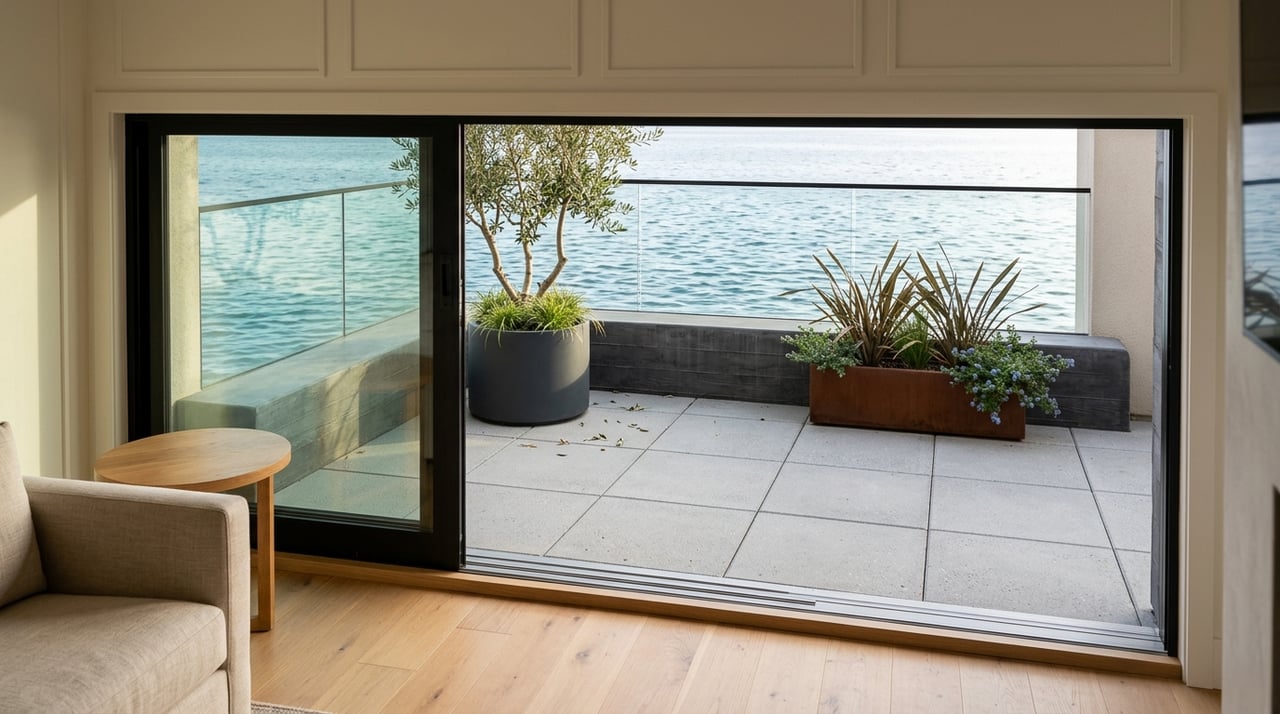
Wondering if Alameda waterfront living is all sunsets and sea breezes? It can be a wonderful lifestyle fit, but it also comes with practical questions about property type, commute access, maintenance, and flood risk. If you are thinking about buying near the water in Alameda, this guide will help you understand what “waterfront” really means here, what features tend to drive value, and what due diligence matters most. Let’s dive in.
What waterfront means in Alameda
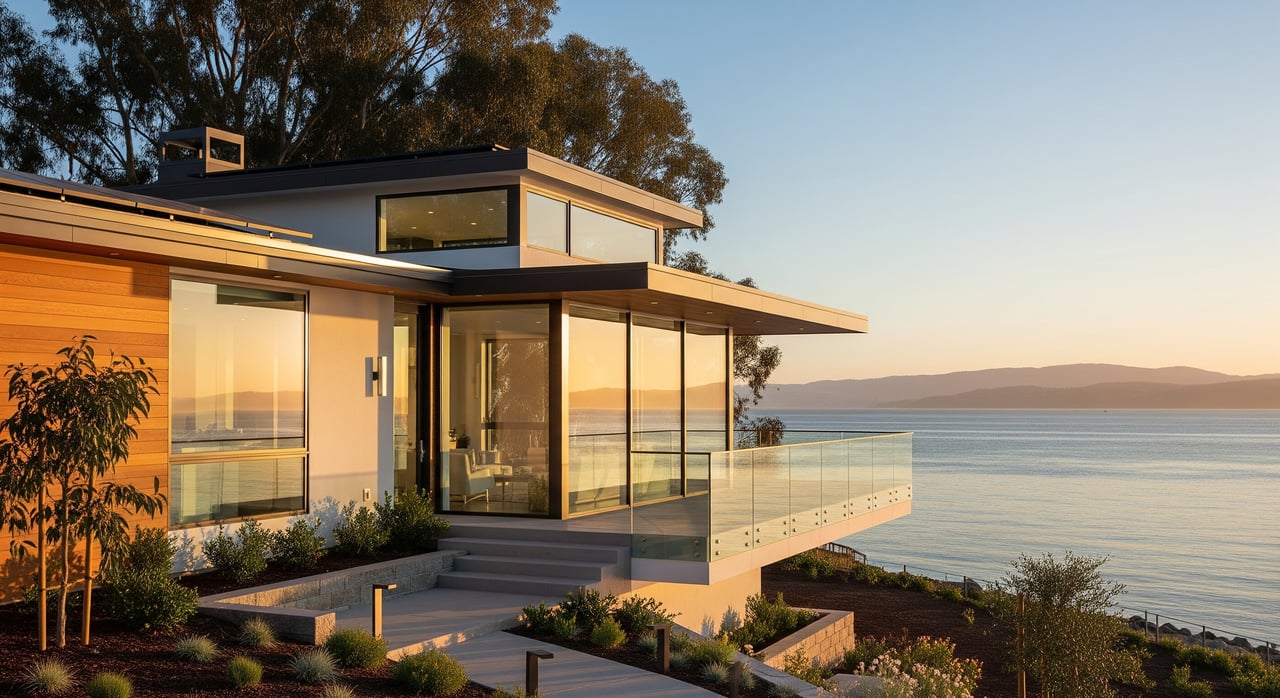
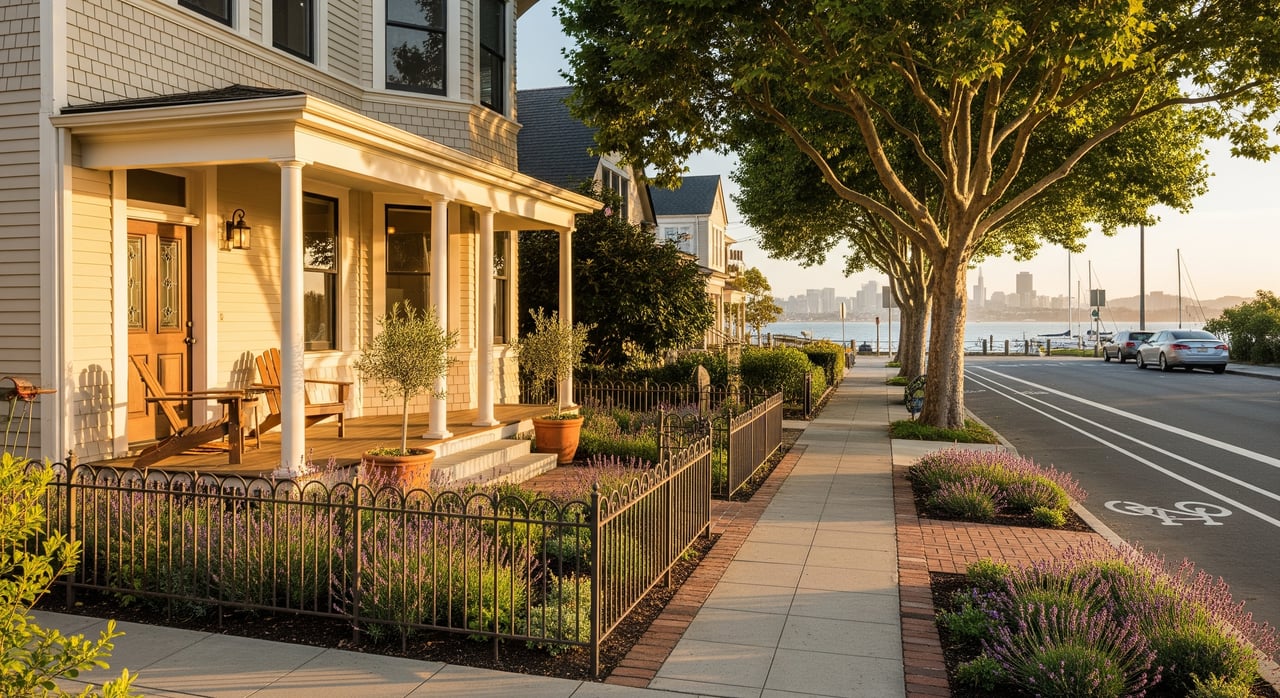
In Alameda, waterfront living is not one single product. Because Alameda is an island city in San Francisco Bay, waterfront can mean bayfront, estuary-front, beach-adjacent, or lagoon-adjacent living.
That variety is part of the appeal. You are not just choosing a home near the water. You are also choosing a setting, a daily routine, and a different ownership experience depending on the area and housing type.
Key waterfront areas to know
Most buyers compare a few distinct parts of Alameda first. Each offers a different version of the waterfront lifestyle.
- South Shore and Shoreline Drive near Crown Memorial State Beach
- Bay Farm Island around Shoreline Park and the lagoon systems
- Alameda Point and Seaplane Lagoon on the west side of the island
- Marina Village and the Alameda Marina corridor
Alameda Point stands out because it is being redeveloped as a mixed-use district with residential, commercial, retail, recreational, and open-space uses. The city also highlights deep-water access and broad views of the Bay Bridge and San Francisco skyline there.
What buyers are really paying for
When you shop waterfront in Alameda, you are usually paying for a bundle of scarce features rather than one simple premium. That bundle can include water views, direct shoreline proximity, ferry convenience, outdoor access, and a lower-maintenance lifestyle.
In other words, two homes may both be called waterfront, but the value story can be very different. A beachside condo across from Shoreline Drive and a lagoon-adjacent detached home on Bay Farm Island do not offer the same ownership experience, upkeep, or day-to-day feel.
Shoreline Drive condos
Along Shoreline Drive, the classic waterfront option is often a condominium in a secure or amenity-rich community across from the beach. These homes may offer bay views, patios or balconies, and deeded or covered parking.
For many buyers, this is the easiest entry point into Alameda waterfront living. You get access to the setting and views without taking on the same level of exterior maintenance that can come with a detached home.
Bay Farm Island homes and townhomes
Bay Farm Island offers a broader mix. Recent inventory has included both townhomes and detached houses, which means buyers often weigh HOA-managed attached living against more traditional single-family ownership.
That choice matters. If you want a more lock-and-leave lifestyle, an attached home may feel simpler. If you want more privacy or outdoor space, a detached home may be a better fit, though it may come with more direct maintenance responsibility.
Alameda Marina and attached housing
The Alameda Marina area is also worth watching. The city’s development forecast for 2025 and 2026 lists phases there that include multifamily and townhouse units.
For buyers who want newer attached housing near the waterfront, that corridor may continue to expand the range of available options. It is another reminder that Alameda waterfront living is not limited to one home style.
Lifestyle perks that draw buyers in
For many people, the real draw is not just the home. It is how the surrounding shoreline can shape your week.
Alameda offers an unusually amenity-rich waterfront lifestyle. You can find beach access, trails, picnic space, open views, and transportation options that support both recreation and commuting.
Beach and shoreline access
Crown Memorial State Beach is one of Alameda’s biggest lifestyle advantages. It offers 2.5 miles of beach along with lawns, picnic areas, a bicycle trail, and access for windsurfing and surfing.
If you picture morning walks, sunset bike rides, or easy beach access without leaving town, this part of Alameda often delivers that experience. Buyers who value outdoor time tend to put this high on their list.
Bay Farm Island open space
On Bay Farm Island, Shoreline Park wraps around the outer portion of the island and offers views toward the San Francisco skyline. The lagoon systems there also contribute to the setting in a meaningful way.
According to the city, those lagoons provide recreation, wildlife, and aesthetic benefits while also serving as stormwater retention and treatment ponds. So the water is not only scenic. It is also part of the area’s broader infrastructure.
Alameda Point and Seaplane Lagoon
Seaplane Lagoon Promenade gives a good feel for Alameda’s evolving waterfront. It includes walk and bike trails, public art, picnic space, and restrooms.
It also reflects how the city is planning for the future. The promenade uses a tiered design that allows the lower level to flood as part of its sea-level-rise strategy, which is a practical detail buyers should appreciate when evaluating waterfront areas.
Commute access is part of the value
In Alameda, waterfront living is often tied to transportation convenience. For some buyers, that is one of the strongest reasons to focus their search here.
The city has three ferry terminals. Main Street serves Oakland, San Francisco, and South San Francisco, while Seaplane Lagoon offers direct weekday service to San Francisco. On Bay Farm, the Island Drive lot connects to AC Transit service for Oakland, San Francisco, BART, ferry access, and local schools.
That means your waterfront search should include more than the home itself. You may want to compare how close each area is to the ferry, trails, and daily errands, since those details can shape long-term satisfaction just as much as the view.
What to know about flood risk and resilience
This is the part buyers should take seriously from day one. Alameda’s adopted climate planning documents identify floods, sea level and groundwater rise, coastal erosion, and tsunamis as real hazards.
That does not mean you should avoid the waterfront. It does mean you should evaluate each property with clear eyes and understand how location, elevation, shoreline protection, and insurance can affect ownership.
Bay Farm Island deserves extra attention
Bay Farm Island is one of the clearest examples of why location-specific due diligence matters. The city says its near-term adaptation project is intended to address current flooding and up to two feet of sea level rise, remove the lagoon area from the FEMA 100-year floodplain, and protect the northern shoreline and Bay Trail from erosion.
The city also notes that many Bay Farm properties sit lower than the shoreline and could flood if the seawall overtops or fails. If you are considering Bay Farm, this should be part of your early property review, not a last-minute concern.
Erosion is also part of the picture
The official Shoreline Park page documents active erosion on the north shore of Bay Farm Island. It also notes that temporary protective measures are being pursued while a permanent nature-based solution is developed.
For buyers, this is a reminder to look beyond finishes and floor plans. Waterfront ownership also means paying attention to the public shoreline conditions that help support long-term property use and access.
Insurance and HOA review matter more here
Standard homeowners insurance is not enough to evaluate waterfront risk. The California Department of Insurance says standard homeowners insurance does not cover flood damage.
Flood insurance timing also matters. FEMA says flood insurance generally has a 30-day waiting period unless a federally regulated lender requires it for a new high-risk purchase, so this is not something you want to investigate at the very end of escrow.
Condos and townhomes need extra document review
If you are buying a condo or townhome, review the ownership structure carefully. The California Department of Real Estate says public reports include key disclosures such as CC&Rs, HOA costs and assessments, and other important information.
Reserve-study guidance also highlights maintenance responsibility and reserve funding for common-area items, including components such as decks and patios when the association is responsible. In a waterfront setting, understanding who maintains what can be especially important.
Smart due diligence steps for buyers
If you are serious about buying near the water in Alameda, keep your due diligence focused and practical. A beautiful setting is only part of a smart purchase.
Here are a few early steps to prioritize:
- Ask what kind of waterfront setting the home actually offers: bayfront, beach-adjacent, estuary-front, or lagoon-adjacent
- Compare ownership style carefully: condo, townhome, or detached home
- Review commute access to ferry service, AC Transit connections, and daily amenities
- Check whether the parcel is in a Special Flood Hazard Area using official FEMA flood maps
- Ask city staff for help confirming floodplain status if needed
- Review insurance options early, including potential flood coverage
- For condos and townhomes, study HOA costs, assessments, reserves, and maintenance responsibilities
These steps can help you separate a home that simply looks appealing from one that also fits your long-term comfort level and ownership goals.
How to think about the right fit
The best Alameda waterfront home for you depends on what you value most. Some buyers want beach access and low-maintenance living near Shoreline Drive. Others want the broader housing mix and lagoon setting of Bay Farm Island, or the redevelopment energy and ferry convenience around Alameda Point.
What matters most is matching the lifestyle to the responsibilities. When you understand the tradeoffs clearly, you can shop with more confidence and avoid surprises later.
If you are exploring Alameda waterfront homes and want local guidance on how different areas, property types, and ownership details compare, Annie Tegner can help you evaluate your options with clarity and care.
FAQs
What counts as waterfront living in Alameda?
- In Alameda, waterfront can mean bayfront, estuary-front, beach-adjacent, or lagoon-adjacent living, depending on the area and property.
What are the main waterfront areas buyers compare in Alameda?
- Buyers often compare South Shore and Shoreline Drive, Bay Farm Island, Alameda Point and Seaplane Lagoon, and the Marina Village and Alameda Marina corridor.
What types of waterfront homes are common in Alameda?
- Common options include Shoreline Drive condos, Bay Farm Island townhomes and detached houses, and attached housing near Alameda Marina.
Why do Alameda waterfront homes often cost more?
- Buyers are often paying for a mix of scarce features such as water views, shoreline access, ferry convenience, and lower-maintenance living rather than one fixed premium.
What flood risks should waterfront buyers watch in Alameda?
- Alameda’s planning documents identify floods, sea level and groundwater rise, coastal erosion, and tsunamis as real hazards, with Bay Farm Island receiving particular attention for flooding and erosion concerns.
Does standard homeowners insurance cover flood damage in Alameda?
- No. The California Department of Insurance says standard homeowners insurance does not cover flood damage.
What should condo and townhome buyers review before buying in Alameda?
- You should review CC&Rs, HOA costs, assessments, reserve funding, and maintenance responsibilities, especially for common-area components that may be affected by waterfront conditions.
How can buyers check if an Alameda property is in a flood zone?
- Alameda’s floodplain FAQ directs buyers to official FEMA flood maps, and city staff can help determine whether a parcel is in a Special Flood Hazard Area.