If you have ever walked through NOBE and wondered why one block feels full of porches and gables while the next leans industrial or distinctly postwar, you are not imagining it. North Oakland, Berkeley, and Emeryville overlap here in a way that creates a very mixed housing landscape, and that can make your home search feel both exciting and a little hard to decode. The good news is that once you understand the main housing styles and ownership types, it gets much easier to spot what fits your budget, maintenance comfort, and long-term goals. Let’s dive in.
Why NOBE Has So Many Housing Types
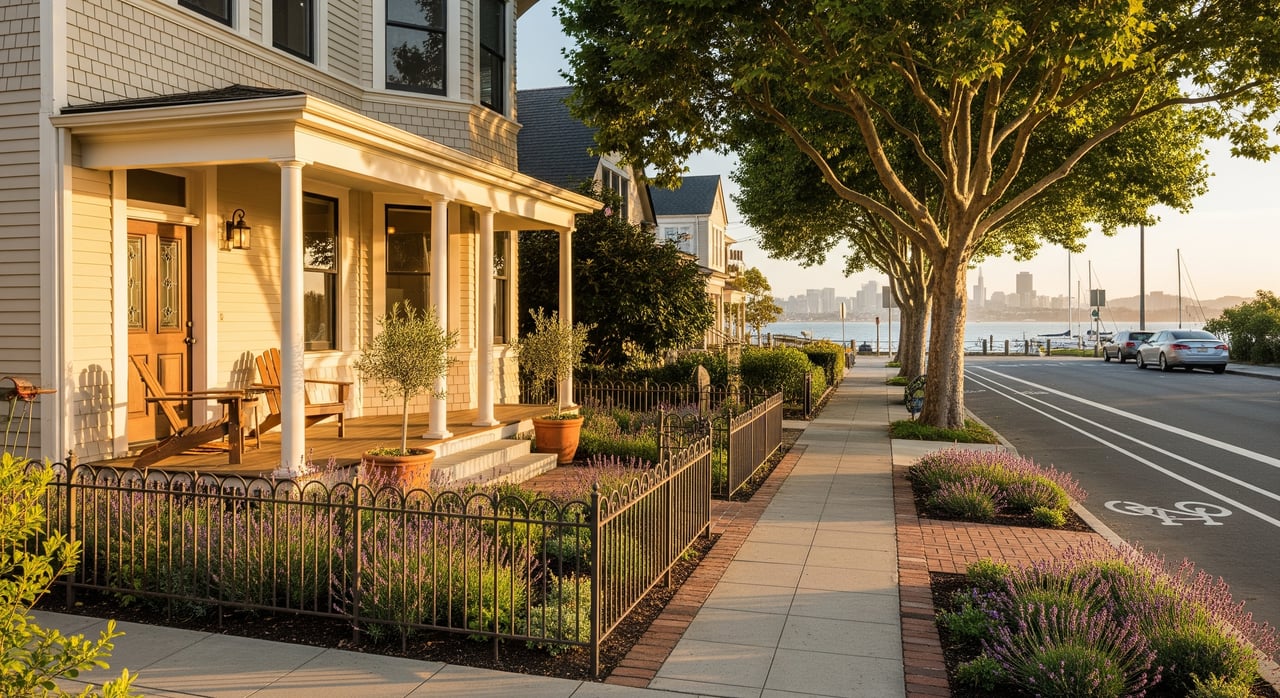
NOBE does not reflect one single era of development. Historic planning materials for North Oakland describe the area as part of a streetcar-suburb corridor that filled in as electric rail expanded, with growth accelerating after the 1906 earthquake.
That history helps explain why you can find older Victorian-era homes, substantial Craftsman and Colonial Revival houses, flats, and later infill within a short distance. Berkeley's housing planning materials also note that styles can vary street by street, with early transportation hubs creating mixed building clusters and the first three decades of the 1900s filling in open land between older centers.
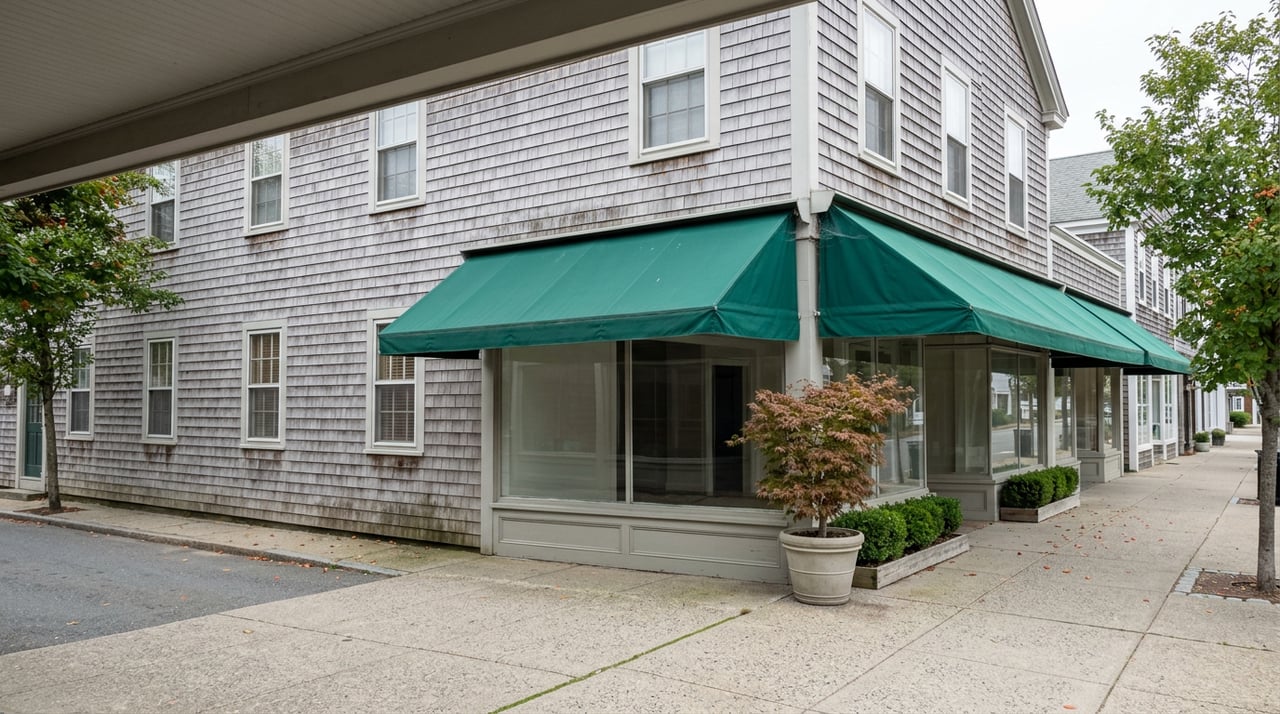
Emeryville adds another layer to the story. Its more recent shift from an industrial town to a mixed-use urban center brought in thousands of housing units, including adaptive reuse projects that look and live very differently from traditional houses.
Craftsman Homes in NOBE
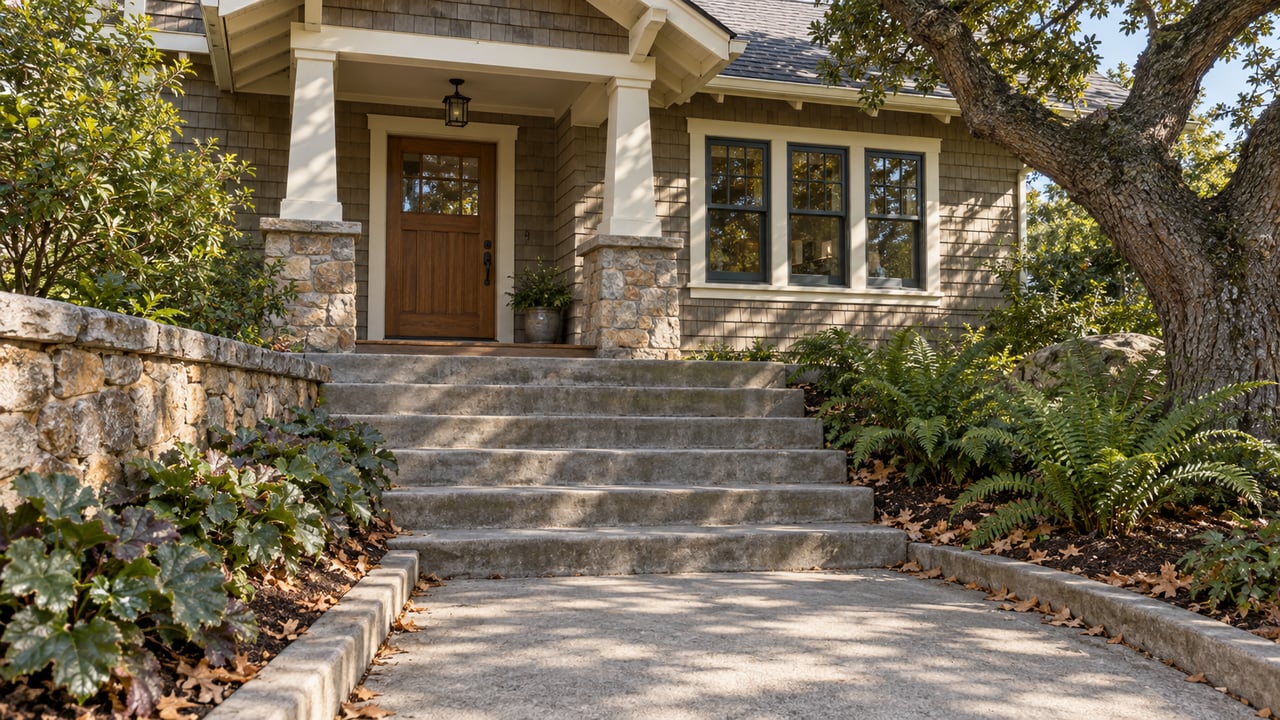
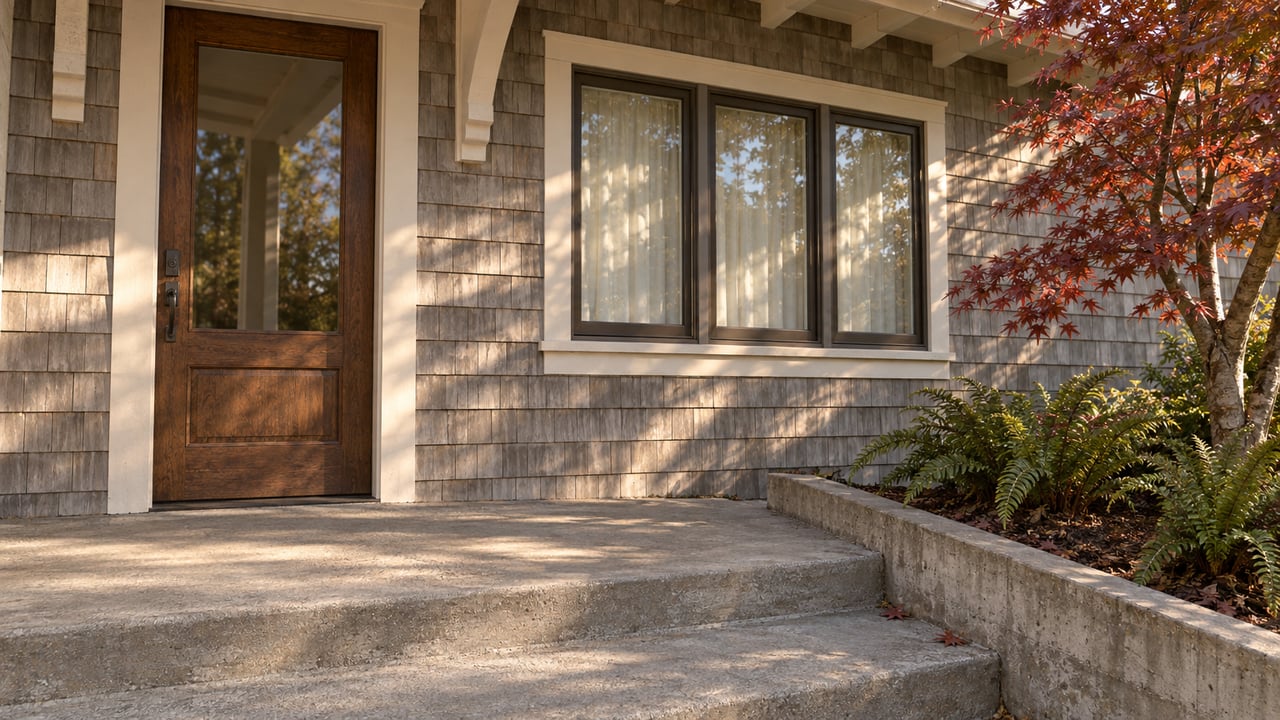
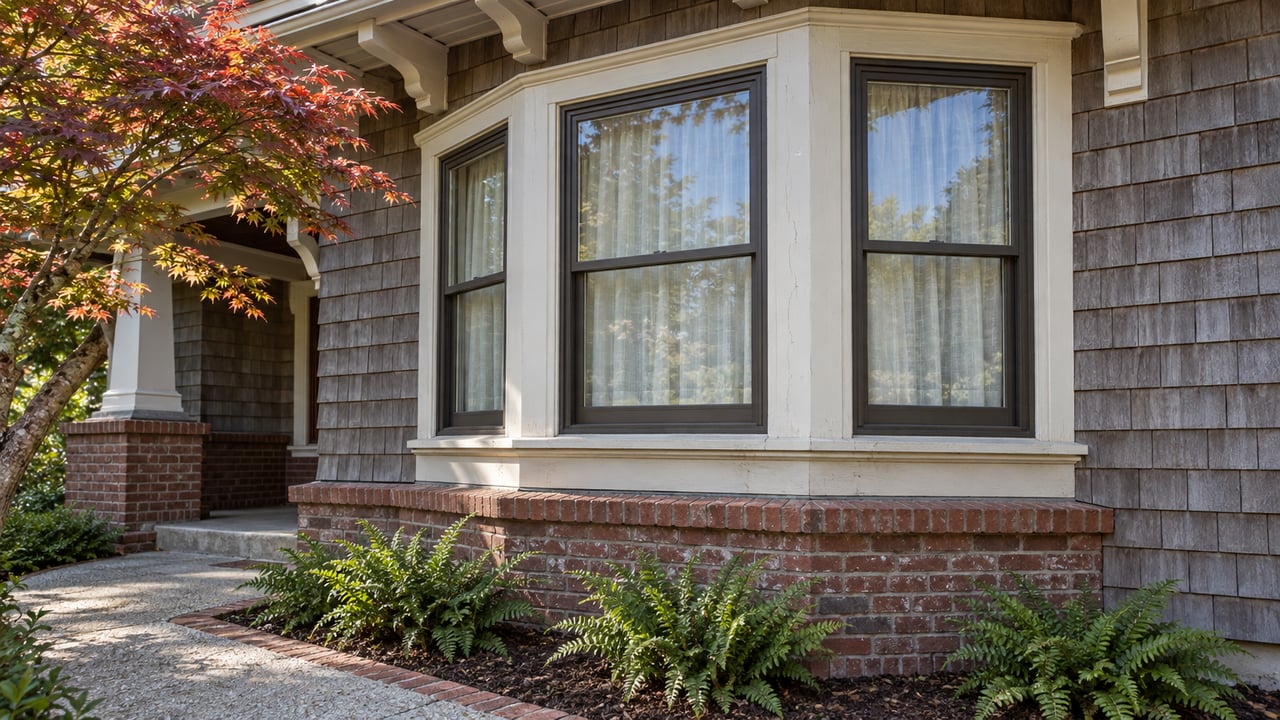
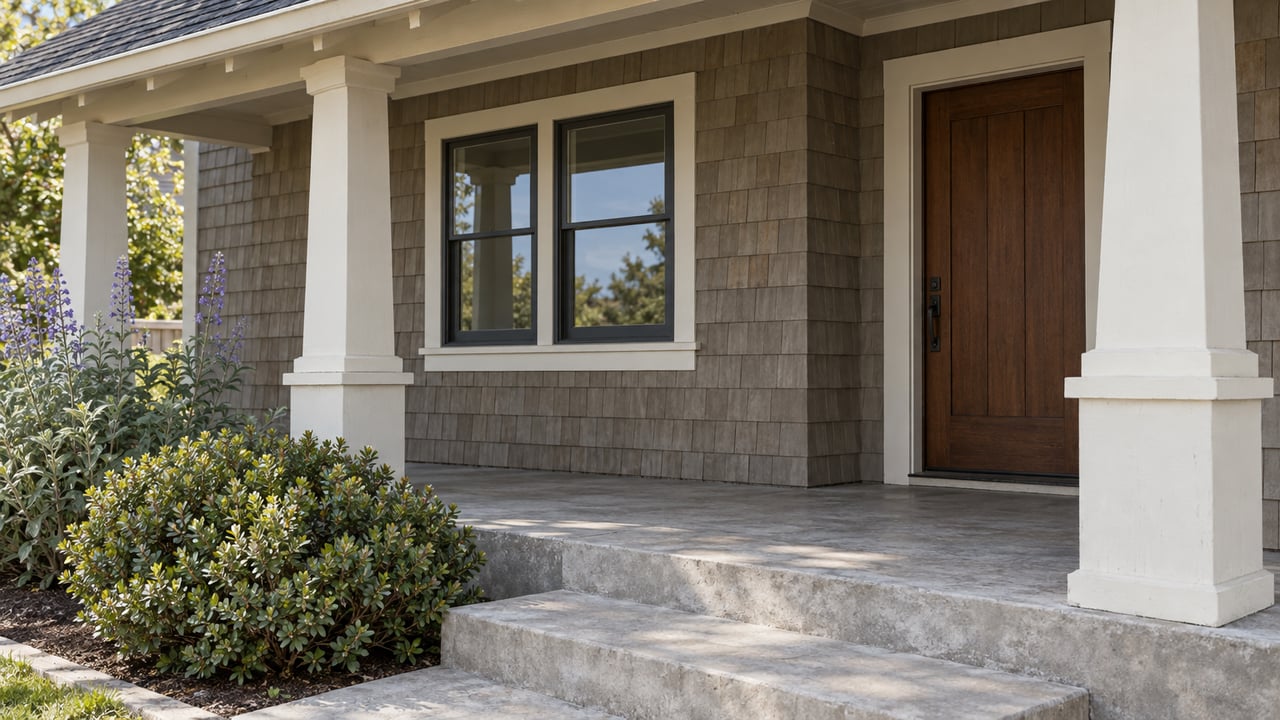
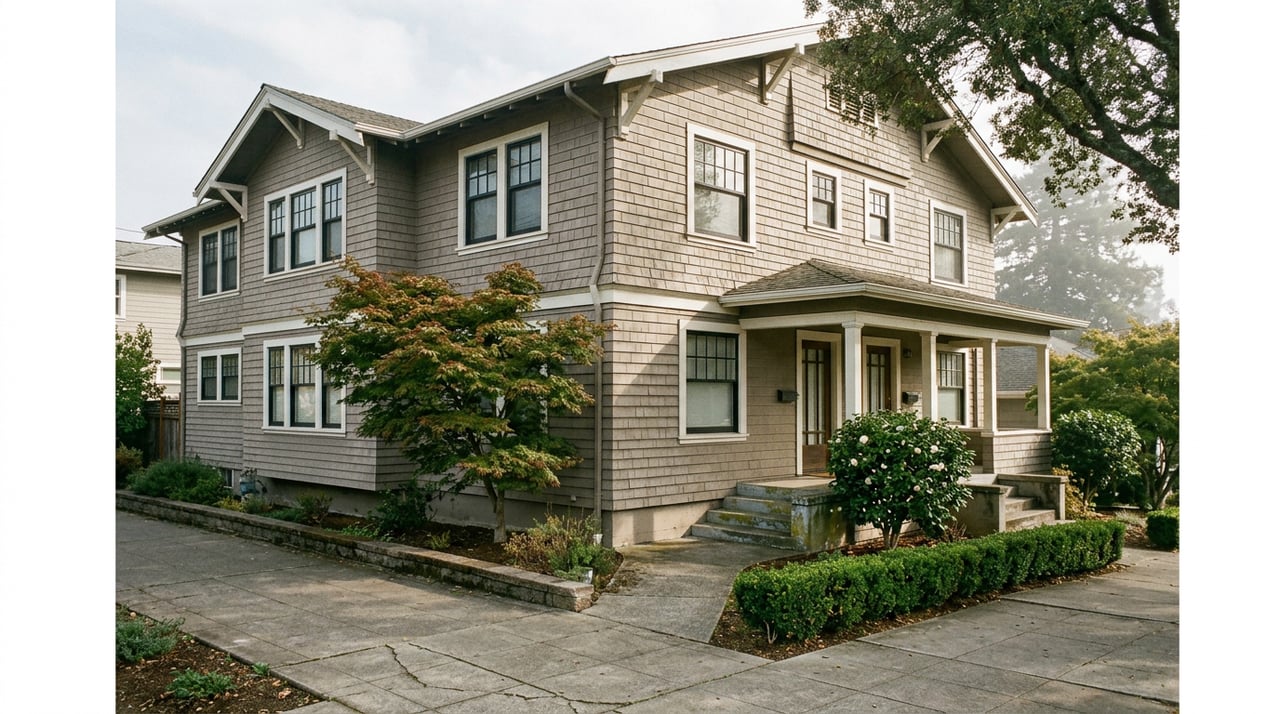
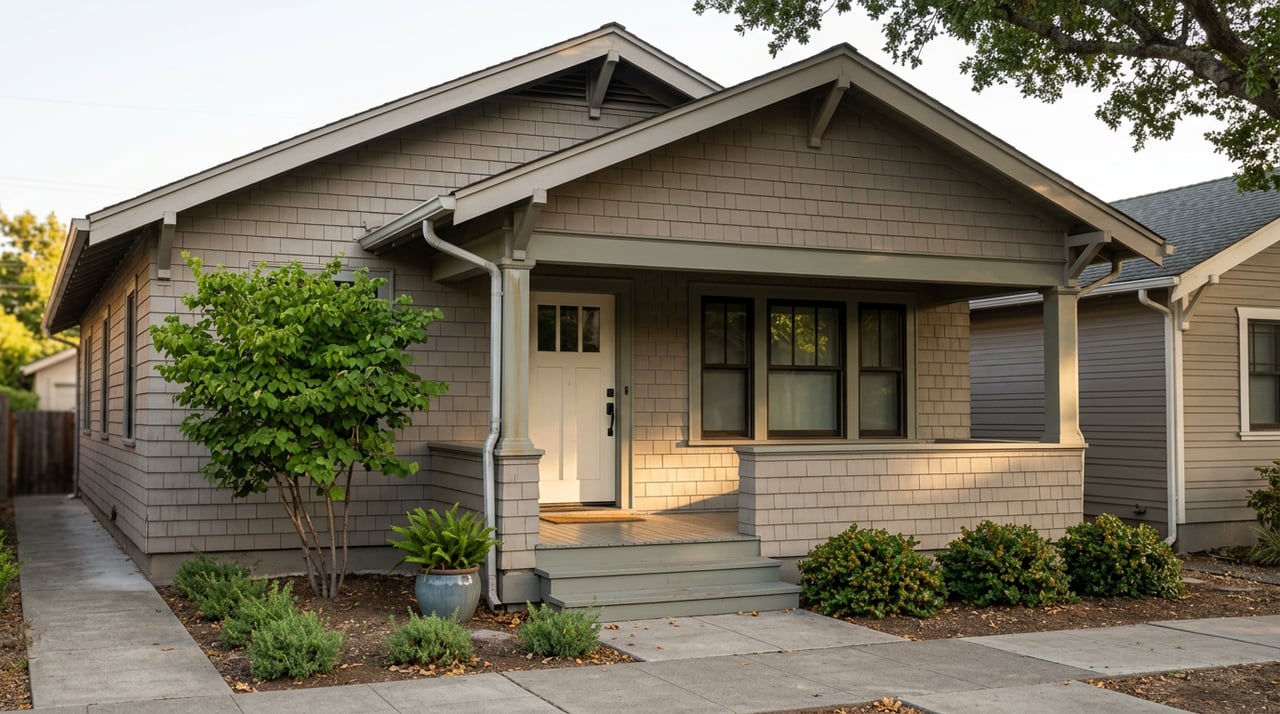
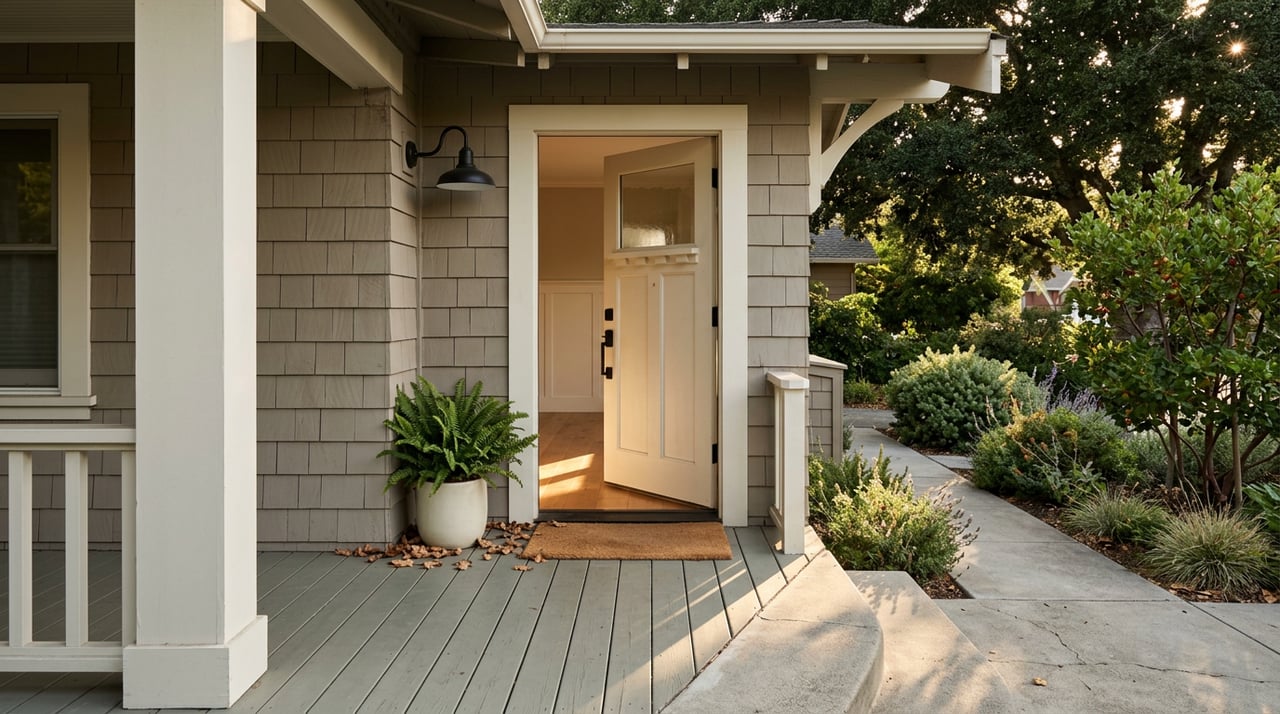
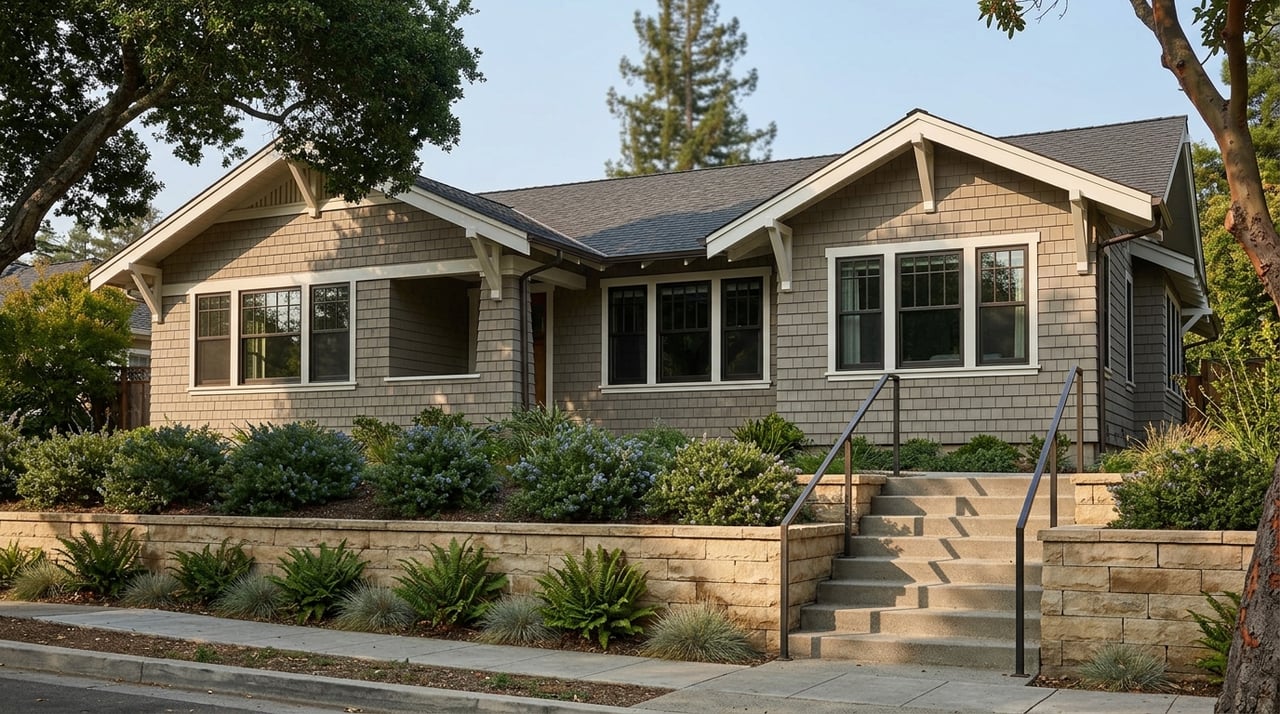
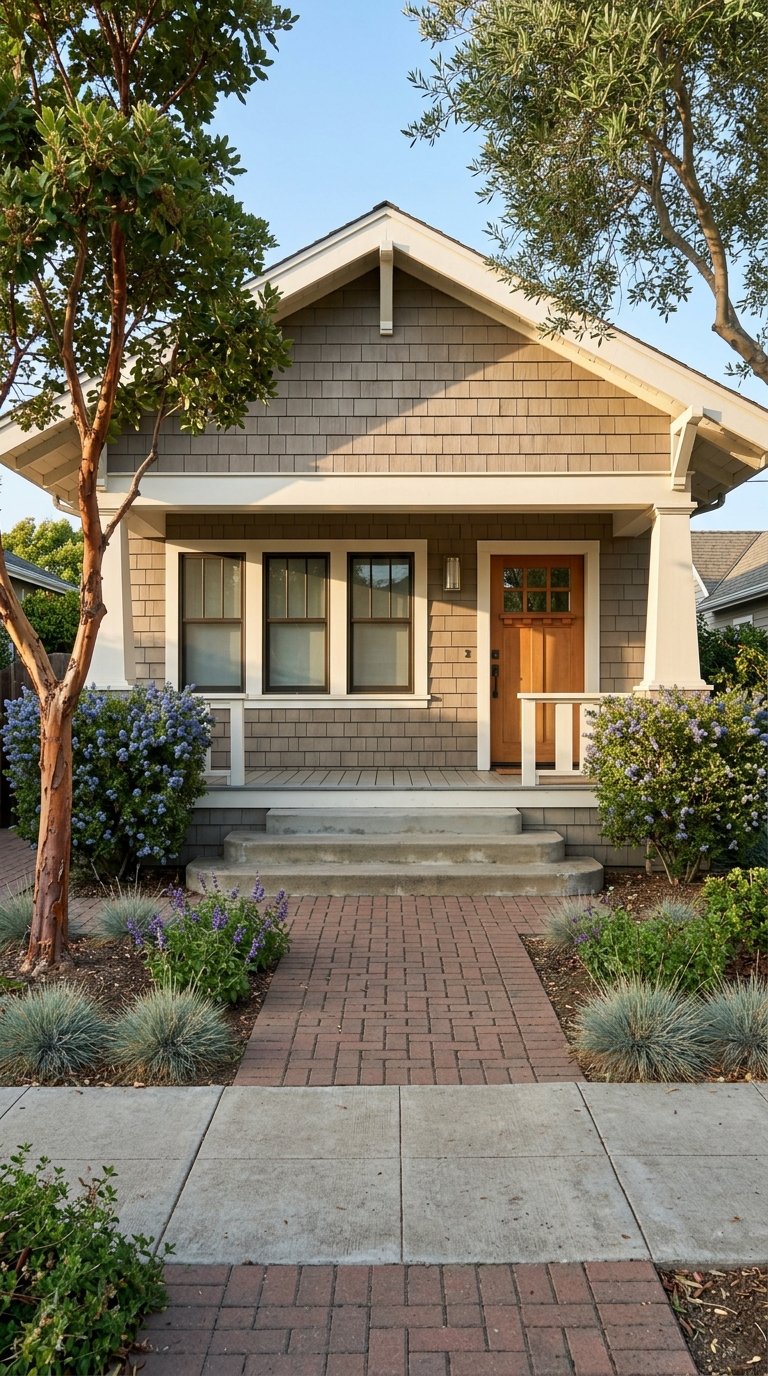
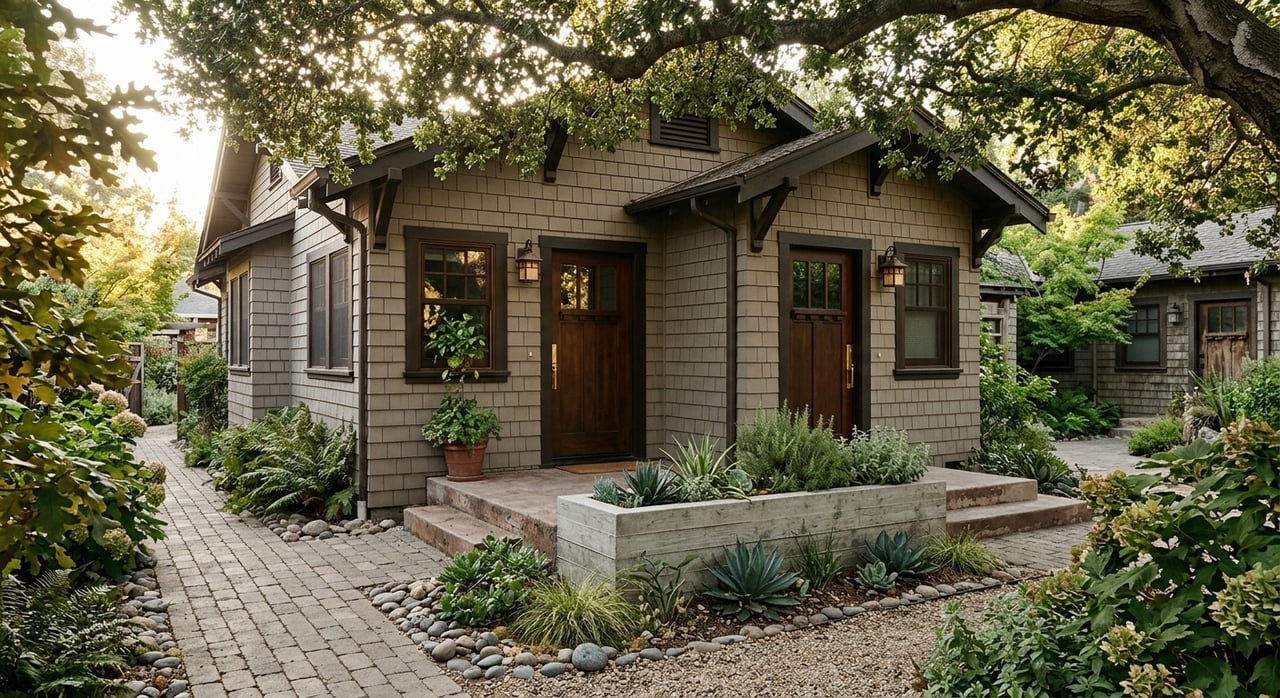
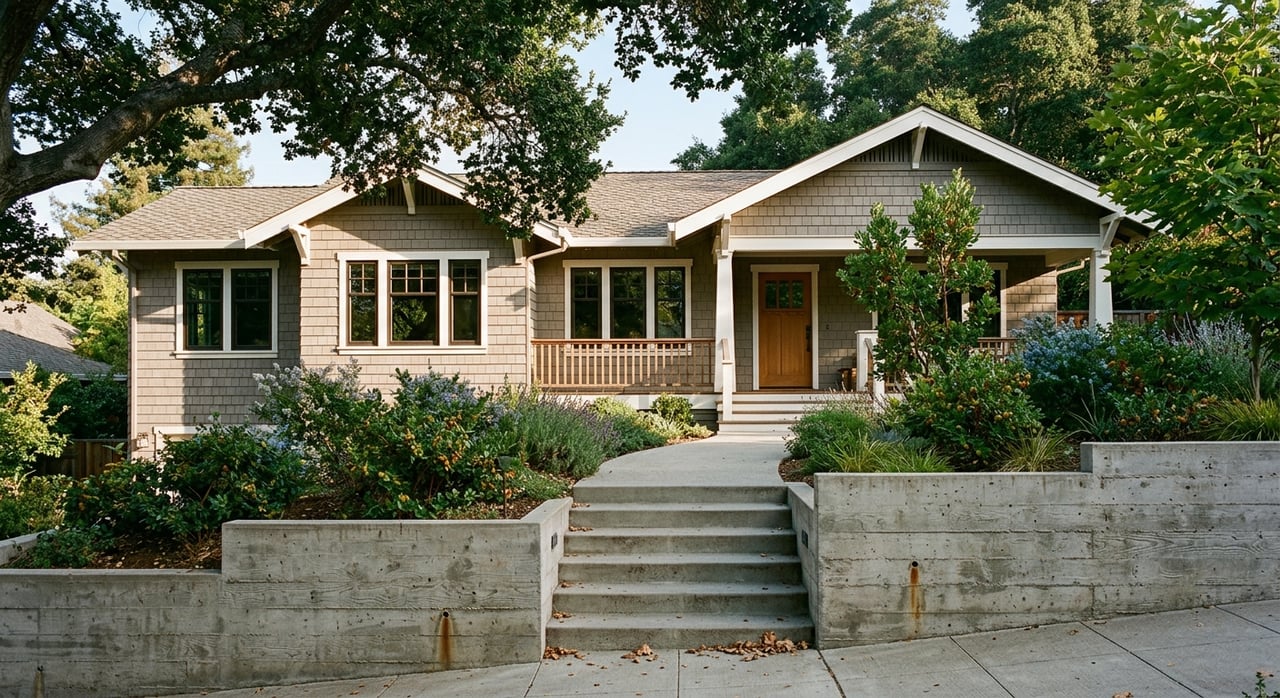
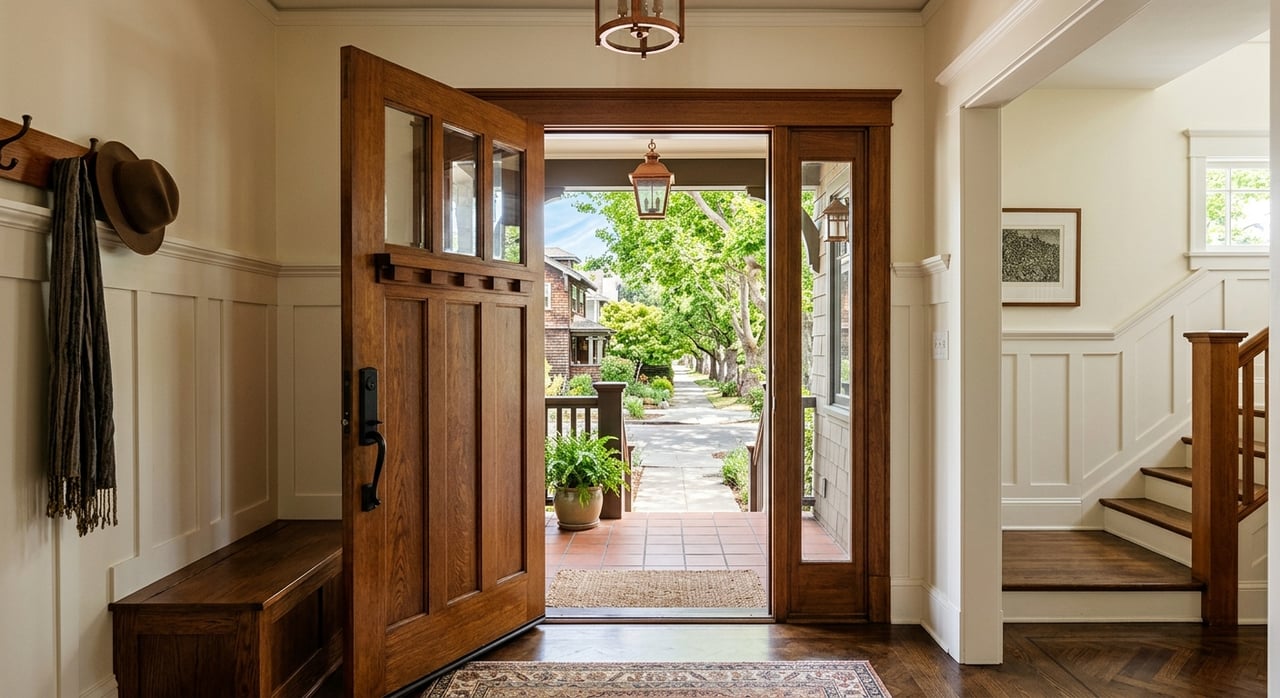
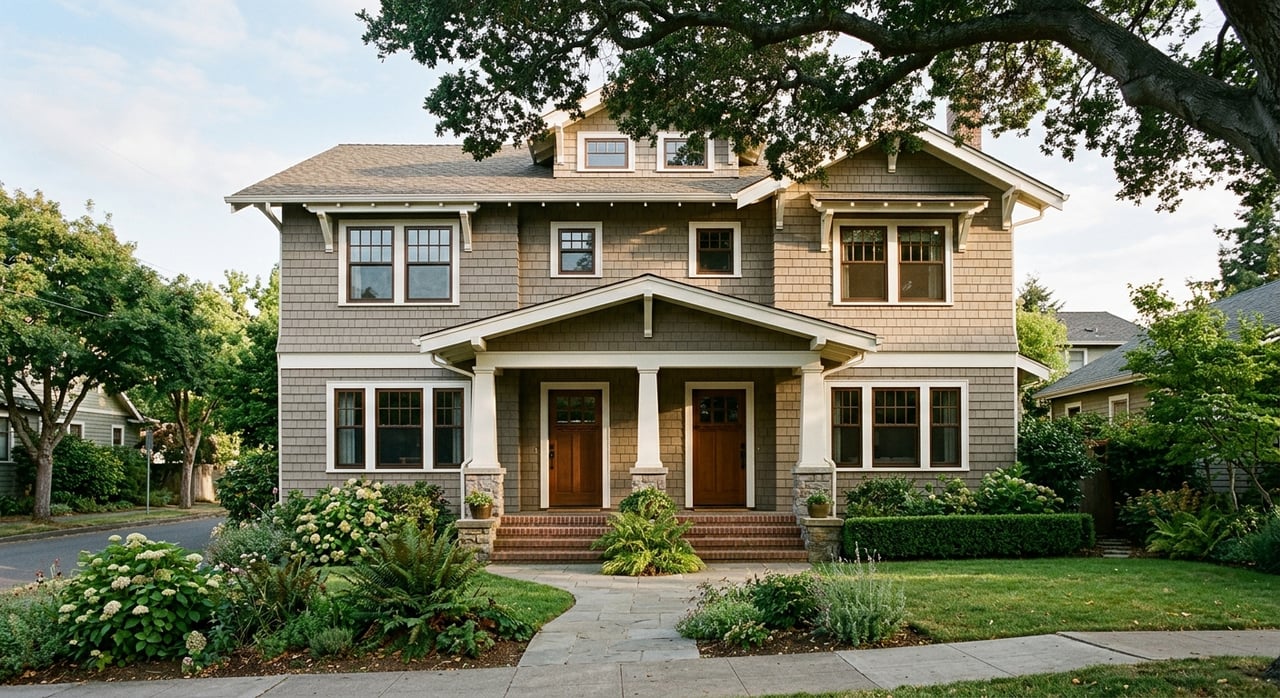
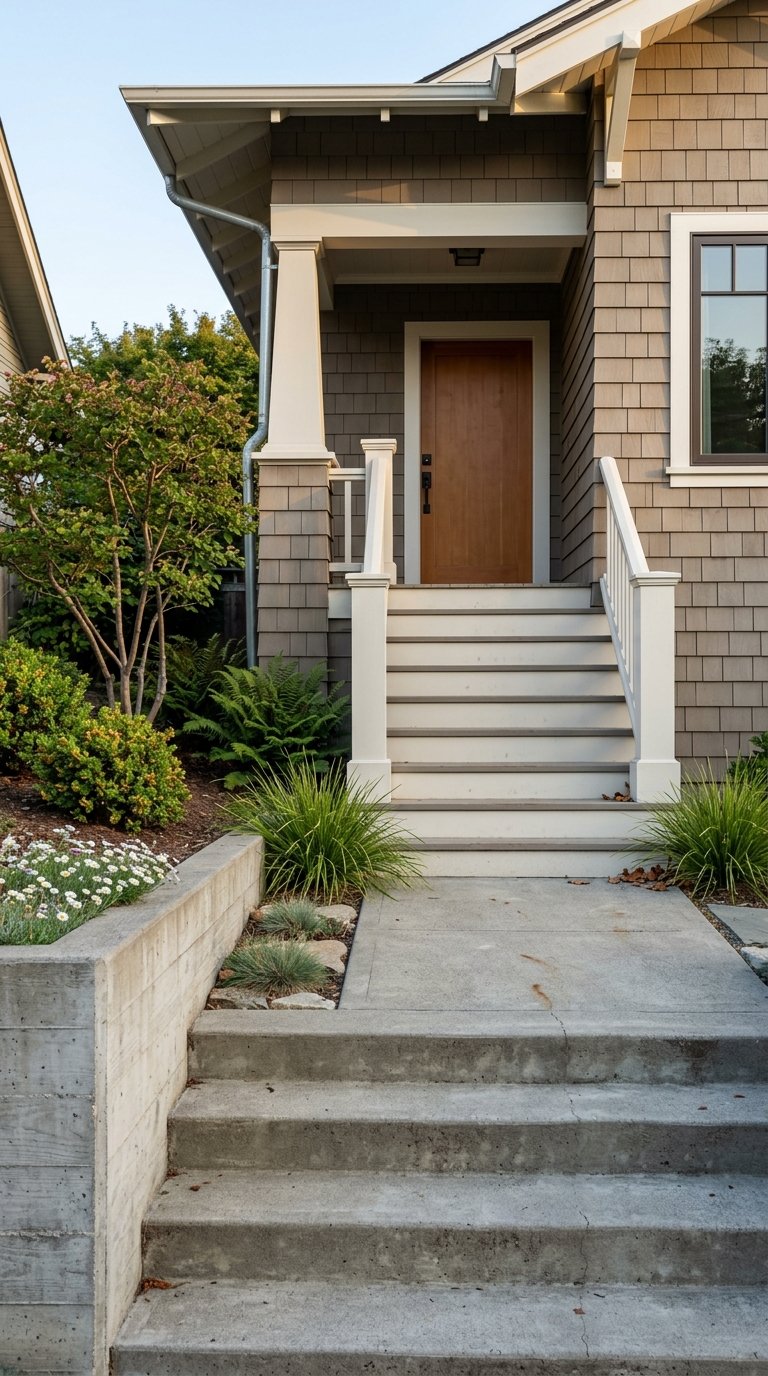
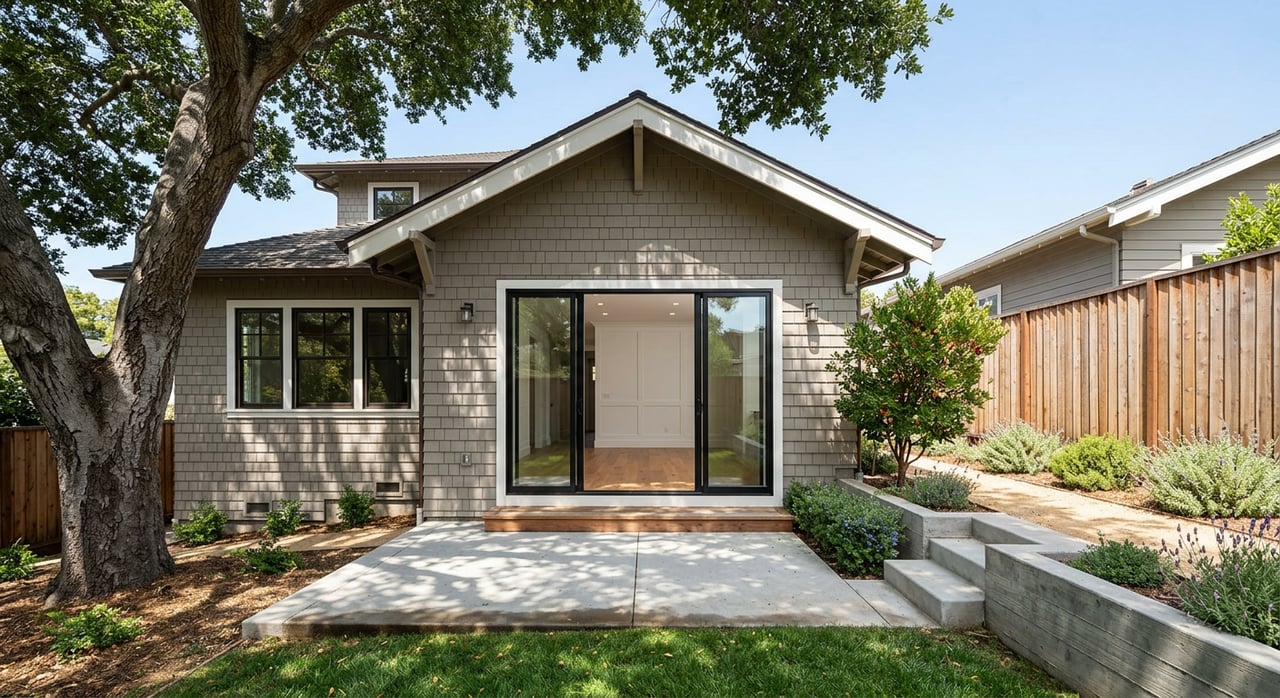
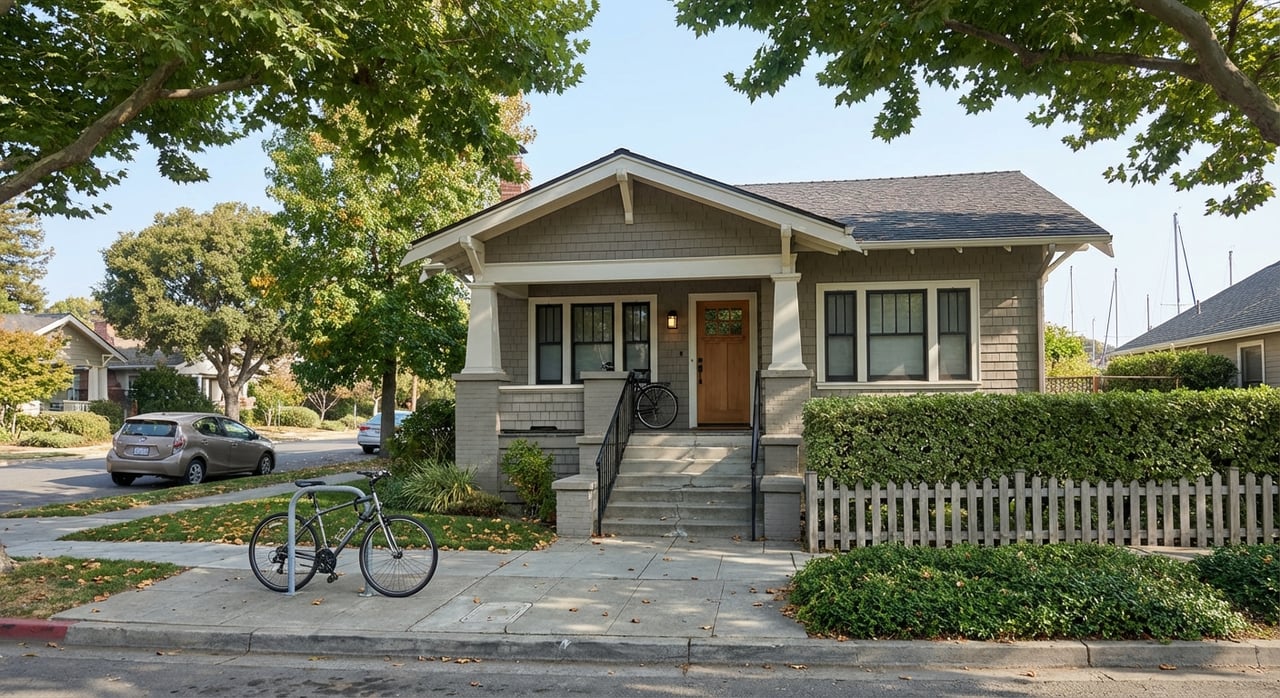
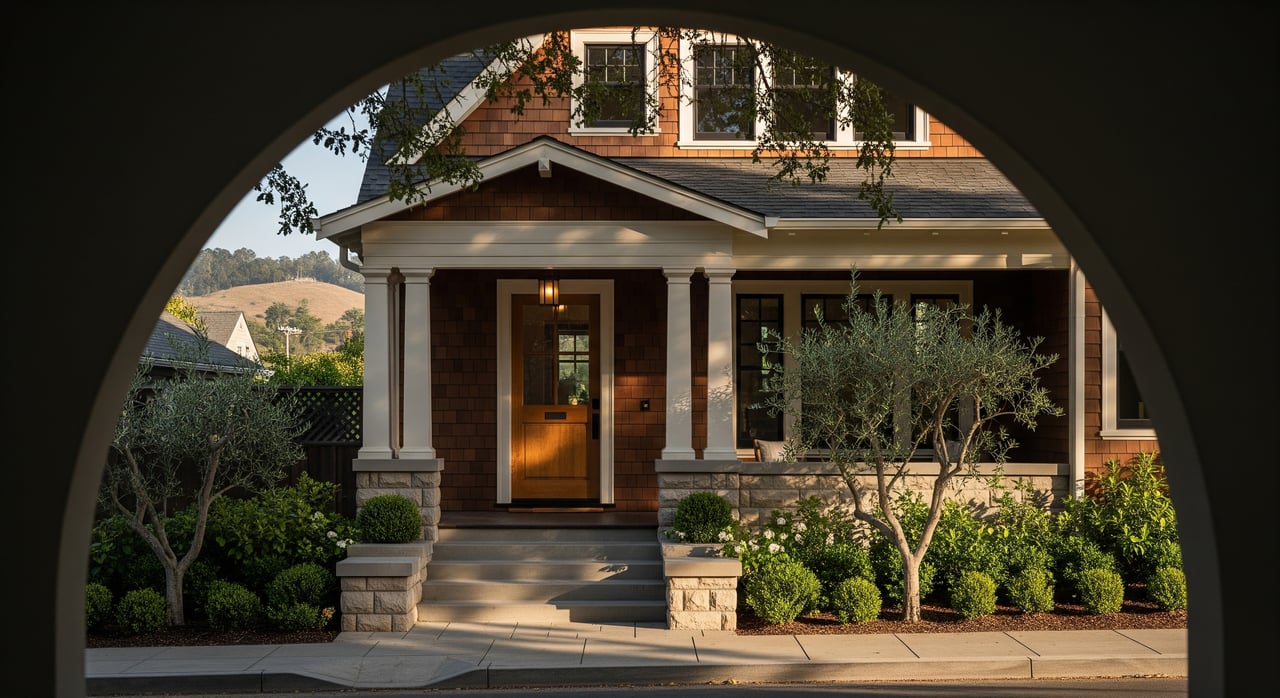
One of the most recognizable pre-war home types in NOBE is the Craftsman. In the Bay Area, the National Park Service describes the Craftsman bungalow as usually one to two stories with broad, gently pitched gables, a porch often covered by a lower gable, and a layout that emphasizes openness and connection to the outdoors.
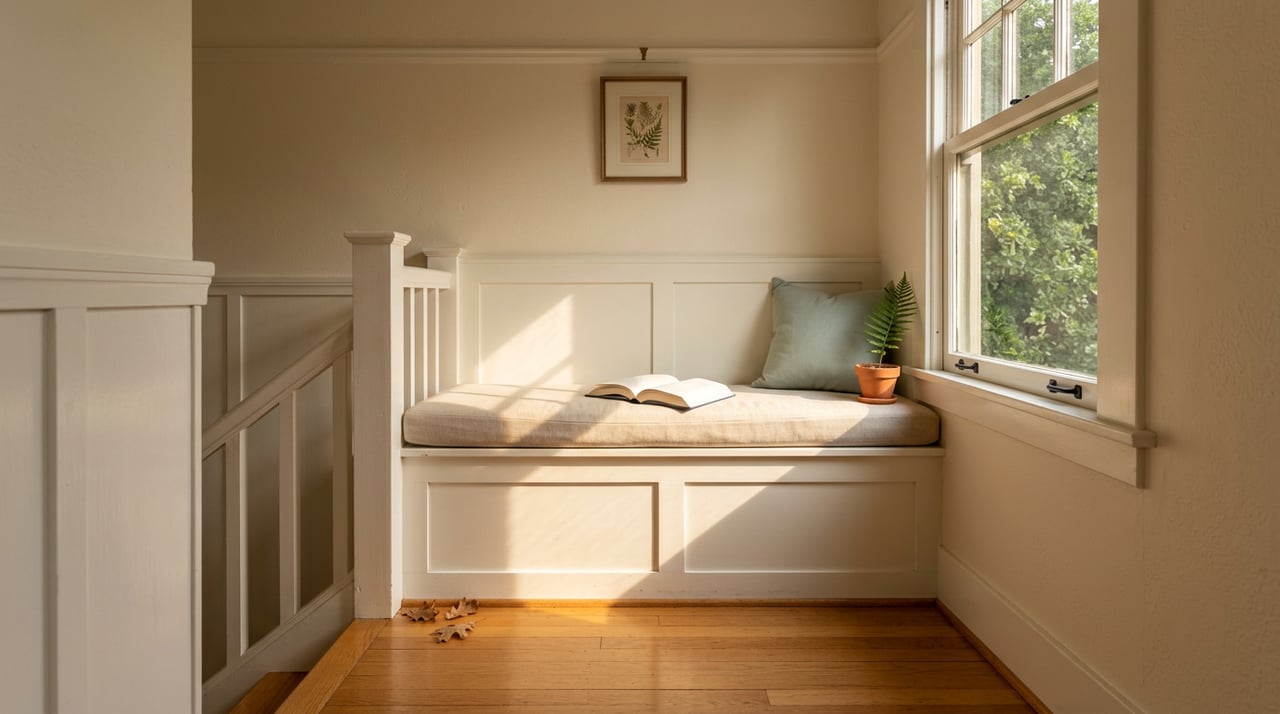
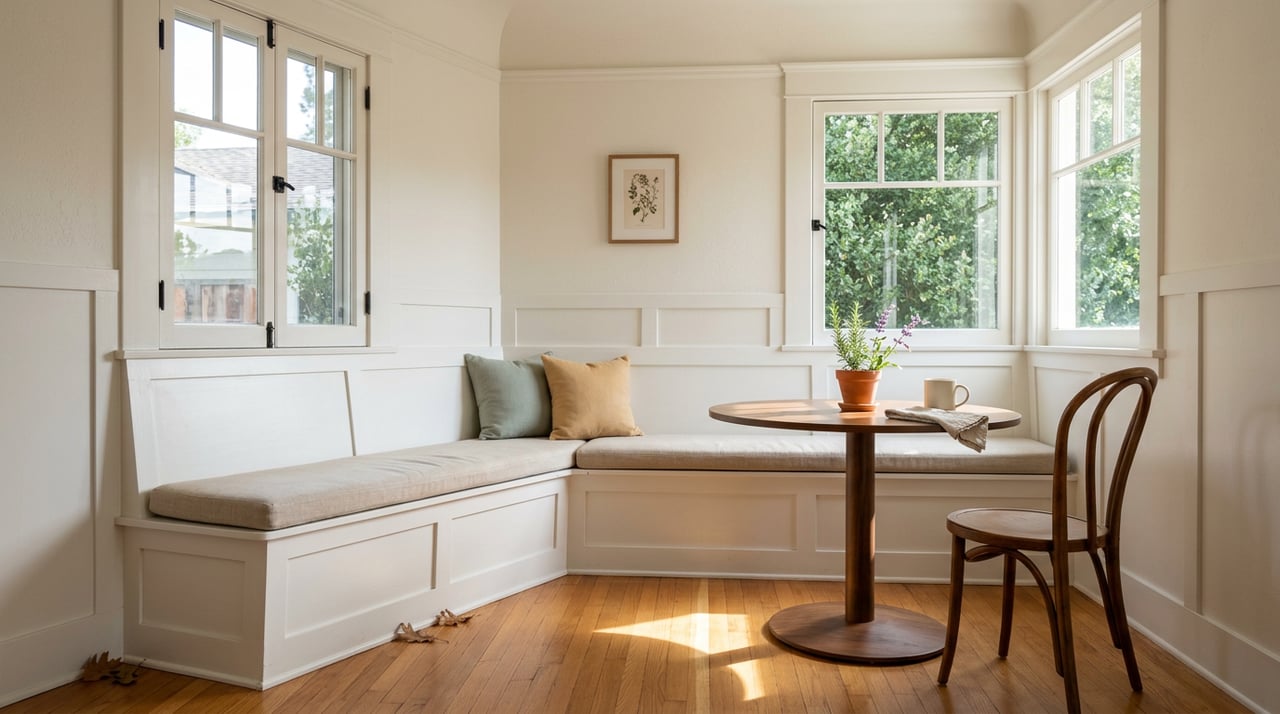
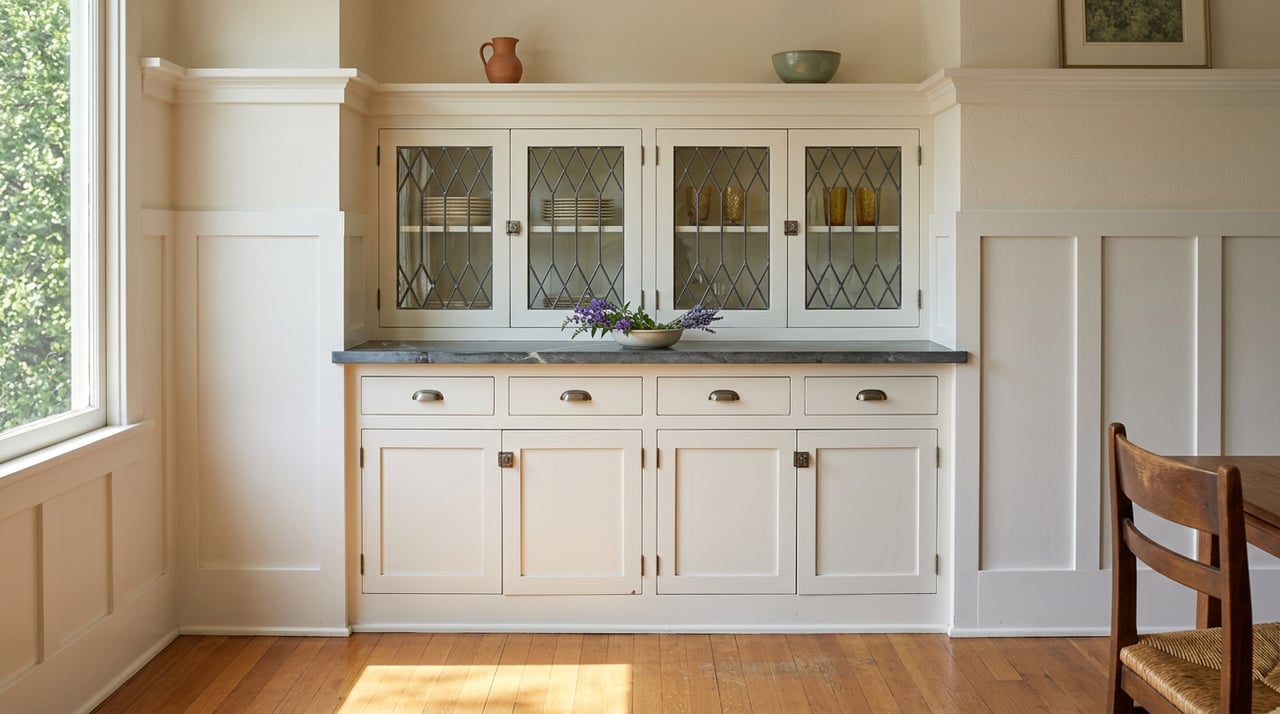
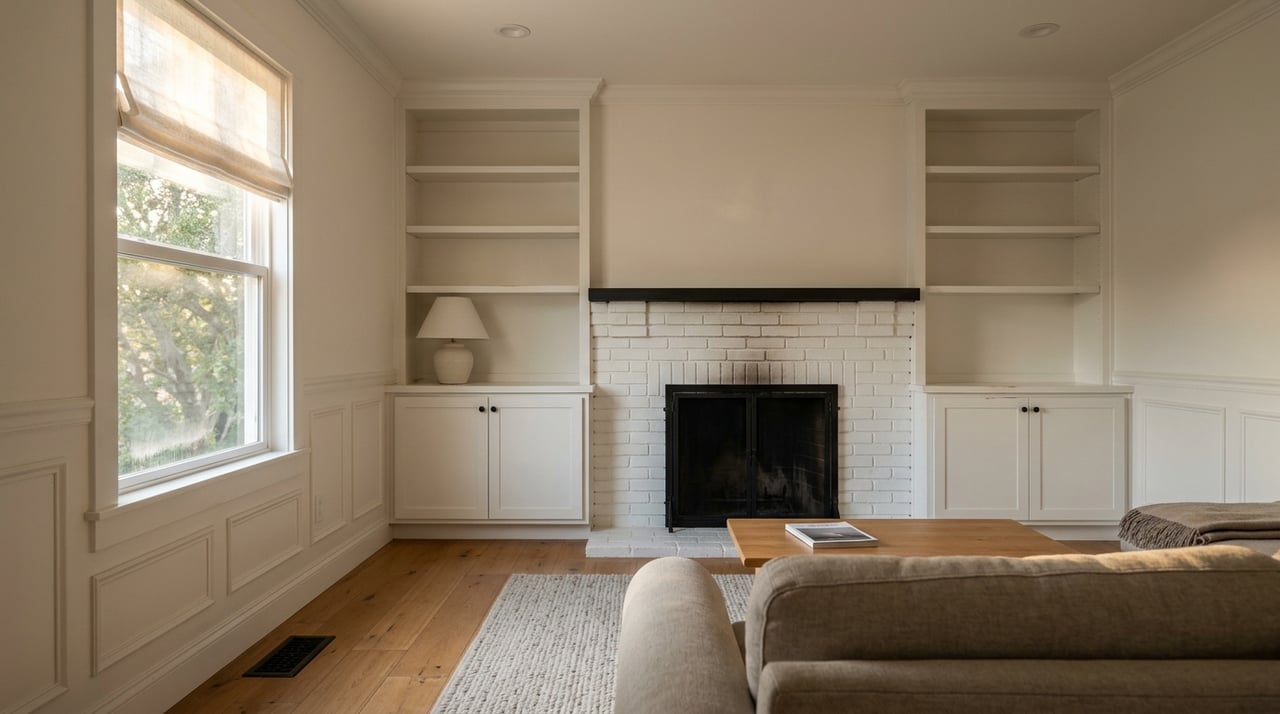
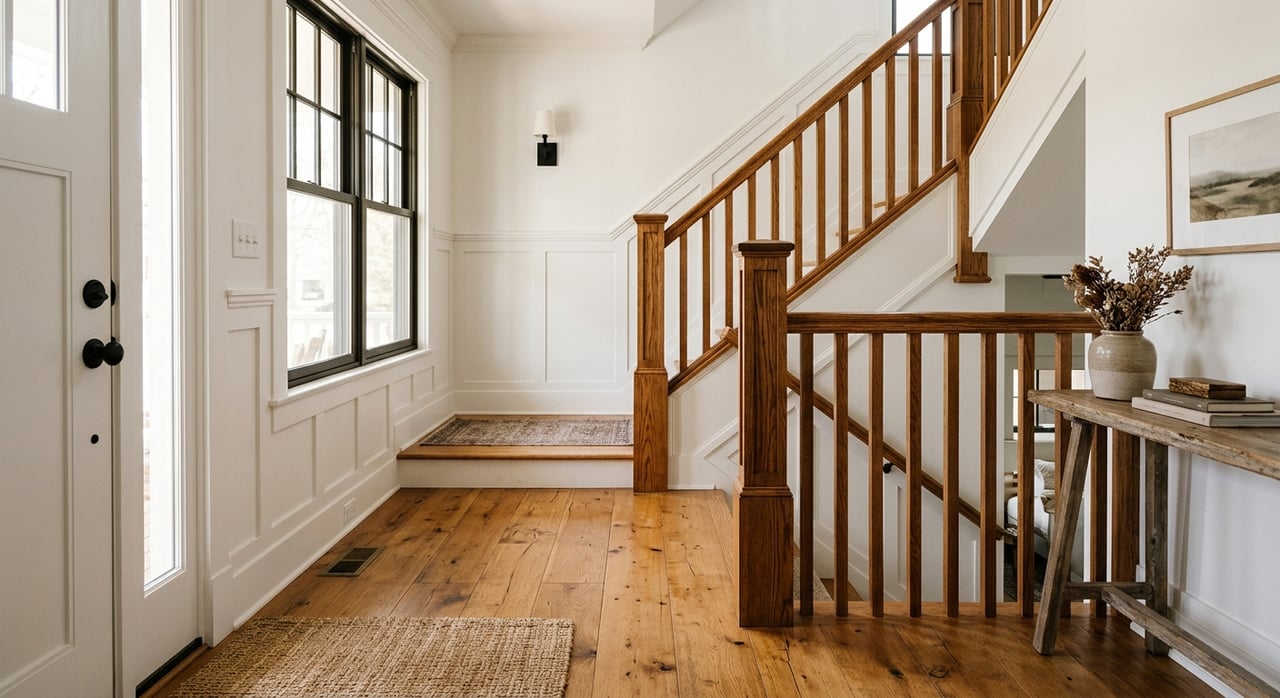
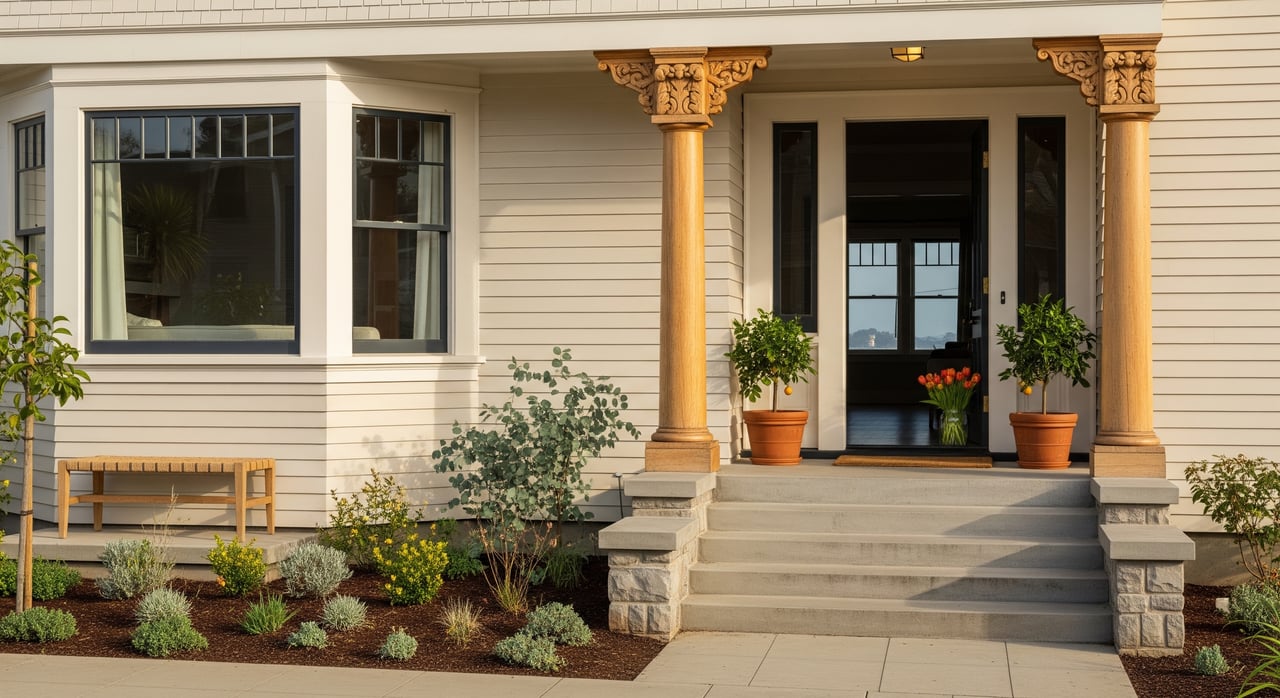
In practical terms, these are often the homes buyers notice for their character first. You may see stained woodwork, inviting front porches, and compact but thoughtful layouts that feel warm and lived-in from the moment you walk up.
What Buyers Usually Love
Craftsman homes tend to appeal to buyers who want original details and a sense of architectural identity. In NOBE, they often sit on older flatland blocks tied to the area’s early-1900s growth rather than only inside formal historic districts.
For many buyers, that means a chance to own a home with personality in a location that still feels deeply connected to the East Bay’s early development pattern. If design matters to you, this style often stands out quickly.
What to Check Before You Buy
Older charm can come with extra review requirements. Berkeley and Oakland both maintain historic preservation systems, and designated properties may require permits or review for exterior changes.
Oakland also notes that higher-rated historic properties can face stronger design review and, for major alterations or demolition, even CEQA review. If you are considering updates, it is smart to confirm early whether a property has any historic designation or preservation constraints.
Postwar Cottages and Ranch-Style Homes
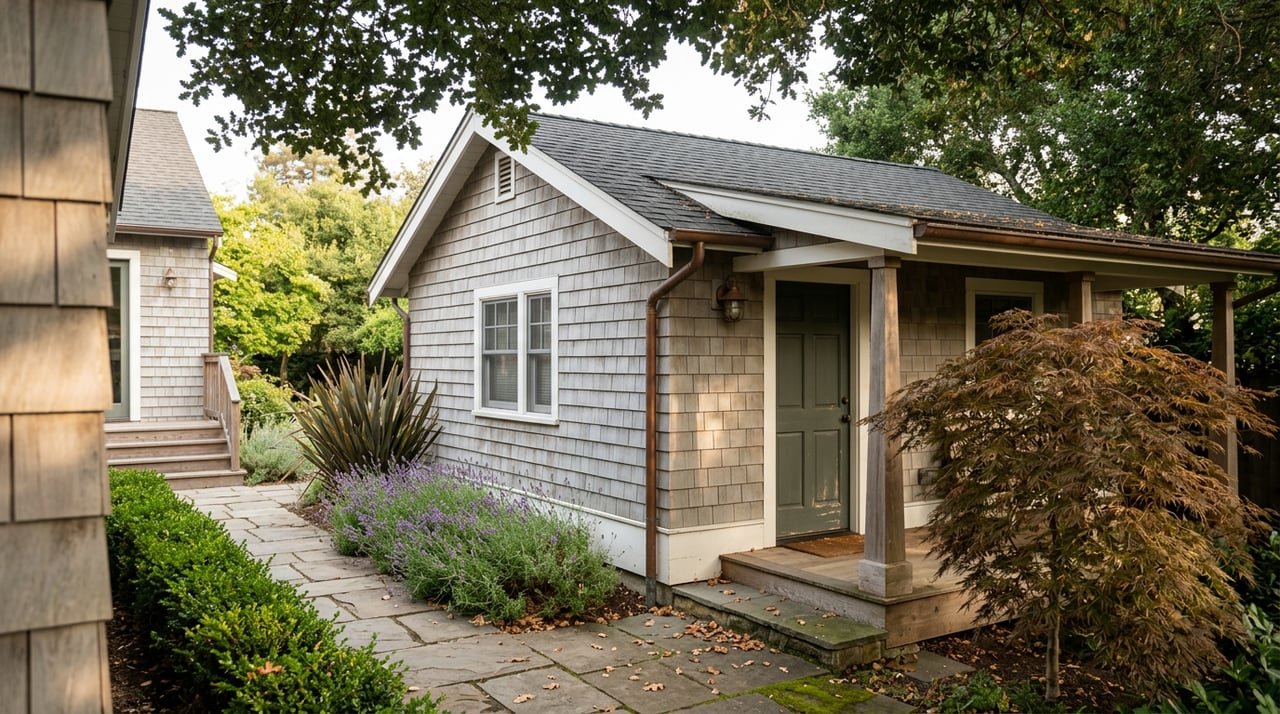
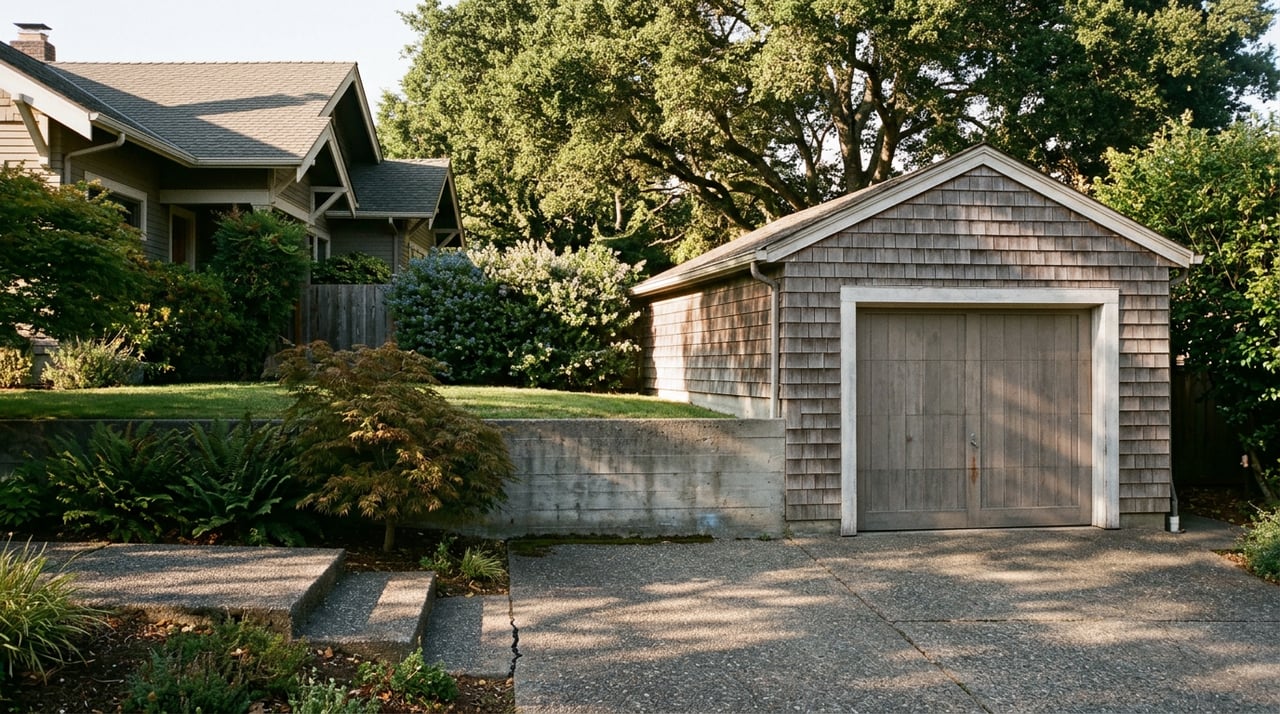
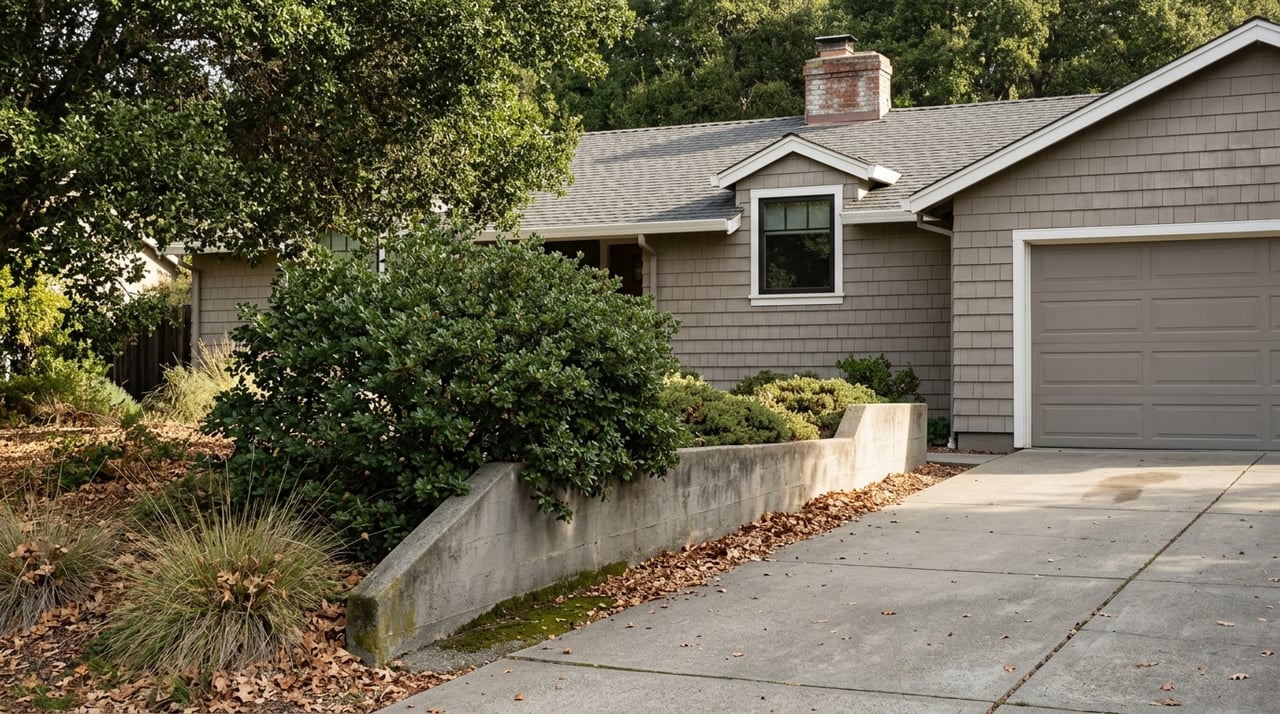
Not every older-looking home in NOBE is a Craftsman. Oakland's planning documents note that from 1930 to 1950, the city added thousands of simple wood or stucco cottages, and the postwar years brought more tract housing and California ranch homes.
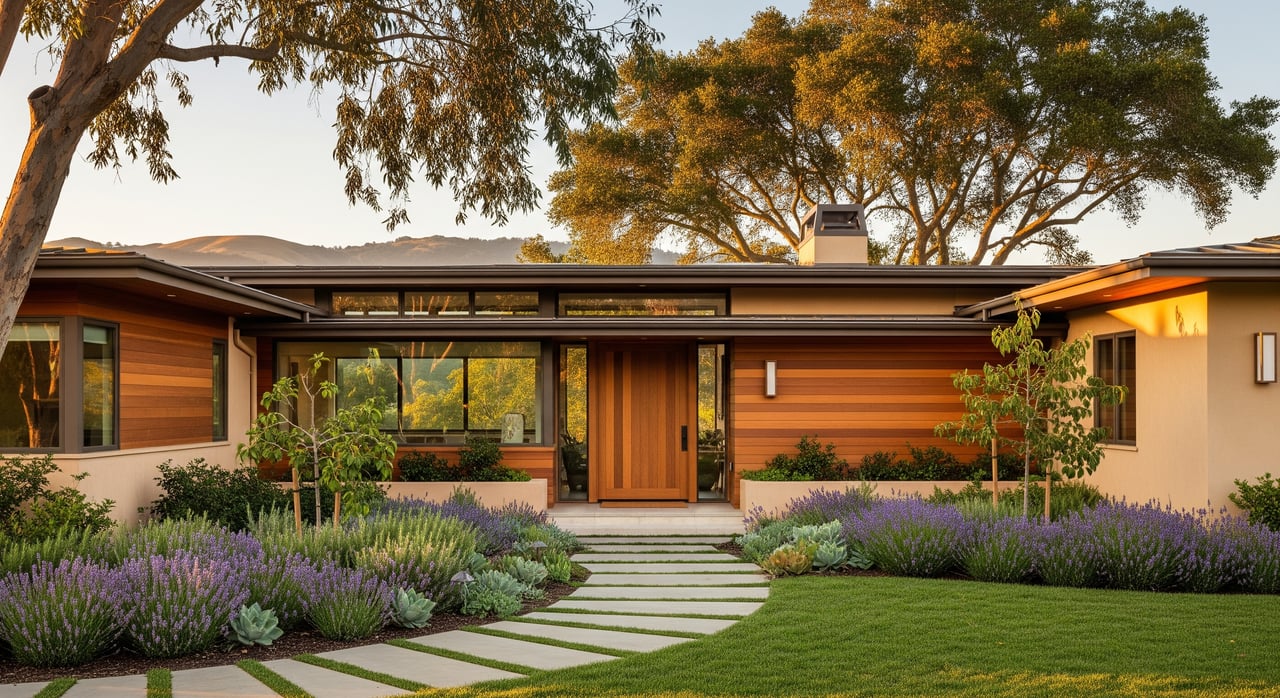
The National Park Service describes ranch houses as low, horizontal homes with low-pitched roofs, wide eaves, picture windows, rambling floor plans, and often attached garages. In NOBE, buyers sometimes loosely call these mid-century bungalows, but many are better understood as postwar cottages or ranch-style homes.
How They Feel Different From Craftsman Homes
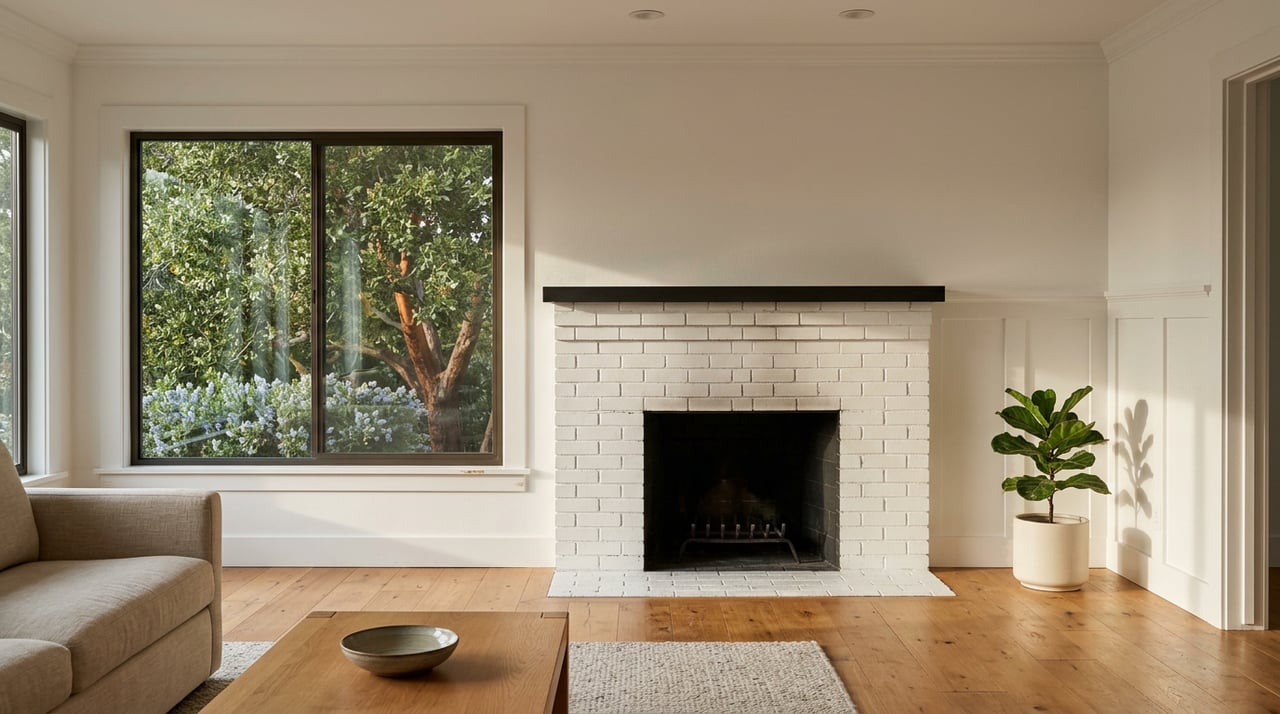
These homes usually trade ornament for function. You may find simpler facades, more straightforward floor plans, and a stronger focus on usable square footage and parking.
That can be a plus if you want a home that feels easier to read and maintain. While they may not offer the same handcrafted detailing as a pre-war home, they often appeal to buyers who prioritize practicality.
Condos in NOBE
Condos are common in parts of the NOBE area, especially where newer infill and mixed-use development has taken shape. It is important to remember that a condo is not just a building style. In California, it is an ownership form within a common-interest development.
According to the California Department of Real Estate, when you buy a condominium in that type of project, you automatically become a member of the homeowners association. That matters because the HOA handles many shared responsibilities tied to the property.
Why Buyers Choose Condos
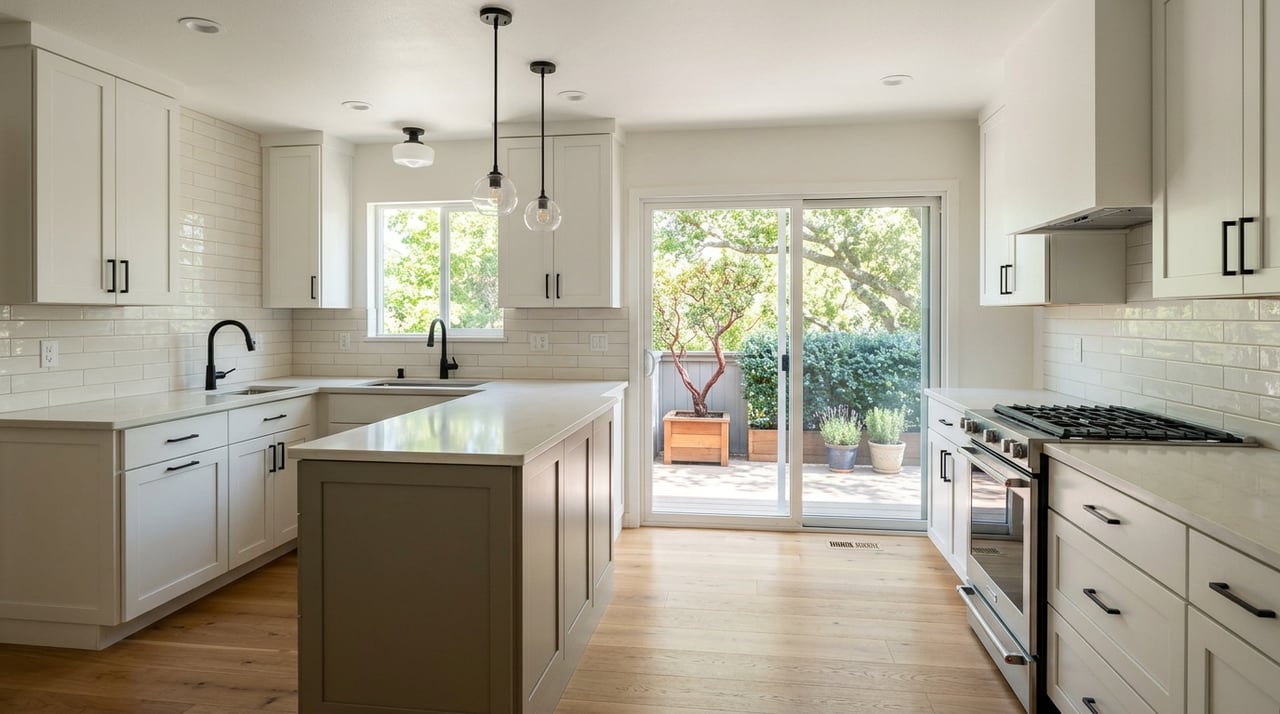
Condos can be a strong fit if you want less exterior maintenance than a detached house. In a mixed housing area like NOBE, they also offer an entry point into the market for buyers who want location and convenience without taking on the full upkeep of an older standalone home.
Berkeley's housing element notes that 55% of the city's housing stock is multifamily and that most recent construction has been multifamily and mixed-use. That helps explain why newer condos in the Berkeley edge of NOBE often appear in infill or larger mixed-use settings.
What to Review Carefully
Before buying, make sure you understand the HOA structure, shared responsibilities, and any building rules that could affect daily life. In condo living, the ownership details can matter just as much as the floor plan.
TICs in NOBE
A TIC, or tenancy in common, is also an ownership structure rather than a visual style. The California Department of Real Estate defines a TIC as an undivided-interest arrangement where occupancy rights are assigned to particular units through a TIC agreement.
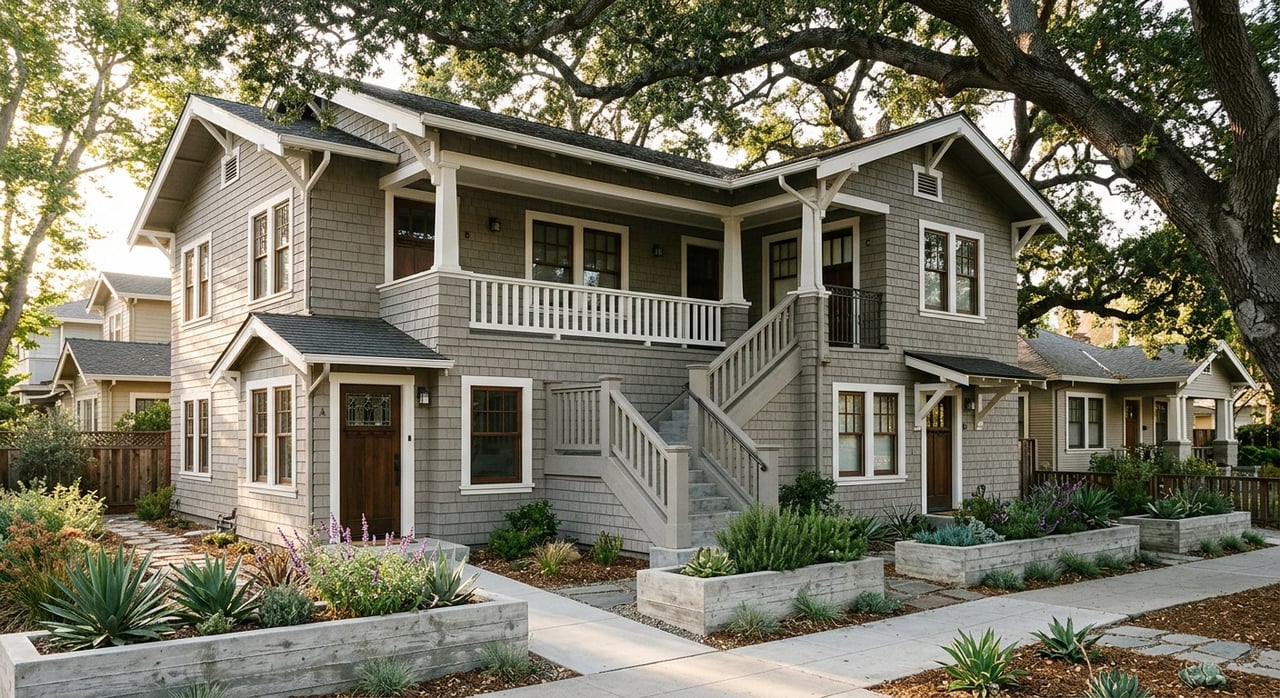
That agreement also lays out practical terms such as unit occupancy and tax apportionment. In a place like NOBE, where many blocks include small lots and older one-to-four-unit buildings, TICs often appear in converted flats or smaller apartment buildings.
Why TICs Can Be Confusing at First
From the street, a TIC may look like a duplex, triplex, or classic flat building. What makes it different is the legal and financial structure behind the ownership.
If you are comparing a TIC to a condo, the key is to look beyond finishes and square footage. You also want to understand the shared ownership agreement and how responsibilities are divided among the co-owners.
Loft-Style Homes Near NOBE
If you are drawn to open floor plans and industrial character, loft-style housing is most closely tied to nearby Emeryville. The city's history notes that former industrial properties were redeveloped into commercial and residential projects in the 1990s and 2000s, including the conversion of the old Emeryville Warehouse building into 141 residential lofts.
Oakland's permitting guidance also explains that live/work or work/live units can be created within existing buildings, and that these adaptive-reuse spaces grew out of warehouses and other industrial buildings with large windows and open interiors.
What Loft Buyers Often Appreciate
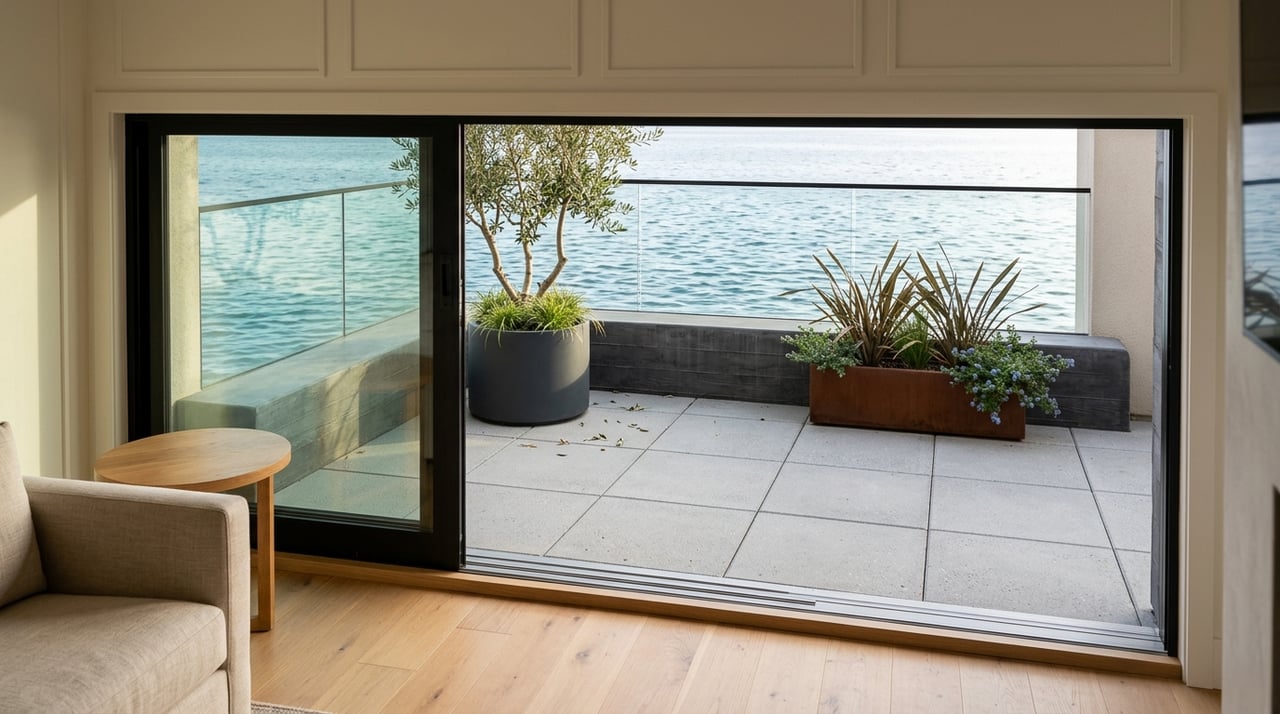
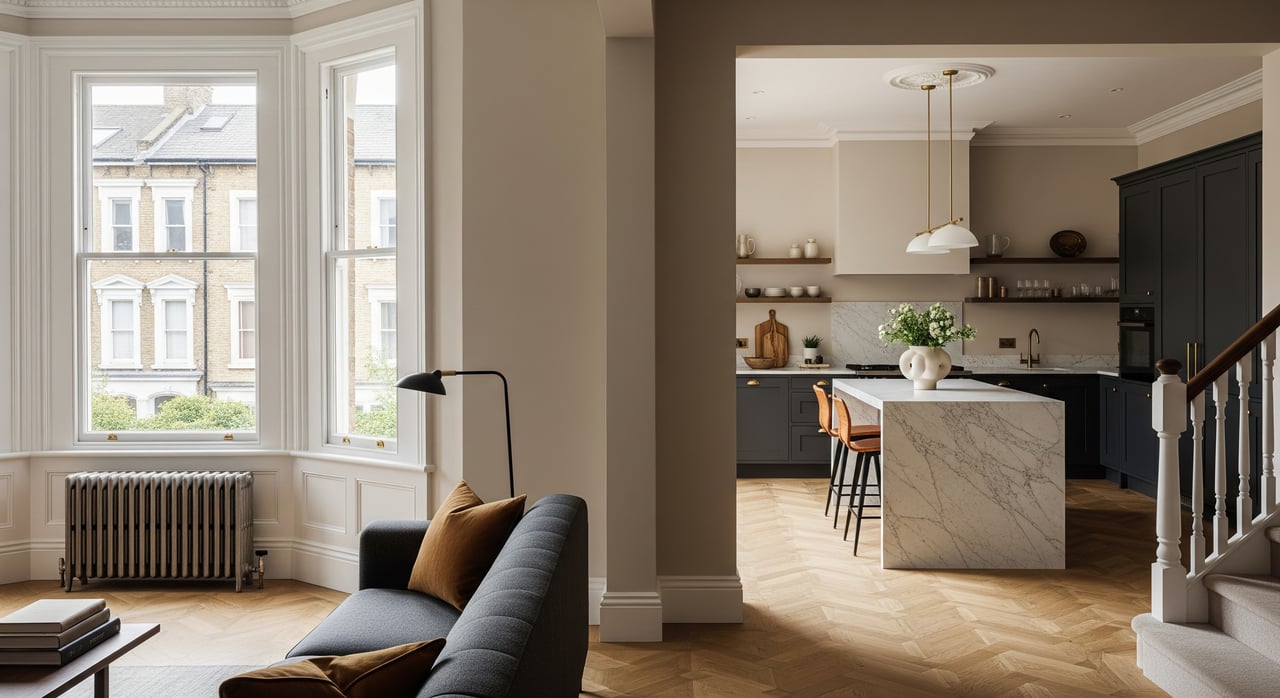
The appeal is usually clear right away. Lofts often offer high ceilings, large windows, and a sense of openness that feels very different from compartmentalized older homes.
For buyers who care about design, volume, and a more urban feel, that can be a big draw. These homes often bring a different kind of personality than a porch-front bungalow or postwar cottage.
What to Confirm on Tour
Loft-style homes can come with a few practical quirks. Some have fewer enclosed rooms, some are standard residential condos, and others may allow live/work use.
Parking, HOA rules, and the exact use classification can be just as important as the architecture. If you like the look, make sure the day-to-day setup works for how you actually live.
How to Compare Housing Styles in NOBE
When buyers start narrowing options in NOBE, the first filter is often not style alone. It is usually a mix of maintenance tolerance, ownership structure, and lifestyle fit.
A simple way to think about it is this:
- Craftsman homes offer character and original detail, but often ask more of you in maintenance and permitting awareness.
- Postwar cottages and ranch homes tend to feel simpler and more utilitarian, with a stronger focus on function.
- Condos can reduce exterior upkeep, but add HOA governance and shared-building considerations.
- TICs may offer space and location advantages, but require careful review of the ownership agreement.
- Lofts prioritize openness and industrial style, sometimes at the expense of enclosed rooms or simpler rules.
A Smart NOBE Home Tour Checklist
As you tour homes in North Oakland and the surrounding NOBE area, a few questions can help you compare options more clearly.
Start with the basics:
- Is this a single-family home, condo, or TIC?
- Does the property have any historic designation or preservation review requirements?
- If it is an older multi-unit or soft-story building, could seismic retrofit rules apply?
Those questions matter because local requirements can shape both your costs and your future plans. Berkeley requires certain unreinforced masonry and soft-story buildings with five or more units to retrofit, and Oakland requires permits for seismic work while also identifying certain soft-story wood buildings with five or more units for mandatory retrofit.
For designated landmarks, structures of merit, and historic districts in Berkeley, exterior work may also require permits. Oakland's preservation rules can make major exterior alterations or demolition of higher-rated historic properties more difficult.
Choosing the Right Fit for Your Goals
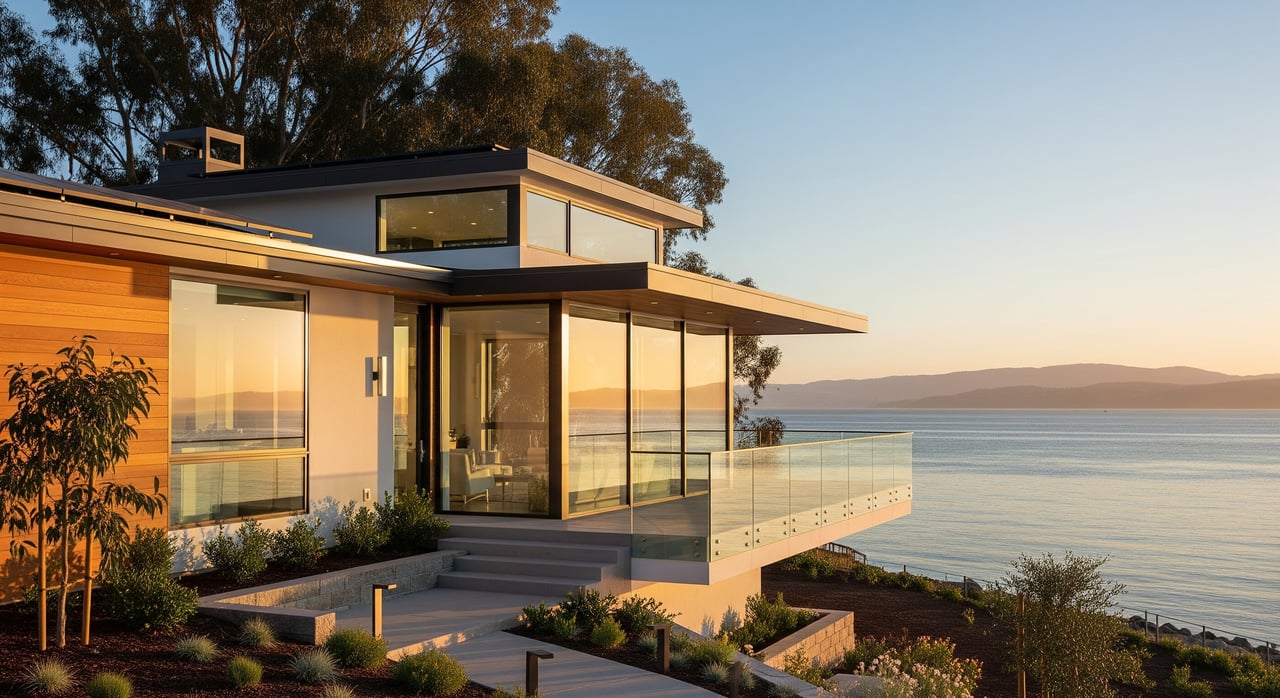
There is no single best housing style across NOBE. The right fit depends on what matters most to you, whether that is architectural character, lower maintenance, flexible ownership, or a more modern live/work feel.
If you are buying in this part of the East Bay, it helps to look beyond curb appeal alone. Understanding how style, ownership, and local review rules intersect can help you choose a home that feels right now and still makes sense years from today.
If you want help comparing homes across North Oakland, Berkeley, and Emeryville, Annie Tegner brings a local, design-aware perspective that can help you weigh character, condition, and long-term value with confidence.
FAQs
What housing styles are most common across NOBE?
- NOBE includes a mix of pre-war Craftsman homes, older flats, postwar cottages, ranch-style homes, newer condos, TICs, and loft-style units influenced by nearby Emeryville redevelopment.
What makes a Craftsman home different in North Oakland?
- Craftsman homes in North Oakland often stand out for their broad gables, front porches, wood detailing, and early-1900s character tied to the area’s streetcar-suburb growth.
What should buyers know about condos in the NOBE area?
- In California, a condo is an ownership form within a common-interest development, which means you usually join an HOA that manages shared responsibilities.
How is a TIC different from a condo in NOBE?
- A TIC is an undivided shared ownership arrangement with occupancy rights assigned by agreement, while a condo is a separate ownership interest within a common-interest development.
Are loft-style homes common in NOBE?
- Loft-style housing is more strongly associated with nearby Emeryville, where former industrial buildings were redeveloped into residential loft and live/work projects.
What should buyers check when touring older NOBE properties?
- Buyers should confirm the ownership type, ask whether historic review applies, and check whether an older multi-unit building could be subject to local seismic retrofit requirements.