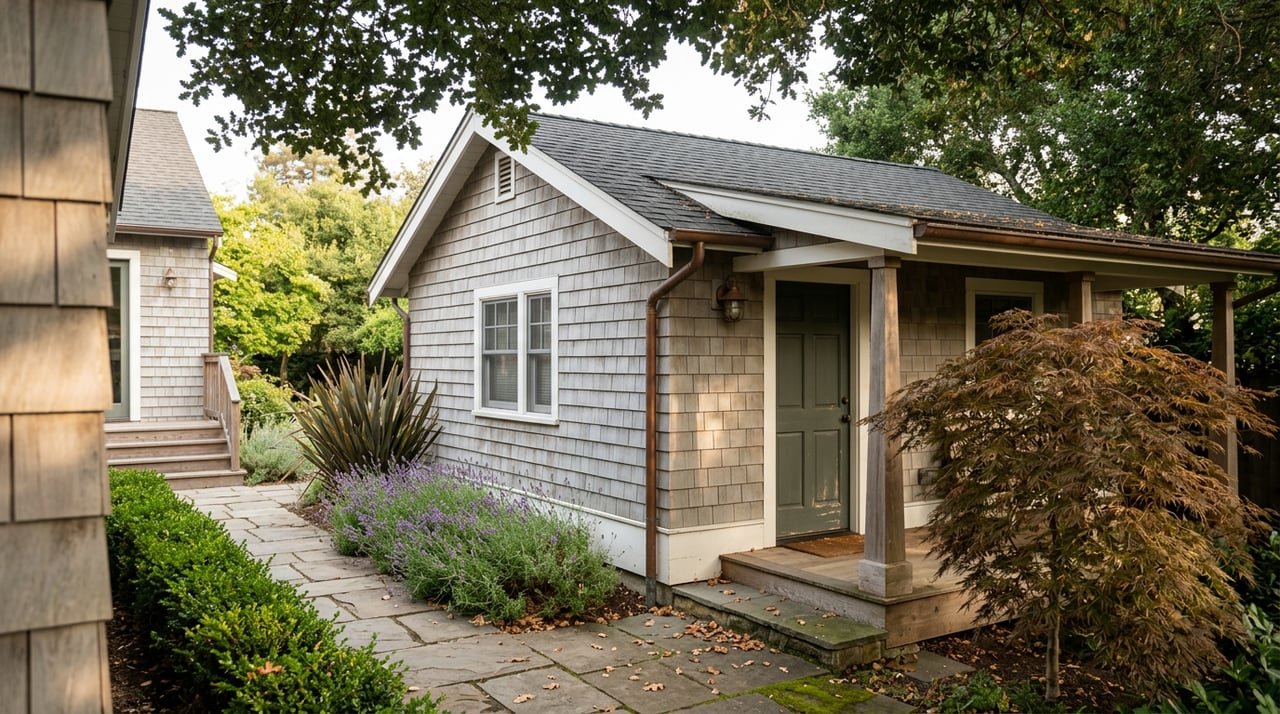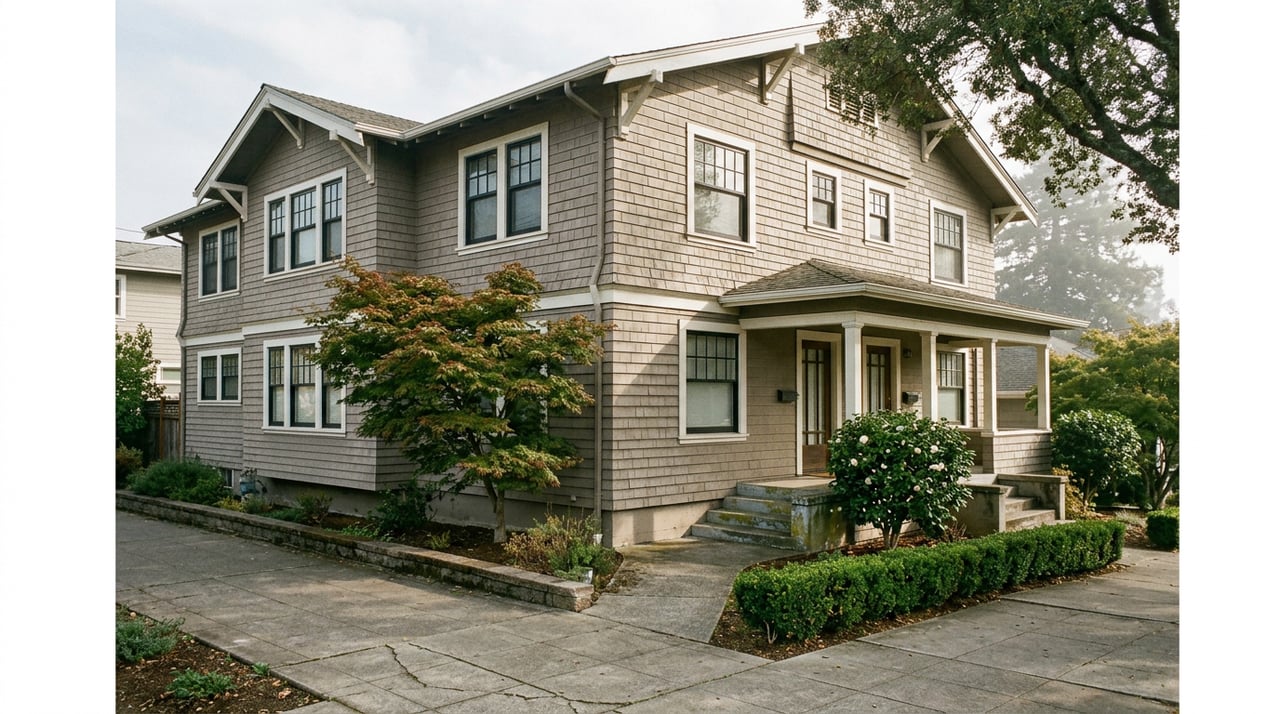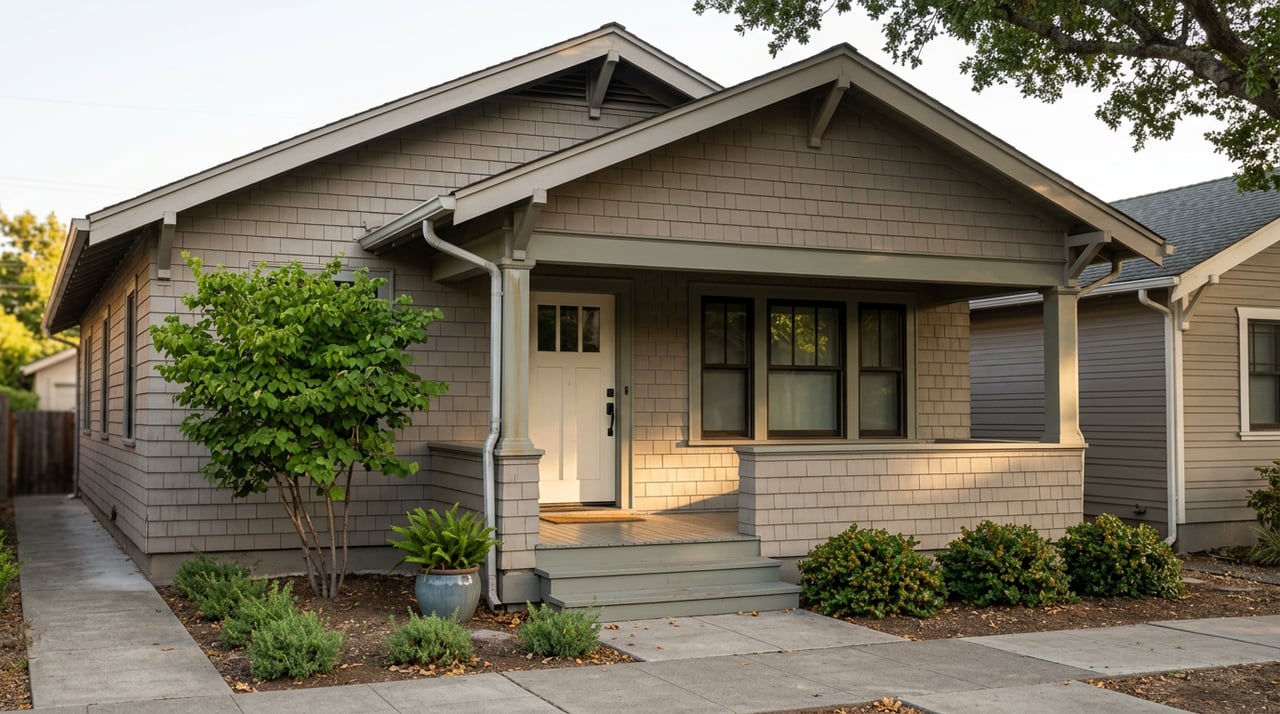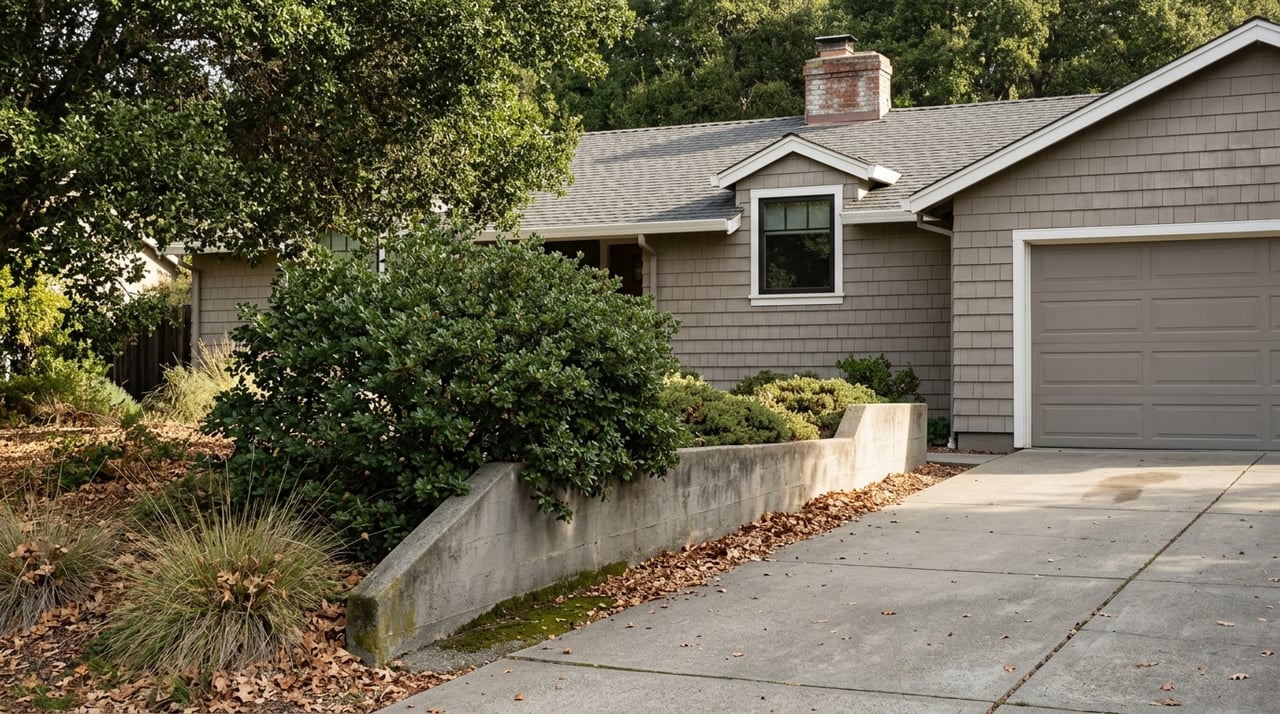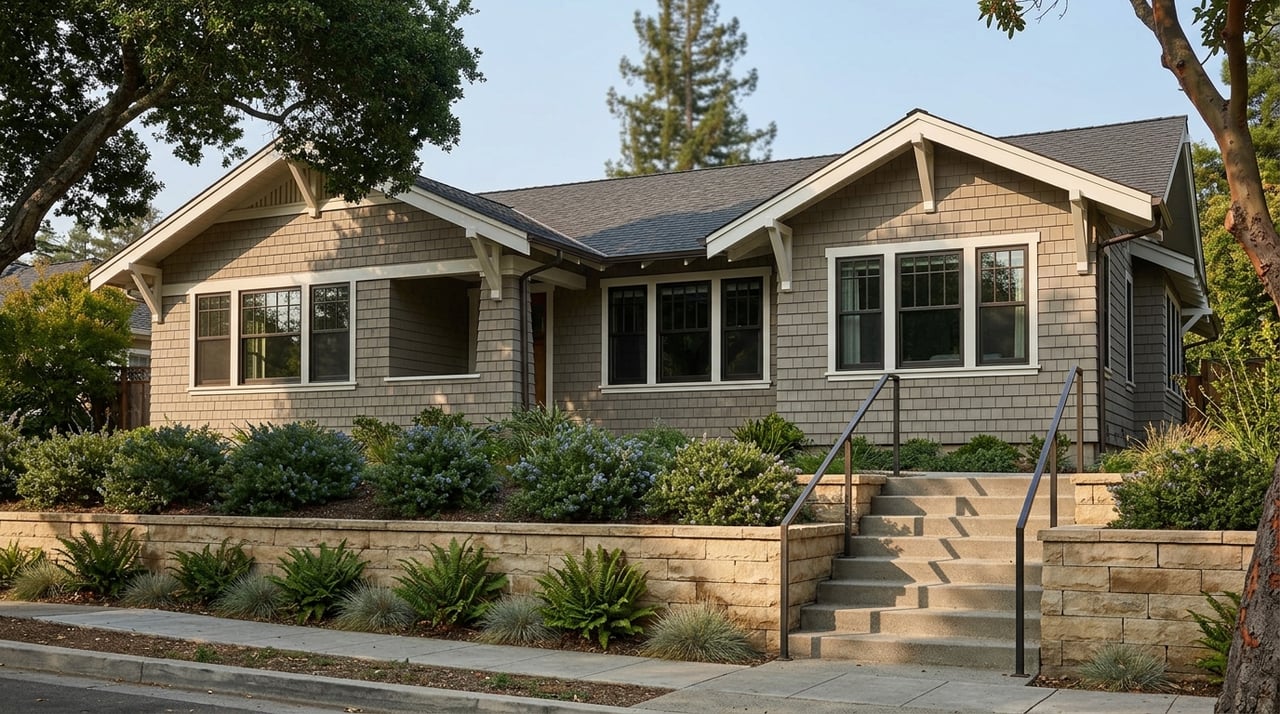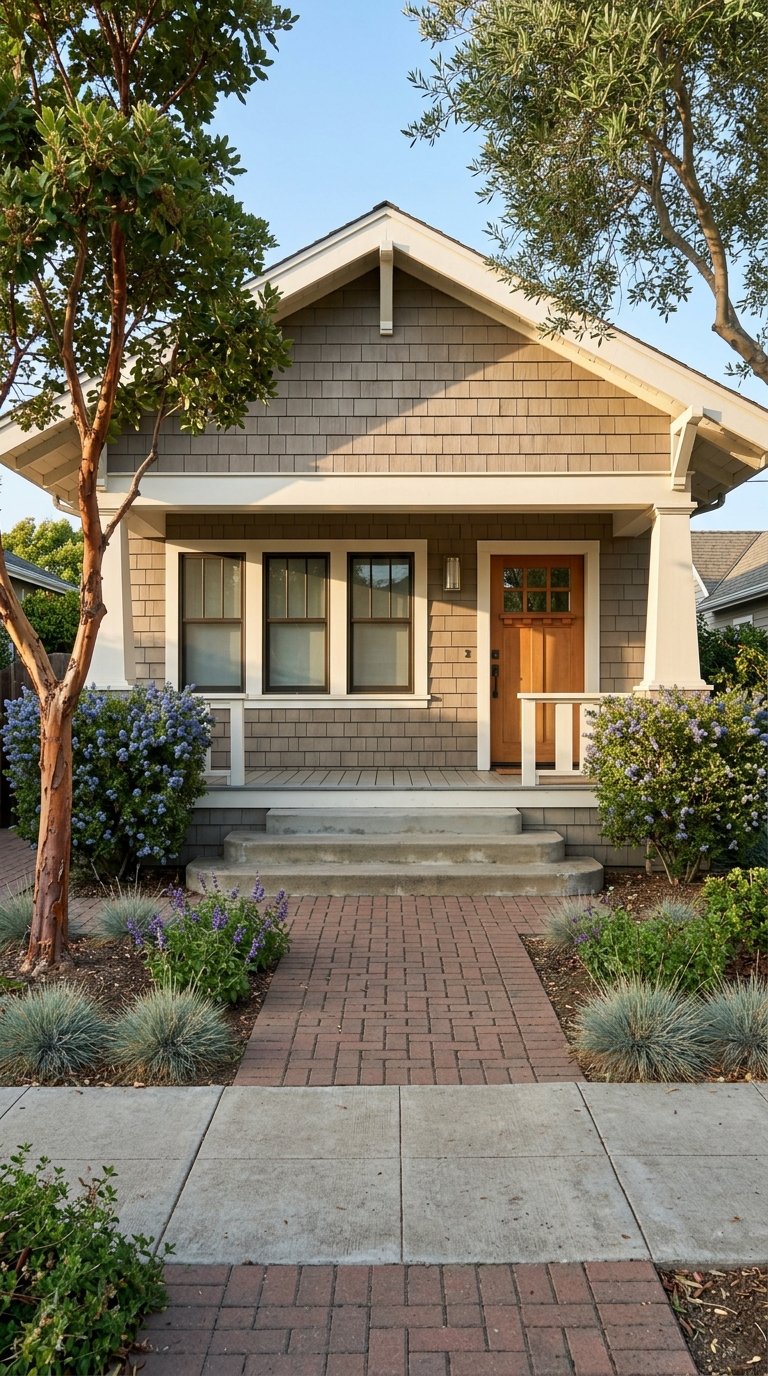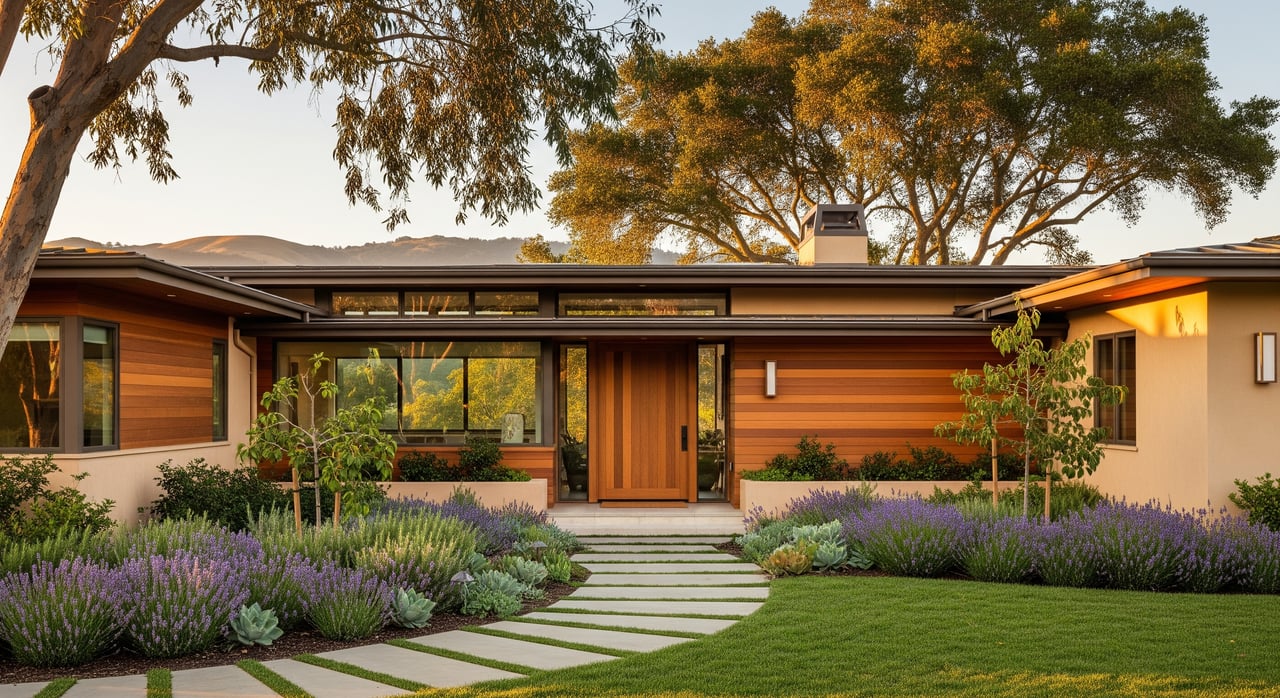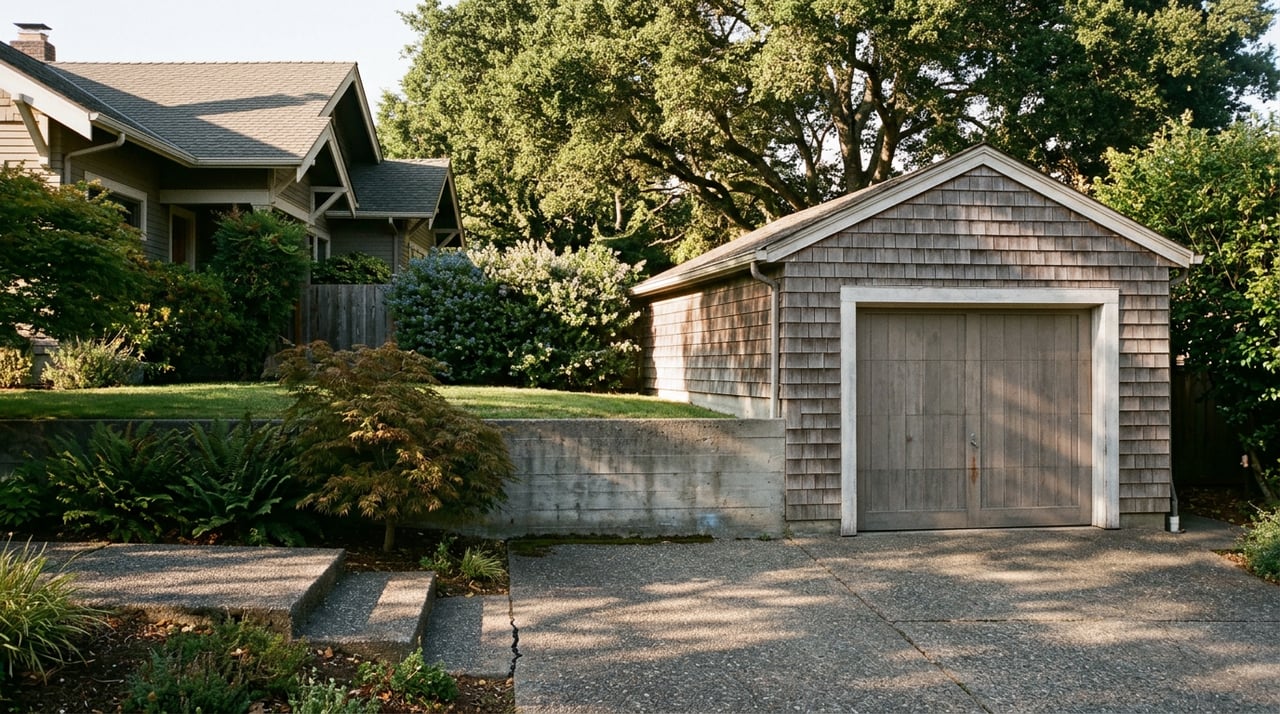
Say you own a post-war ranch on a flat lot near Grove Way and you've decided this is the year you add a backyard unit, maybe to house a parent, maybe to rent out under East Bay Abodes-style management. You've read that California made ADUs easier than ever. You call a contractor, and the first thing they tell you is that your permit doesn't go to a city hall. It goes to the Alameda County Planning Department, because Castro Valley isn't a city. It's the largest unincorporated community in the county, with roughly 67,000 residents and no mayor, no city council, and no local zoning office of its own.
That distinction sounds like trivia. For about nine months, it wasn't. Between April 2025 and January 2026, Alameda County was processing ADU and Junior ADU applications under a local ordinance that the state's own housing agency had formally flagged as non-compliant with state ADU law. If you filed a permit application in that window, which ended roughly seven months ago, you were navigating California's ADU rules alongside a county ordinance HCD had identified as non-compliant.
The Gap Between the Ordinance and the Letter
The county adopted its ADU ordinance, O-2024-32, on September 19, 2024, intending to align with state law as it stood. The California Department of Housing and Community Development reviewed it and sent back a findings letter dated April 30, 2025 listing specific sections that failed to comply, from floor area limits applied to conversion ADUs that state law exempts, to a missing accommodation for attached single-family dwellings, to language that improperly restricted Junior ADUs in agricultural zones.
HCD's findings identified differences between state law and the county ordinance that could affect what a homeowner could build.
The county's Planning Commission didn't vote to recommend fixes until December 1, 2025. The Board of Supervisors held its public hearing ten days later, and the amended ordinance moved through adoption into January 2026. The findings remained relevant to applications in county review until the amendments took effect.
Why the Timing Mattered More Than Usual
Ordinarily, an out-of-date local ordinance is a bureaucratic nuisance the state would eventually clean up. But 2025 changed the stakes. BWS Law reports that a new state law gives HCD real teeth: if a local agency's ADU ordinance fails to comply and the agency doesn't respond to HCD's findings on time, or doesn't resubmit an adopted ordinance to HCD within the required window, that ordinance becomes null and void as a matter of law. When that happens, the local agency has to fall back to processing ADU applications under state law directly, not its own zoning code.
Alameda County responded and eventually adopted amendments. For anyone who filed during the gap, the practical question was which standards applied to the file, given the differences HCD identified between the county ordinance and state law.
If your ADU application sat in county review anytime between last spring and this January, it's worth asking your builder or the Alameda County Planning Department directly which floor area limits, setback rules, and JADU provisions actually applied to your file. The gap between the ordinance's text and the state's corrected version is public record.
What County Jurisdiction Actually Costs, In Dollars
The compliance gap is a timing story. The seismic story is a permanent one, and it's the part that shows up on your invoice regardless of what year you file.
Castro Valley sits on the Hayward Fault, which runs directly through the community, and that geology drives structural engineering requirements that are more rigorous than in flatter, non-fault-line neighborhoods nearby. Combine that with the county's own plan check process, distinct from any city's, and Castro Valley ADU construction tends to run above the East Bay average on a per-square-foot basis.
| Project type | Typical cost range | What drives the range |
|---|---|---|
| Detached new-construction ADU | $160,000 to $375,000 | Lot topography, utility run length, seismic engineering |
| Garage conversion | $100,000 to $180,000 | Reuses existing foundation, walls, and roof |
| Cost per square foot, new construction | $300 to $450 | Slightly above East Bay average |
| Plan check and permit fees | $6,000 to $14,000 | Alameda County fee schedule, project valuation |
That per-square-foot figure tracks closest to Hayward and San Leandro, both of which sit near the same fault system, and runs roughly 10 to 15 percent below Oakland and 20 to 25 percent below Peninsula cities. If you're comparing Castro Valley to a flatter East Bay city on ADU cost alone, you're not comparing two versions of the same project. You're comparing a hillside seismic build to a flatland one.
A flat lot with the ADU built close to the main house lands at the low end of both ranges. A hillside parcel needing retaining walls and a long sewer lateral run pushes toward the high end, and that gap can be the difference between a project that pencils as a rental unit and one that doesn't.
The Shortcut That Still Works
Garage conversions remain the fastest way to skip most of that seismic and utility premium, because you're reusing an existing foundation and roofline instead of engineering a new structure from scratch. Under state law, as Hamilton Exteriors notes, the county cannot require replacement parking when you convert a garage to an ADU, which removes what used to be a common objection in single-family zones. A typical detached ADU runs 8 to 14 months from design start to move-in. Garage conversions can close out in 4 to 6 months.
The Changes That Matter Most for Small Multi-Unit Owners
Two state law changes took effect January 1, 2026 that are worth knowing before you file, and a third has quietly been in effect for over a year and still surprises people evaluating a small multifamily property rather than a single-family lot.
First, as of January 1, 2026, Abodu says local agencies now have 15 business days to tell you whether your ADU application is complete. Miss that window and the application is deemed complete automatically, which puts a real clock on a process that used to have none.
Second, also effective January 1, 2026, Urbatect says Junior ADU occupancy rules tightened: owner occupancy can only be required if the JADU shares a bathroom with the primary dwelling, a change that affects how you structure a JADU conversion if you're not planning to live on site.
Third, since January 1, 2025, qualifying multifamily parcels have been able to add up to eight detached ADUs, provided the total doesn't exceed the number of existing primary units on the lot. For an investor evaluating a fourplex with room in the back, that's a meaningfully different math problem than the one-ADU-per-lot assumption most people still carry around.
What This Means If You Already Own Here
If you're weighing an ADU as a rental unit, a way to house family, or a value-add before listing, the county's compliance history isn't a reason to wait. It's a reason to ask sharper questions before you file: which version of the ordinance is actually being applied to your parcel, whether your lot is flat or hillside enough to change your cost bracket, and whether a garage conversion gets you most of the value at a fraction of the timeline.
For sellers, an ADU built and permitted correctly is a genuinely different asset than one built on assumptions. Buyers and their lenders will ask for the certificate of occupancy, and a clean permit history is worth more at the negotiating table than a unit with unresolved permitting questions.
A Few Questions That Come Up
Does the ordinance gap mean any ADUs built during 2025 are somehow invalid? No. The county continued processing applications throughout the gap and eventually brought its ordinance into compliance. The concern isn't validity, it's whether the specific standards applied to your file, like floor area limits, matched the corrected state-compliant version or the earlier, more restrictive one.
Is Castro Valley's ADU cost premium temporary? The compliance timing issue was temporary and largely resolved by early 2026. The seismic and county-jurisdiction cost premium is structural and tied to the Hayward Fault and the county's own plan check process, so it isn't going away.
Where can I check the current, compliant version of the ordinance? Alameda County's Community Development Agency publishes the adopted ordinance and HCD's review correspondence, and both are public record worth reading before you finalize plans with a contractor.
If you're weighing whether an ADU makes sense for a Castro Valley property, whether as a rental unit, a multigenerational addition, or a pre-sale value play, Annie Tegner can walk you through what a permitted unit actually does to your home's value and how East Bay Abodes handles tenant placement once it's built. Start with a free East Bay home valuation and we'll talk through the specifics of your lot.
This article is general information, not legal, tax or financial advice. Consult a qualified professional about your situation.