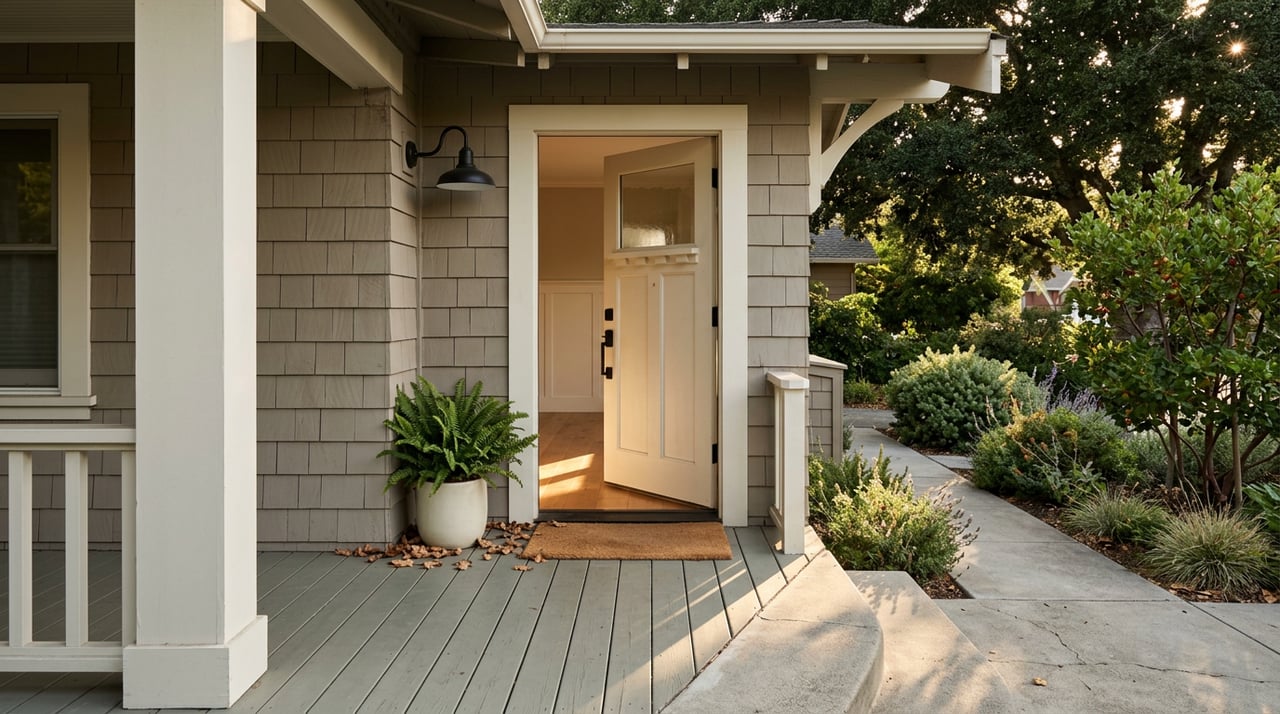
A seller in Redwood Heights can have a bungalow with no history of backups, no wet spots in the yard, and a sewer line that has never given anyone a moment's trouble. None of that matters once escrow opens. The East Bay's sewer lateral compliance rule doesn't ask how the pipe is performing. EBMUD says the rule asks whether the title is transferring. A transfer generally triggers the requirement; if testing is needed, the pipe's condition helps determine the cost of any repair.
That distinction is the whole story for anyone selling in Glenview, Laurel, or Redwood Heights this year. These three Oakland neighborhoods share a housing stock built almost entirely between the 1920s and the 1950s, under streets lined with trees that have had a century to grow into the ground. The compliance requirement was written for exactly this kind of housing. Whether a seller faces a few thousand dollars or closer to twenty depends on what the test finds; whether they know that cost before negotiating comes down to one decision: finding out before listing or after a buyer is already under contract.
The rule doesn't ask how the pipe is doing
The East Bay Regional Private Sewer Lateral Program was created after the EPA and the state water board ordered EBMUD and a group of East Bay cities to address old, cracked sanitary sewer pipes back in 2009. The mechanism the program settled on is simple and a little unforgiving: a property generally needs a Compliance Certificate when one of three things happens. The title transfers. A remodel or building permit exceeds $100,000. Or the water meter size changes. An ordinary sale is generally the first one, unless an exemption applies.
To get the certificate, a licensed contractor has to run a pressure or air test on the line while EBMUD staff witness it. Pass, and the certificate is issued. Fail, and repair or replacement has to happen before the certificate can be granted. If no unexpired certificate already satisfies the requirement, there's no clause in the ordinance that lets a working pipe skip the test just because nothing has ever gone wrong with it.
The program covers Oakland along with Alameda, Albany, Emeryville, Piedmont, El Cerrito, and the Richmond Annex. Berkeley runs its own separate lateral program with different rules. That matters for Annie Tegner's broader service area: a seller in Glenview, Laurel, or Redwood Heights is squarely inside the EBMUD program, while a seller in Castro Valley or San Leandro is working under a different set of local requirements entirely. Assuming the rule works the same way across every East Bay zip code is its own kind of surprise.
Why this cluster of neighborhoods carries more exposure
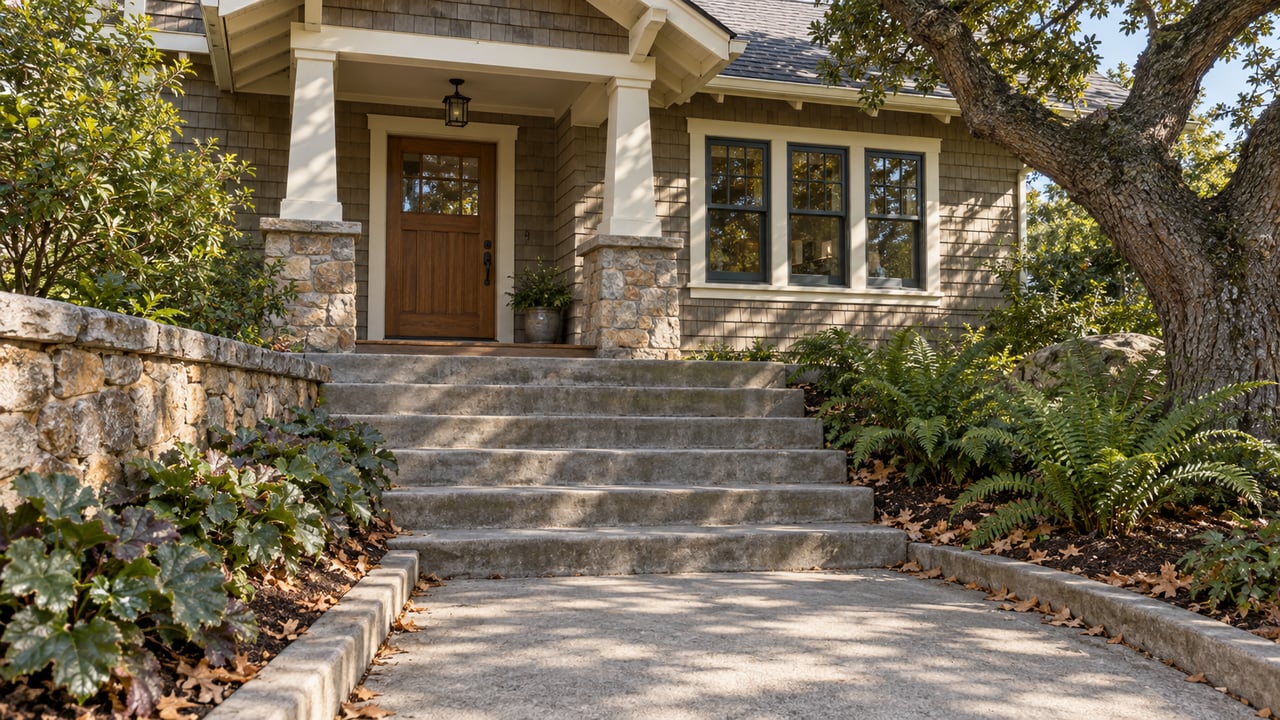
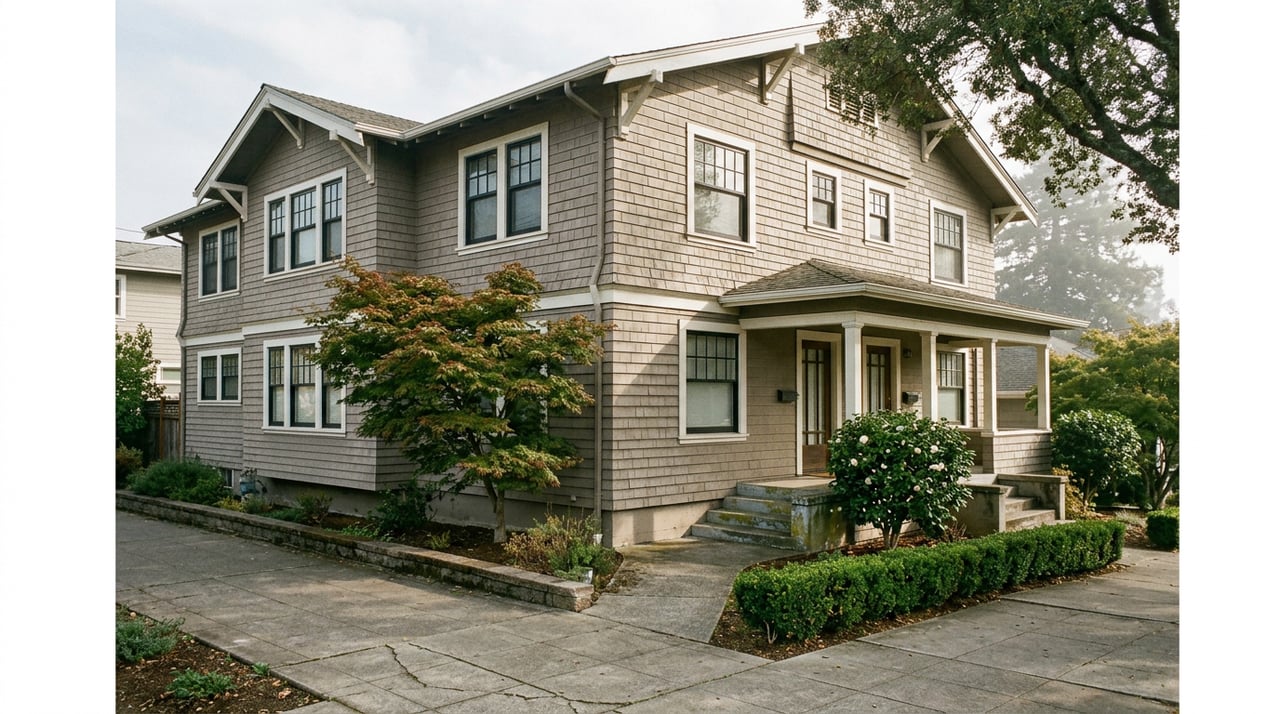
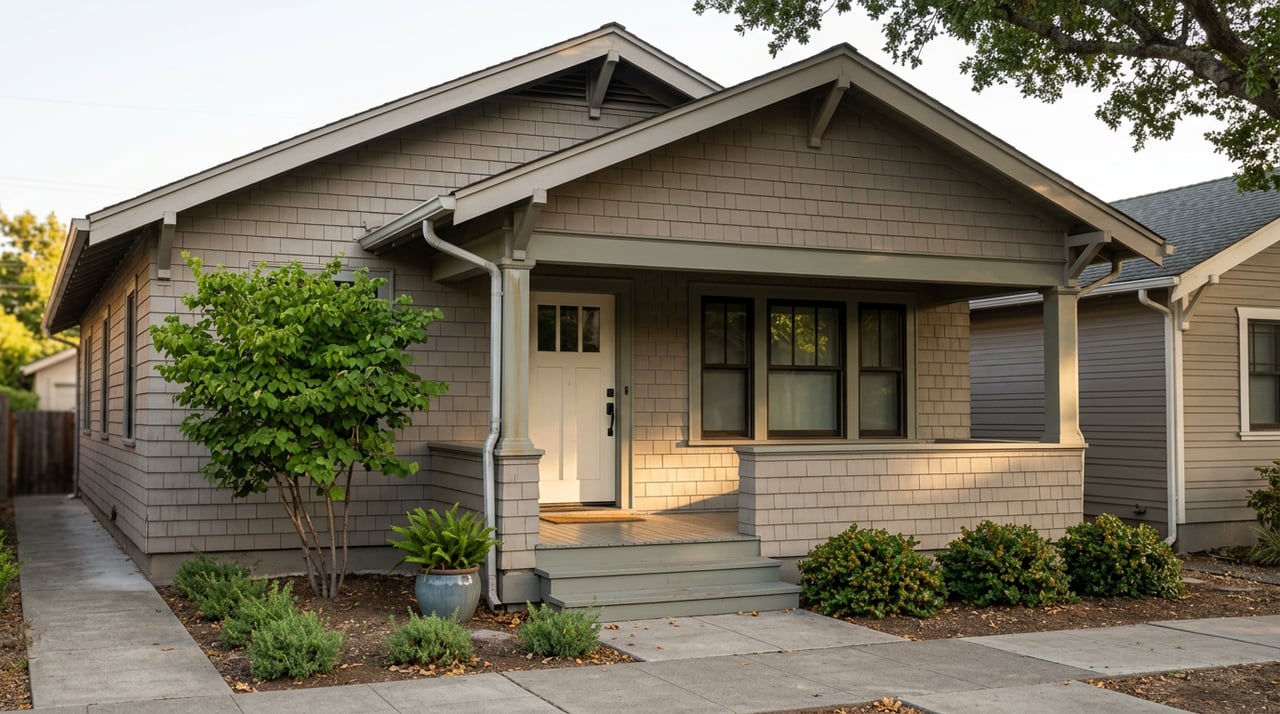
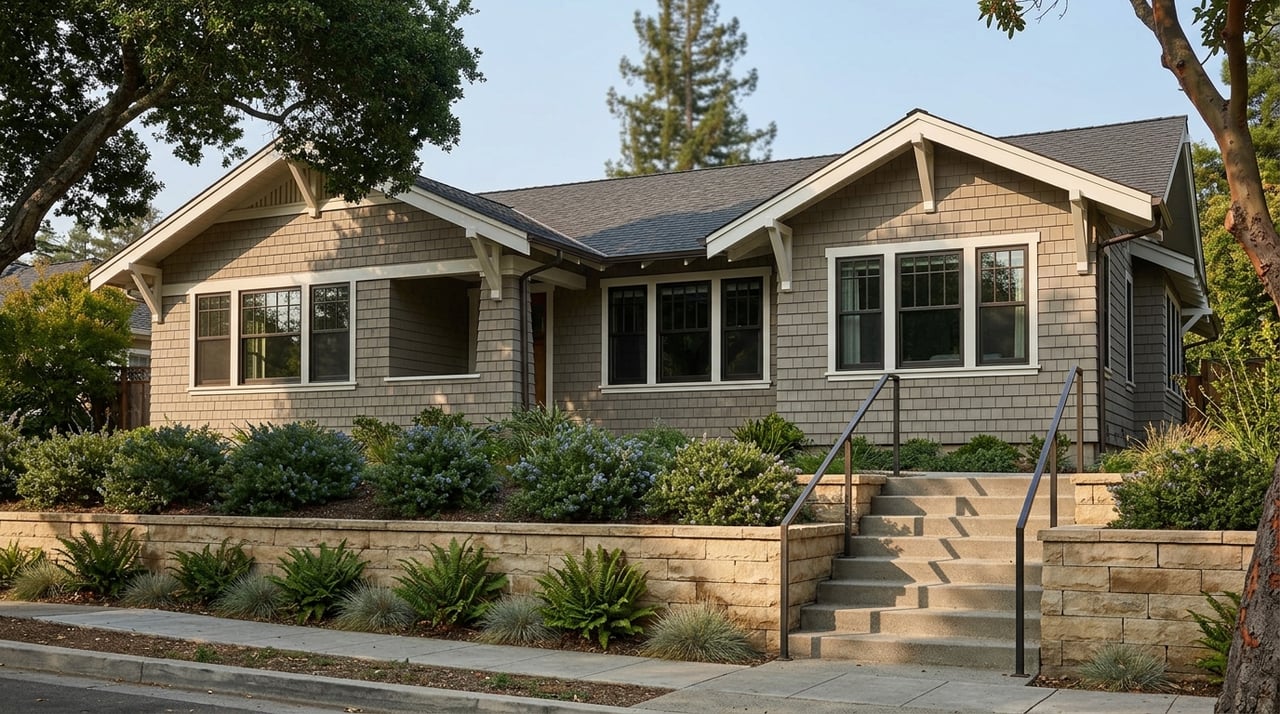
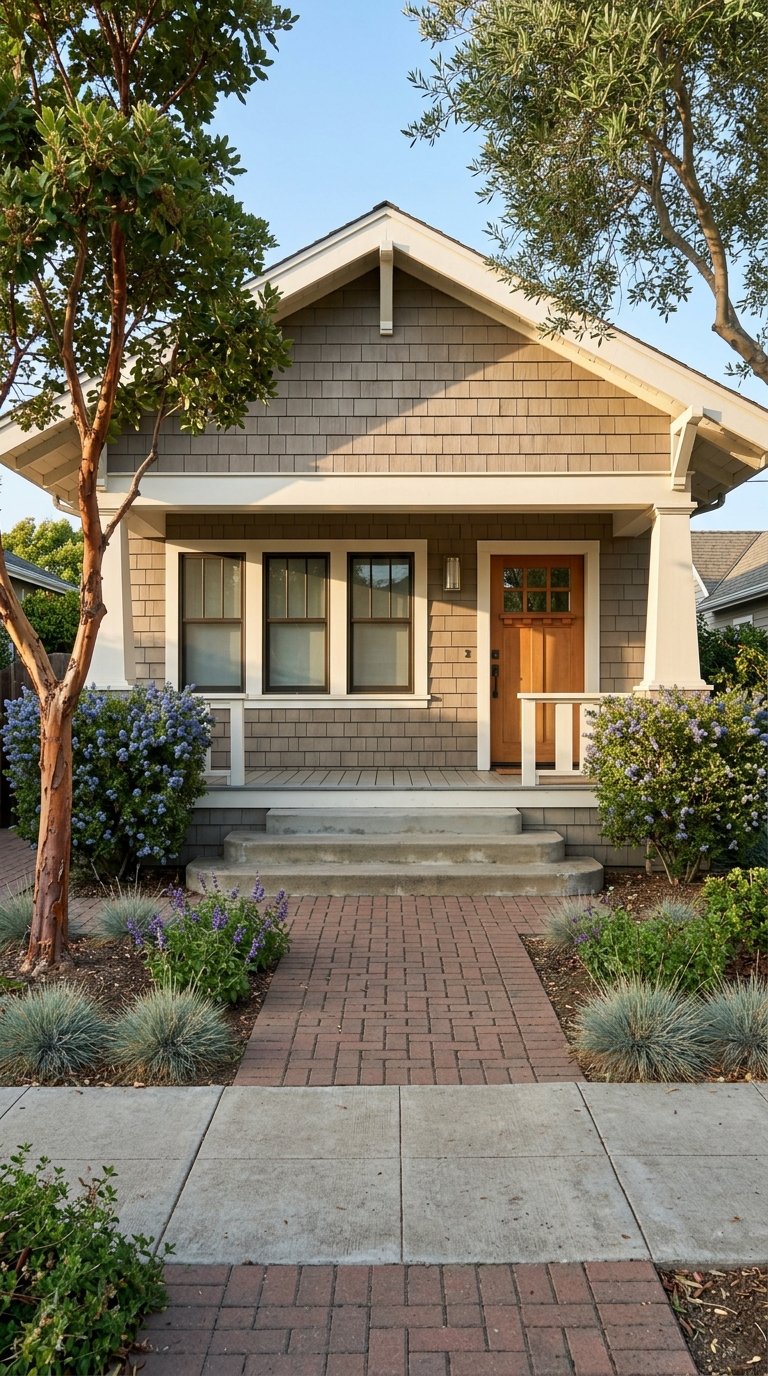
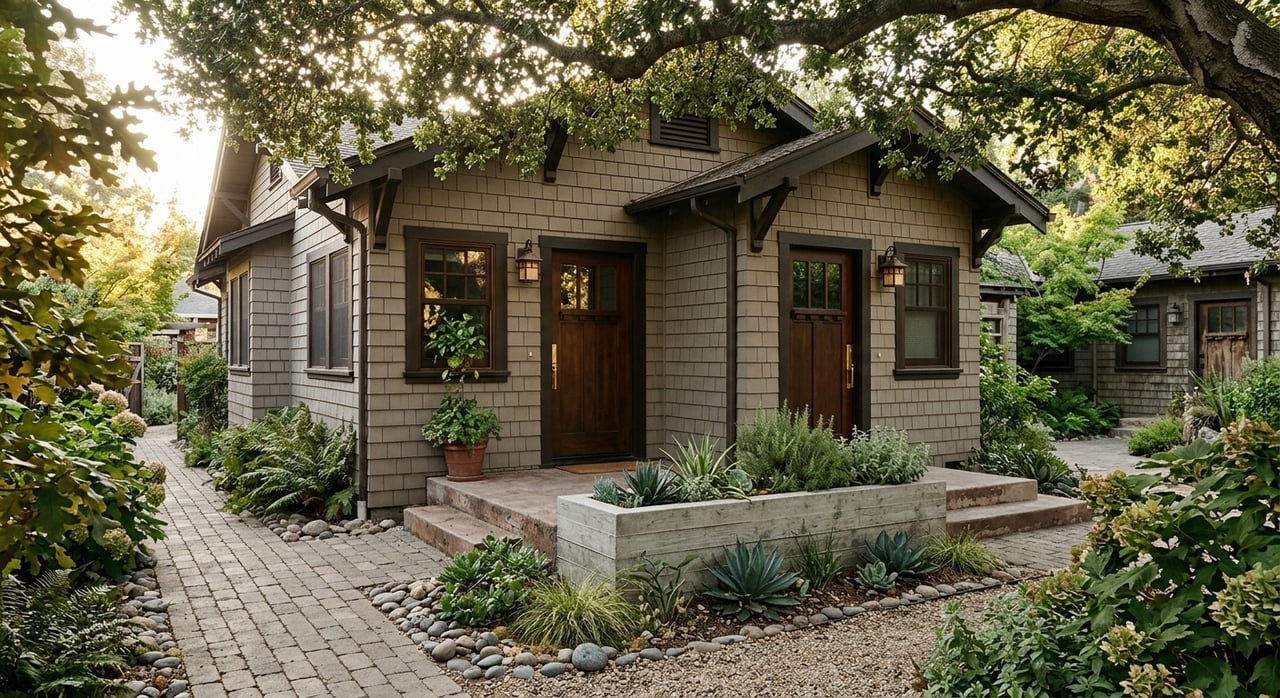
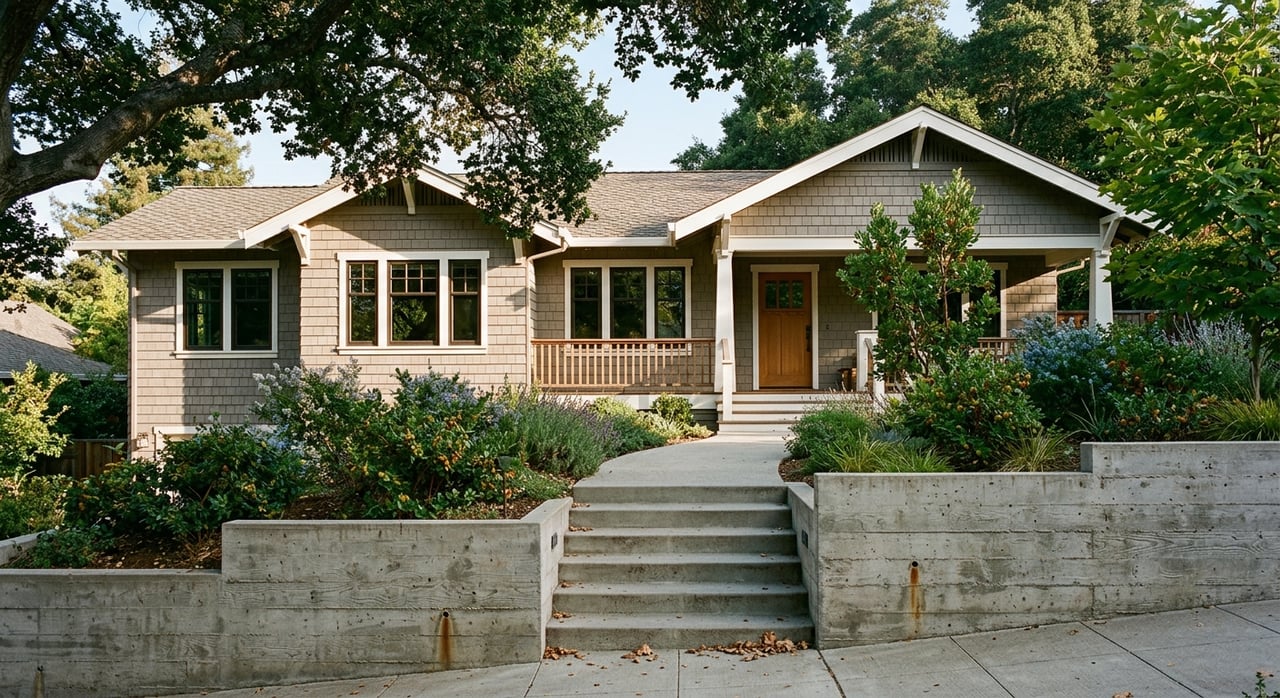
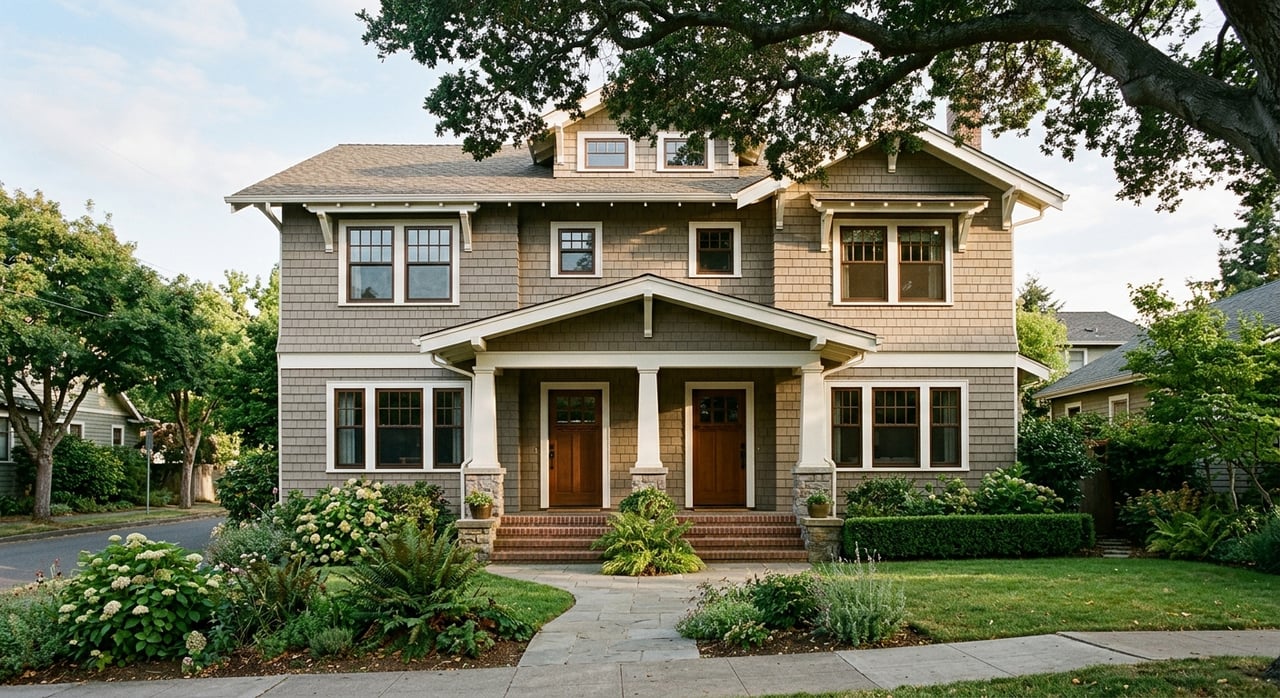
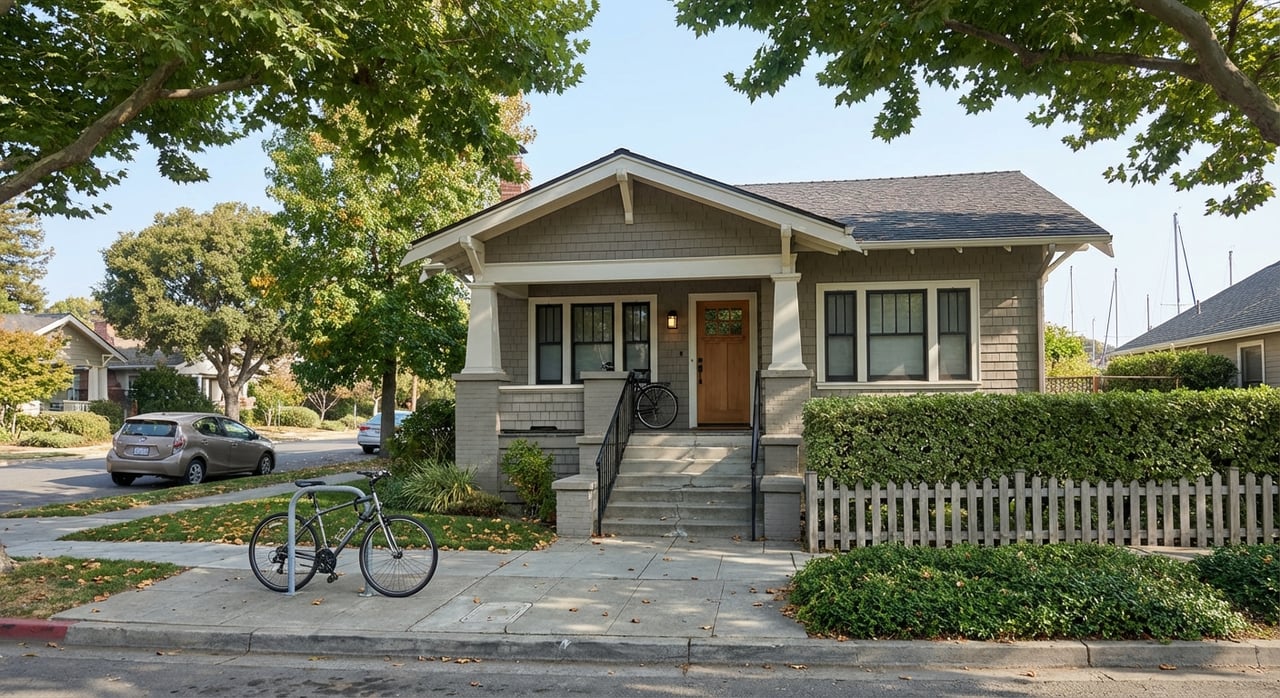
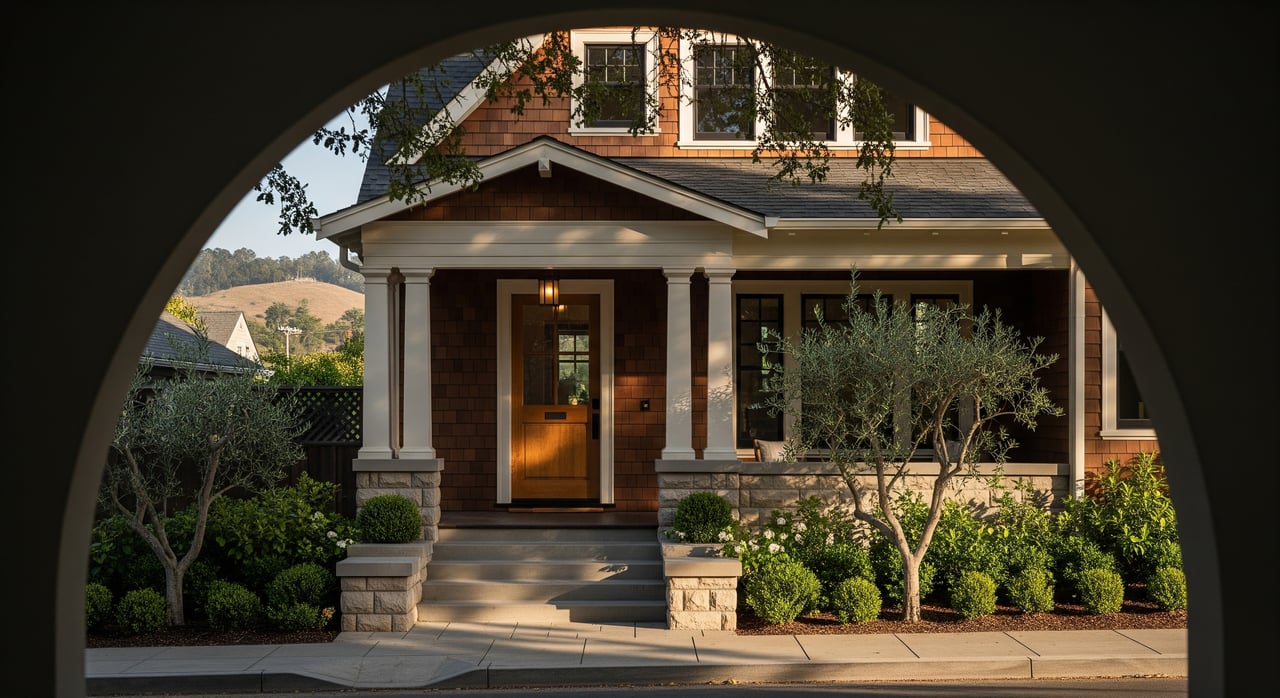
Glenview, Laurel, and Redwood Heights are not interchangeable, but they share a construction era that puts more of their housing stock at risk of an expensive test result. Glenview's bungalows and Craftsman homes were built largely in the 1920s. Redwood Heights began as a 1920s subdivision originally marketed as Avenue Terrace, and its homes, most dating from the 1920s through the 1950s, run the range from Craftsman to storybook to ranch. Laurel's housing mixes the same early-1900s and 1920s stock with a busier commercial spine along MacArthur Boulevard.
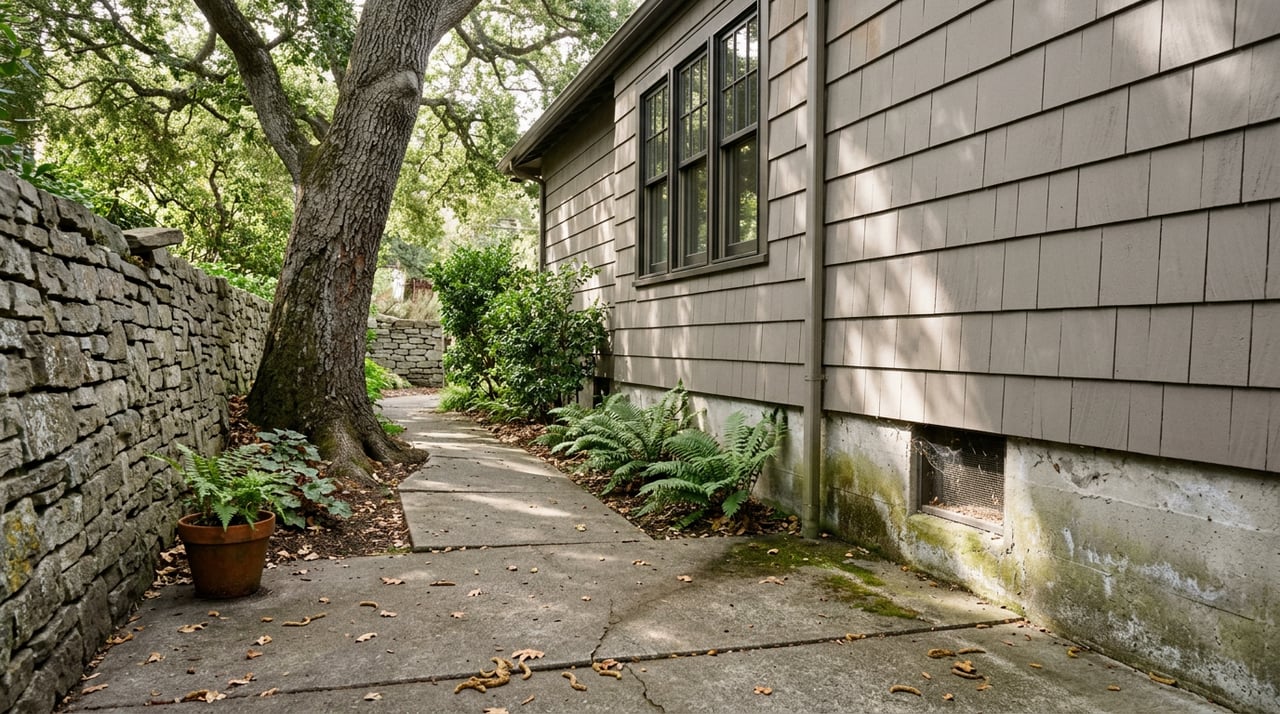
Contractors working the Oakland hills have flagged Glenview by name as one of the communities where clay and early Orangeburg pipe from that era is now approaching the end of its service life. That's not a knock on the neighborhood. It's just what happens when a pipe installed in 1925 shares a trench with the roots of a tree planted the same year. Clay pipe cracks slowly, tree roots find the cracks, and the two problems compound over decades in exactly the kind of tree-lined, established block these neighborhoods are known for.
None of that means every lateral in Glenview or Redwood Heights will fail its test. It means the odds of failure are higher here than in a neighborhood built on newer PVC infrastructure, and a seller who assumes their line is fine because the toilets flush normally is making a guess, not a fact.
A pipe that has never backed up and a pipe that will fail a pressure test can be the same pipe. The test measures leaks, not symptoms, and a slow leak into surrounding soil rarely announces itself before an inspector finds it.
What compliance actually costs, and when
Here is where the timing question turns into real money. A seller who scopes the lateral before listing has options. A seller who finds out about the requirement mid-escrow has fewer.
If the line passes on the first test, the cost is the inspection itself and nothing more. If it needs work, current Bay Area pricing runs from around $4,500 for a straightforward Oakland lateral job up to $18,000 for a full replacement, depending on the method and the length of the run, with complete projects typically working out to $150 to $300 per linear foot once permits, shoring, and surface restoration are counted. Oakland also requires its own Sewer Lateral permit for any work in the public right of way, which Repipe Champions says typically adds $280 to $620 on top of the plumbing bill.
If the certificate can't be finished before closing, there's a second path: a Time Extension Certificate. It requires a refundable $4,500 deposit paid to EBMUD and buys up to 180 days after closing to complete the work. It's a legitimate tool, and plenty of sales close this way. But it also means the number a seller is negotiating over during escrow isn't the actual repair cost. It's a flat $4,500, whether the real fix turns out to be $6,000 or $16,000, because nobody had time to find out which one it was before the buyer's lender needed an answer.
That's the asymmetry worth sitting with. A seller who scopes the line before listing finds out the real number and can price it into the listing, negotiate it upfront, or simply fix it and move on. A seller who doesn't think about it until an offer is already accepted is negotiating blind, under a closing deadline, usually with a buyer who now has the leverage in that conversation.
| Scope before listing | Discover during escrow | |
|---|---|---|
| What you know | Actual pass/fail result and real repair cost | Only that a certificate is required |
| Negotiating position | Seller sets the terms, can price it in or fix it | Buyer's timeline drives the decision |
| Typical cost exposure | If repairs are needed: $4,500 to $18,000, known in advance | Often a flat $4,500 TEC deposit as a placeholder |
| Time pressure | None | Escrow deadline |
The certificate you might already have
One detail sellers in this housing stock sometimes miss entirely: a Compliance Certificate isn't necessarily a fresh requirement for every sale. If a prior owner or a past remodel already triggered a test and the certificate hasn't expired, that certificate can carry forward and satisfy this sale without any new testing at all. EBMUD's own property search tool lets any owner check compliance status by address before doing anything else, which is a five-minute step worth taking before a listing photographer ever shows up.
For condo or townhouse sellers, it's also worth checking whether the building's HOA already certified the shared laterals under its own maintenance responsibility. EBMUD required HOAs and other common-interest developments to certify the private sewer laterals under their care by July 12, 2021, so a well-run HOA may have already cleared this hurdle for every unit in the building.
A few things that come up in almost every conversation
Does a cash sale skip this requirement? Twin Home Buyer says a cash sale does not skip the requirement for a nonexempt transfer: the trigger is the transfer of title, not the buyer's financing, so an all-cash close still needs a certificate unless an unexpired one already satisfies the requirement.
Who decides whether the buyer or seller pays for it? The ordinance doesn't assign it. Buyer and seller negotiate that as part of the purchase agreement, the same way they would negotiate any other repair credit.
Is an inherited property exempt? Fiduciary and estate transfers are exempt, along with direct family-line transfers between spouses, parents and children, or grandparents and grandchildren. A sale to a third party after inheritance is not exempt.
Does the sidewalk requirement work the same way? Oakland has a separate point-of-sale sidewalk repair requirement that often gets bundled into the same escrow conversation as the sewer lateral. It follows its own inspection and cost process, worth a separate conversation with a contractor rather than folding into the lateral budget.
The pipe under a Glenview bungalow or a Redwood Heights Craftsman has been doing its job quietly for a century. Whether it keeps doing that job past your closing date is a question worth answering on your own schedule rather than the buyer's. If you're weighing a sale in Glenview, Laurel, or Redwood Heights and want a clearer picture of where you stand before you list, Annie Tegner can help you line up a scope, a realistic budget, and a timeline that gives you the leverage instead of the buyer. Start with a free East Bay home valuation and we'll walk through what your specific property needs before anyone else sees the listing.
This article is general information, not legal, tax or financial advice. Consult a qualified professional about your situation.