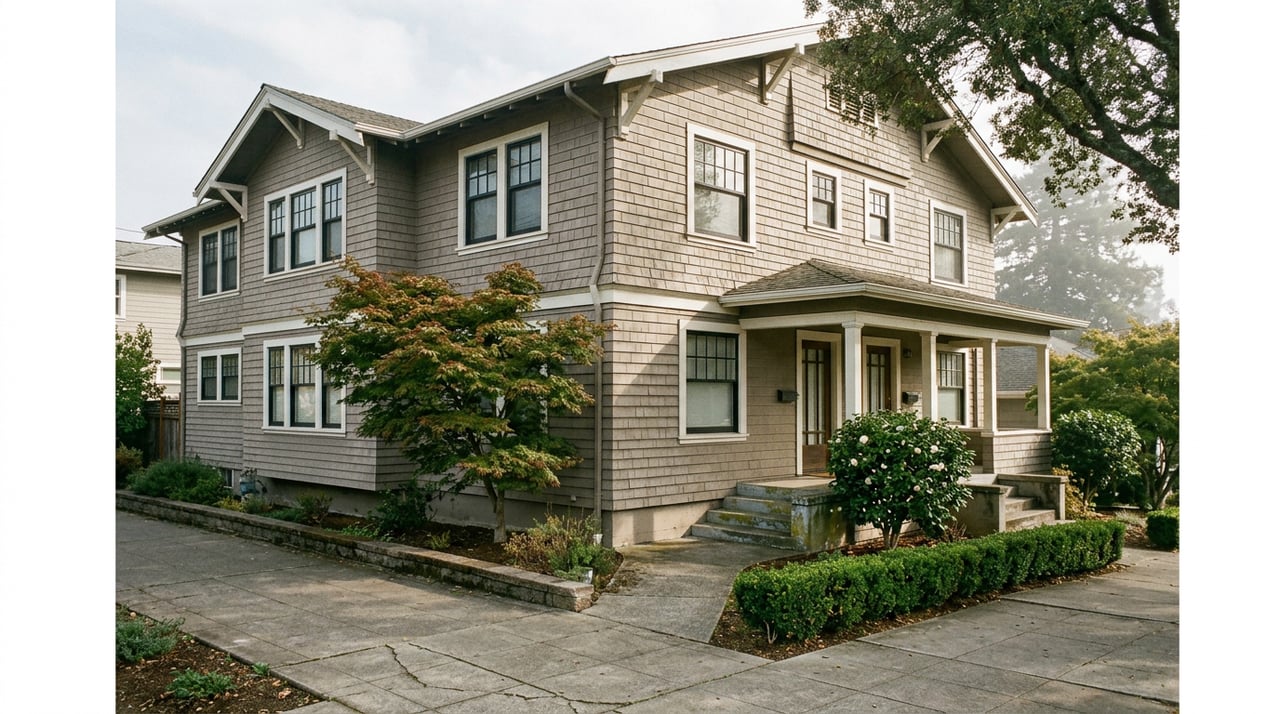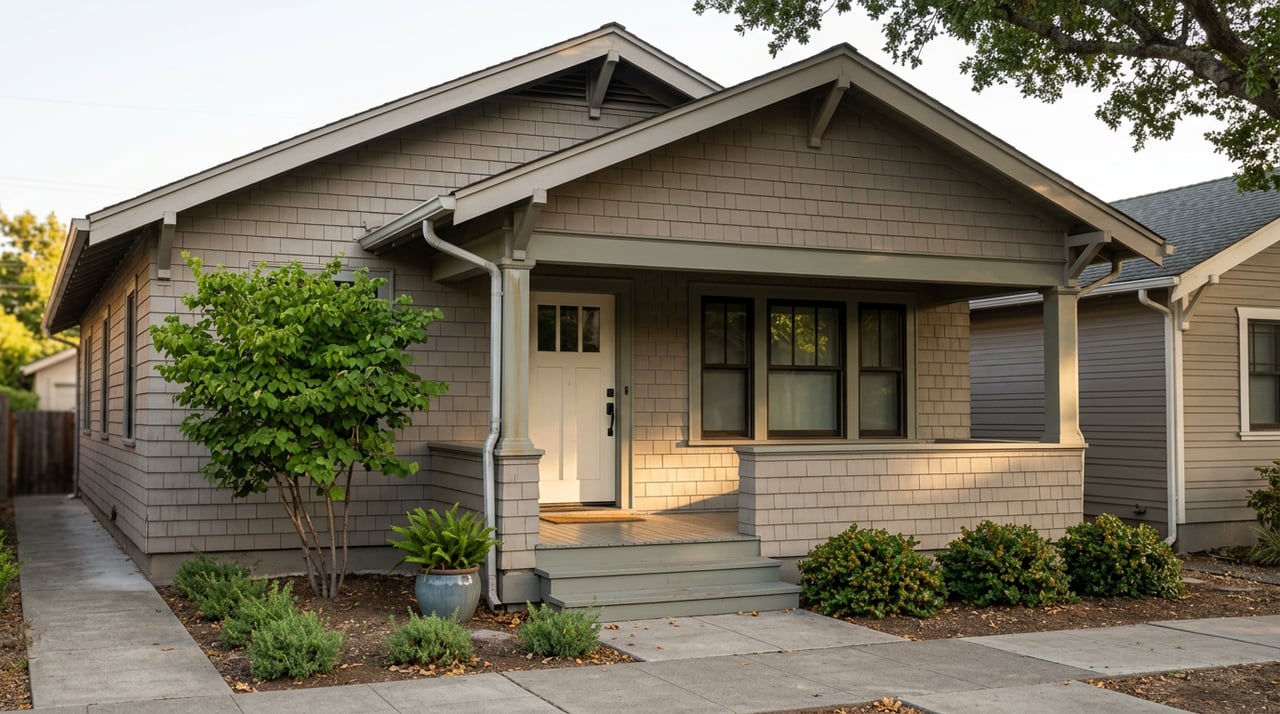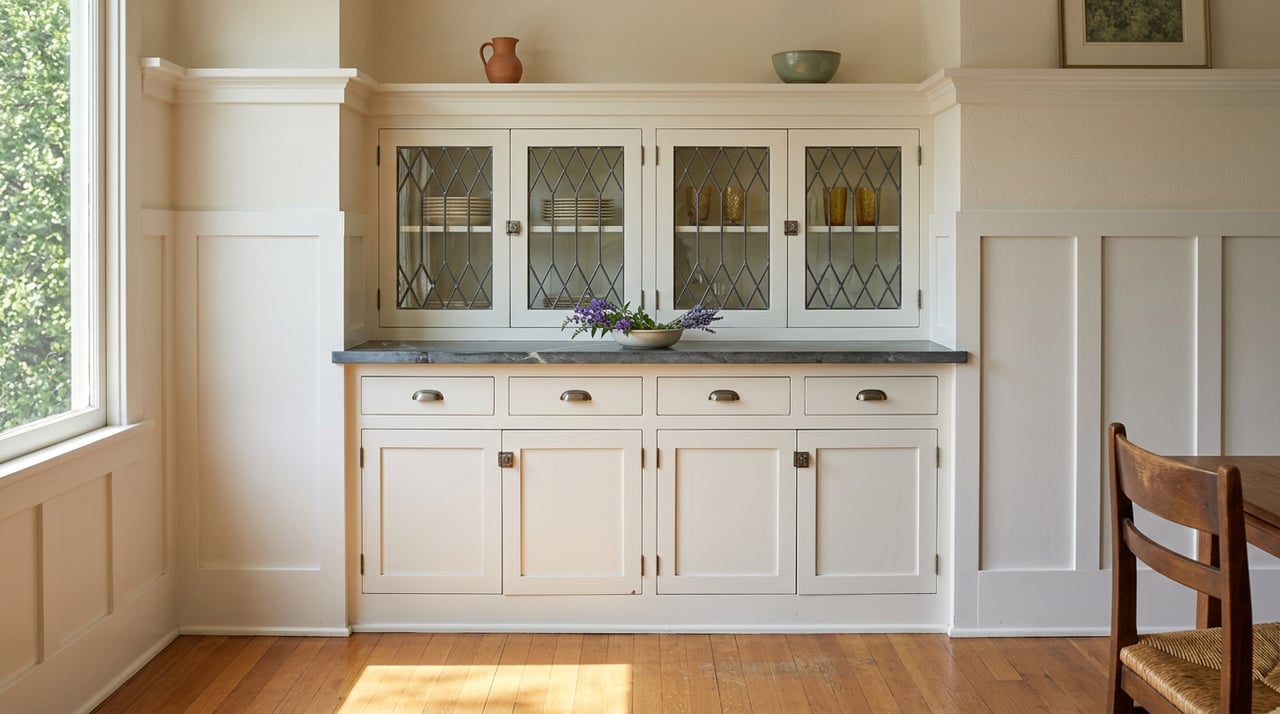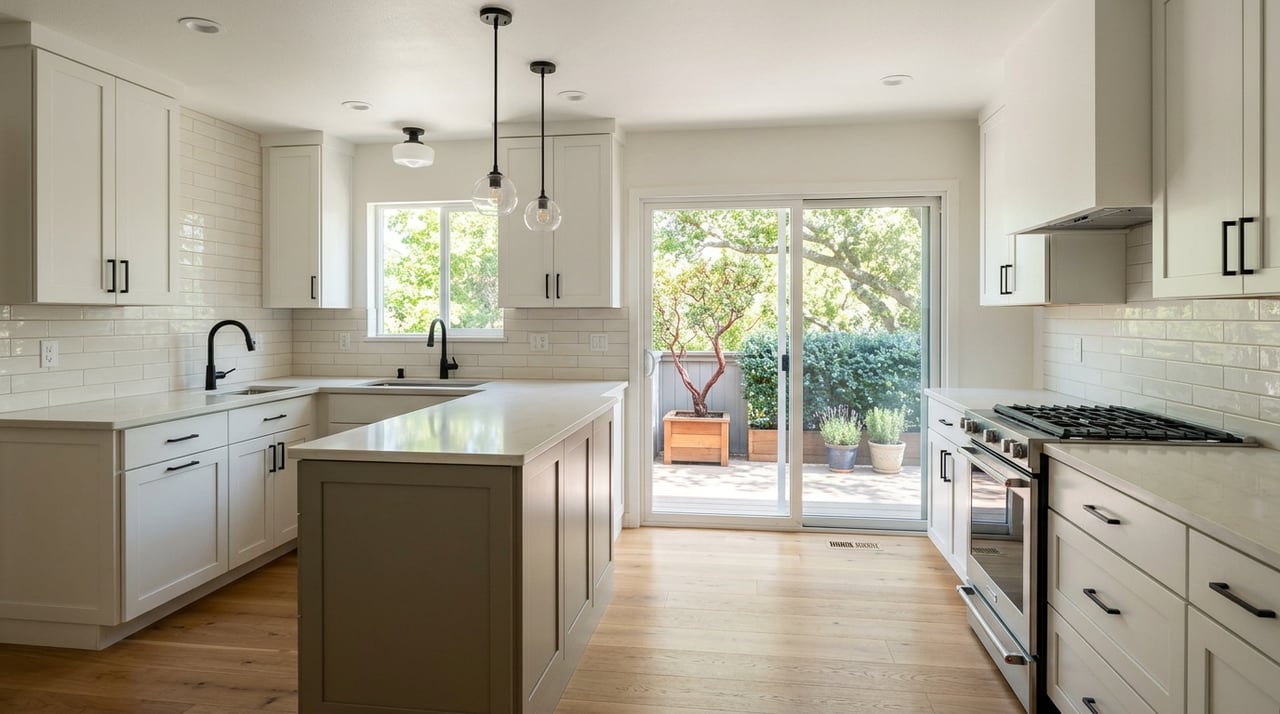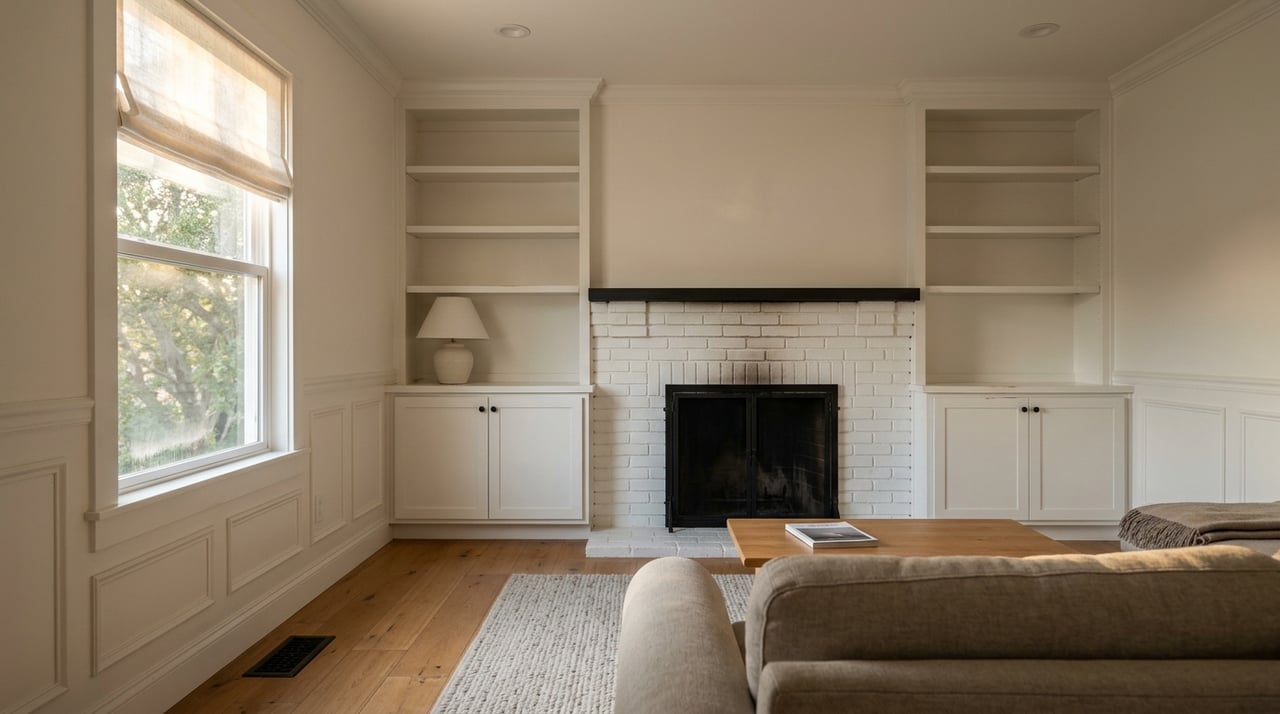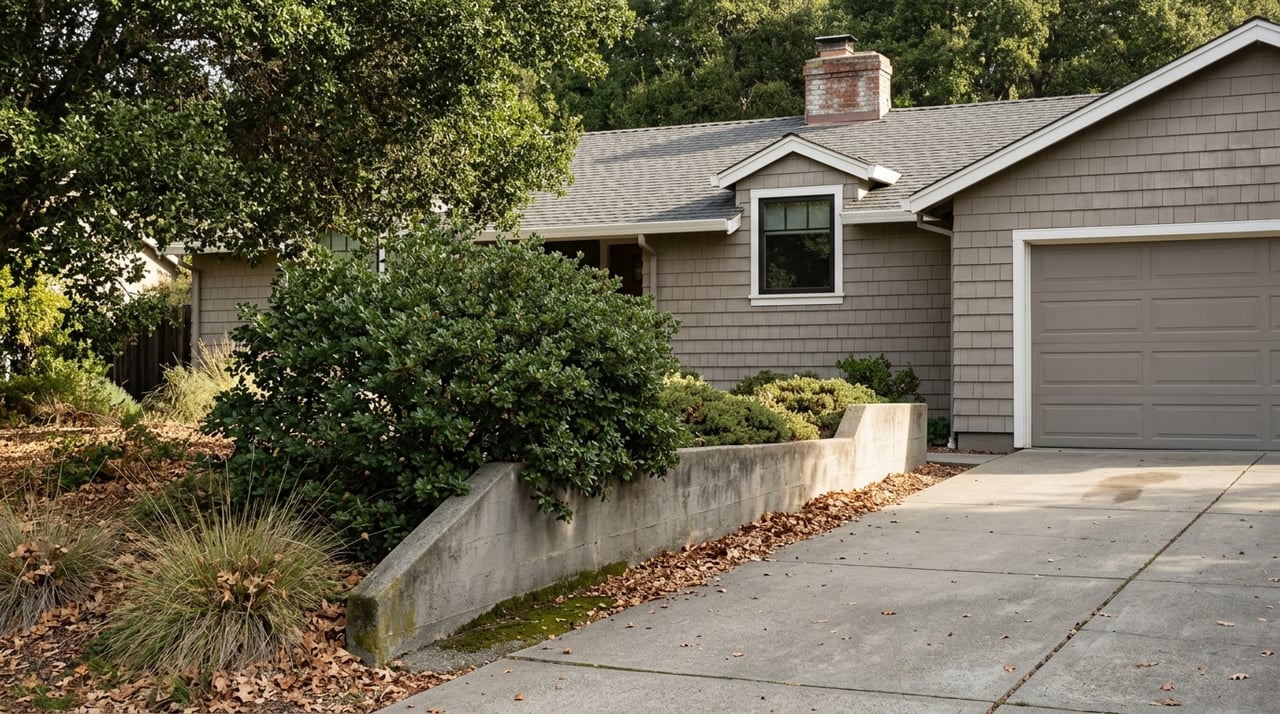
Picture the scene that's played out on a handful of Castro Valley streets this summer. A ranch house goes live on a Thursday. By the following Wednesday there are six offers on the table, one of them already waiving the inspection contingency to compete. The winning buyer closes in under two weeks, moves in, and starts pulling permits for a kitchen refresh, only to learn from the county that the garage conversion behind the kitchen, the one currently functioning as a family room, was never permitted at all.
Nobody lied. The seller may not have known either, since the work was done by an owner two or three sales back. But the buyer is now the one holding a structure that doesn't match county records, in a jurisdiction where checking those records ahead of time takes longer than most people expect.
That gap, between how fast Castro Valley homes move and how slowly its paperwork trail catches up, is the part of this market that doesn't show up in a price chart.
The Number Everyone's Citing, and the One Sitting Next to It
The headline is easy to find: Castro Valley prices have softened. Redfin's tracking shows a median sale price of $1.2 million over the three months ending June 2026, down 5 percent from the same period a year earlier. Movoto's August 2026 snapshot puts the median list price at $1.14 million, also down roughly 4 percent year over year. Zillow's typical home value estimate, updated through June 2026, landed at just over $1.08 million, down 3.8 percent from the year before. Three different trackers, three different methodologies, and all three point the same direction. Prices have come down a little.
What hasn't come down is the speed of the chase. Over that same three-month window, Redfin's data shows Castro Valley homes fielding an average of six offers and going to pending in about 13 days, with a compete score of 91 out of 100, one of the highest ratings the tool assigns anywhere. A softer median price usually signals a market where buyers can slow down. Here it hasn't. The number that actually describes what it feels like to buy in Castro Valley right now isn't the median, it's the offer count.
That combination, a cooling price with an unchanged bidding frenzy, is exactly the environment where buyers start waiving protections they'd otherwise keep. Nobody skips an inspection contingency because they feel calm about a purchase. They skip it because six other buyers are also willing to.
Why Castro Valley Doesn't Have a City Hall for This
Here's the part that catches people off guard, often after closing rather than before it. Castro Valley isn't an incorporated city. It never has been. Permits, zoning questions, and code enforcement all run through Alameda County's Community Development Agency, the same office that handles Ashland, Cherryland, Fairview, San Lorenzo, and a handful of other unincorporated communities. There's no Castro Valley building department, no Castro Valley city hall counter to walk into. There's a county office in Hayward.
That distinction matters more than it sounds like it should. Neighboring cities like San Leandro and Hayward run their own building departments with their own permit systems. When a buyer in one of those cities wants to check whether an addition was permitted, they're usually dealing with one municipal system built around that one city's housing stock. In Castro Valley, the request goes into a county system that also processes work for Sunol, the East County hills, and everywhere else outside the incorporated cities. It's a bigger machine covering more ground, and it moves at a bigger machine's pace.
The Alameda County building permit portal spells out what that pace looks like for historical records. Requests for a property's building permit file have to come in before 2 p.m. on a Wednesday or they roll to the following week. Once a request is in, staff retrieve the file and notify the requester within five to ten business days. That's the honest timeline for pulling a permit history on a Castro Valley address, and it's longer than the window most buyers have between an accepted offer and a waived contingency deadline.
None of this changes a seller's legal obligations. California's Civil Code requires sellers of one-to-four-unit residential properties to disclose known unpermitted work on the Transfer Disclosure Statement, whether they did the work themselves or simply know it exists. The law doesn't ask sellers to investigate what they don't know. It only asks them to tell buyers what they do. Which means a permit gap that a prior owner never mentioned can ride quietly through two or three sales, showing up only when a new owner tries to pull a permit of their own and the county's file doesn't match what's standing on the lot.
What the Housing Stock Is Actually Hiding
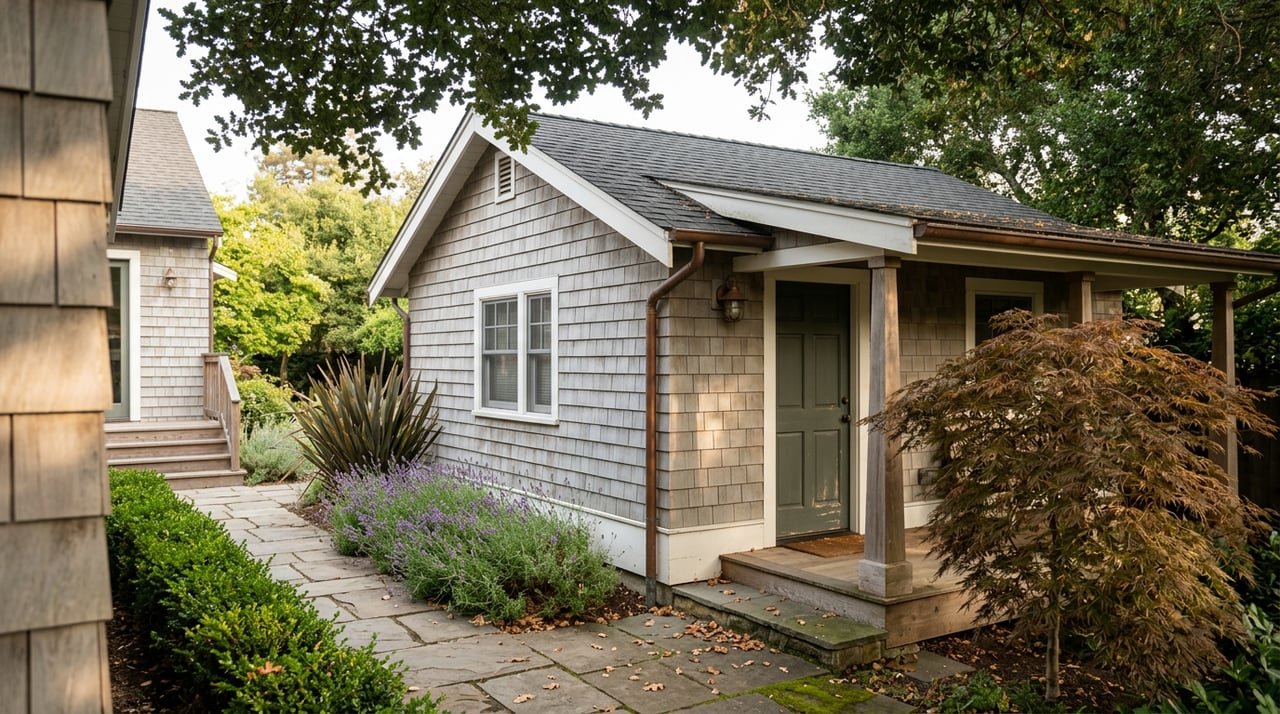
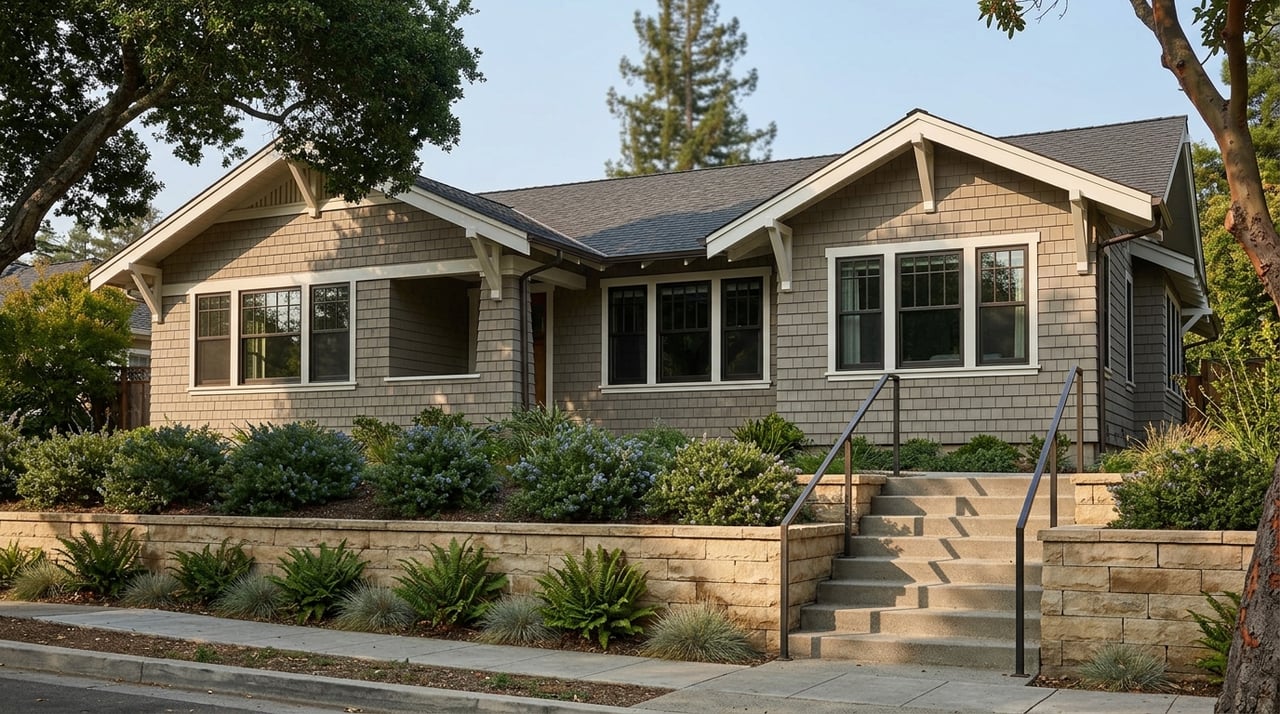
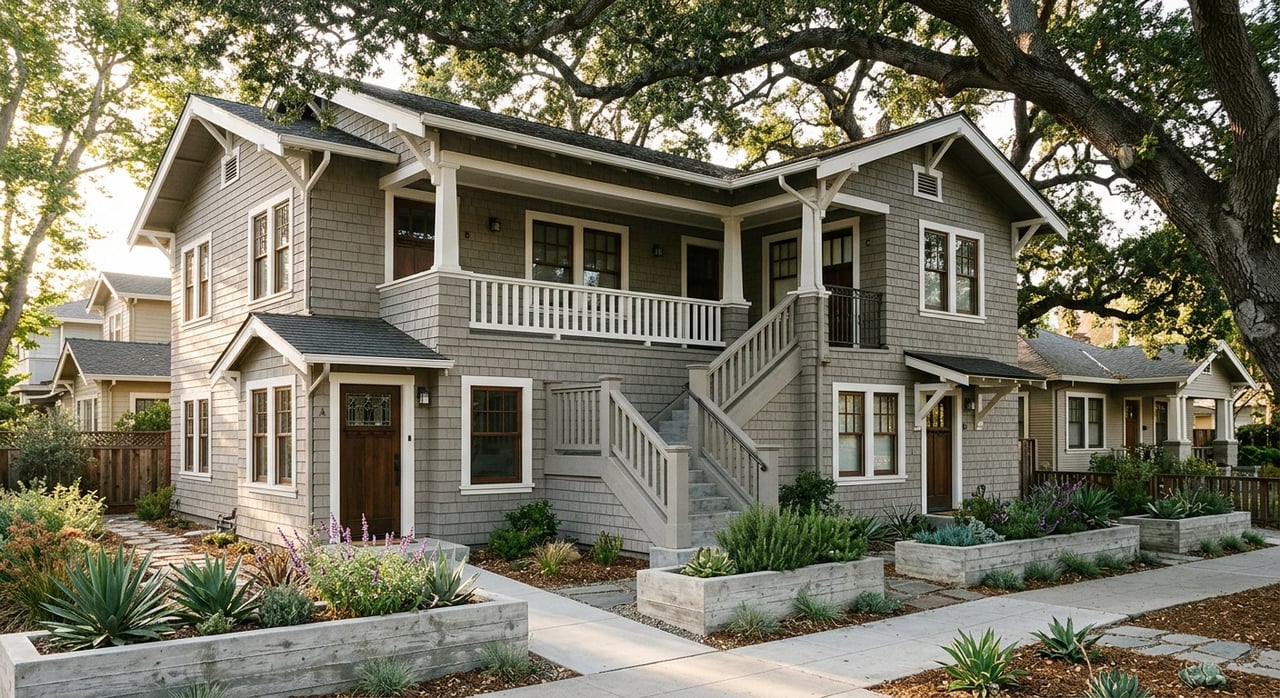
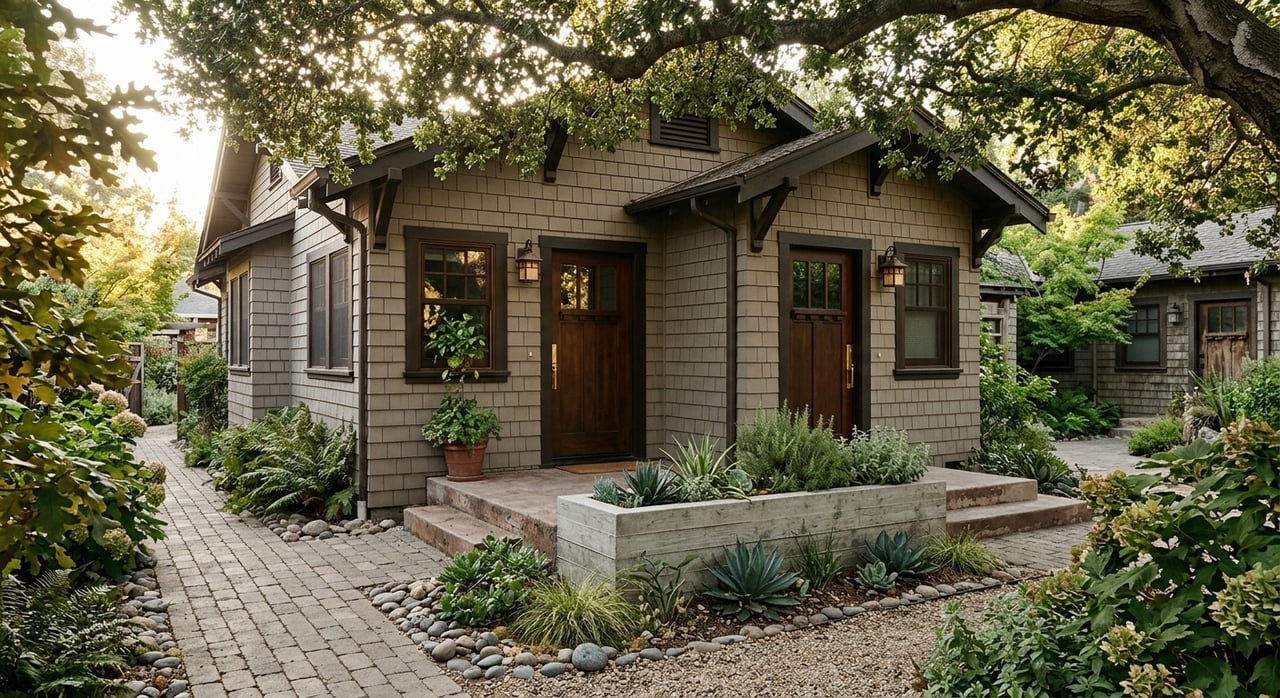
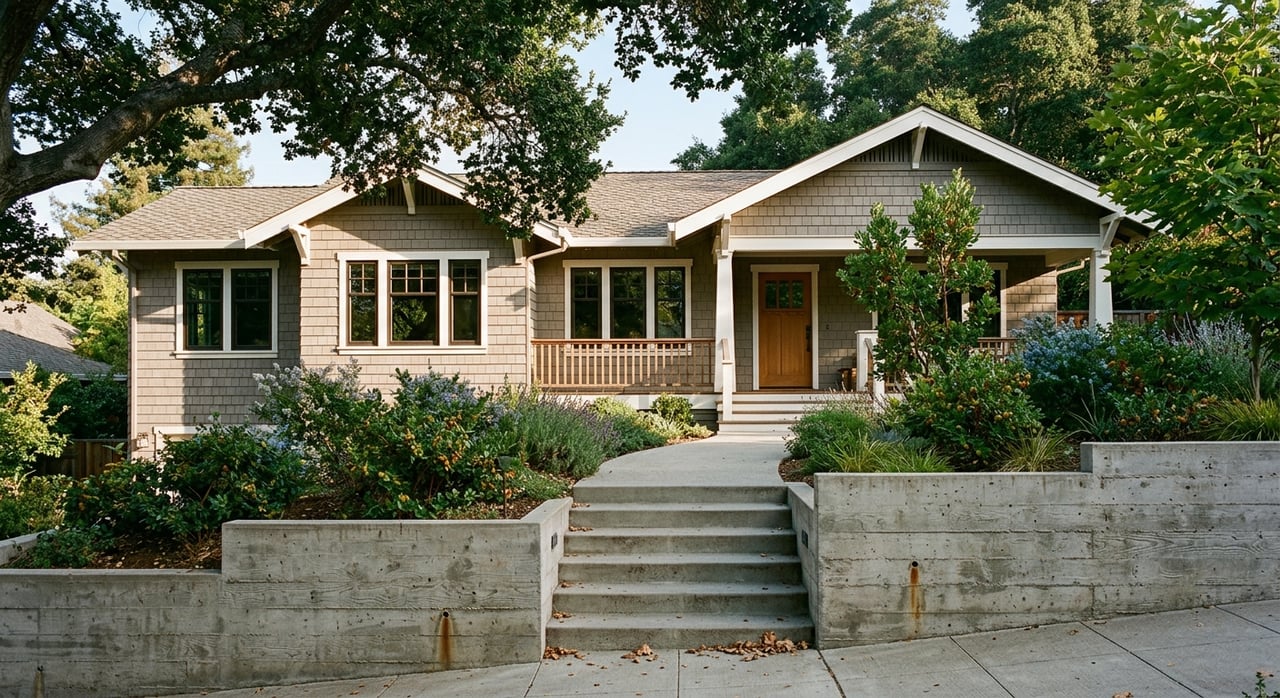
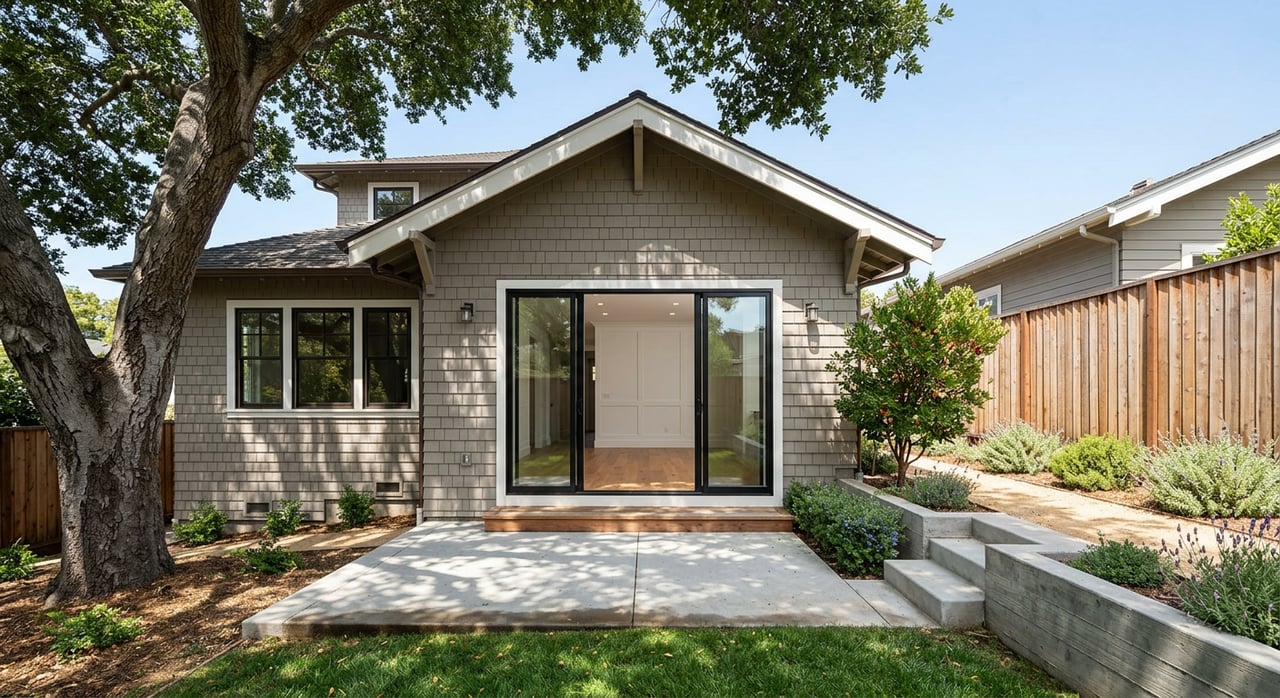
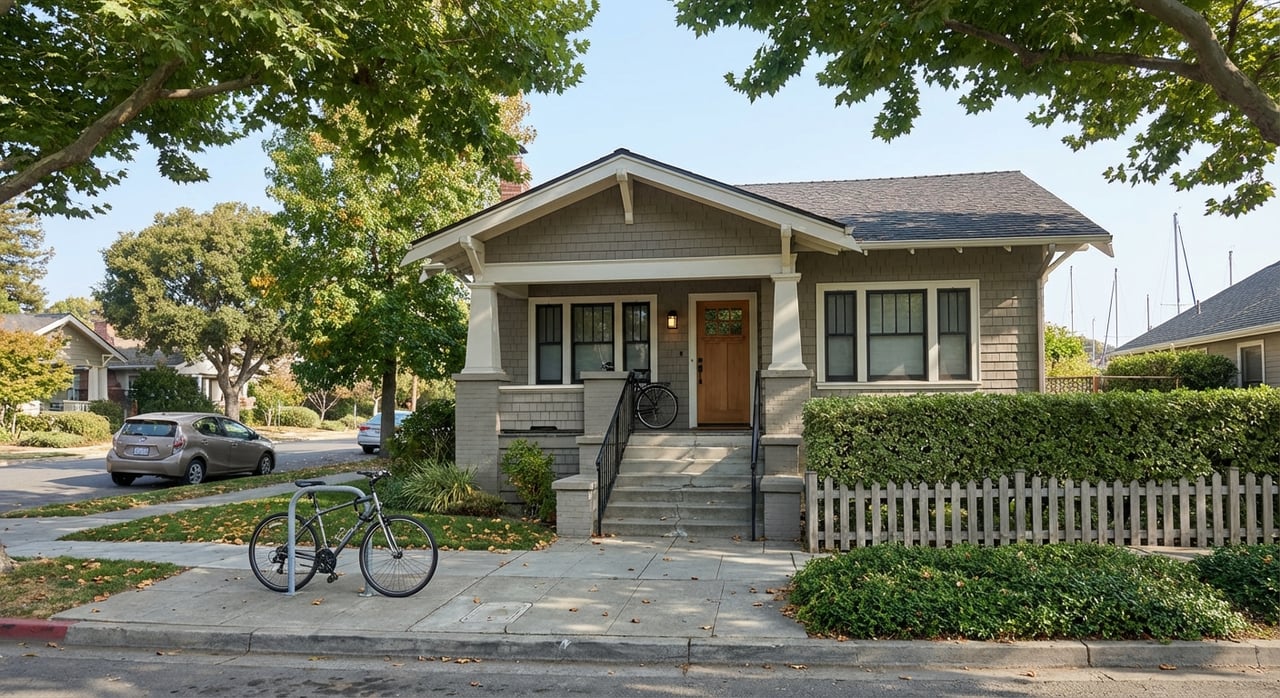
Castro Valley's housing stock skews toward mid-century ranch homes and hillside properties, many built well before today's permitting systems existed. Garages get converted into bonus rooms. Additions go on the back of a house without a call to the county. Detached structures become guest quarters. None of this is unusual for a neighborhood this age, and most of it was probably done in good faith by an owner who didn't realize a permit was required, or who assumed a contractor had pulled one.
The stakes are rising, too, because more of that housing stock is now eligible to legally do what it may have been doing informally for years. According to Acton ADU, Alameda County allows most single-family lots in Castro Valley to add one detached accessory dwelling unit and one junior ADU, with no minimum lot size required. According to Urbatect, new construction ADUs need a four-foot setback from interior side and rear property lines, and permit review typically runs eight to sixteen weeks. According to PermitFlow, since January 1, 2026, all new building permit applications in the county, ADUs included, have had to meet the 2025 California Building Code rather than the 2022 version, and a separate state law that took effect the same day changed how ADU square footage gets measured, shifting to interior wall dimensions rather than the exterior or centerline measurements some older county calculations used.
For an investor eyeing a Castro Valley duplex or a homeowner weighing whether that decades-old garage conversion could become a legal rental unit, these aren't abstract code updates. They're the difference between a property that can be financed and insured as what it actually is, and one where the county's file and the structure on the ground tell two different stories.
What Checking Permit History Actually Looks Like
| Incorporated city (e.g., San Leandro, Hayward) | Unincorporated Castro Valley | |
|---|---|---|
| Who reviews the permit | City building department | Alameda County CDA, Building Inspection Division |
| Where the file lives | City hall or a dedicated city portal | County system covering all unincorporated areas |
| Historical file requests | Varies by city | Must be submitted before 2 p.m. Wednesday; five to ten business days to retrieve |
| In-person review | City counter | County office in Hayward, or by appointment for certain permit types |
The point of this table isn't that one system is better than the other. It's that they're genuinely different systems, and a buyer who's used to how permit lookups work in a neighboring city can't assume the same timeline applies once the address sits inside Castro Valley's unincorporated boundary.
The Move That Actually Protects You
If you're buying in this market, the honest advice isn't to slow down and lose the house. Six other offers won't wait for you to finish a county records request. The better move is to start that request the moment you're seriously considering a property, not after you've gone into contract. A permit history pull that comes back before you write an offer turns a waived inspection contingency into an informed decision instead of a blind one. If the addition checks out, you've lost nothing. If it doesn't, you can decide whether—and on what terms—to proceed.
If you're selling, the same logic runs in reverse. Pulling your own property's permit file before you list means you already know what belongs on the Transfer Disclosure Statement, rather than finding out from a buyer's inspector after you're in contract. It also means any prep work you're doing before listing, the kind of staging and light renovation that tends to shorten time on market, doesn't accidentally add a new unpermitted item to a file that was clean before.
For owners weighing whether an existing garage conversion or accessory structure could become a legally rented unit rather than a disclosure liability, that's a conversation worth having with someone who works in both the sale and the ownership side of the equation.
A Few Questions That Come Up
Can I check a Castro Valley property's permit history before I make an offer? Yes, through Alameda County's building permit system, though historical file requests follow the county's Wednesday 2 p.m. cutoff and typically take five to ten business days to fulfill. Starting that request early in your search, rather than after you're in contract, gives you a real answer before a deadline forces your hand.
Does an unpermitted addition affect financing? It can. Appraisers and lenders generally don't count unpermitted square footage toward a home's valuation, and unresolved permit issues can slow or complicate a loan. This is a conversation for your lender directly, since the impact depends on the scope of the work and the loan type.
If the seller says an addition was permitted but the county has no record, who's right? Sometimes county records are incomplete or filed under an old parcel number, and the work really was done correctly. Sometimes it wasn't permitted at all. Either way, the county's file is the record a future buyer, appraiser, or lender will check, so it's worth resolving the discrepancy before closing rather than after.
Castro Valley's market rewards buyers and sellers who move fast. It doesn't reward the ones who skip the one check that actually protects them once the offer is accepted. If you're weighing a purchase or a sale here and want a clear read on what a specific property's paperwork looks like before you're staring down a five-day deadline, Annie Tegner can walk you through it. Start with a free East Bay home valuation and we'll go from there.
This article is general information, not legal, tax or financial advice. Consult a qualified professional about your situation.