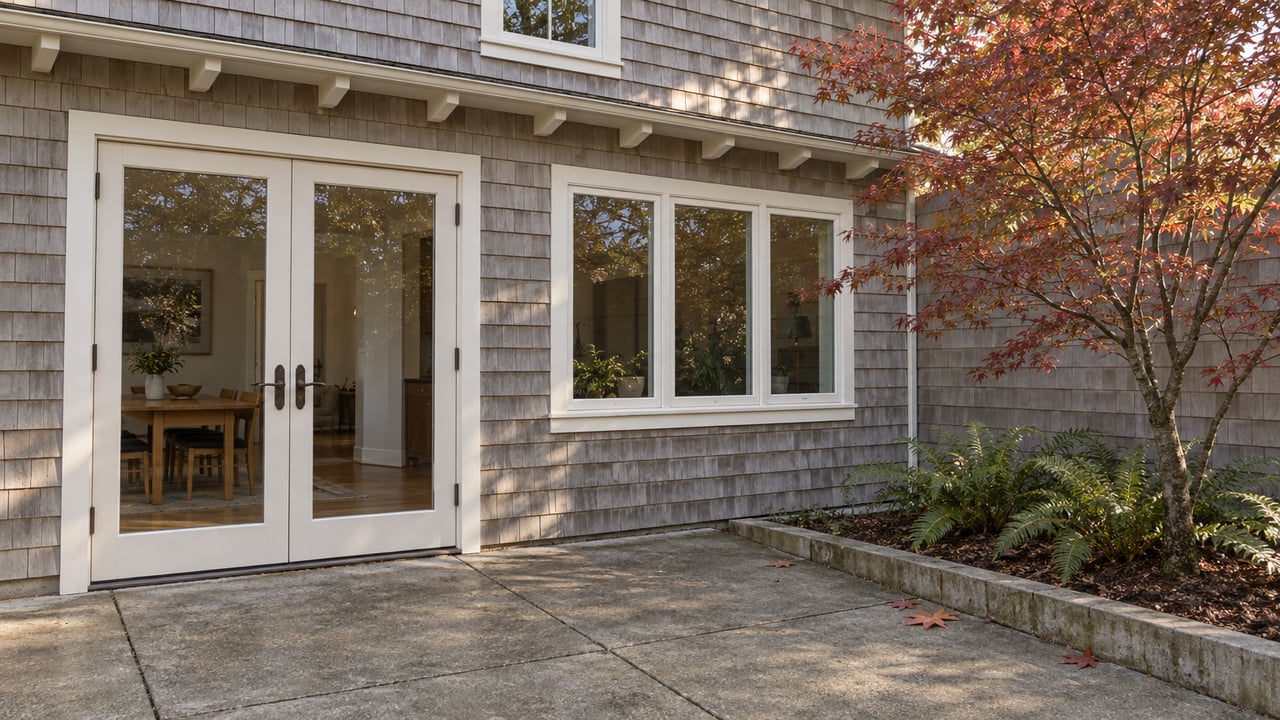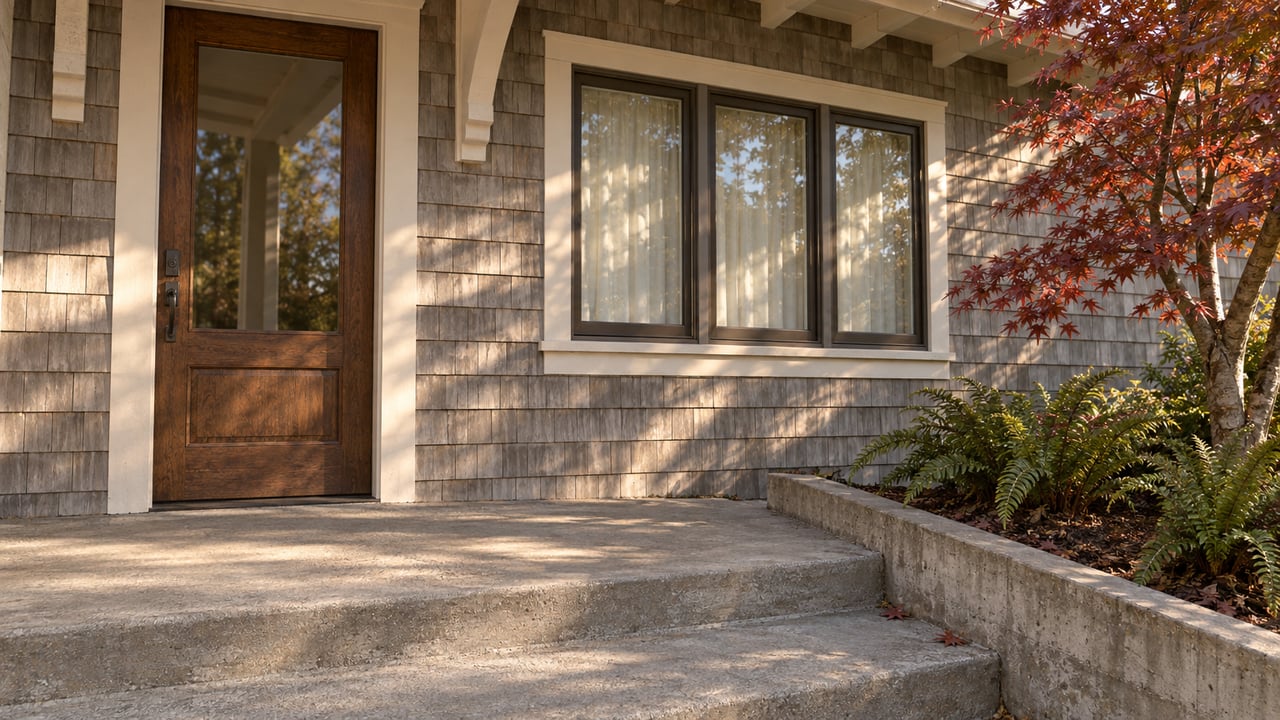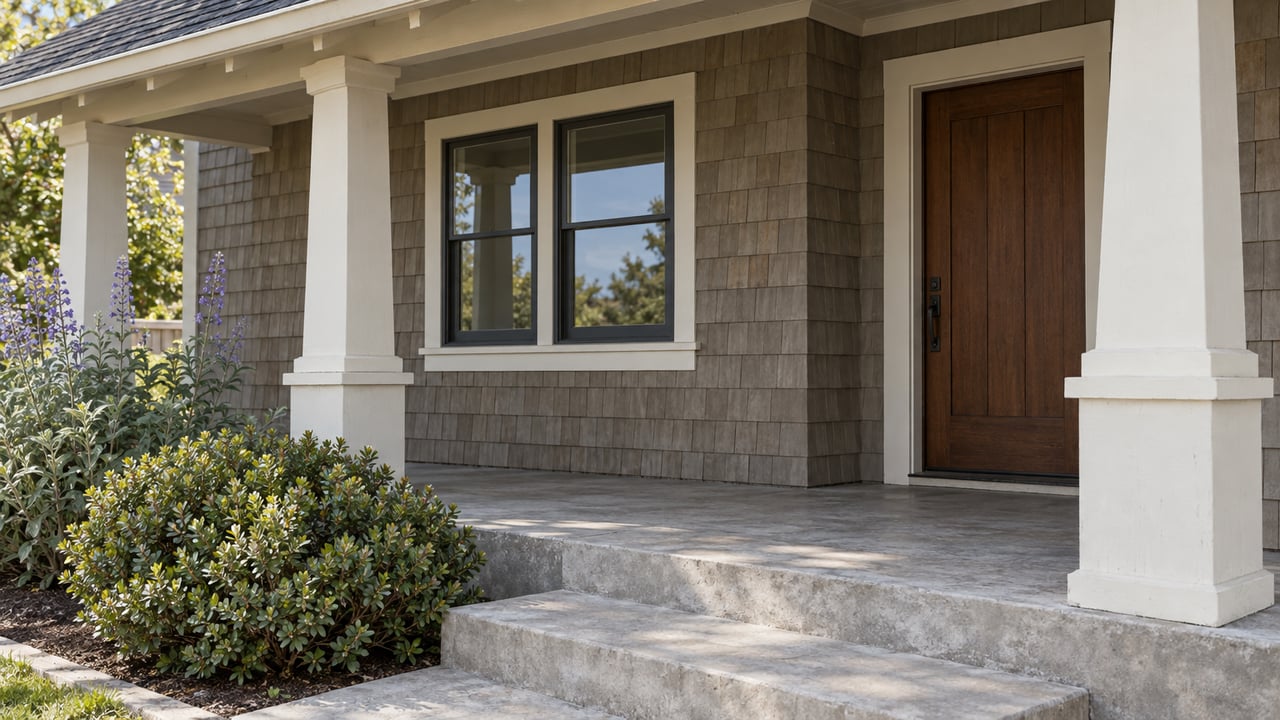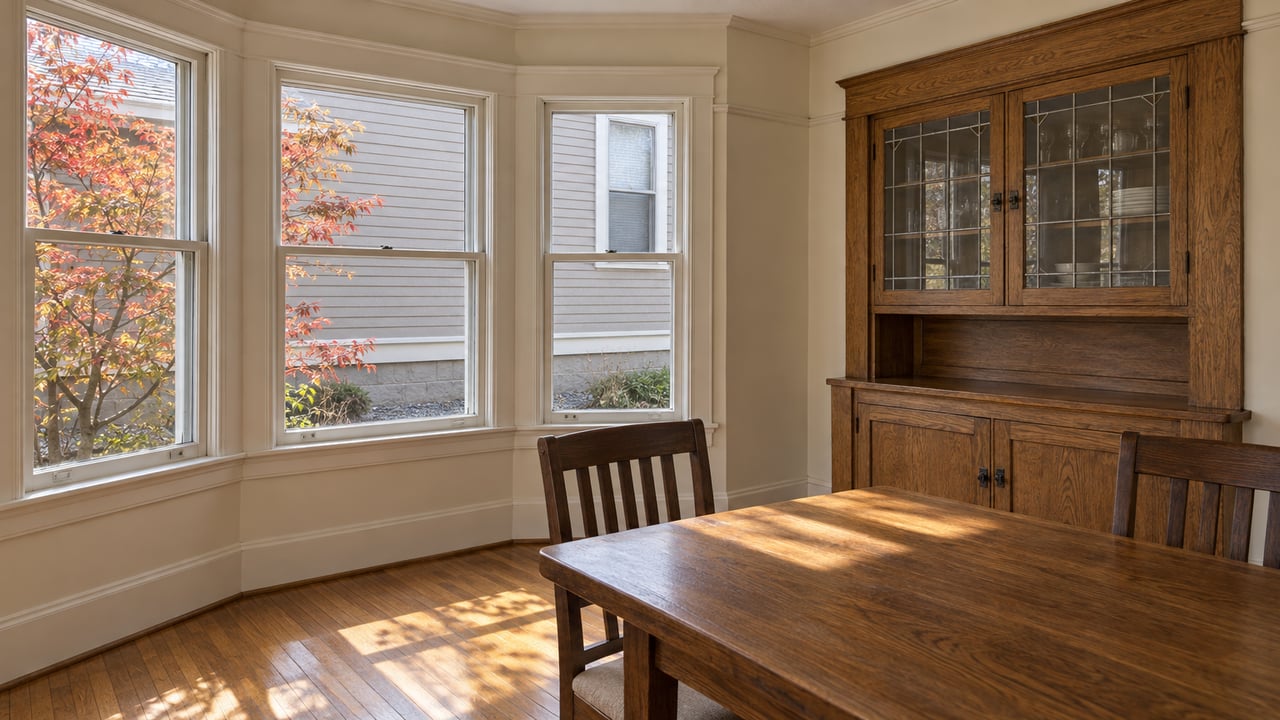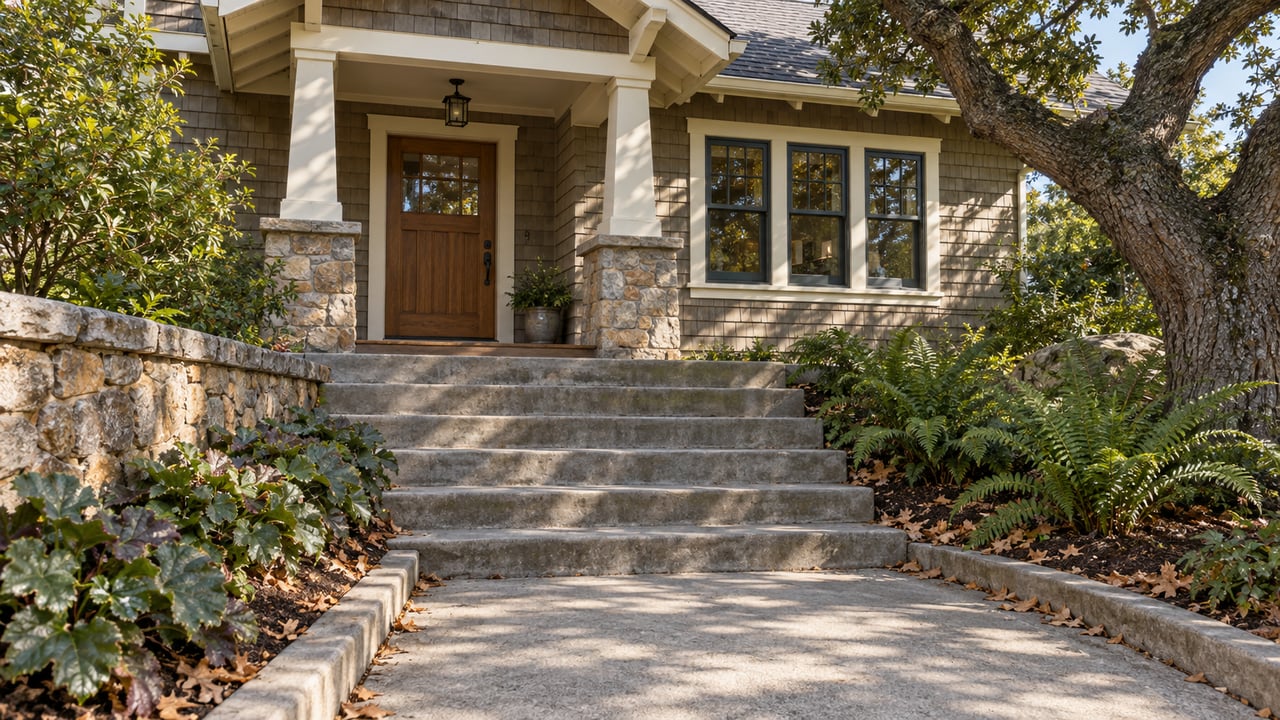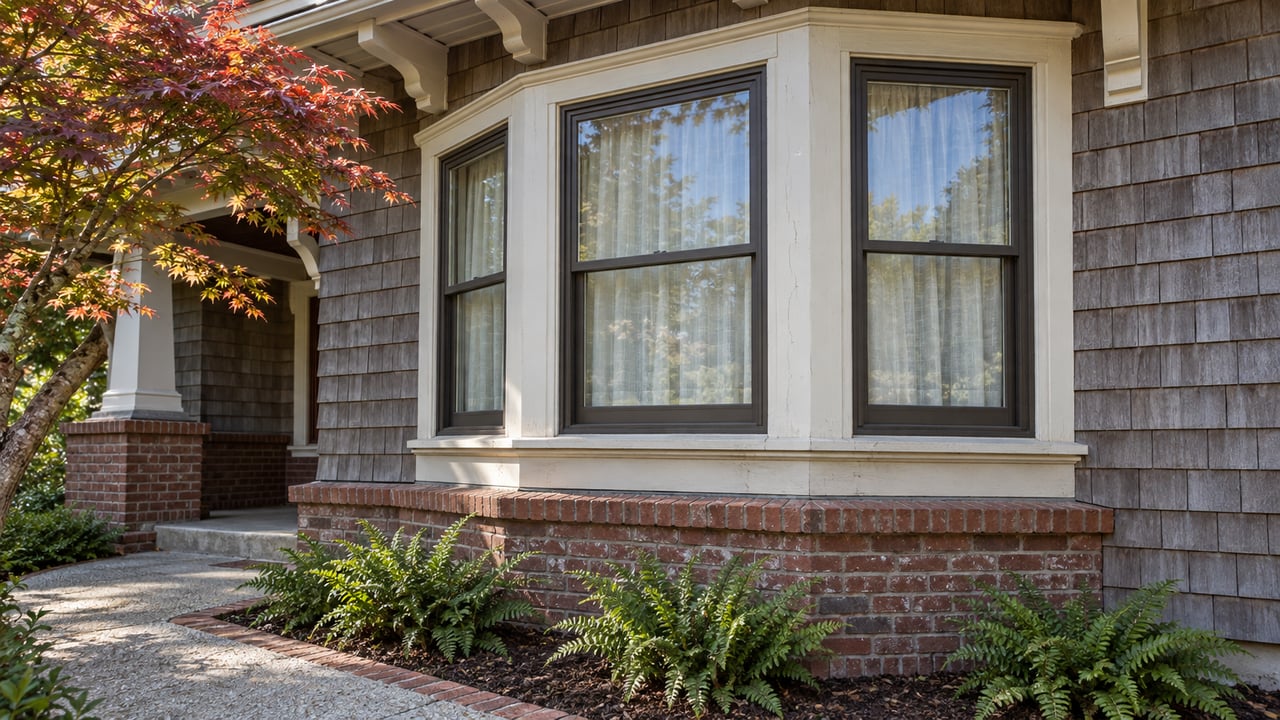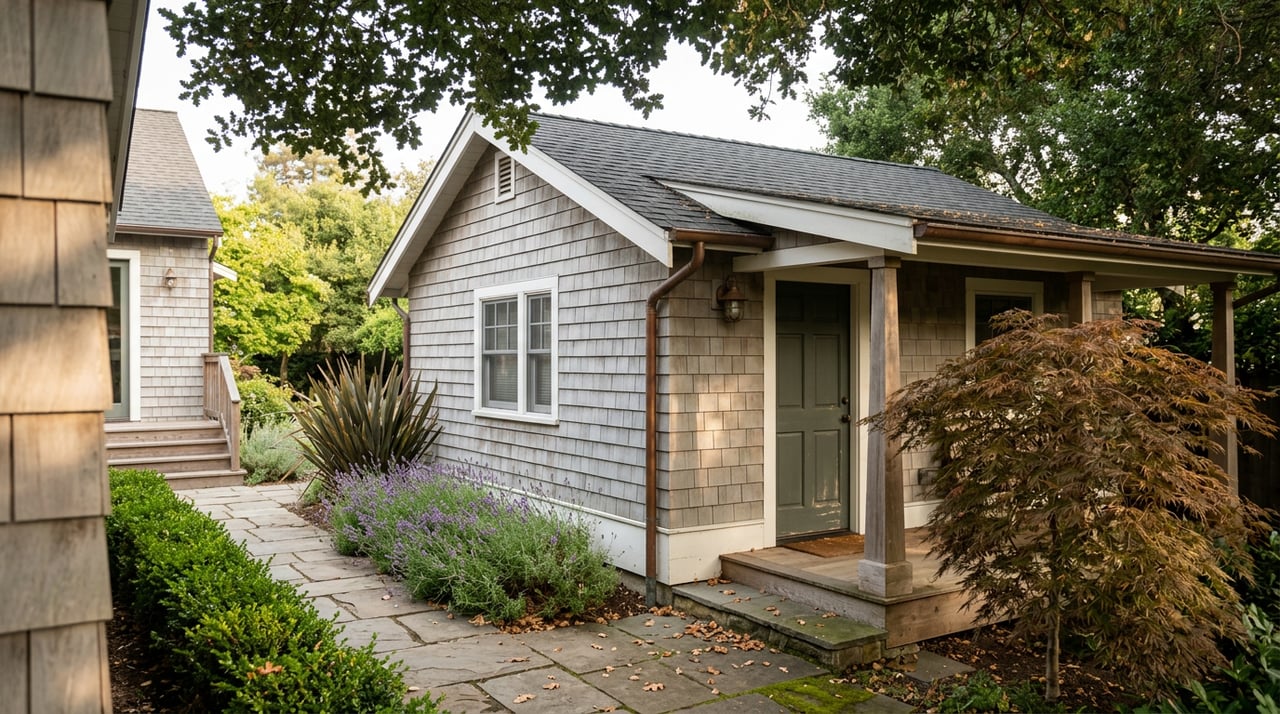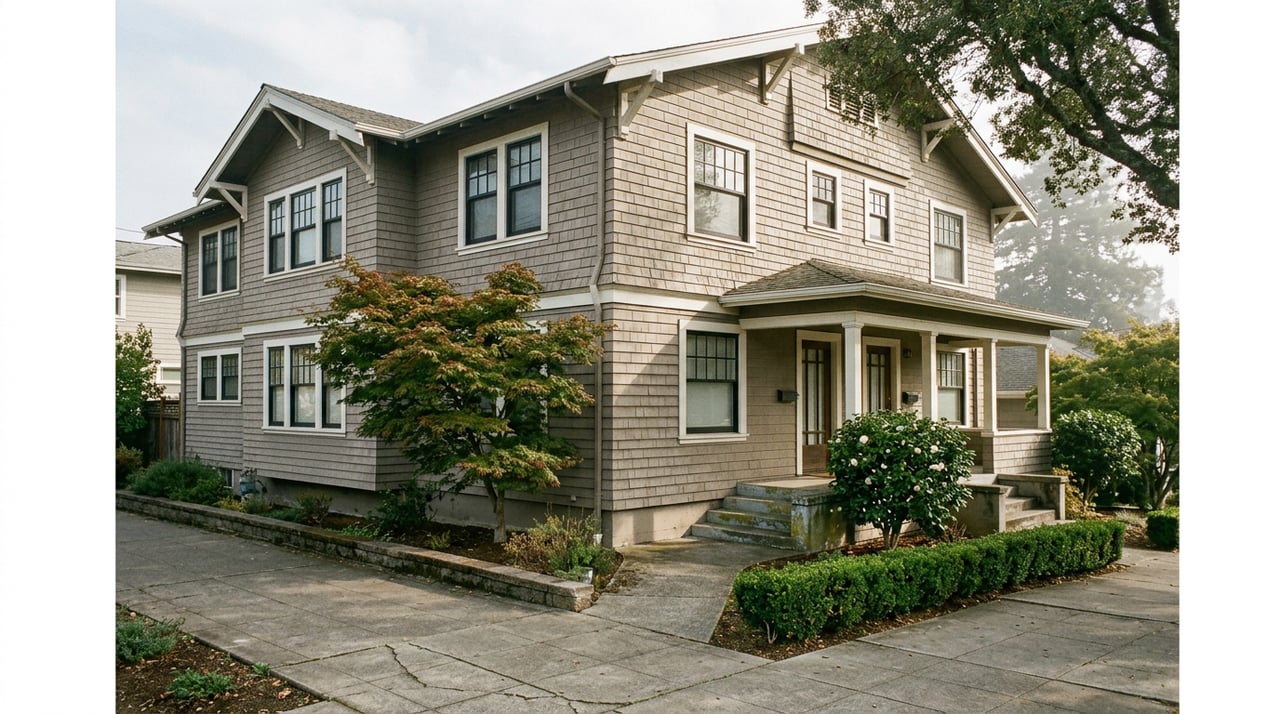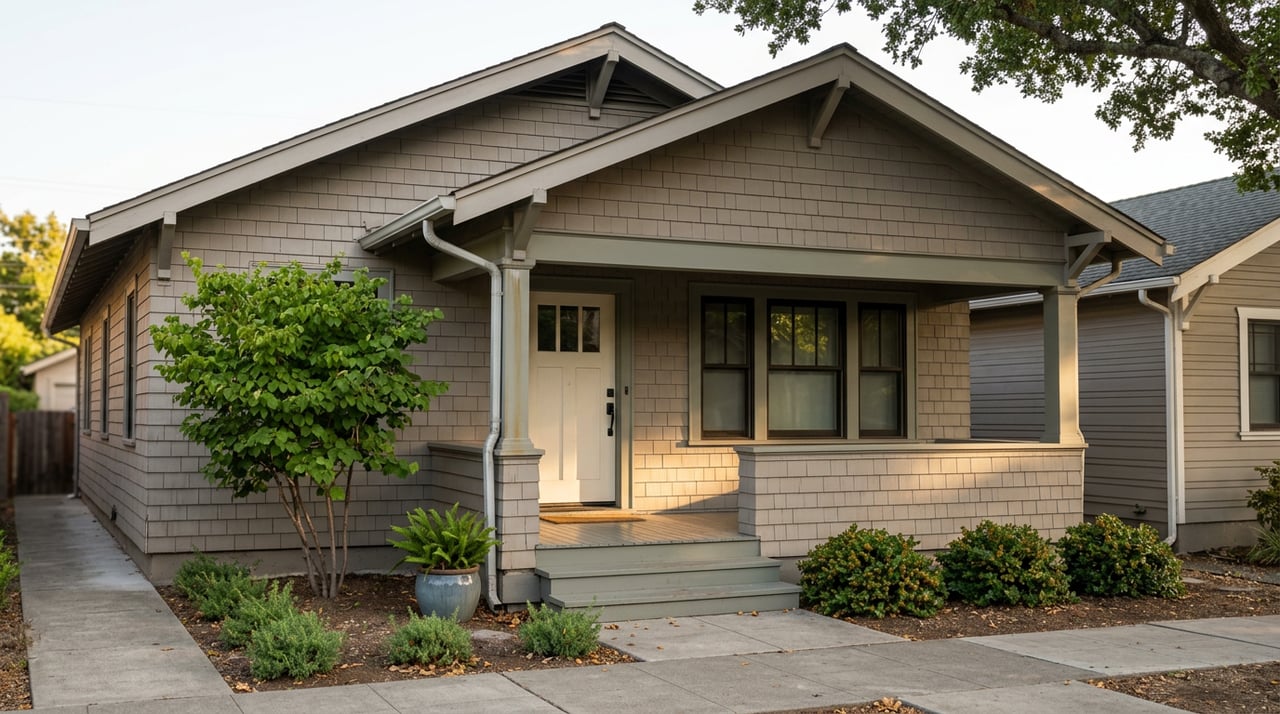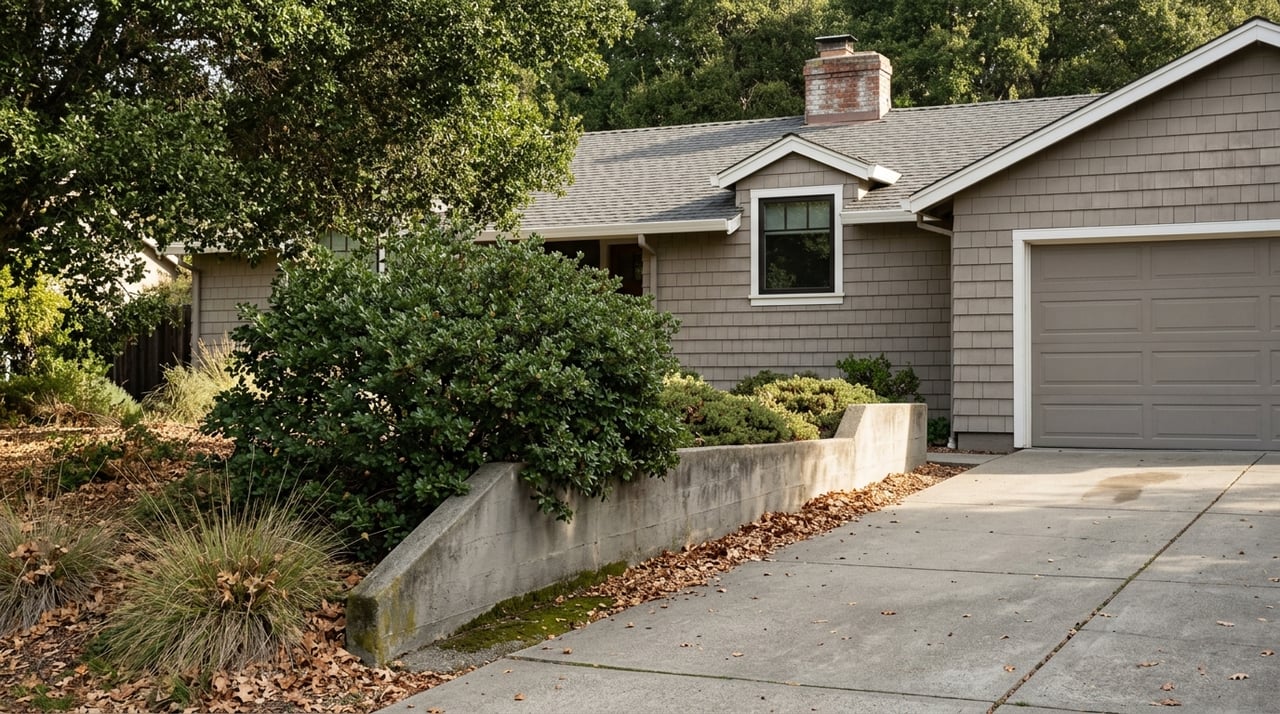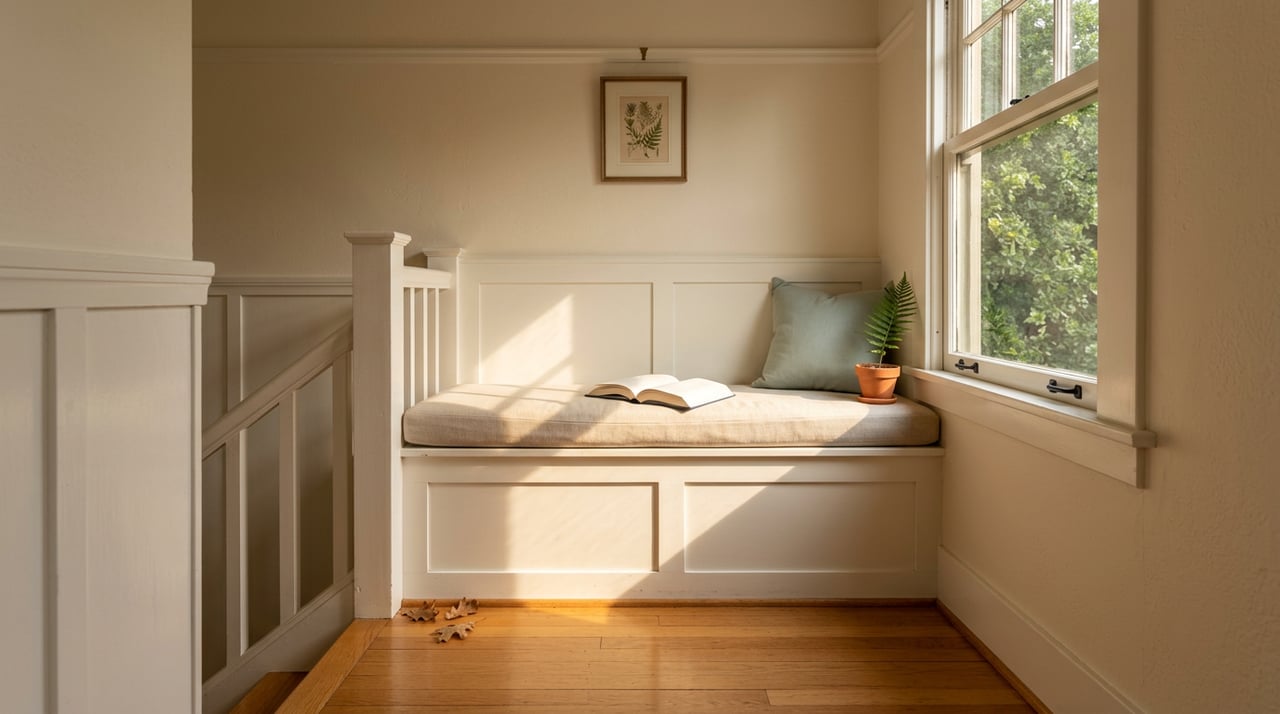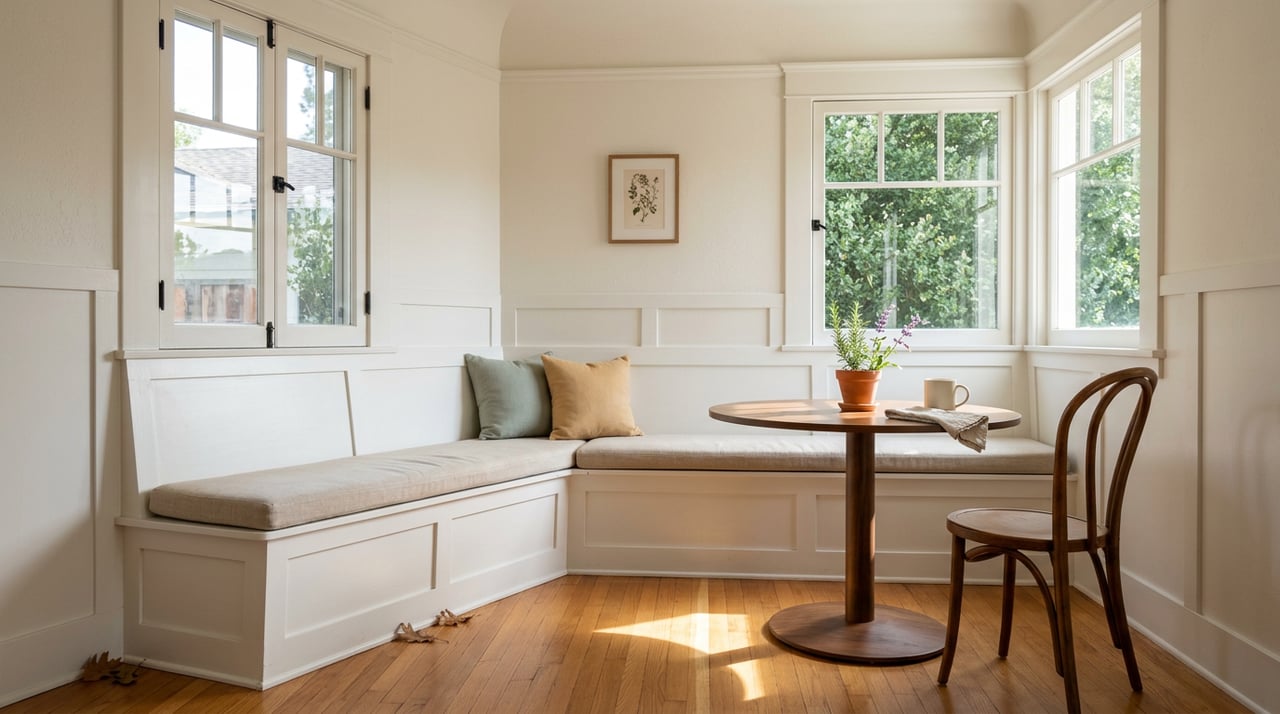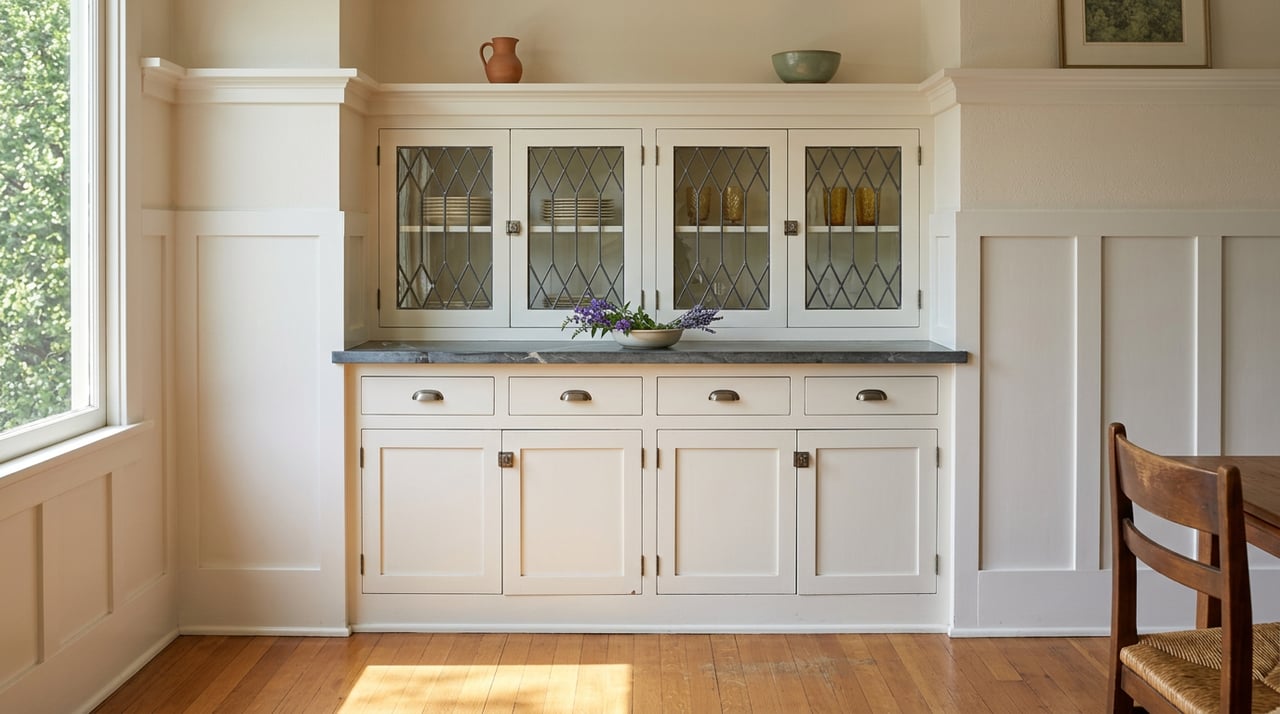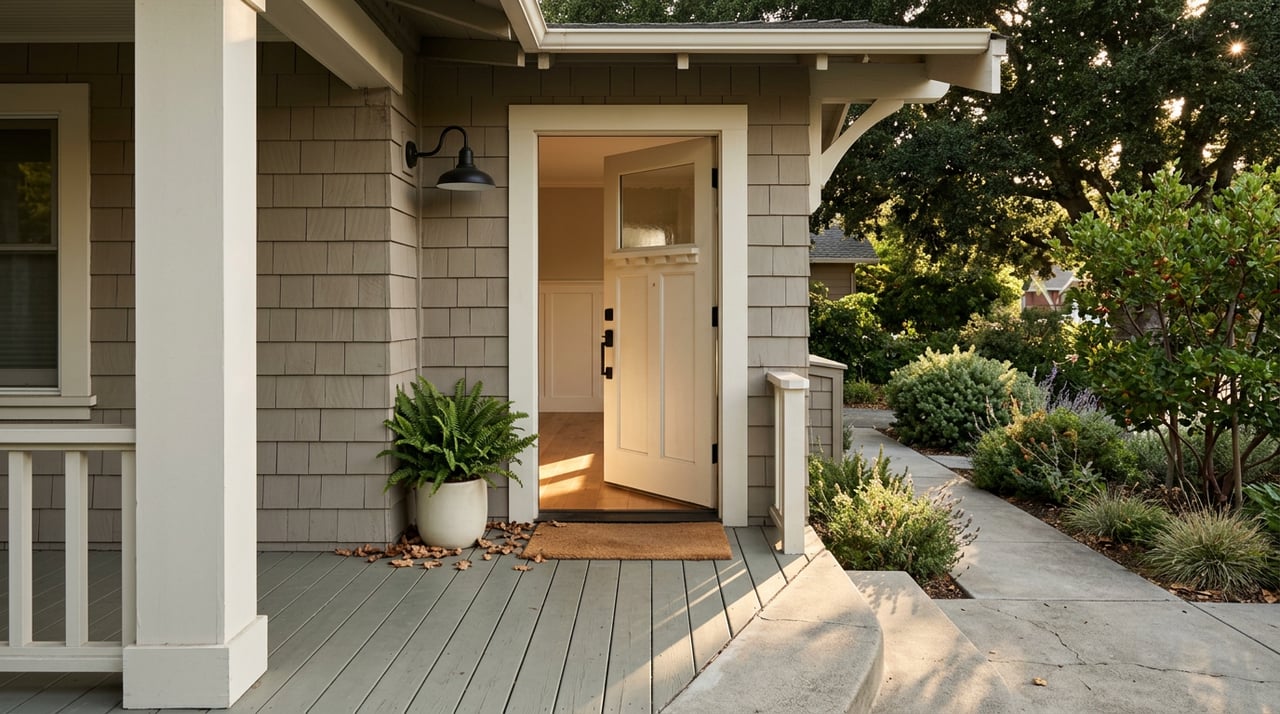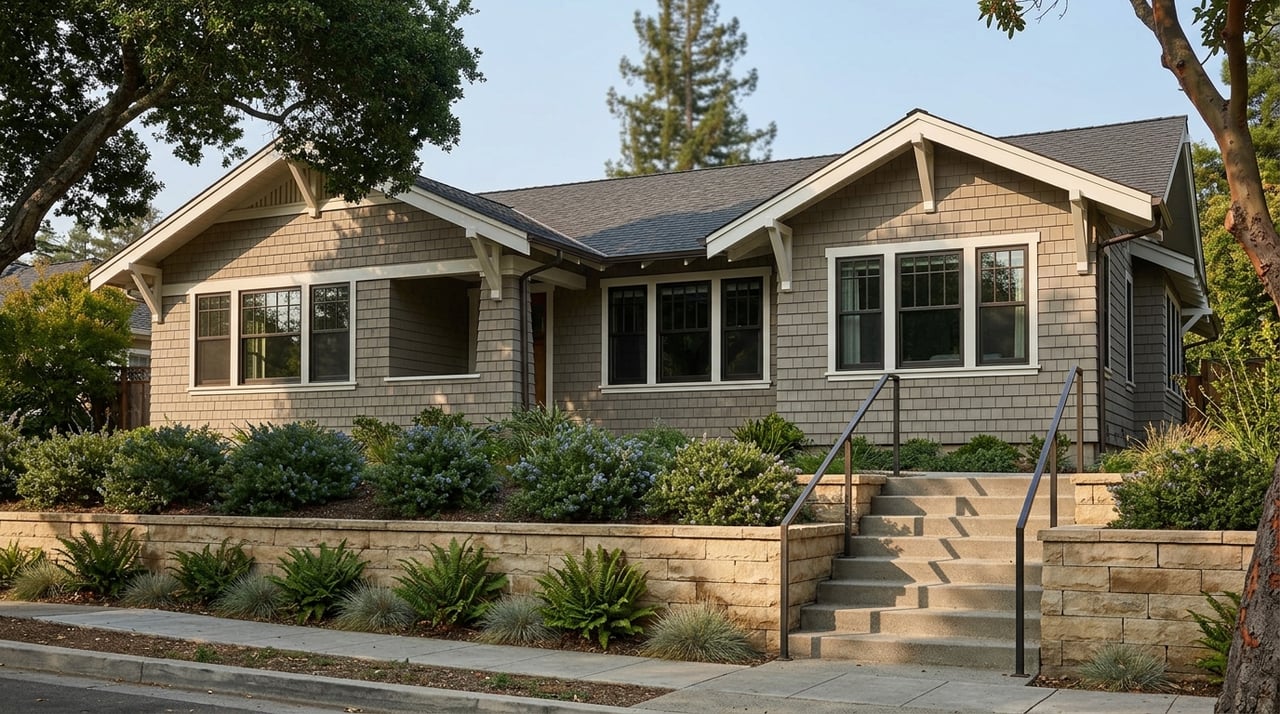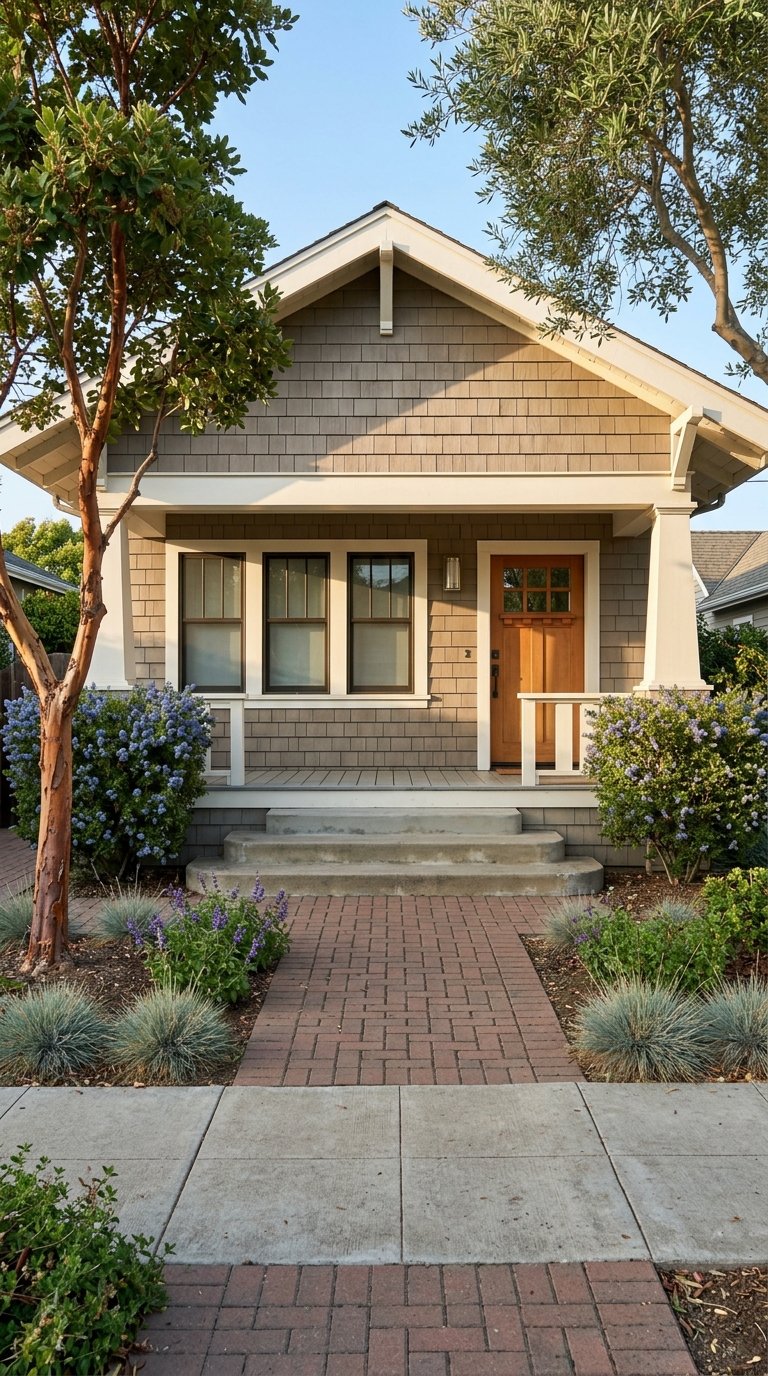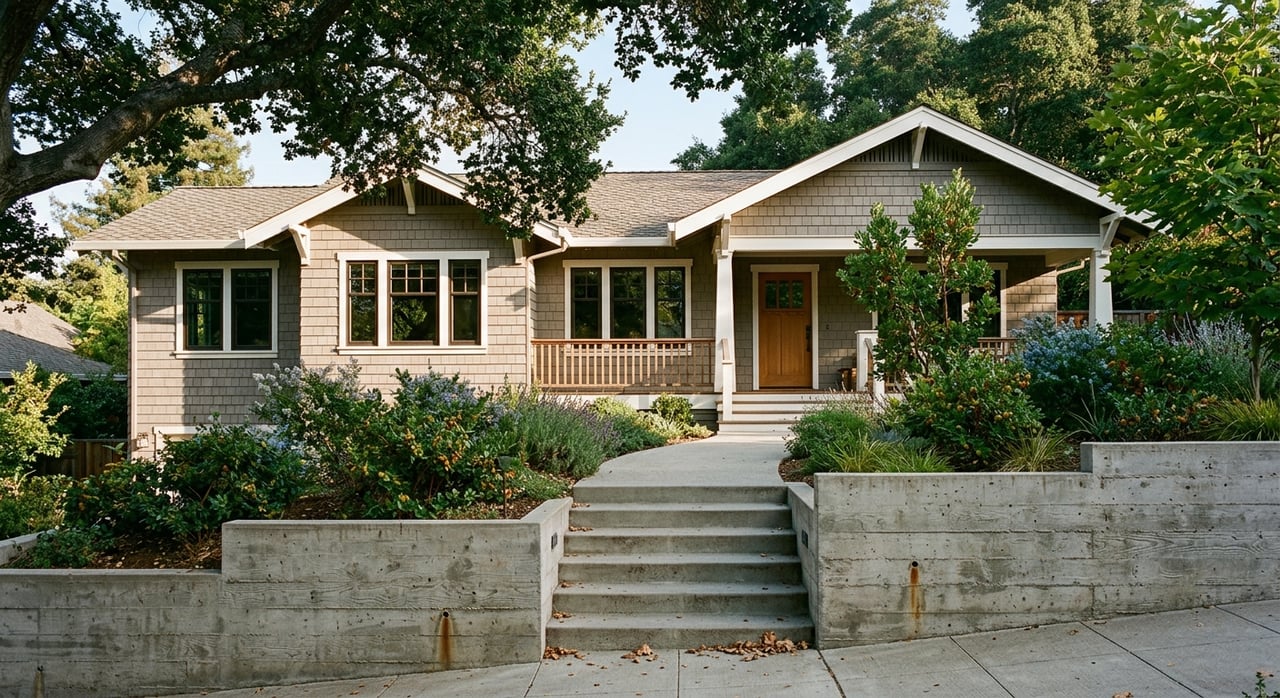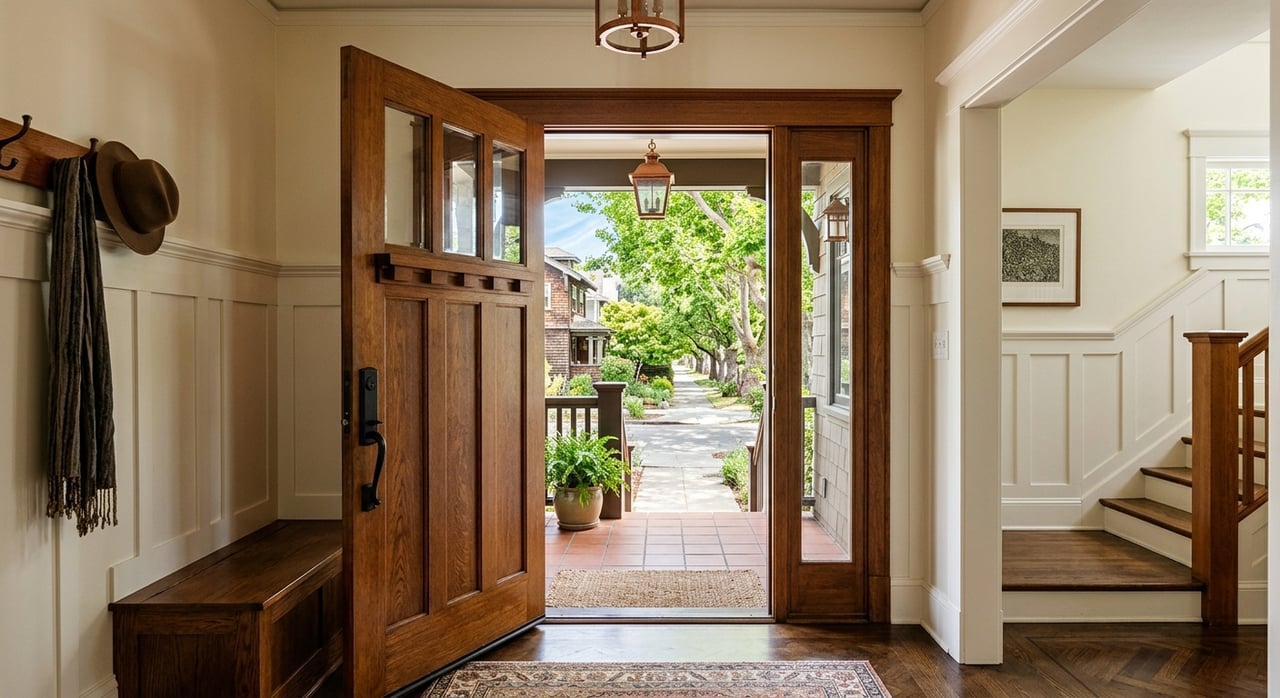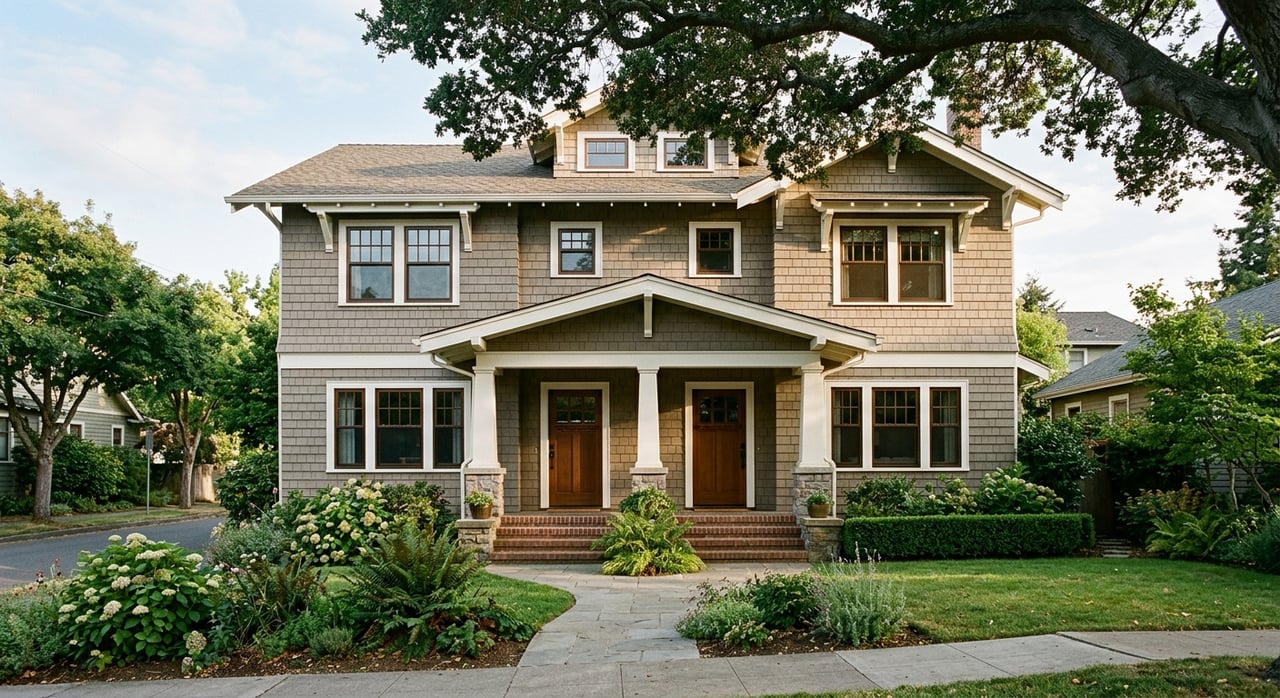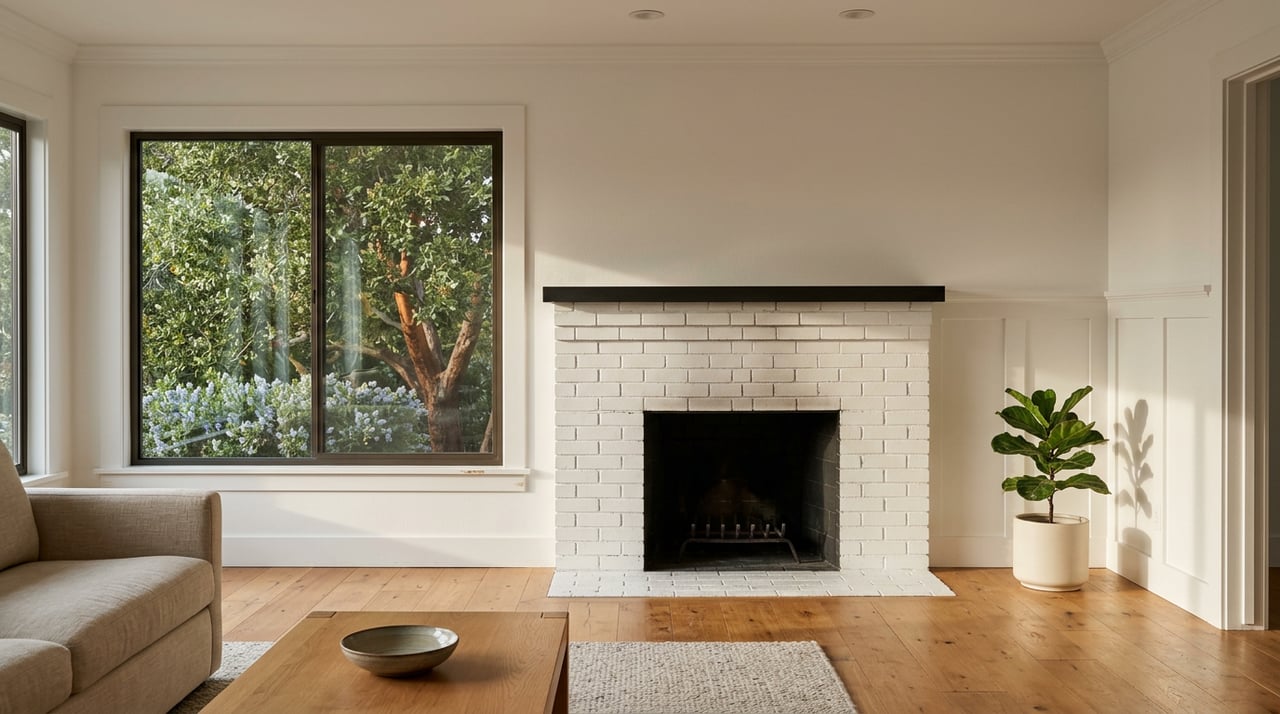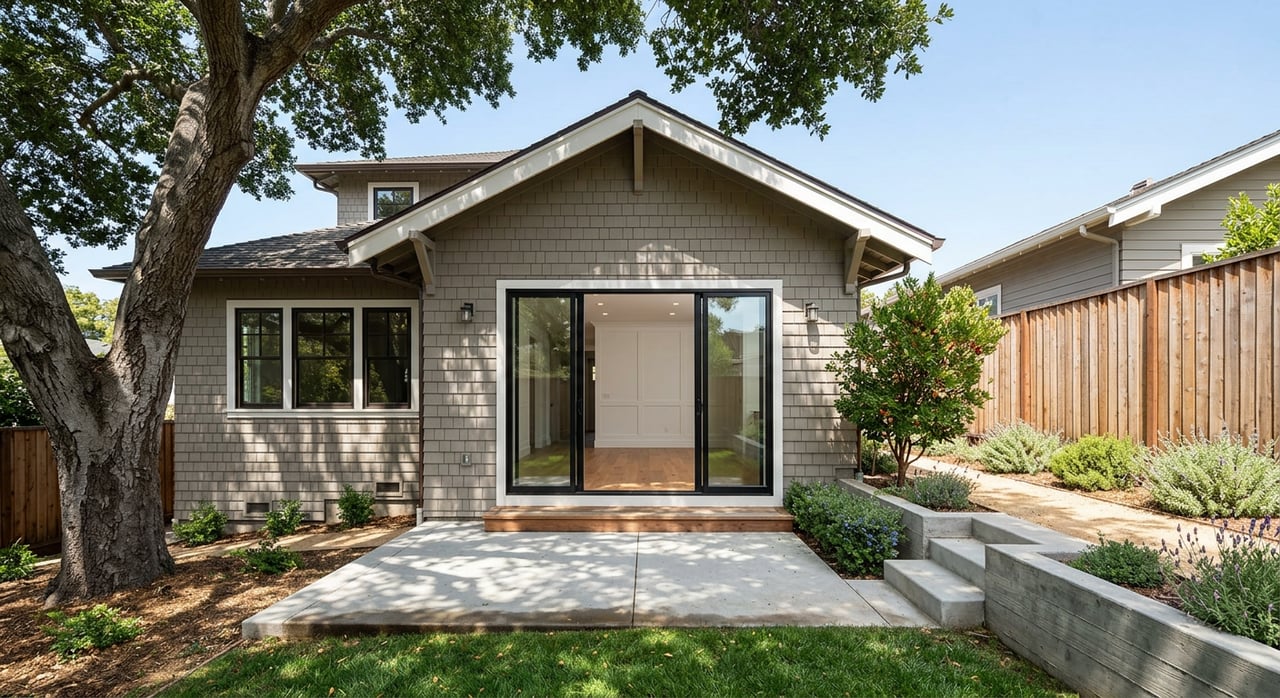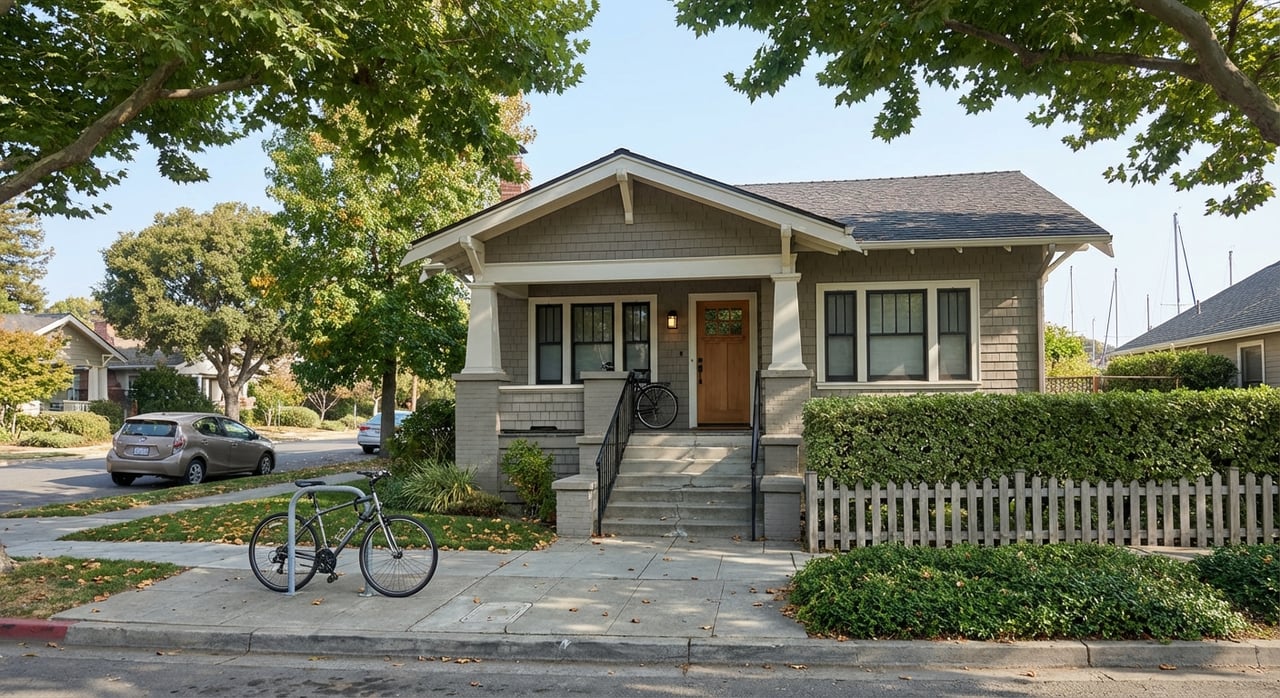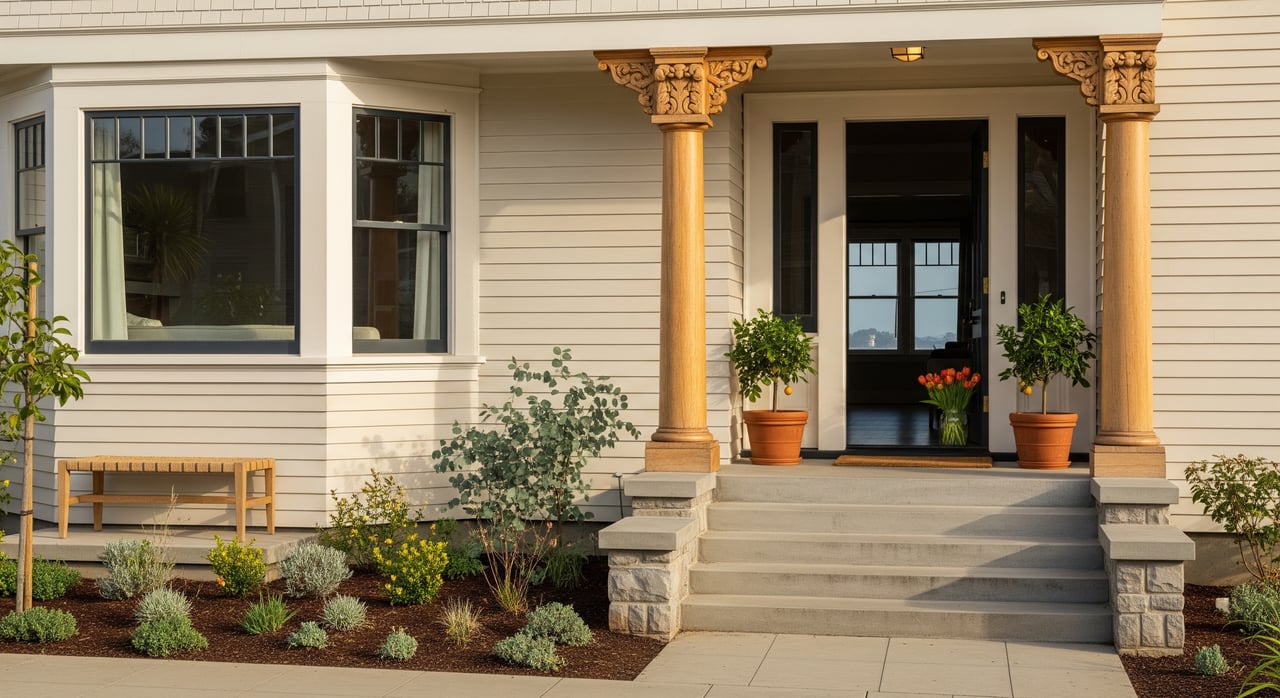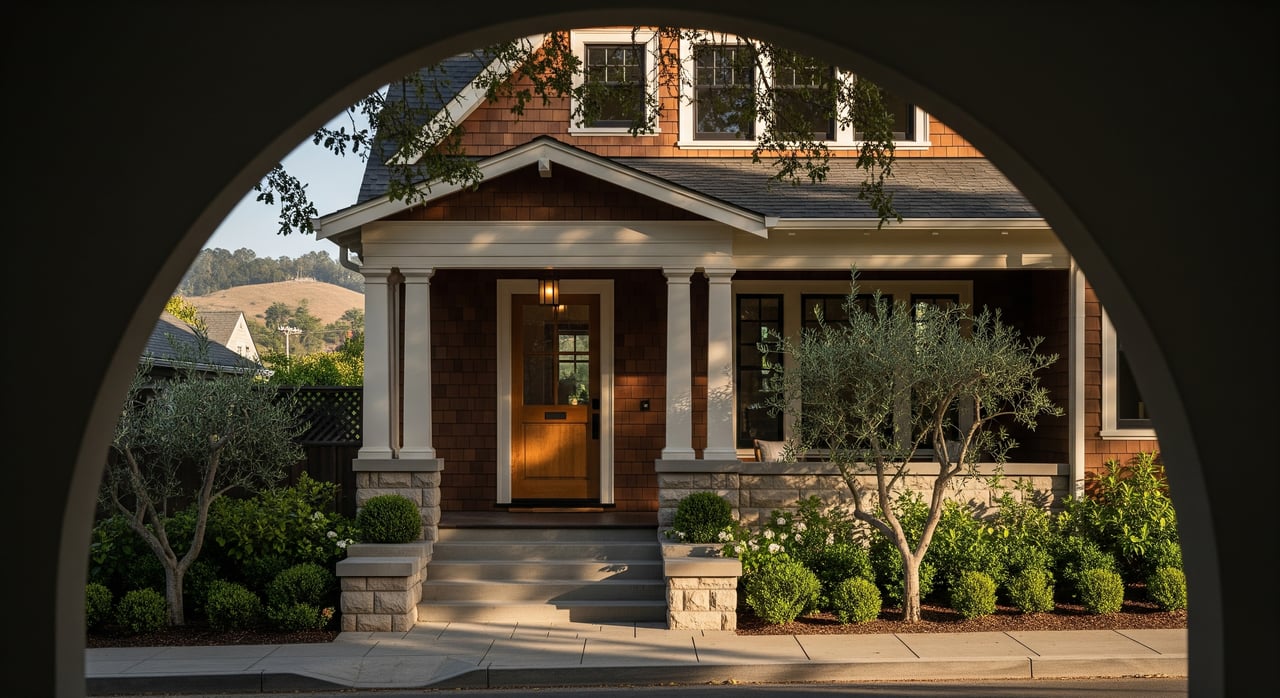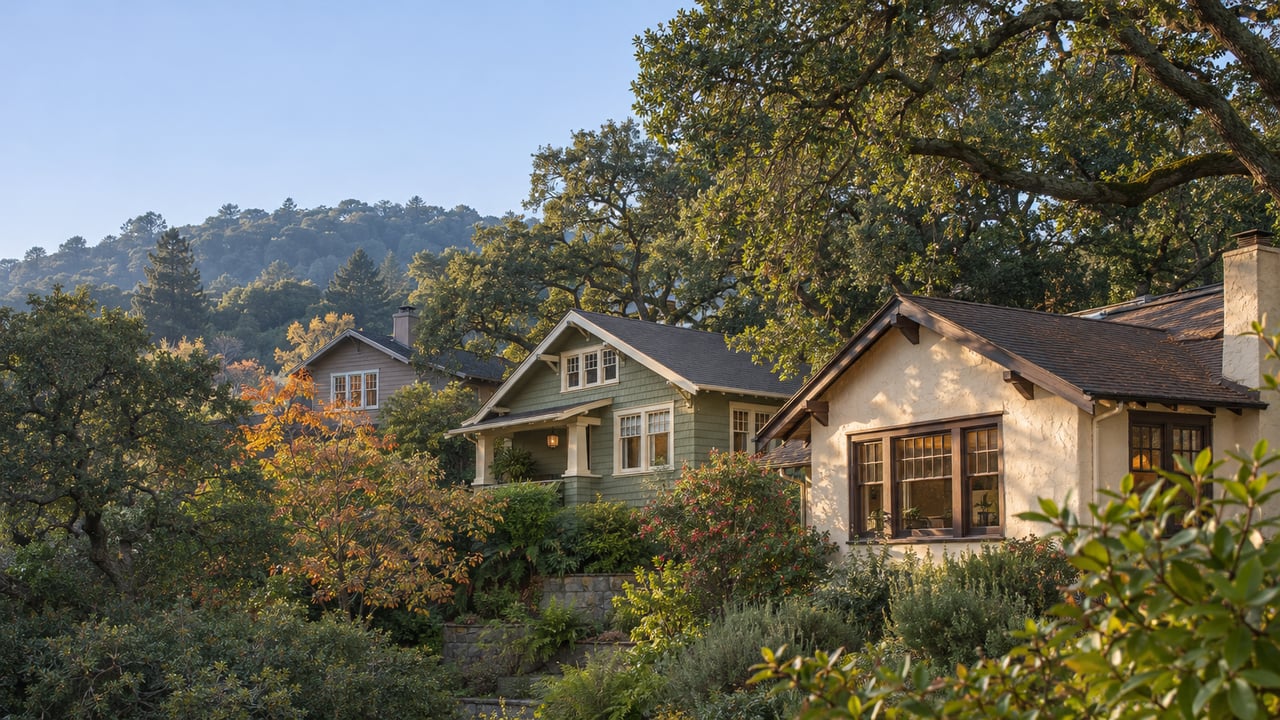
The brick house at 3938 Maybelle sits in the Upper Laurel, at the edge of Redwood Heights. It went on the market in October at $895,000. The listing said it was a custom 1939 home built by a master brick mason who had worked for Julia Morgan. It had hand-hewn timbers over the porch and a 256-foot-deep lot planted with fruit trees, and offers were due by noon on Wednesday, October 21. When the sale closed on November 6, the price was $1,100,000, which is 22.9% above asking.
A buyer who saw $895,000 and assumed the house was within reach was reading the wrong number. That is the pattern in southeast Oakland's lower hills this fall. In Glenview, the Laurel and Redwood Heights, the asking price is where sellers want the bidding to start. It is a deliberate convention, and it held through a season when most of the country moved the other way.
The rest of the market softened
Through late summer and early fall, the news was mostly about cooling. KPIX reported on September 19, 2026 that, according to Bay East Association of Realtors figures, East Bay single-family prices had fallen for a third straight month in August, to a median of $1,117,000. Viviana Cherman, Bay East's president-elect, told the station that "the East Bay, in fact, was a little bit slow during summer," and that "we saw a lot of inventory come up and taking a little more days to get in contract."
The state numbers fit that picture. The California Association of Realtors' September 2026 report put the statewide sales-price-to-list-price ratio at 98.8% for that month, so the average California home sold a little under its original asking price. The 30-year fixed rate averaged 6.86% in September, up from 6.35% a year earlier. On October 25, 2026, the East Bay Times ran an Associated Press report describing a national market where a quick sale above asking had become unlikely.
Southeast Oakland's lower hills ran on different numbers over the same months.
In the lower hills, the premium went up
bridgeMLS data for October 2026, covering all property types, shows the gap. In the area that groups Glenview with Dimond and Oakmore, 16 homes sold that month. The median sale closed 25.9% over asking, and 88% of sales went over list. Redwood Heights and the Laurel together had 11 sales, a median of 25.4% over asking, and 91% over list. Across all of Oakland in October, the median premium was 11.2% and 72% of sales closed over asking.
These neighborhoods were not cooling. In September 2026, the Glenview, Dimond and Oakmore group had 19 sales, a median of 20% over asking and 95% over list. Oakland's citywide median premium that month was 10%, compared with 3.3% in September 2025. So while state and national headlines said buyers were gaining leverage, the typical premium in these neighborhoods rose by about six points in a single month.
Speed matched the bidding. Median days on market in October were 14.5 for the Glenview group and 12 for Redwood Heights and the Laurel. C.A.R. put the Alameda County single-family median at 13 days in September 2026, compared with 29 days statewide.
More homes for sale, and the bidding didn't ease
Redwood Heights and the Laurel make the clearest case. In October 2026, the area had 2.55 months of supply, well above Oakland's single-family figure of 1.5. In most markets, more listings means sellers start competing for buyers. Here, 91% of October sales still closed over asking. More inventory has given buyers more homes to choose from, and the price premium has not shrunk.
How these homes are listed accounts for it. Many sellers in Oakland's hill neighborhoods price below the value they expect, to draw several offers on a set date. A neighborhood's over-asking figure therefore says as much about that convention as about competition. When most listings on a street are priced this way, a 25% premium is what normal looks like there, and it stays at that level whether a few more homes are on the market or a few fewer.
The premium rises with the price
The convention is not even across price ranges. In July 2026, Oakland houses under $750,000 sold at a typical 102% of list, or about $10,000 over. Houses between $750,000 and $1.5 million sold at 113% of list, about $121,000 over, and houses above $1.5 million sold at 133%. Oakland condos sold at a median of exactly their asking price.
The same July data placed Redwood Heights houses in the top over-asking tier, at 138% to 140% of list alongside Rockridge and Upper Rockridge, with a typical house sale of $1,465,000. Glenview houses were in the next tier, 117% to 127% of list, with a typical sale of $1,202,500.
This fall's closed sales show how that plays out home by home.
| Address | Built | Size | Asking | Sold | Over asking | Closed |
|---|---|---|---|---|---|---|
| 4621 Park Blvd, Glenview | 1915 | 4 bd, 2 ba, 1,812 sq ft | $799,000 | $855,000 | about 7% | Sept. 28 |
| 1337 Excelsior Ave, Glenview | 1910 | 2 bd, 1 ba, 672 sq ft | $649,000 | $731,250 | about 13% | Oct. 9 |
| 4751 Fair Ave, Redwood Heights | 1921 | 2 bd, 1 ba, 932 sq ft | $599,000 | $715,000 | about 19% | Oct. 9 |
| 2437 Damuth St, Upper Dimond | 1940 | 3 bd, 1.5 ba, 1,455 sq ft | $825,000 | $980,000 | about 19% | Oct. 23 |
| 3938 Maybelle, Upper Laurel | 1939 | 2 bd, 2 ba, 1,261 sq ft | $895,000 | $1,100,000 | 22.9% | Nov. 6 |
Every home in the table sold over asking. The smallest premium went to the Park Boulevard house, which was marketed as a fixer with upside. The Excelsior Avenue cottage came with owned rooftop solar, a new heat pump, and an updated kitchen and bath, and it drew about $82,000 over a $649,000 ask. The Fair Avenue house in Redwood Heights had level-in access and a large backyard, and it sold for $116,000 over a $599,000 ask. On Damuth Street, an updated 1940 house with flexible downstairs space closed $155,000 over asking. The Maybelle house, with its new roof in 2022, seismic upgrade in 2005 and a sewer lateral certificate already on file, brought $205,000 over.
Across the five sales, the amount over asking ran from $56,000 to $205,000, and none of the asking prices turned out to be the final price.
Monthly medians move with the mix
If the asking price is the wrong number to budget from, the median sale price looks like the obvious replacement. In a market this small, the median moves a lot from month to month. The Glenview, Dimond and Oakmore median was $750,000 in September 2026 and $1.05 million in October, a 39% jump on 16 sales. Homes did not gain 39% in value in four weeks. A monthly median counts only the homes that happened to close that month, 16 of them here, so it moves with which homes sell.
Over a longer window, prices look flat to slightly down. For the twelve months ending November 15, 2026, the median sale in ZIP code 94602 was $1,050,000, compared with $1,119,500 for the prior twelve months. So the 25% premium does not mean prices are rising fast. Values over the year have been steady or lower, while the gap between asking and sold has widened because of how homes are listed.
Setting a budget for Glenview, the Laurel and Redwood Heights
For a buyer, this changes how a search should work. If your real limit is $1 million, homes listed at $1 million in Glenview or Redwood Heights will mostly sell above it, and many homes listed around $800,000 will finish near your limit. In July 2026, Oakland houses between $750,000 and $1.5 million sold for a typical $121,000 over asking. A search filter set at your full budget will show you homes you are unlikely to win and leave out homes you could.
Your budget should come from the sold prices of similar homes on nearby blocks within the last few months, and the asking price is mainly a sign of when offers are due. The Maybelle house was listed at $895,000, and the number that closed it was $1.1 million.
The convention fades in the parts of the market where list prices land close to final prices. Oakland houses under $750,000 sold near asking in July, and condos sold at a median of exactly asking. A buyer comparing a Laurel condo with a Redwood Heights house is comparing two different pricing systems, even though the homes are a few blocks apart. Our Glenview, Laurel and Redwood Heights neighborhood page and the current market report are good places to start comparing them. If you are still deciding which of the three areas fits, this comparison of Glenview, Laurel and Redwood Heights covers housing styles and commutes.
Sellers face the same arithmetic from the other side. A low asking price works when the house shows well and the marketing brings enough buyers to the offer date. In the table, the fixer on Park Boulevard drew the smallest premium, and three of the other four were listed with recent upgrades spelled out.
If you own a home in Glenview, the Laurel or Redwood Heights and want to know what it would likely sell for, which this fall can be a quarter more than the asking price would suggest, Annie Tegner can walk you through what nearby homes have sold for this fall. Get your free East Bay home valuation and start from the sold prices.