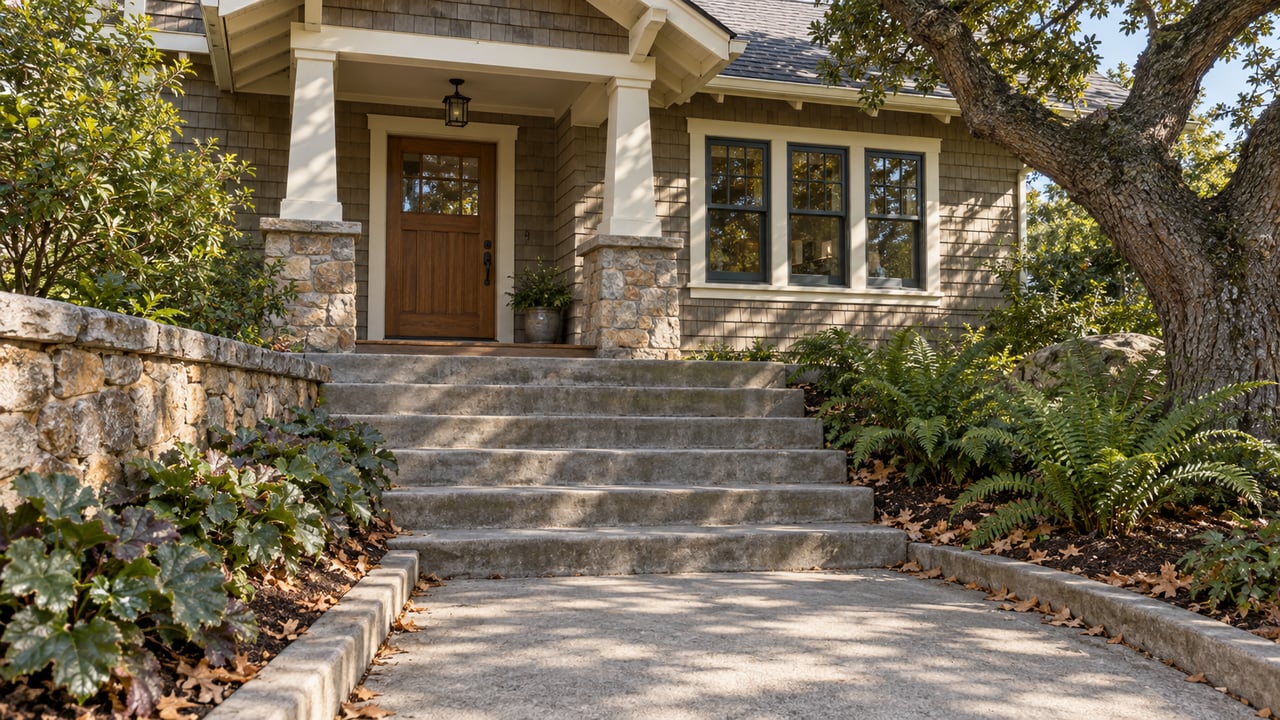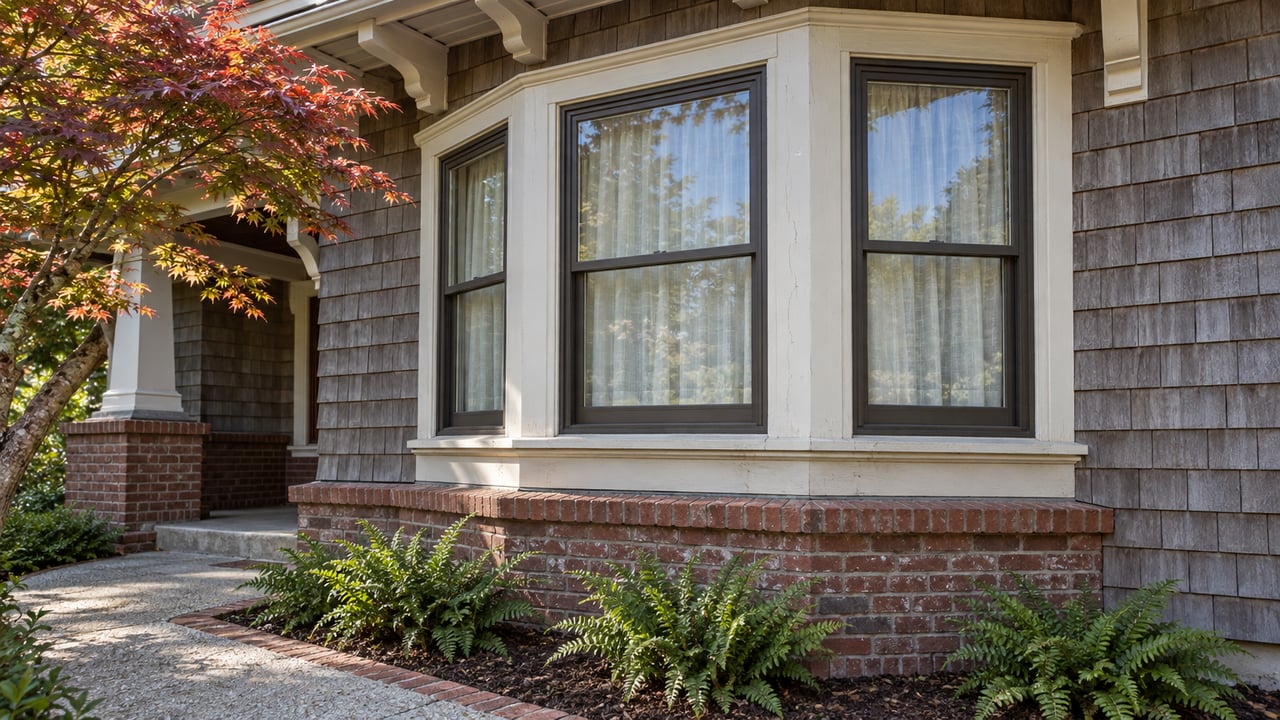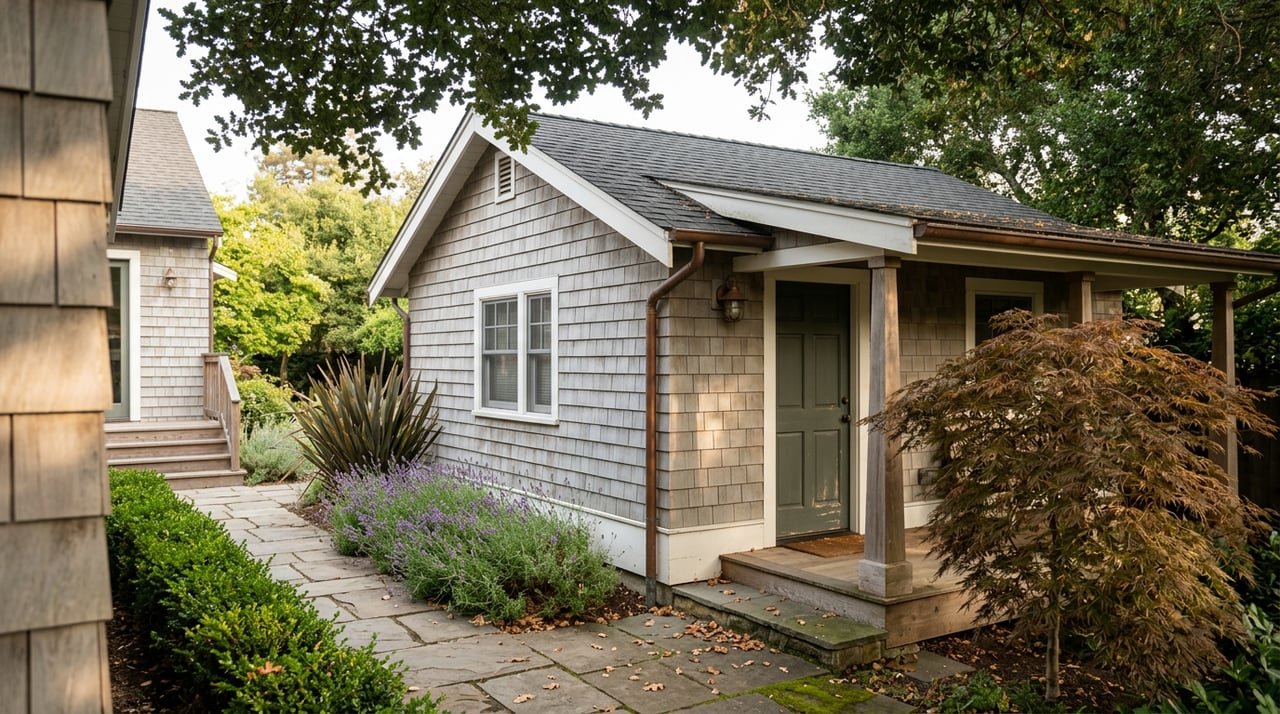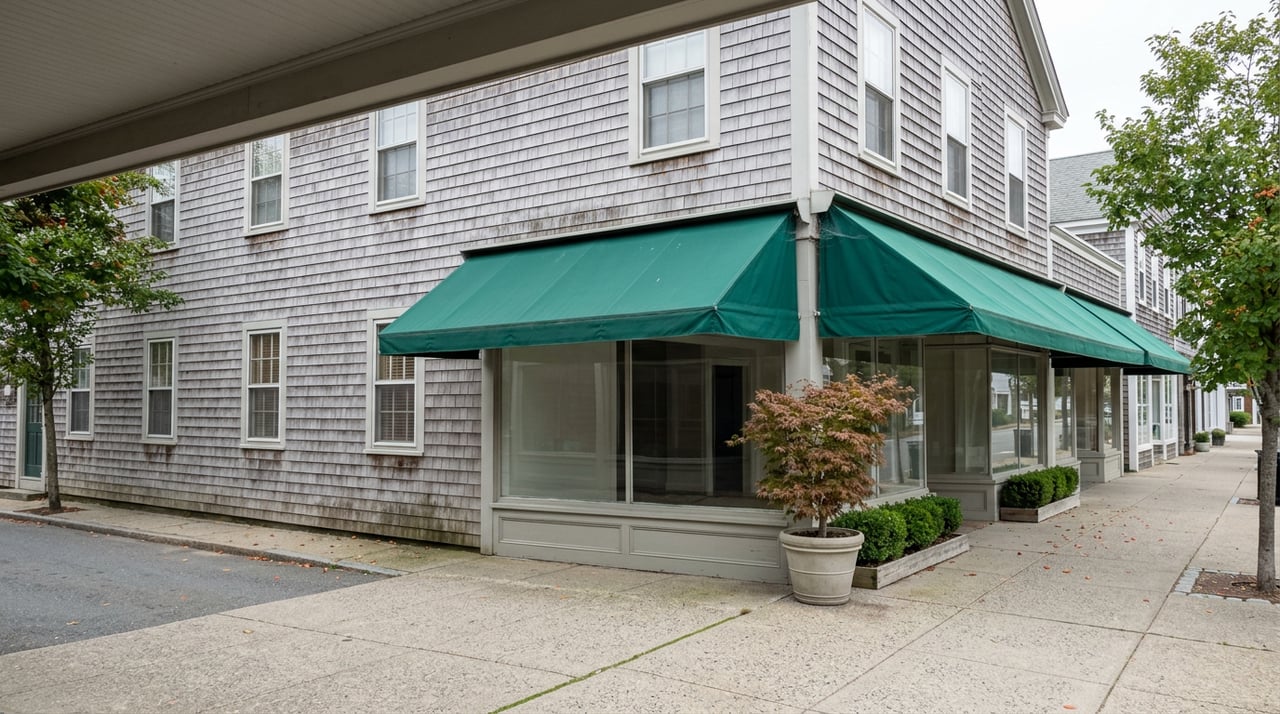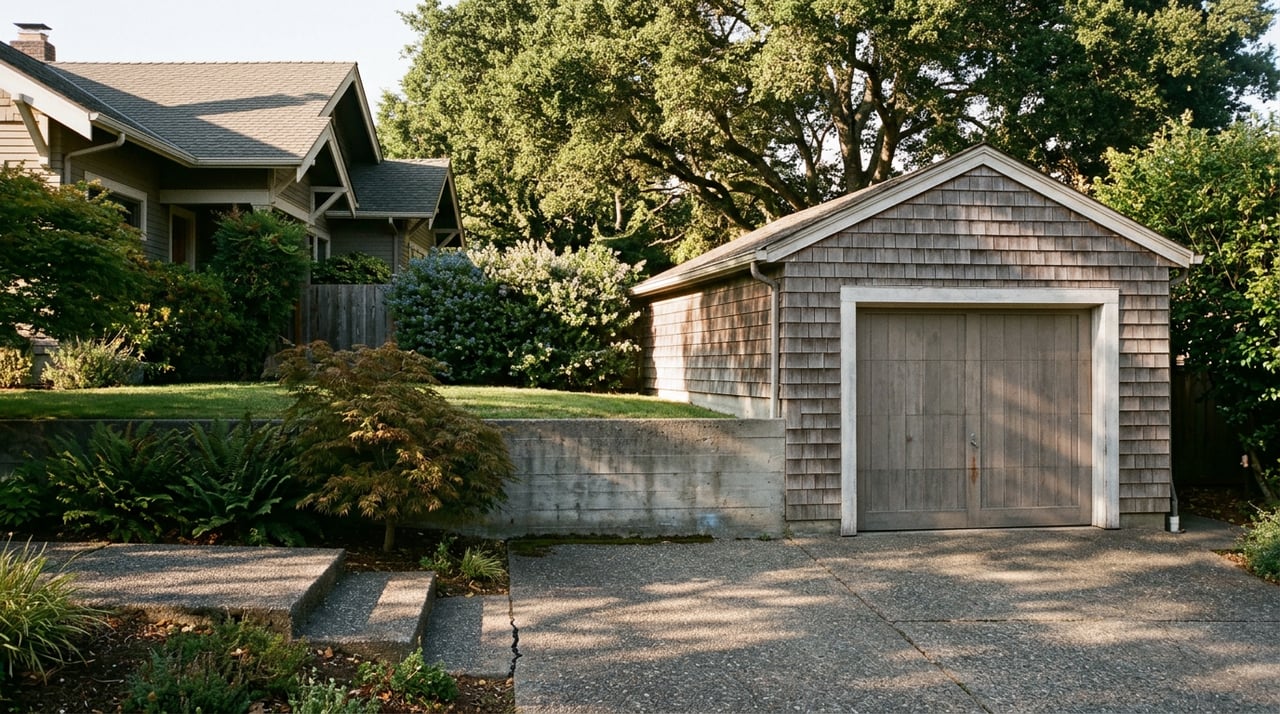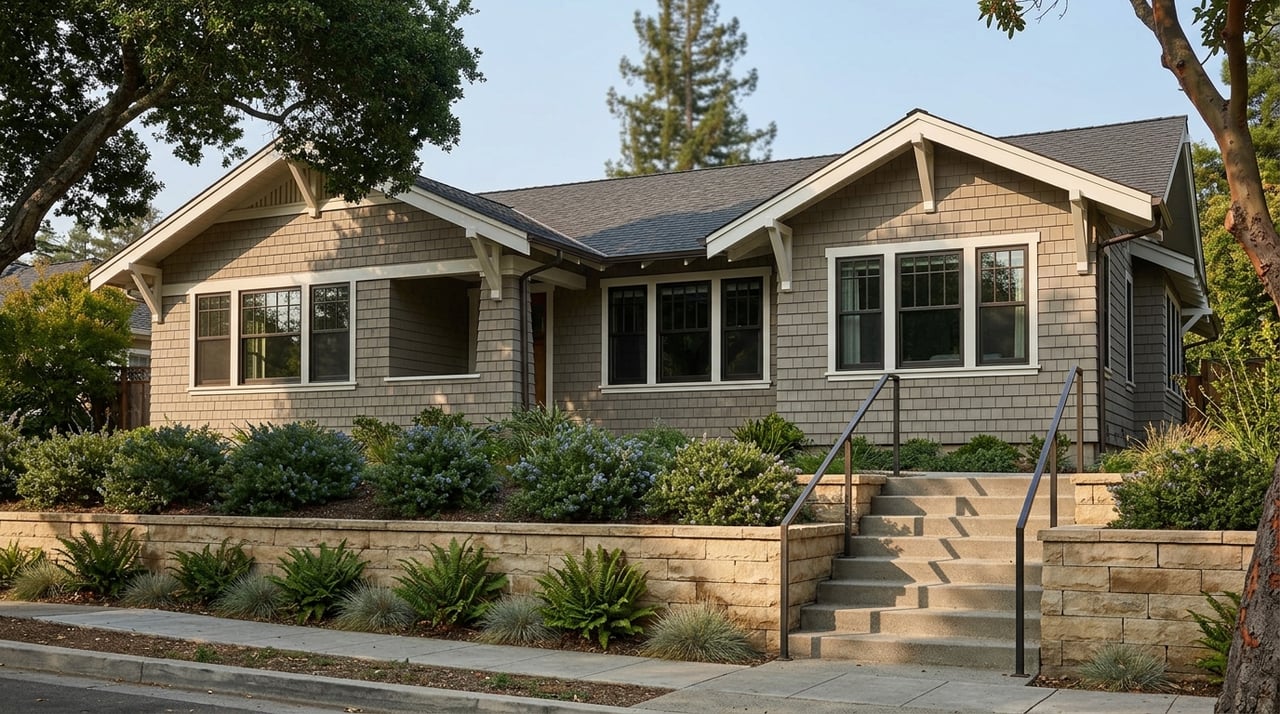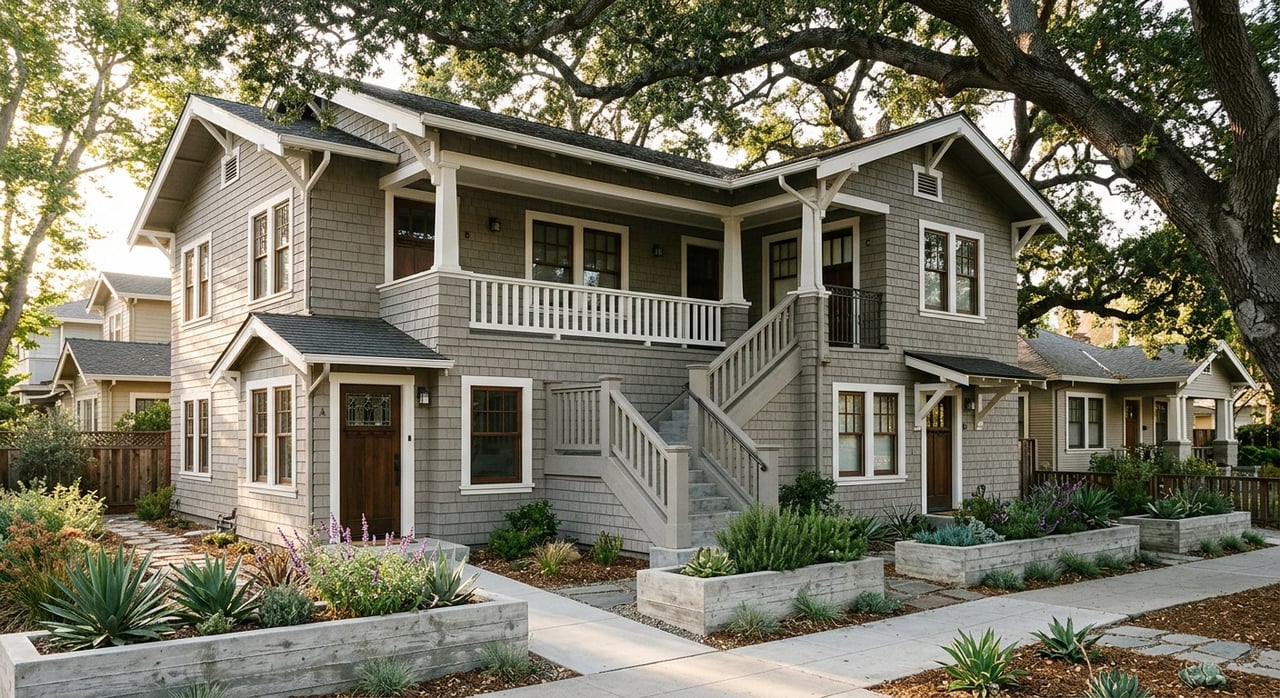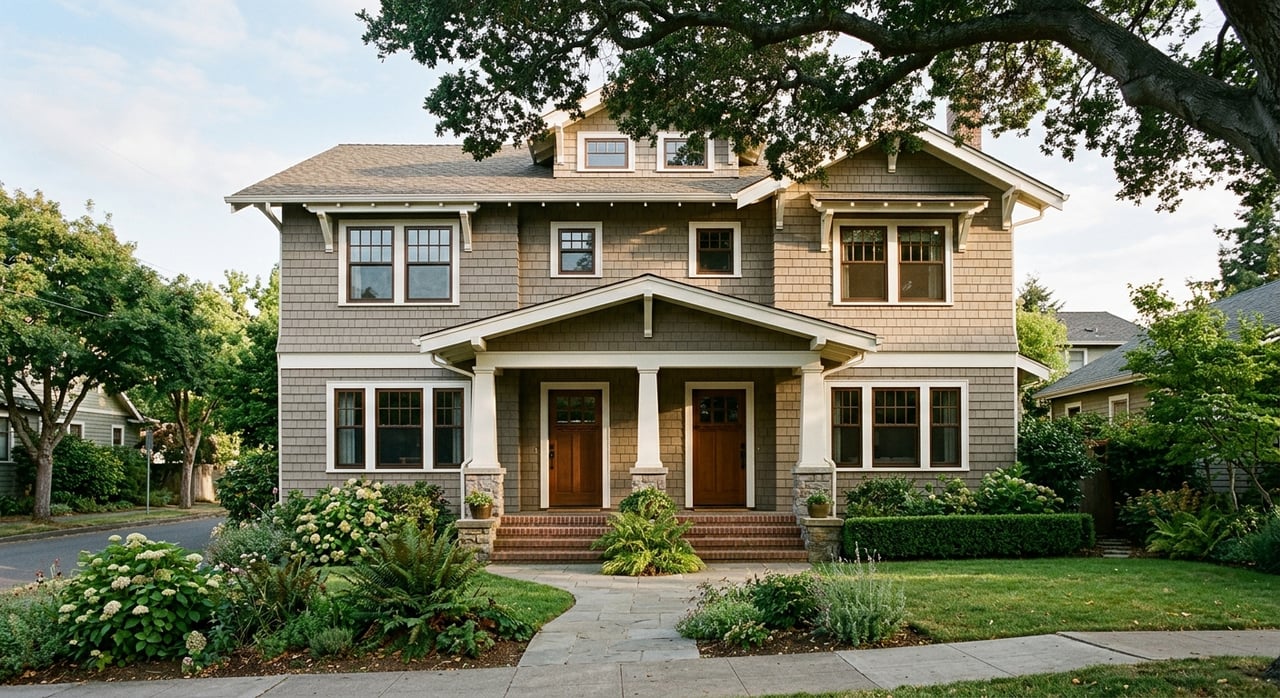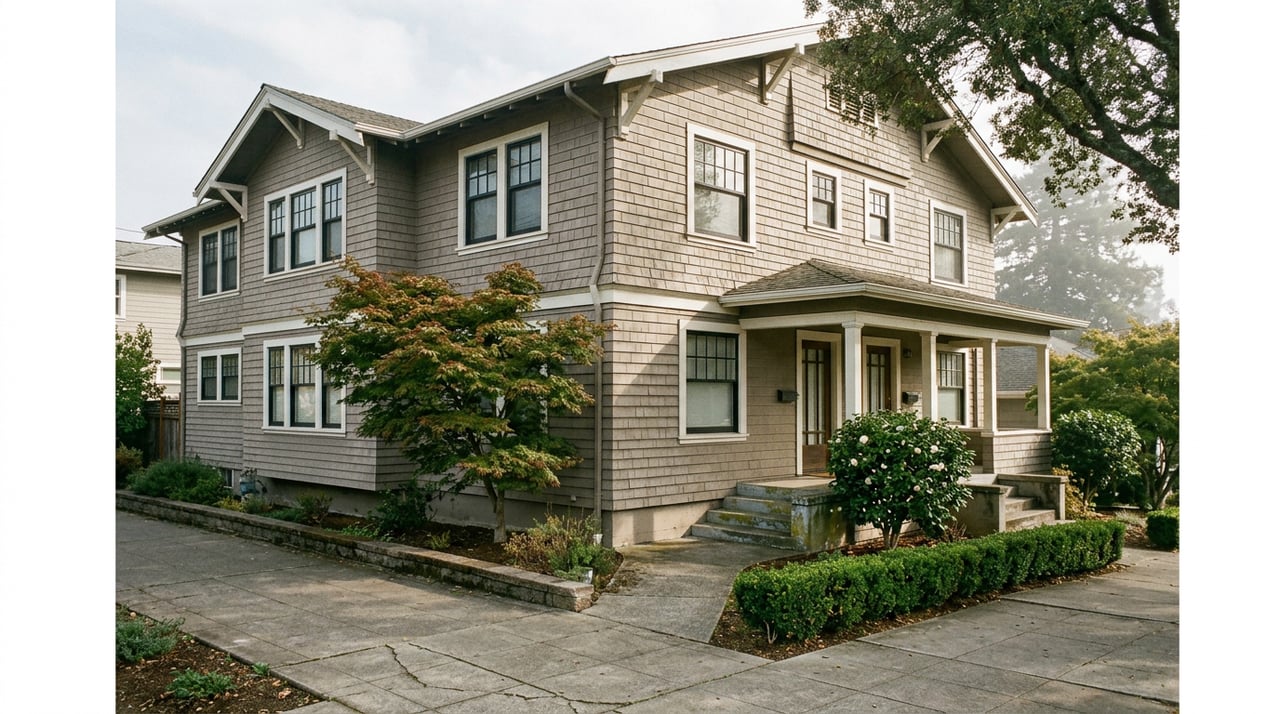
Walk down Telegraph Avenue into Temescal, or cut over to the Adeline corridor near Ashby BART, and you will pass wood-frame apartment buildings built in the same decade, on lots the same size, with nearly identical floor plans. Some have four units. Some have five. To a buyer scanning listings, the difference looks cosmetic, maybe a converted attic or a bonus laundry room.
Unit count is usually treated as a scale question in real estate conversations, more doors means more rent means more work.
Residential Loans for Two- to Four-Unit Properties
According to A Good Lender, an owner-occupant can put as little as 5% down on a conventional loan for a two-, three-, or four-unit property. For 2026, Lower lists FHA's loan limit for a four-unit property as $1,041,125 in standard-cost areas and as high as $2,402,625 in high-cost areas.
Oakland and Berkeley Drew the Same Line for a Different Reason
Financing is only half of what changes at five units. Both Oakland and Berkeley also set their mandatory seismic retrofit thresholds at exactly five dwelling units, and for buyers of small multifamily property this is where the fifth unit gets expensive.
Oakland's Mandatory Soft Story Retrofit Ordinance, passed as Ordinance 13516 in 2019, applies to wood-frame buildings with a soft or open ground floor built before 1991. Buildings with five to nineteen units fall into the ordinance's Tier 2 category and were required to complete evaluation, permitting, and construction on a multi-year schedule that has, at this point, fully run its course. Oakland's program page is the authoritative source for a building's current status, and buyers' agents working Oakland multifamily deals routinely request OSSRO compliance documentation in the same due diligence packet as the rent roll and capital improvement records, because an unresolved retrofit obligation is a material fact that follows the building through a sale.
Berkeley's version, under Municipal Code Chapter 19.39, covers soft, weak, or open-front wood-frame buildings with five or more units, the kind you will find along University Avenue near the UC Berkeley campus or scattered through Elmwood. The City of Berkeley's mandatory earthquake retrofit program required owners of flagged buildings to submit a permit application for the retrofit by December 31, 2016, with construction due no later than two years after that filing. Those original deadlines have now passed, which means any Berkeley building still carrying an open SWOF obligation is already out of compliance rather than early in the process.
Retrofit cost estimates commonly cited in the industry depend on construction type and how much of the ground floor needs new shear walls or steel framing. That is not a rounding error on a purchase. It is a line item that changes whether a deal pencils.
At a Glance: What Changes at Five Units
| 1 to 4 units | 5 or more units | |
|---|---|---|
| Oakland/Berkeley seismic ordinance | Not subject | Mandatory if wood-frame, built before 1991 (Oakland) or on the SWOF inventory (Berkeley) |
What This Looks Like on the Ground
The practical effect in NOBE is a market where a fourplex and a fiveplex a block apart can trade to entirely different buyer pools. The fourplex attracts owner-occupants using low-down-payment residential financing, house hackers who plan to live in one unit and rent the rest, and the deal often closes faster because the loan process resembles a standard home purchase. The fiveplex attracts cash-flow investors, and if the building is wood-frame and old enough to fall under OSSRO or Berkeley's SWOF program, the retrofit question becomes part of price negotiation from the first offer.
You can see the market pricing this in already. Listings for older Oakland and Berkeley multi-unit buildings now routinely advertise "sewer lateral compliant" and completed "voluntary seismic" work as selling points, the same way a kitchen remodel would be marketed. Sellers and their agents know that a buyer's first question about a pre-1991 five-plus unit building is not the cap rate. It is whether the soft story problem has already been solved.
A Deadline That Applies Right Now
If you already own a soft-story building in Oakland or Berkeley, there is a live funding window worth acting on. The California Residential Mitigation Program opened registration for its Earthquake Multi-Unit Retrofit grant on August 19, 2026, with applications accepted through September 30, 2026. Eligible owners can receive up to 70% of engineering and permit costs, capped at $7,000, plus up to $4,260 per unit toward construction, for a maximum grant around $49,600 per building. The program is limited to cities with mandatory ordinances already in place, which includes both Oakland and Berkeley, and full program details are available through CRMP. The California Apartment Association's summary is a useful plain-language starting point before you register directly.
With the window closing at the end of this month, an owner sitting on an unresolved retrofit obligation has a narrow, real opportunity to offset a meaningful chunk of the cost before selling.
What This Means Depending on Which Side of the Line You're Shopping
If you are looking at a fourplex or smaller, the seismic ordinances in Oakland and Berkeley simply do not apply to you, regardless of the building's age or construction type. Your diligence should focus on the usual condition items like sewer lateral compliance under East Bay Municipal Utility District rules.
If you are looking at a building with five or more units, the ordinance status is not optional homework. Ask directly whether the building appears on Oakland's soft story inventory or Berkeley's SWOF list, whether any required evaluation or retrofit has already been completed and documented, and whether the current owner has looked into the EMR grant before this year's window closes. A five-unit building with clean seismic paperwork and a four-unit building next door are not really competing for the same buyer, and pricing them as if they were is where deals run into trouble late in escrow.
A Few Questions That Come Up
Does adding a fifth unit to an existing fourplex trigger these ordinances immediately? Anyone considering this kind of conversion in Oakland or Berkeley should confirm current requirements directly with the city's building department before assuming the math still works.
Are duplexes and triplexes ever required to retrofit under these ordinances? No. Both Oakland's OSSRO and Berkeley's SWOF program set their unit threshold at five. Owners of one-to-four unit buildings may still choose voluntary seismic work, and the City of Berkeley offers a separate Earthquake Soft-Story grant for owner-occupied single-family homes with living space over a garage, but the mandatory multi-unit ordinances do not reach them.
Does Alameda have the same mandatory rule? Not currently. According to ABAG, Alameda passed a soft story ordinance in 2009 that requires screening but leaves the actual retrofit voluntary, a lighter-touch approach than Oakland's or Berkeley's mandatory programs. Investors comparing NOBE to Alameda should factor that difference into how they think about retrofit risk across the two markets.
Where can I check a specific building's status? Oakland maintains a searchable compliance inventory through its Building Services Division, and Berkeley publishes its own list of properties on the SWOF inventory. Both are the only sources current enough to rely on, since a building's tier and deadline can change.
The unit count on a listing sheet is easy to skim past. In this market, it is doing more work than the square footage or the year built. If you are weighing a small multifamily purchase in North Oakland, Berkeley, or Emeryville and want a second set of eyes on where a specific building sits relative to that fifth-unit line, Annie Tegner and the team can walk through the financing and compliance picture alongside the numbers you're already looking at. Start with a free East Bay home valuation or take a look at how the NOBE landlord playbook and small multi-unit investing guide cover the operational side once you own the building.
This article is general information, not legal, tax or financial advice. Consult a qualified professional about your situation.