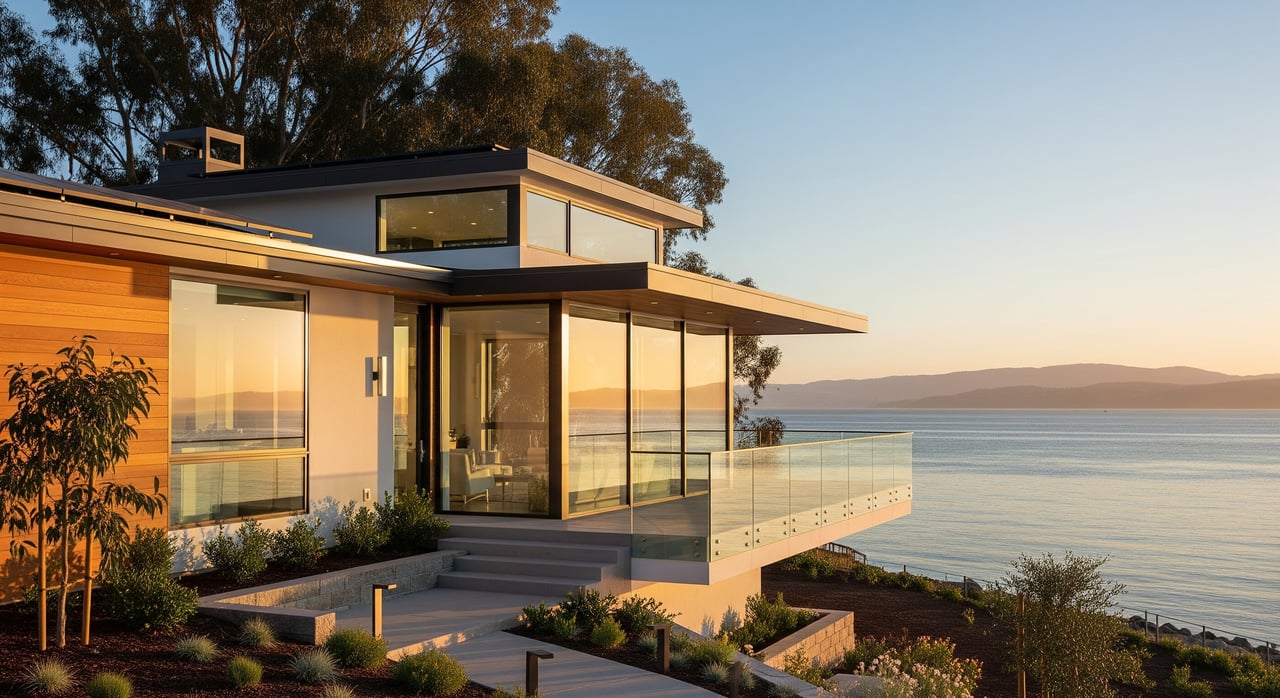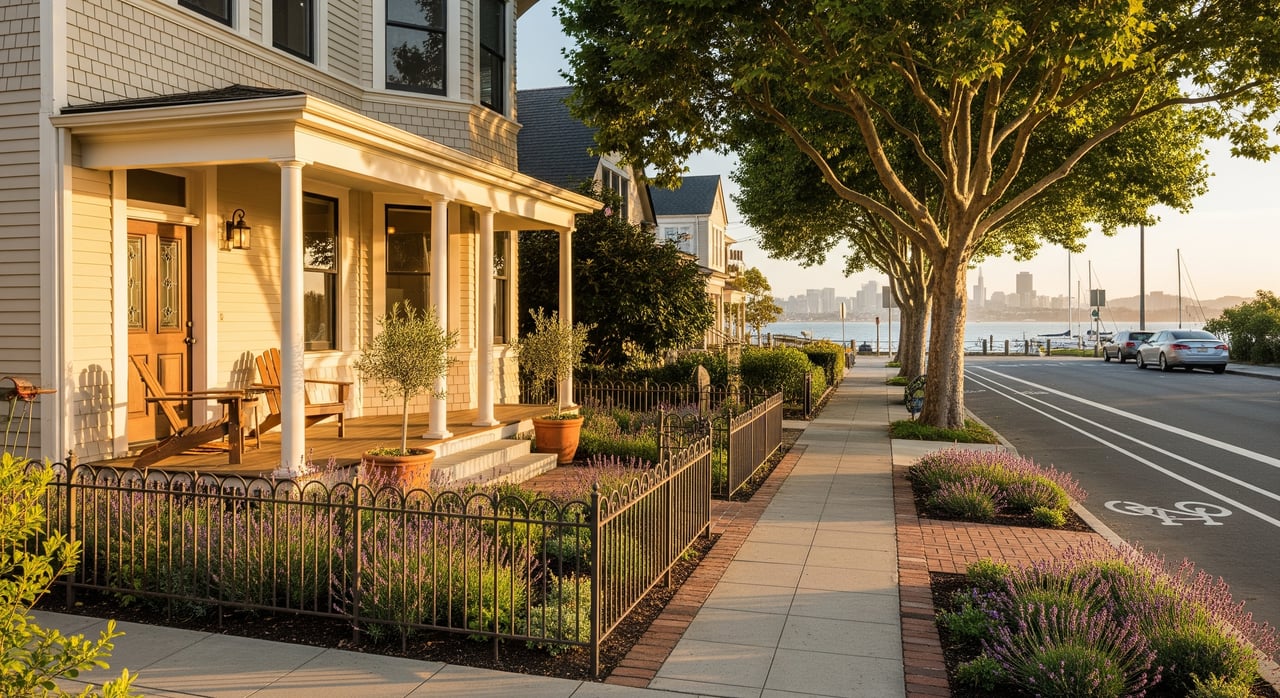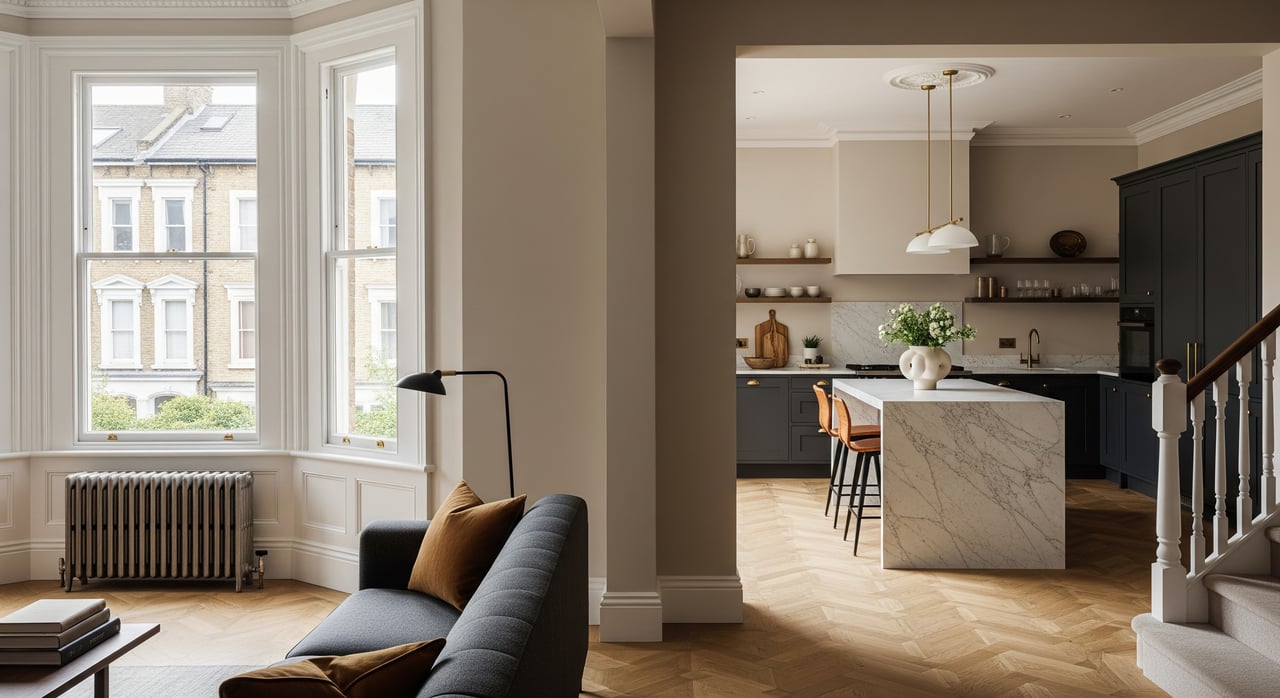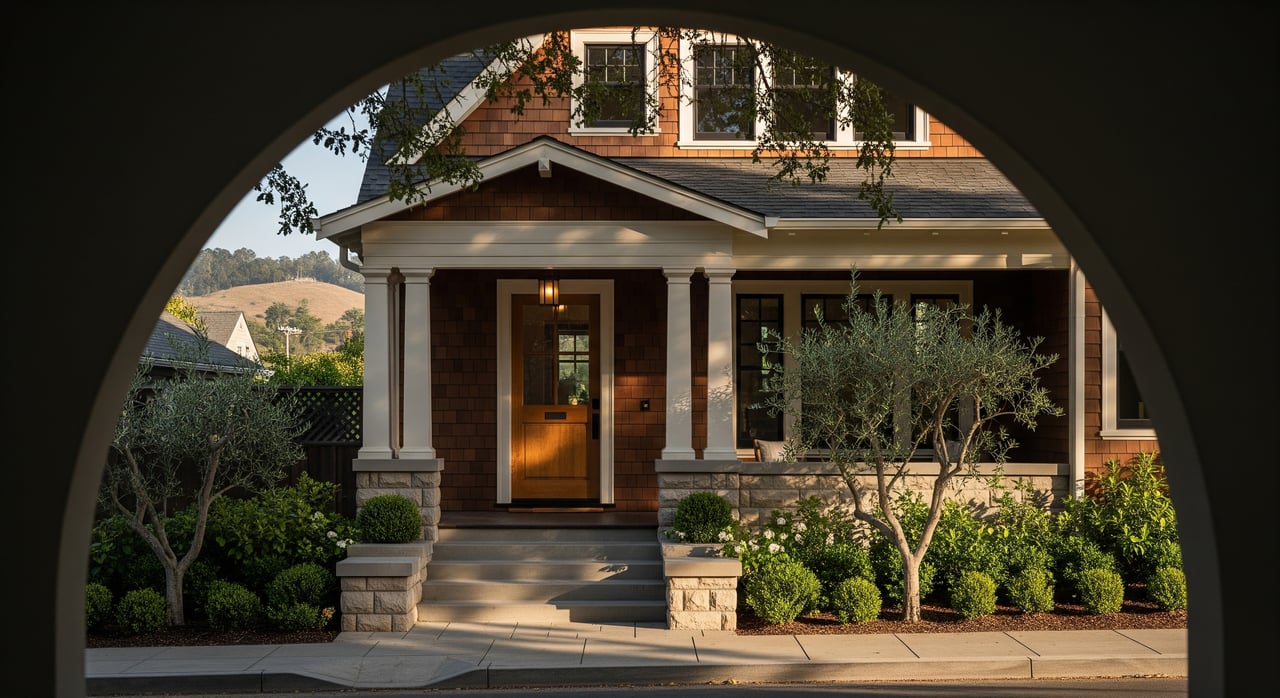
Wondering why some Alameda homes spark instant interest while others feel flat online, even in a strong market? If you are preparing to sell, presentation can shape how buyers perceive value, condition, and livability within seconds. A design-forward staging plan helps your home photograph better, feel more spacious, and honor the character that makes Alameda housing so distinctive. Let’s dive in.
Why staging matters in Alameda
Alameda is a market where buyers tend to move with purpose, but they also look closely at details. Recent market data showed a median sold price of $1,277,726 in Alameda, median days on market of 37, and homes selling at about 106% of list price. In Bay Farm Island, the median days on market was 30 with a 105% sale-to-list ratio, and Alameda condos and townhomes were also moving with buyers paying about 104% of list.
That kind of market does not mean you can skip preparation. It means buyers are often comparing homes quickly and making strong judgments based on layout, finish quality, light, and overall polish. In a city with high home values, perceived upkeep and design clarity can influence whether buyers feel excited enough to compete.
What design-forward staging means
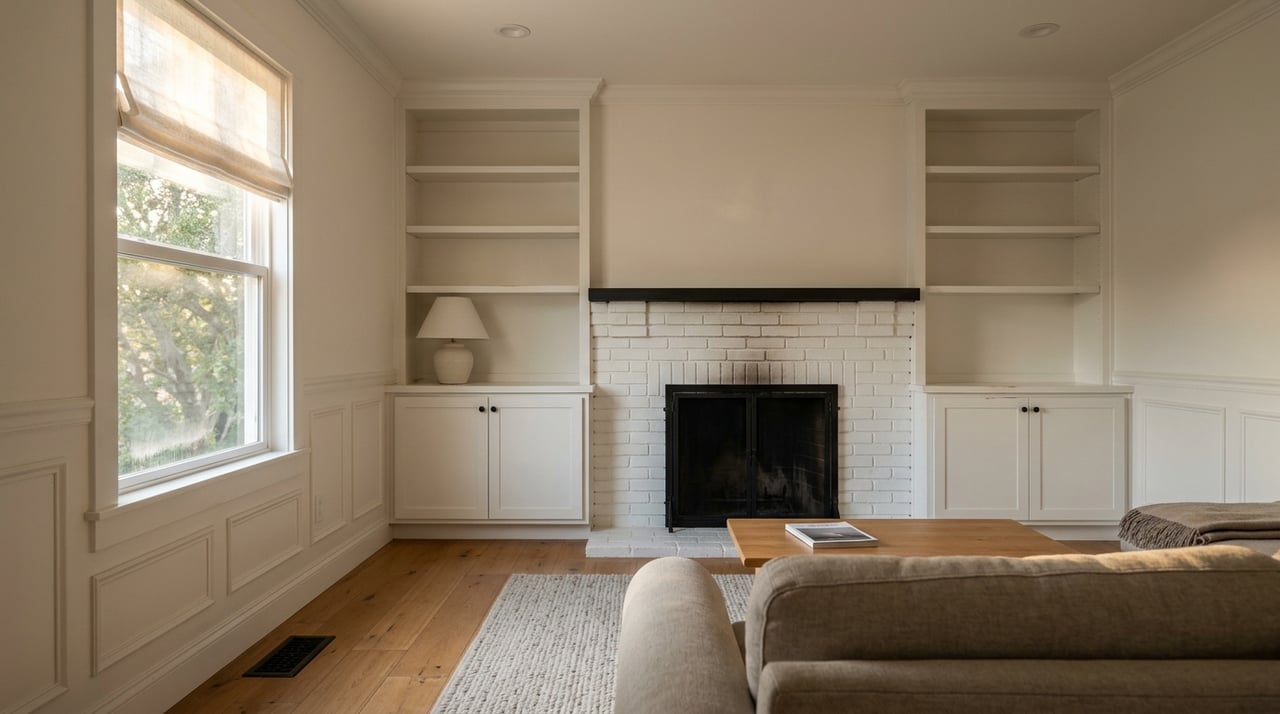
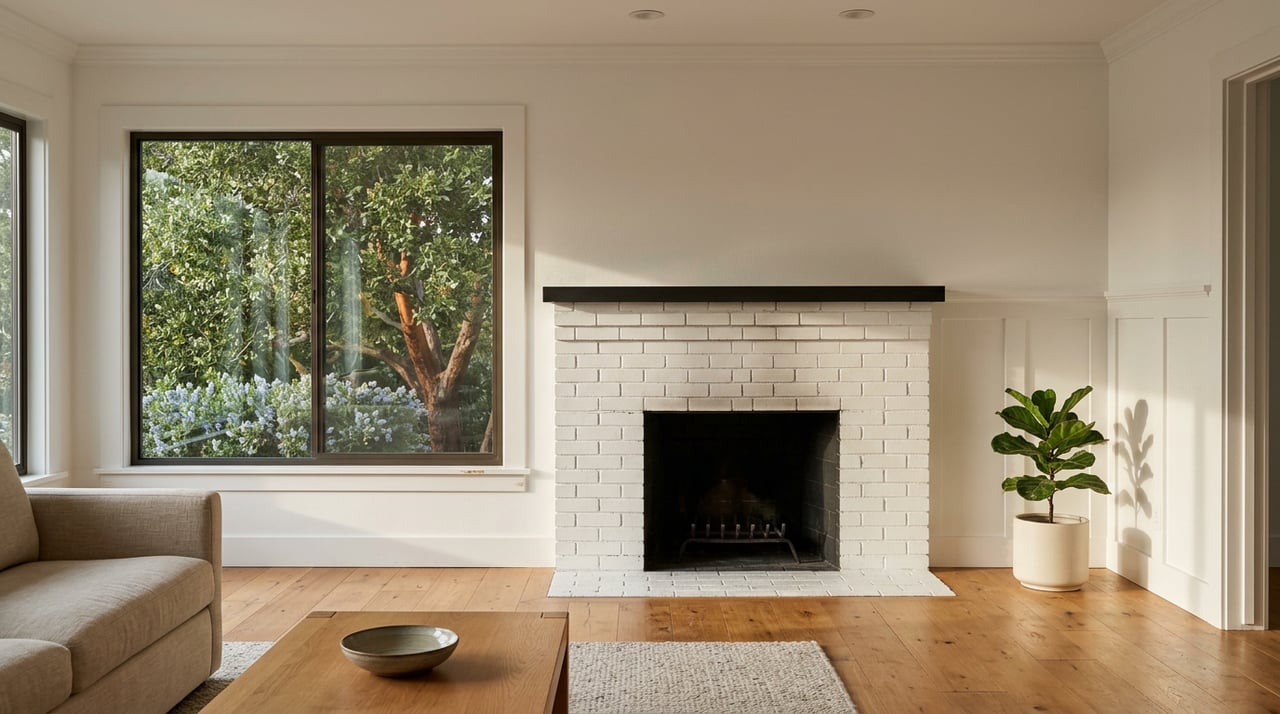
Design-forward staging is not the same as a full remodel. At its core, staging is about presenting your home in a way that highlights its strengths and helps buyers picture themselves living there. That usually starts with decluttering, styling, and adjusting furniture and accessories so each room feels clear, balanced, and purposeful.
In practice, this can include removing bulky furniture, depersonalizing, improving the entry, editing closets, and using a more neutral backdrop where needed. It may also involve professional staging, a staging consultation, or virtual staging, depending on the property and marketing plan. The goal is not to erase your home’s personality, but to make its best features easier to see.
Alameda homes benefit from character-sensitive staging
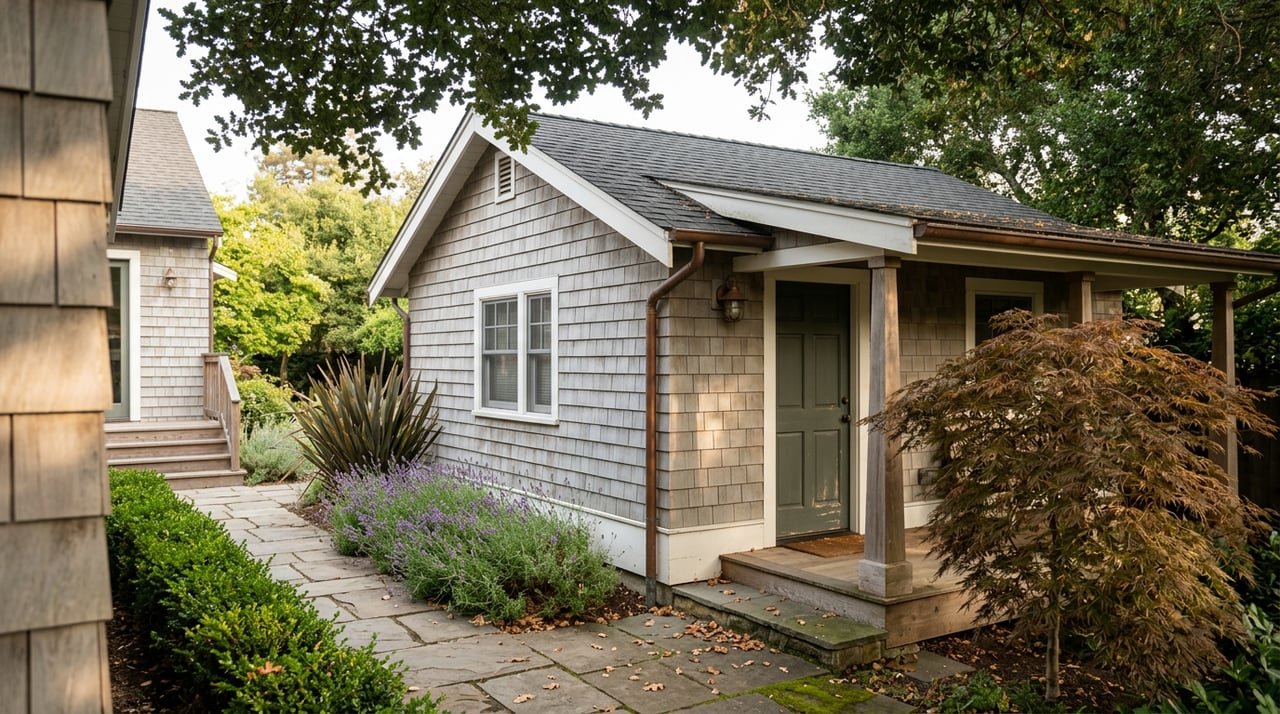
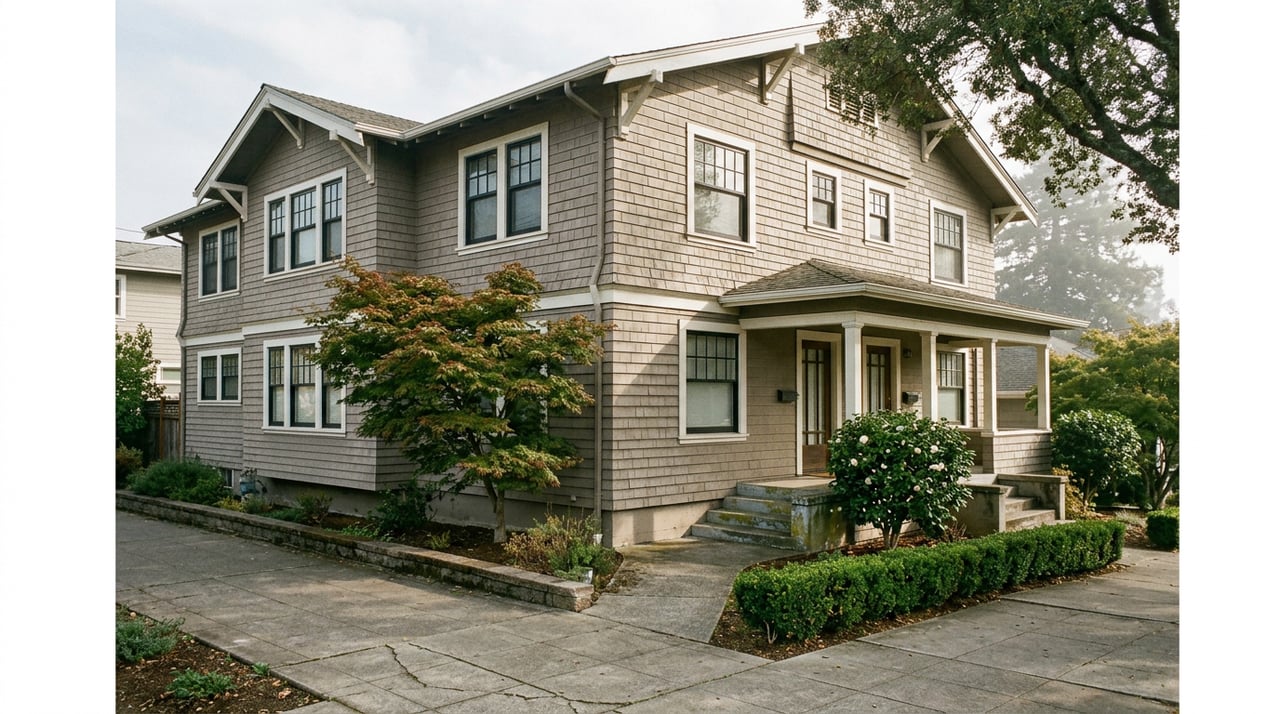
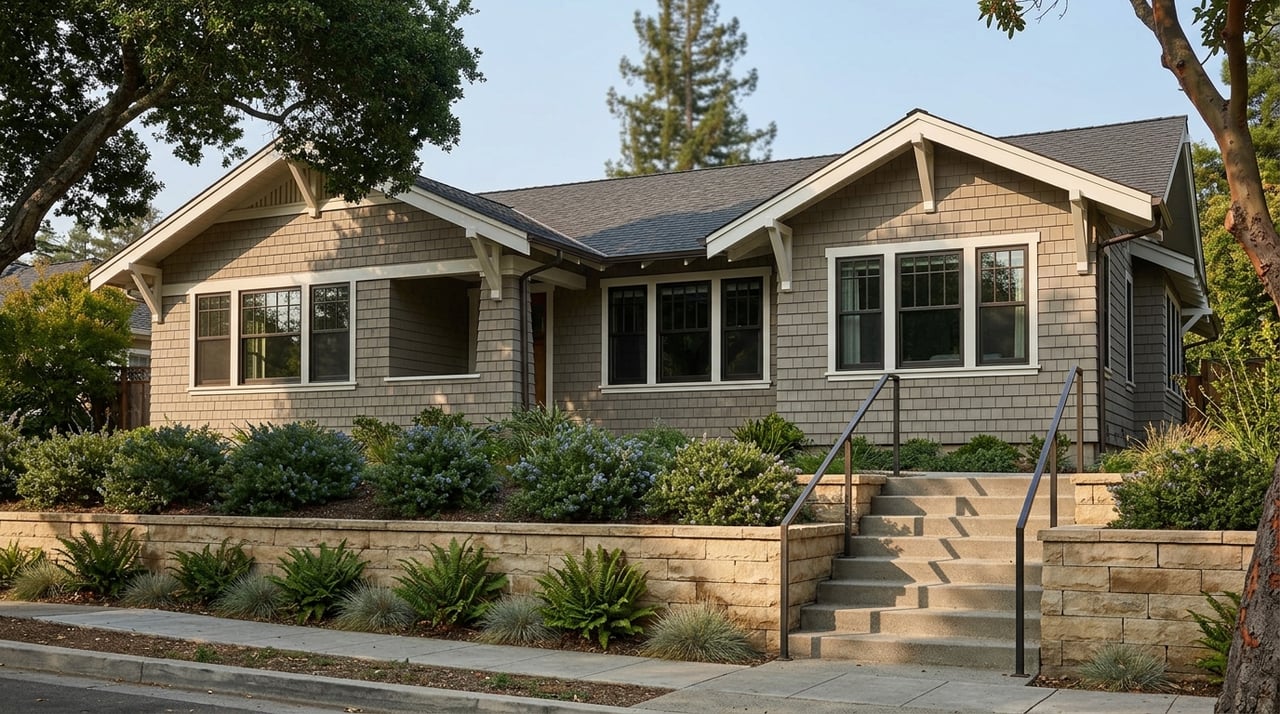
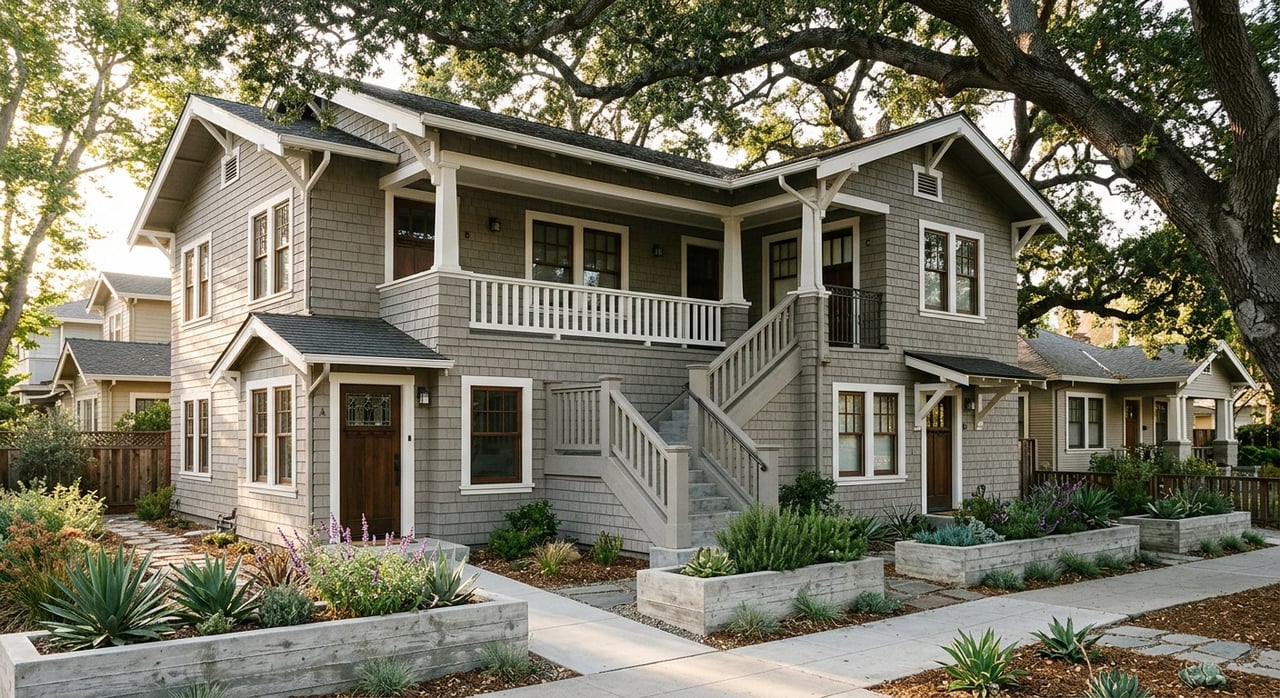
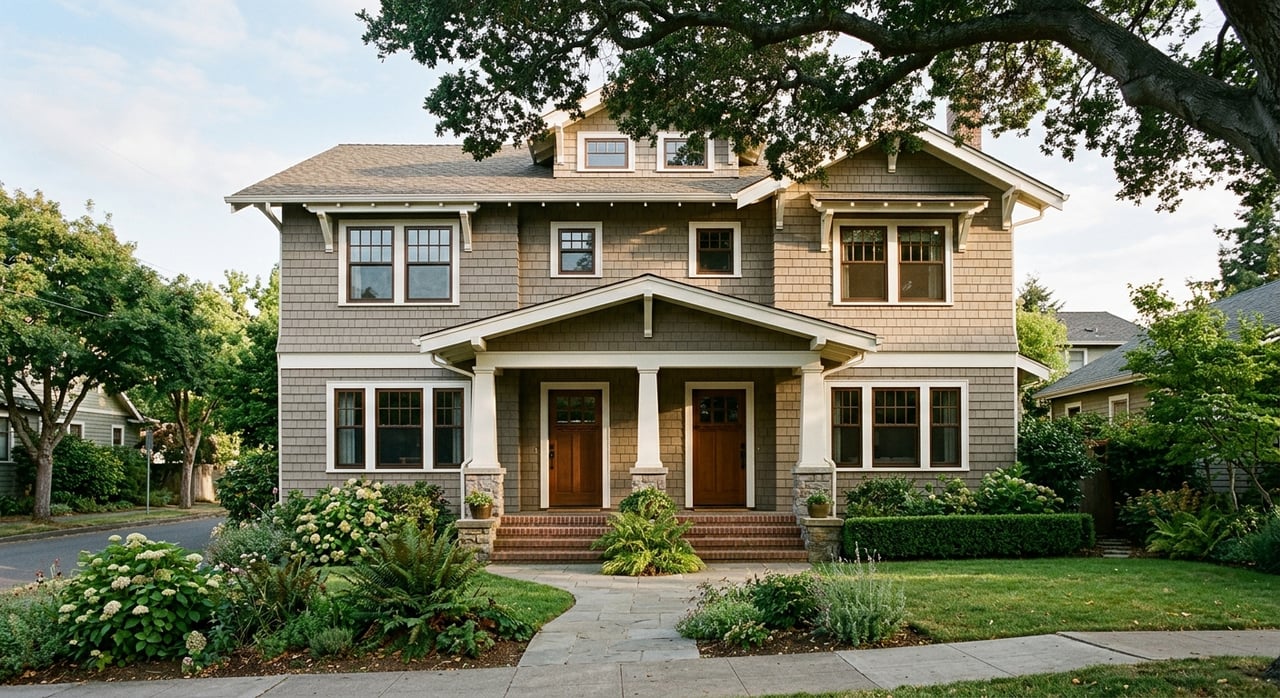
Alameda’s housing stock makes this approach especially effective. The city is known for diverse neighborhoods, walkable streets, historic architectural styles, and varied building types. Alameda also has more than 10,000 buildings constructed before 1930, with styles that include Victorian, Edwardian, Colonial Revival, Craftsman, Spanish, and other Period Revival homes.
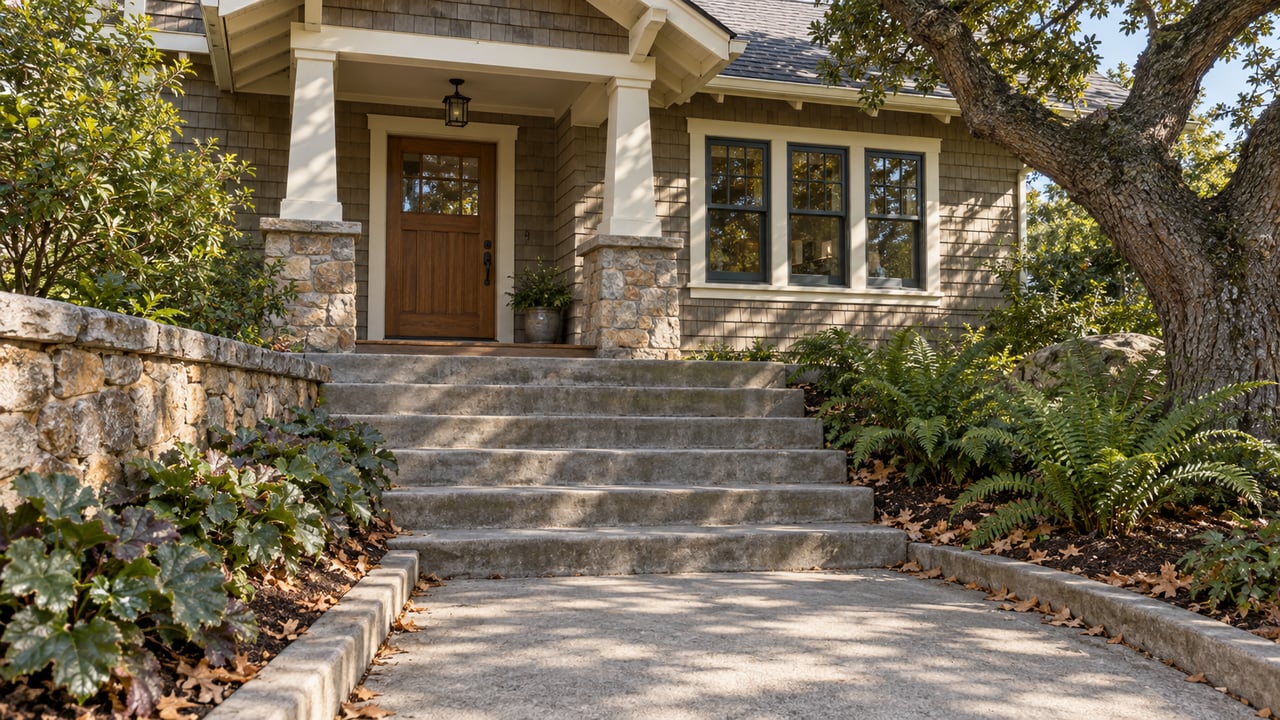
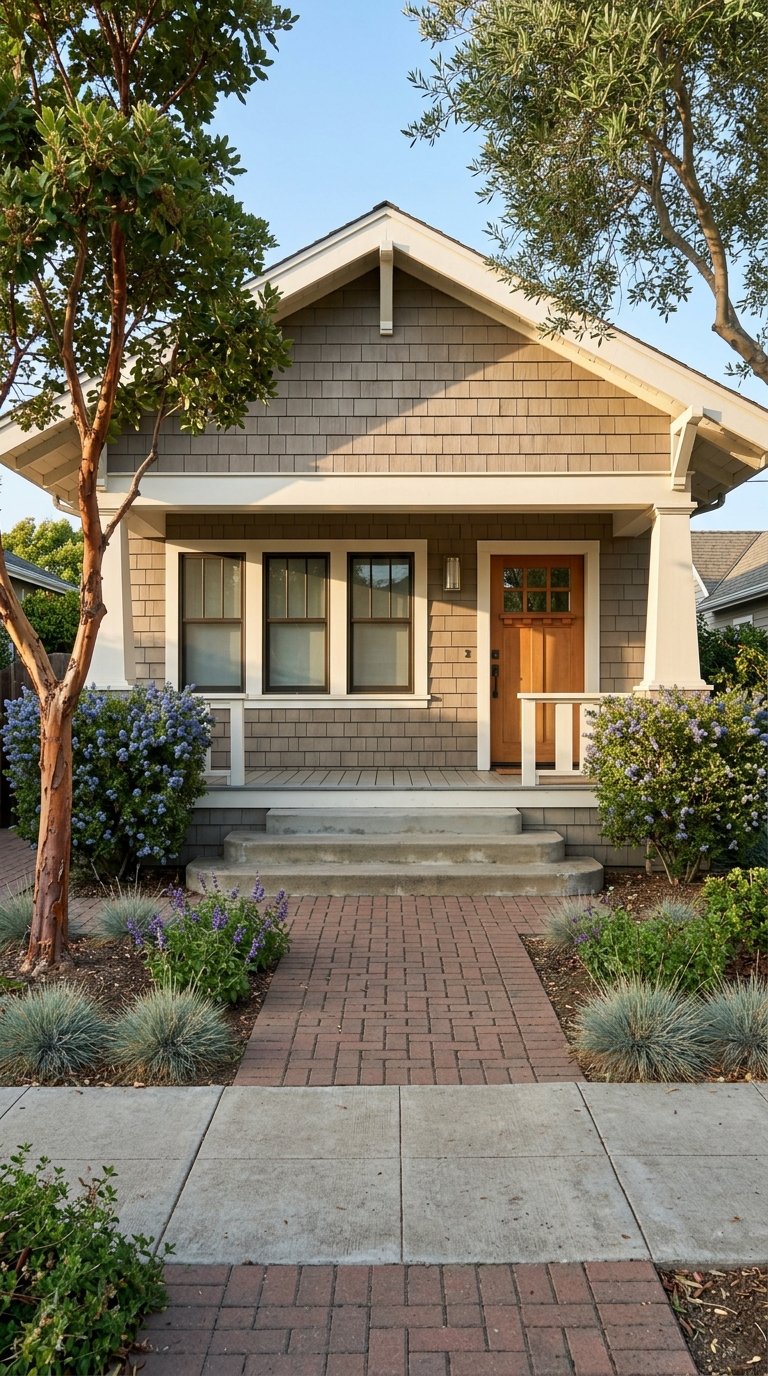
That matters because a one-size-fits-all staging plan can miss what buyers are really responding to. In Alameda, many buyers are drawn to original details, inviting porches, classic proportions, and architectural texture. A thoughtful staging plan should support those elements instead of covering them up with a generic look.
Good staging highlights original features
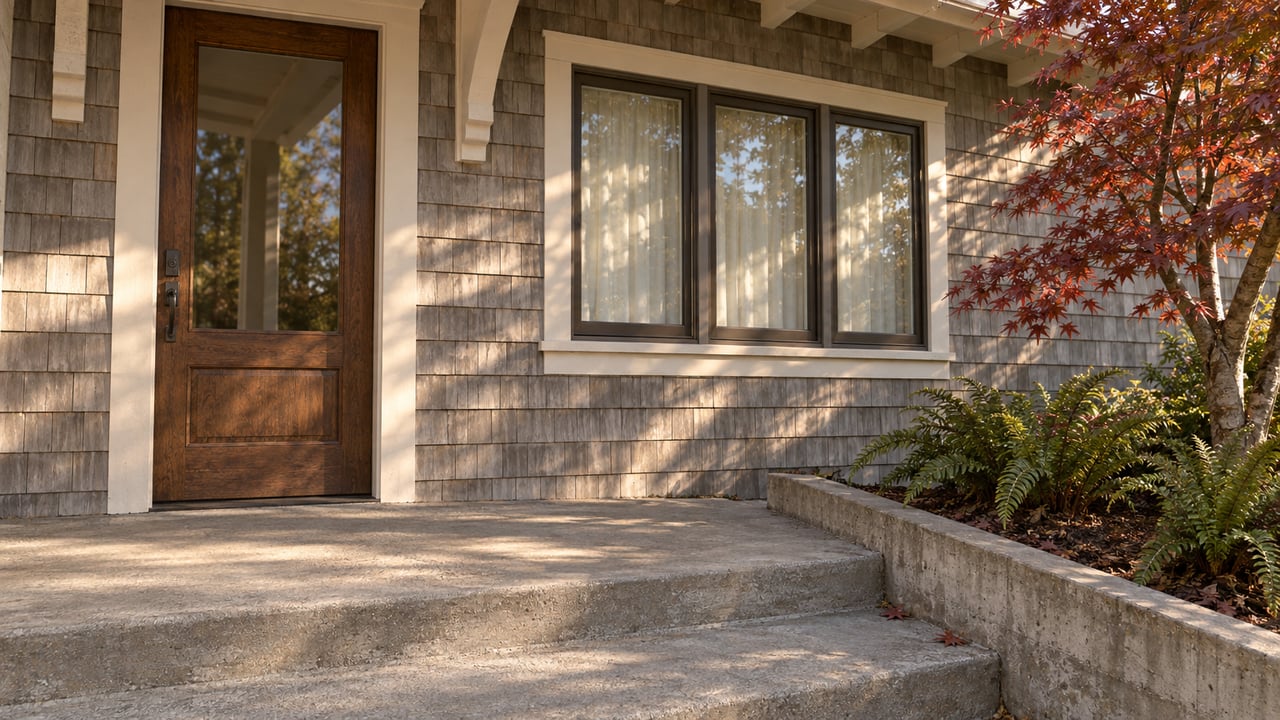
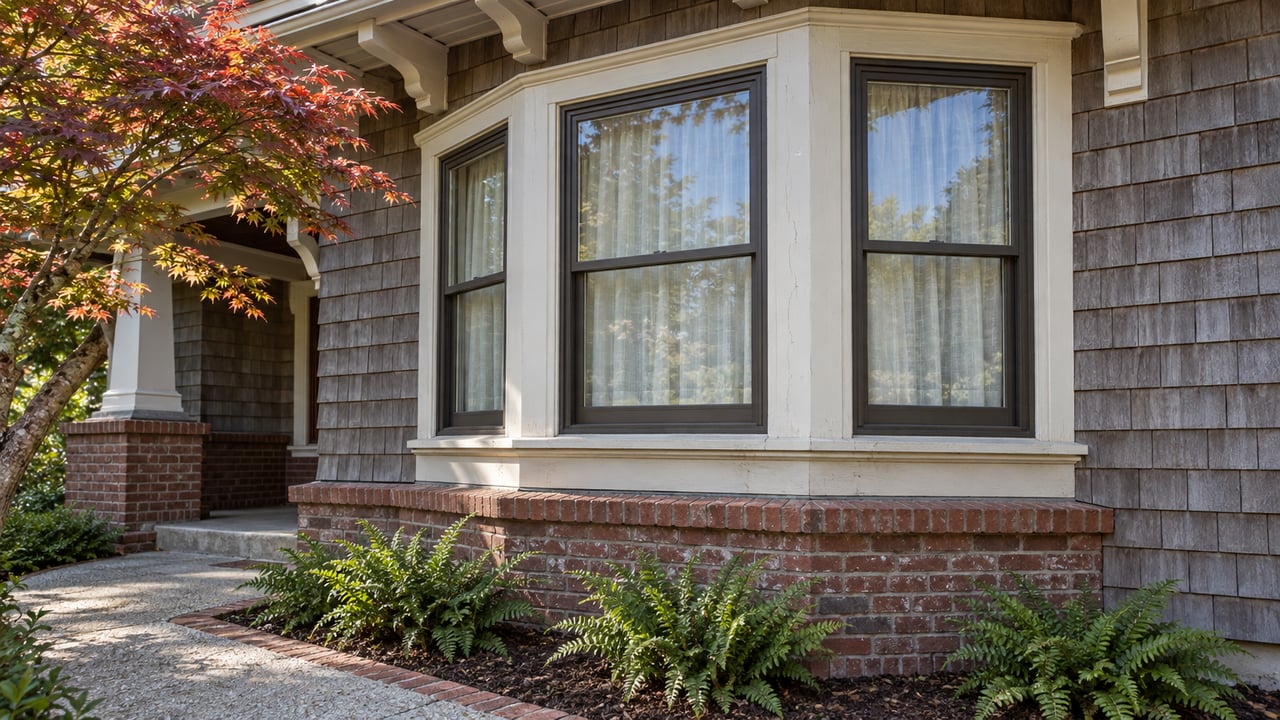
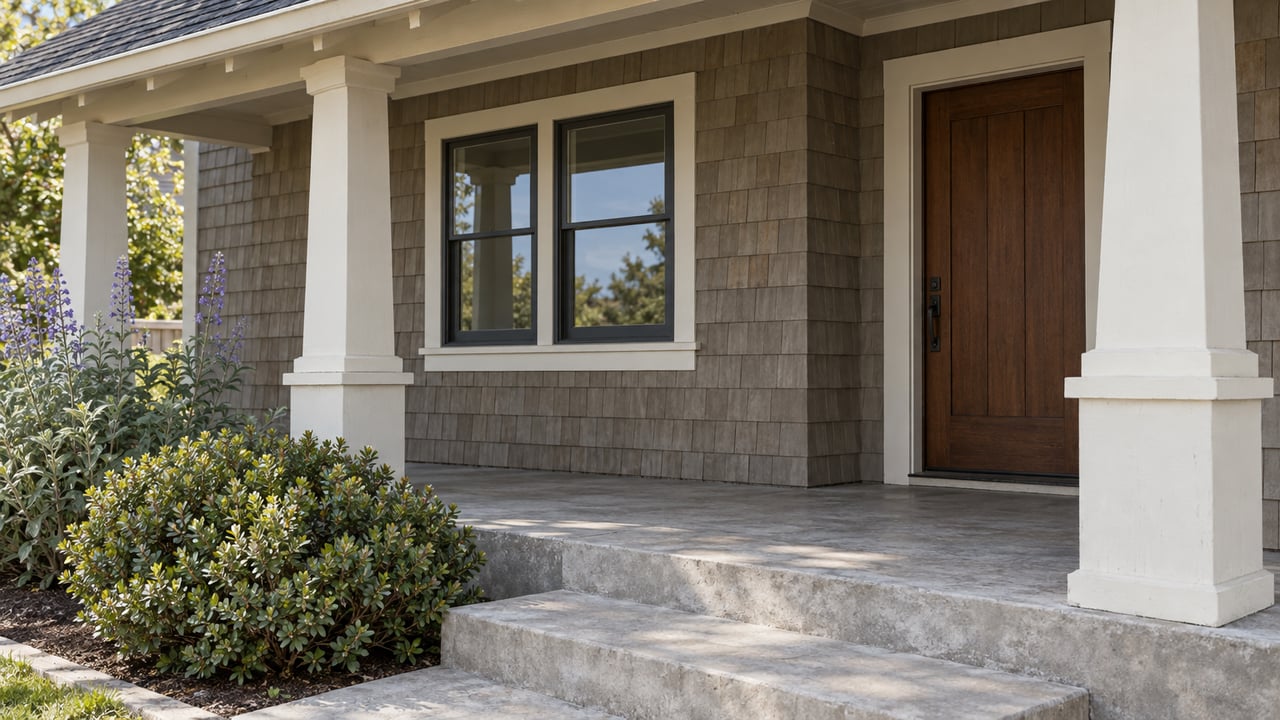
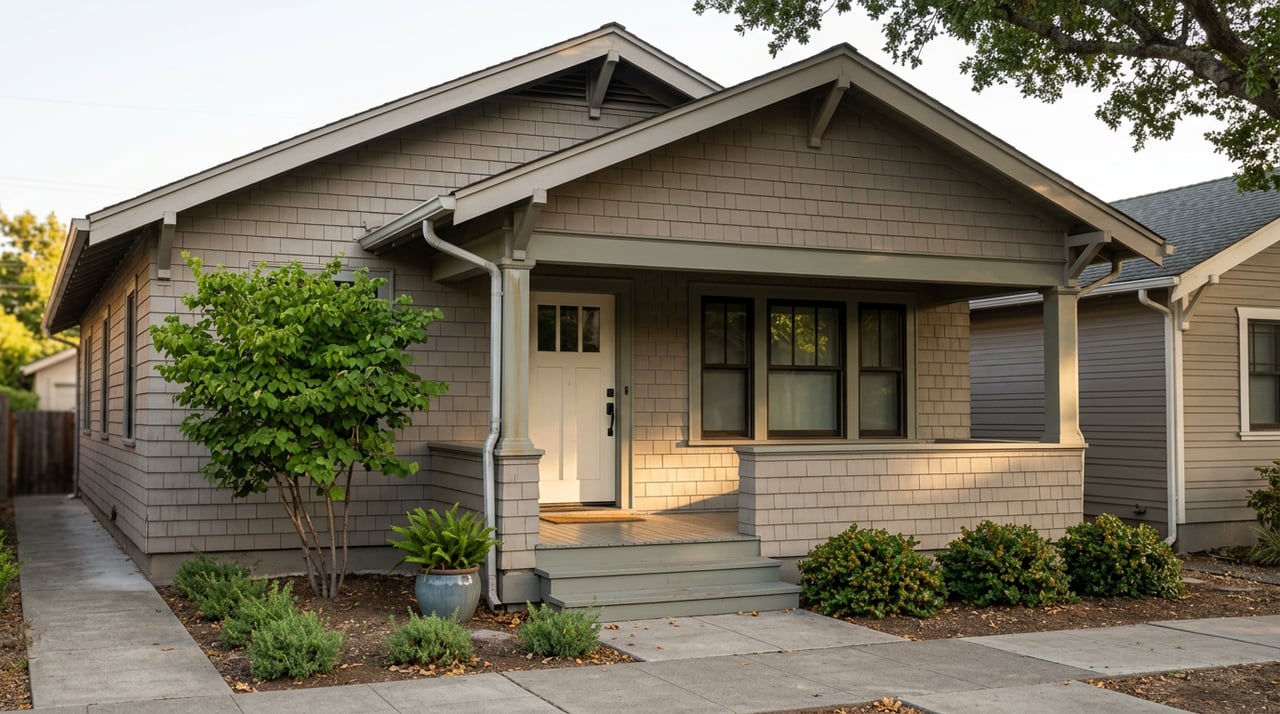
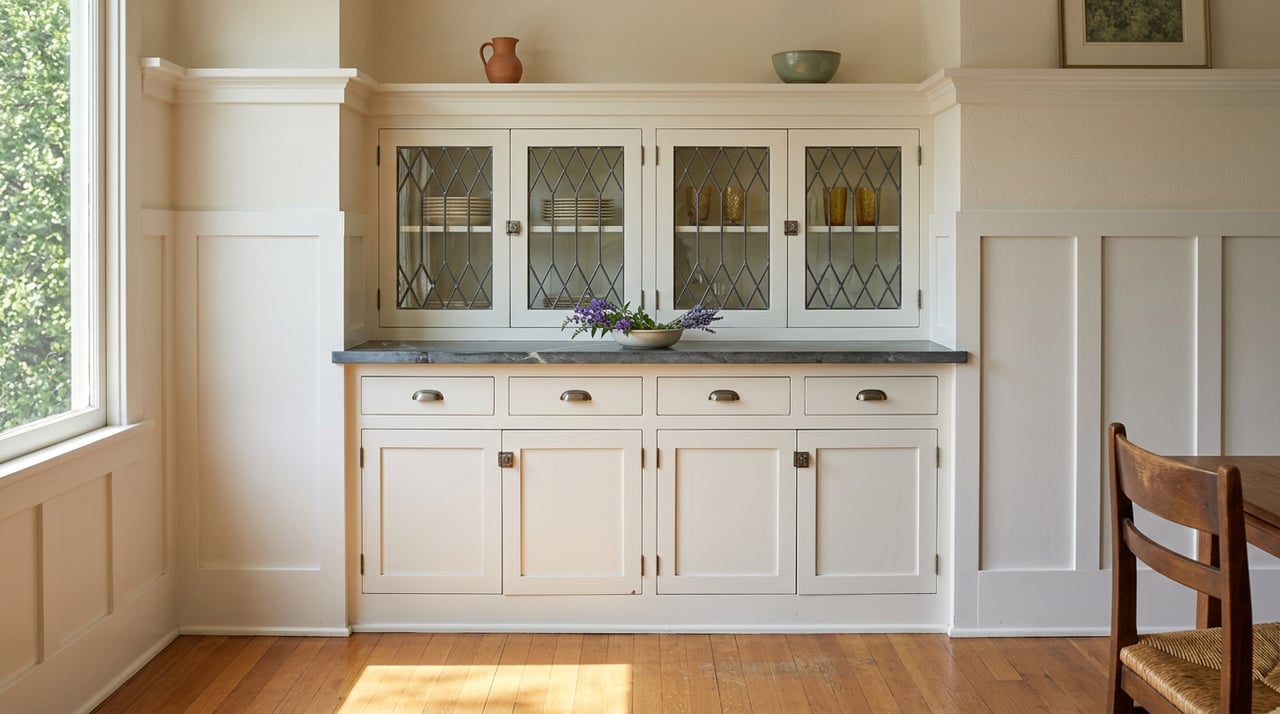
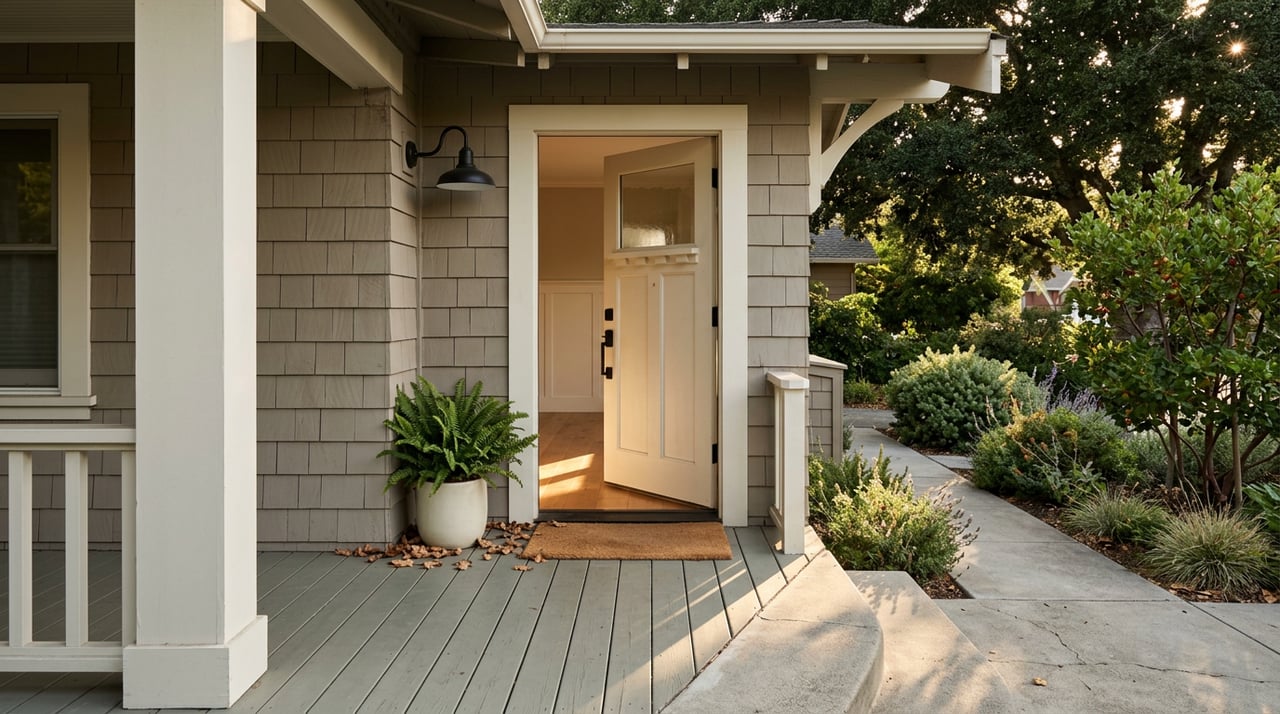
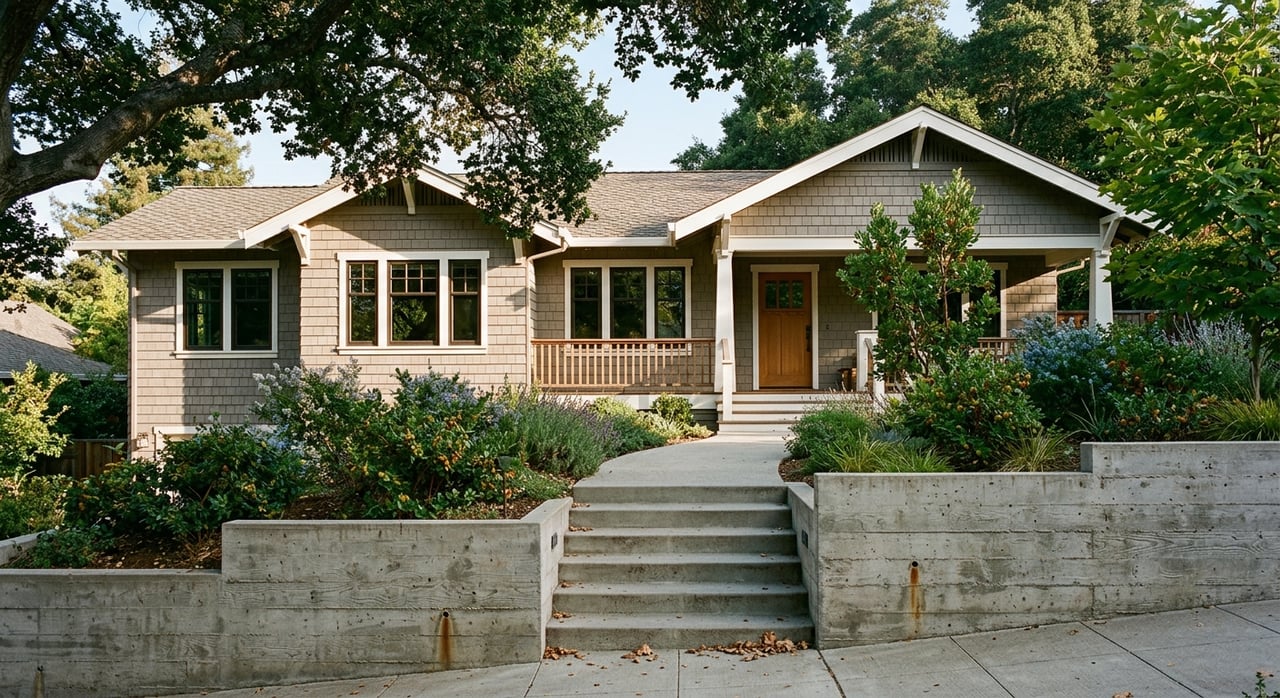
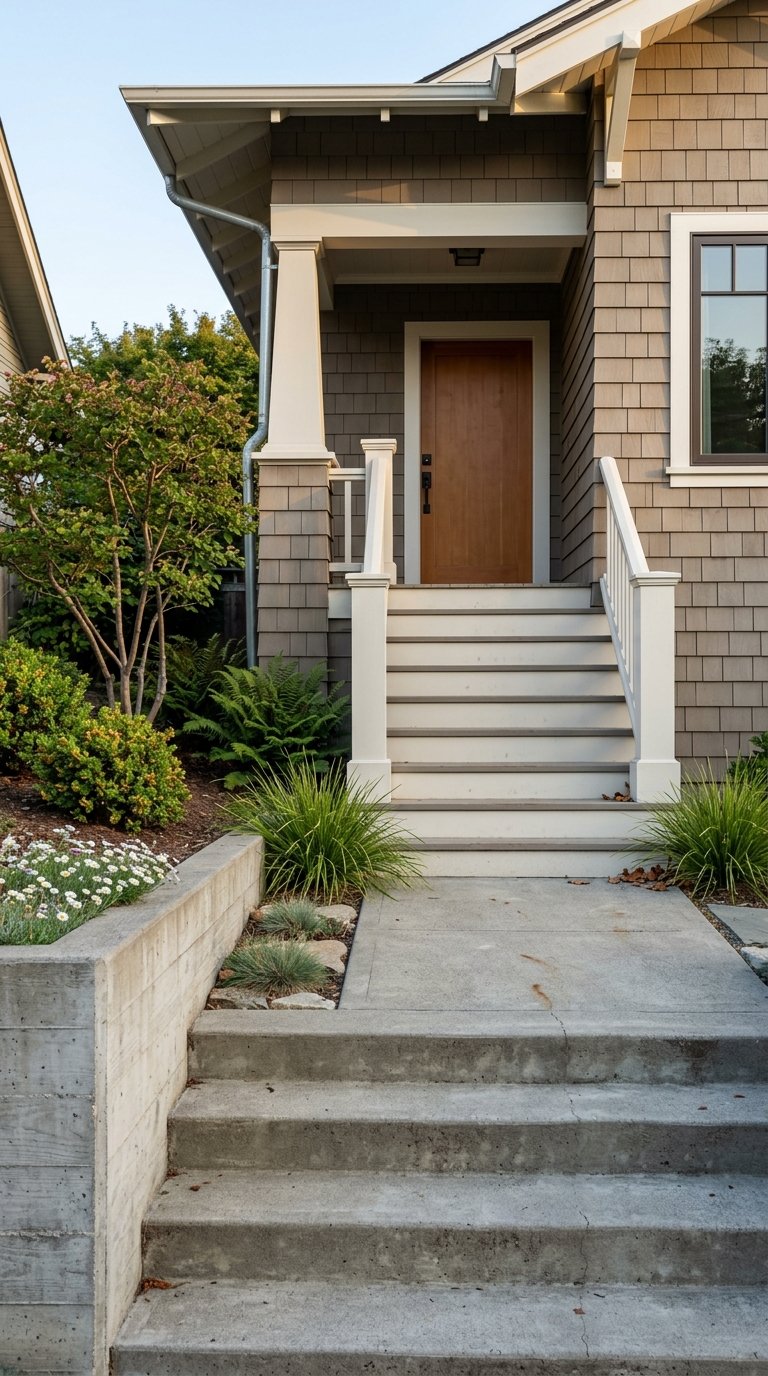
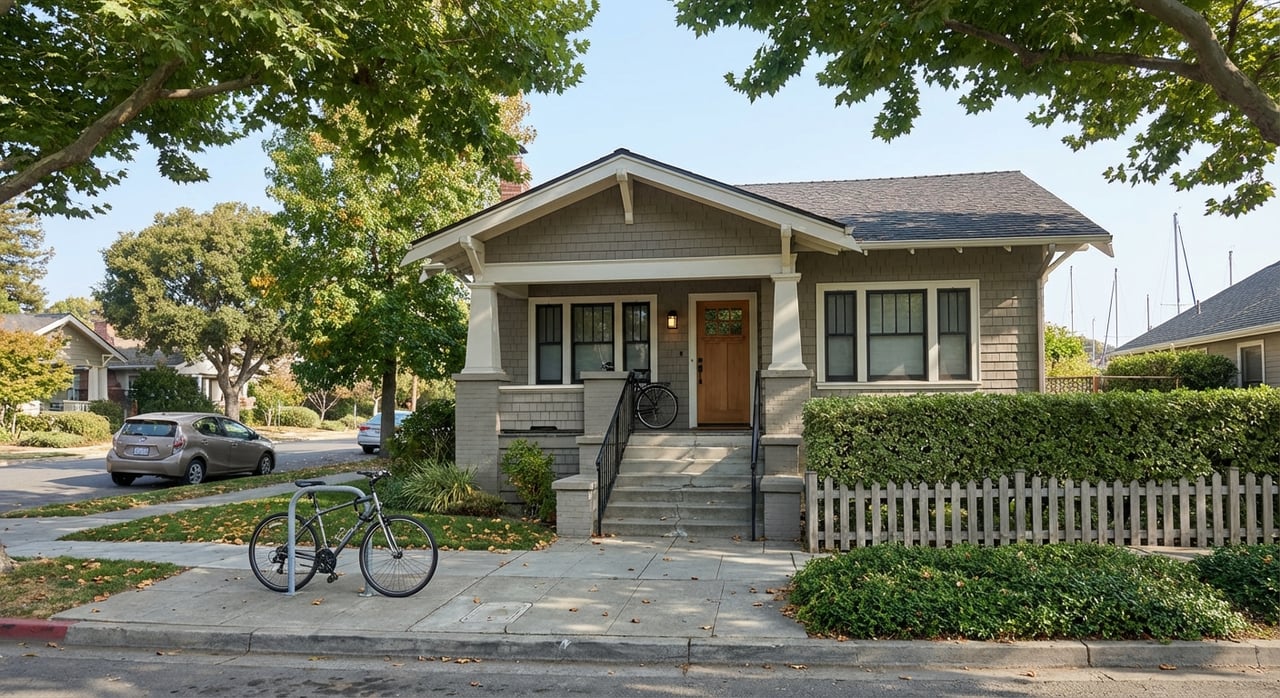
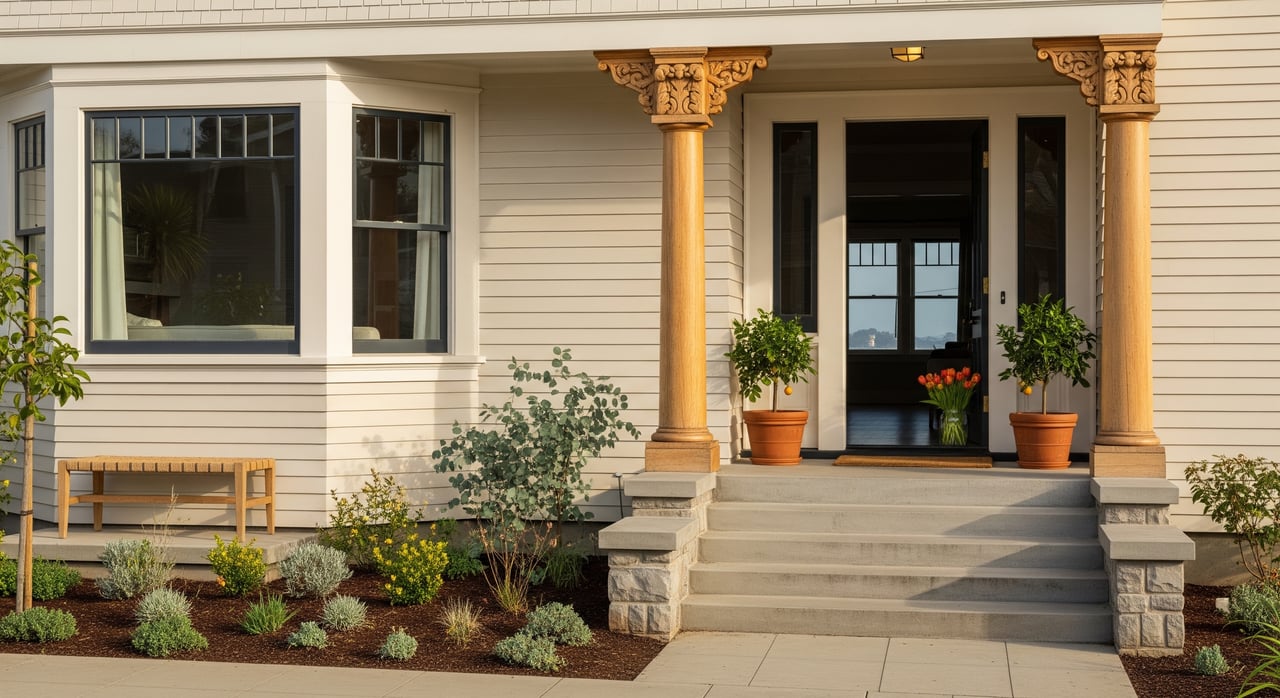
For many older Alameda homes, the most valuable design move is restraint. City guidance notes that retaining original windows is one of the best ways to preserve an older building’s charm, character, and resale value. The front porch is also identified as a defining feature for many Alameda homes.
That means staging should work with the architecture already in place. Instead of forcing a sleek, overly modern style into a Victorian or Colonial Revival home, the better strategy is usually to create a cleaner, lighter, more edited version of the home’s existing language. Buyers often respond best when a home feels both fresh and authentic.
How staging can influence buyer behavior
The biggest benefit of staging is often psychological. According to the 2025 NAR Profile of Home Staging, 83% of buyers’ agents said staging makes it easier for buyers to visualize a property as their future home. When buyers can picture daily life in a space, they are more likely to connect emotionally and move forward.
That same report found that 29% of agents saw a 1% to 10% increase in the dollar value offered, and nearly half of sellers’ agents said staged homes spent less time on market. In a market like Alameda, where momentum and first impressions matter, that can make staging a practical business decision, not just a design choice.
Focus on the rooms buyers notice first
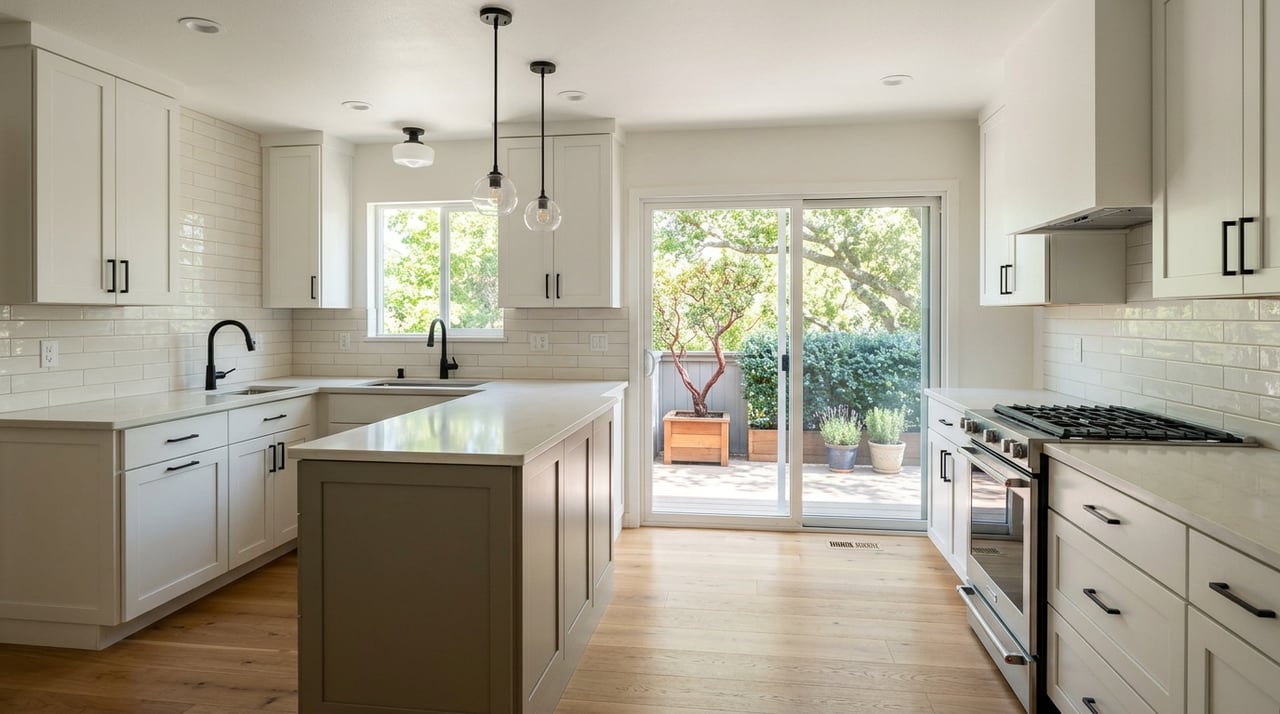
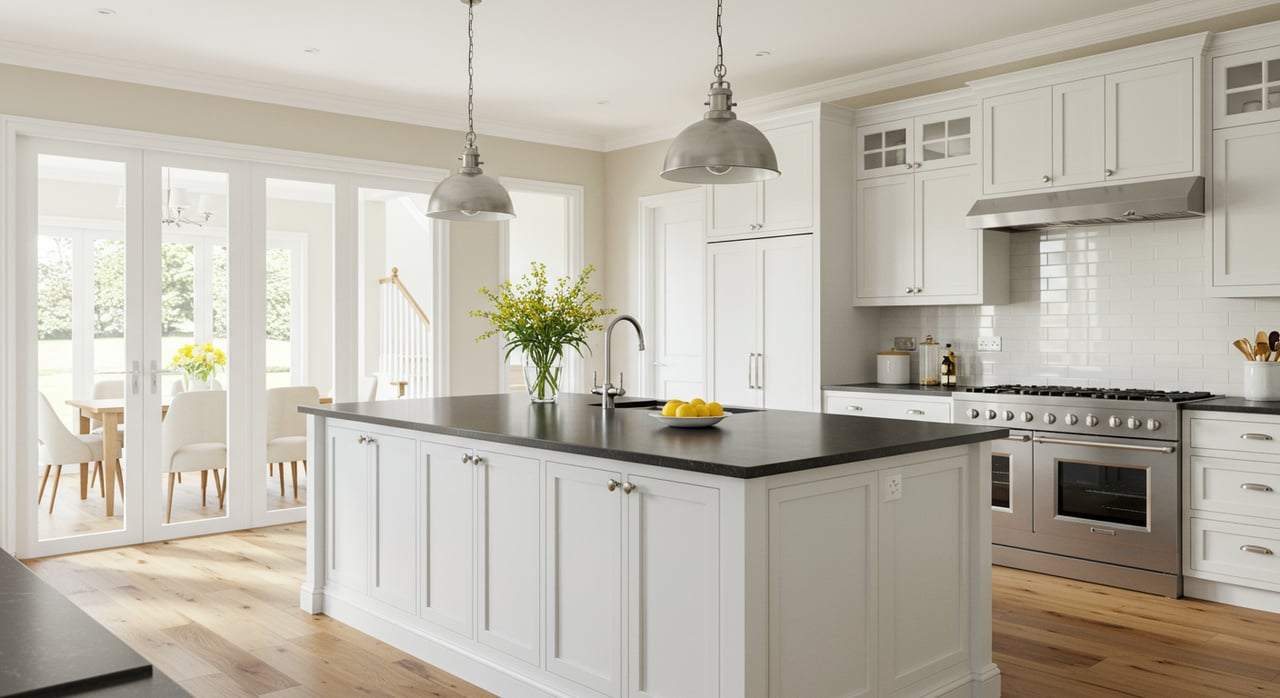
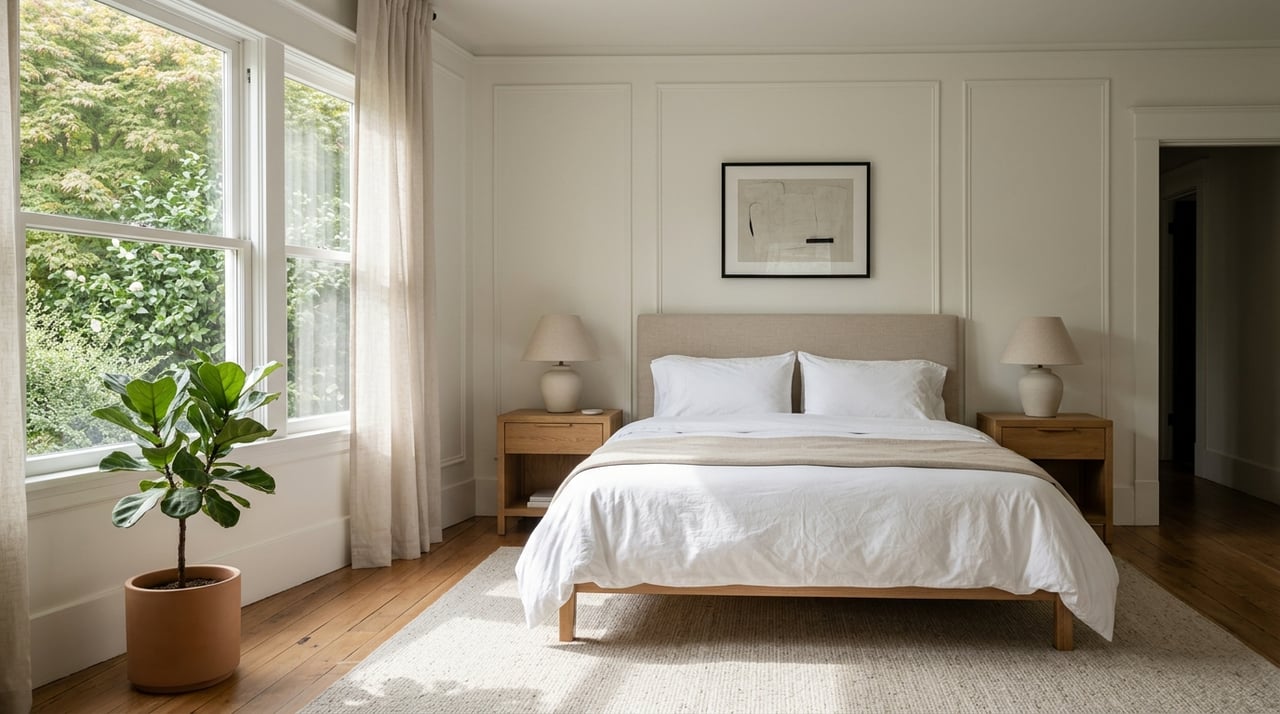
Not every room needs the same level of attention. The 2025 NAR report identified the living room, primary bedroom, dining room, and kitchen as the most important spaces to stage. These rooms do the most work in helping buyers understand scale, flow, and daily function.
If you are prioritizing your budget, start there. A well-staged living room can make the whole home feel larger. A calm, edited primary bedroom can signal comfort and move-in readiness. A clean dining area and kitchen help buyers imagine hosting, gathering, and everyday routines.
The highest-return staging updates are usually light
Sellers sometimes assume design-forward preparation means expensive upgrades. In most cases, the strongest return comes from lighter pre-listing work that improves perceived move-in readiness without turning the property into a full renovation project. That is especially true in Alameda, where preserving character often matters as much as introducing something new.
The most common and effective recommendations are often simple:
- Deep cleaning
- Decluttering
- Refining furniture layout
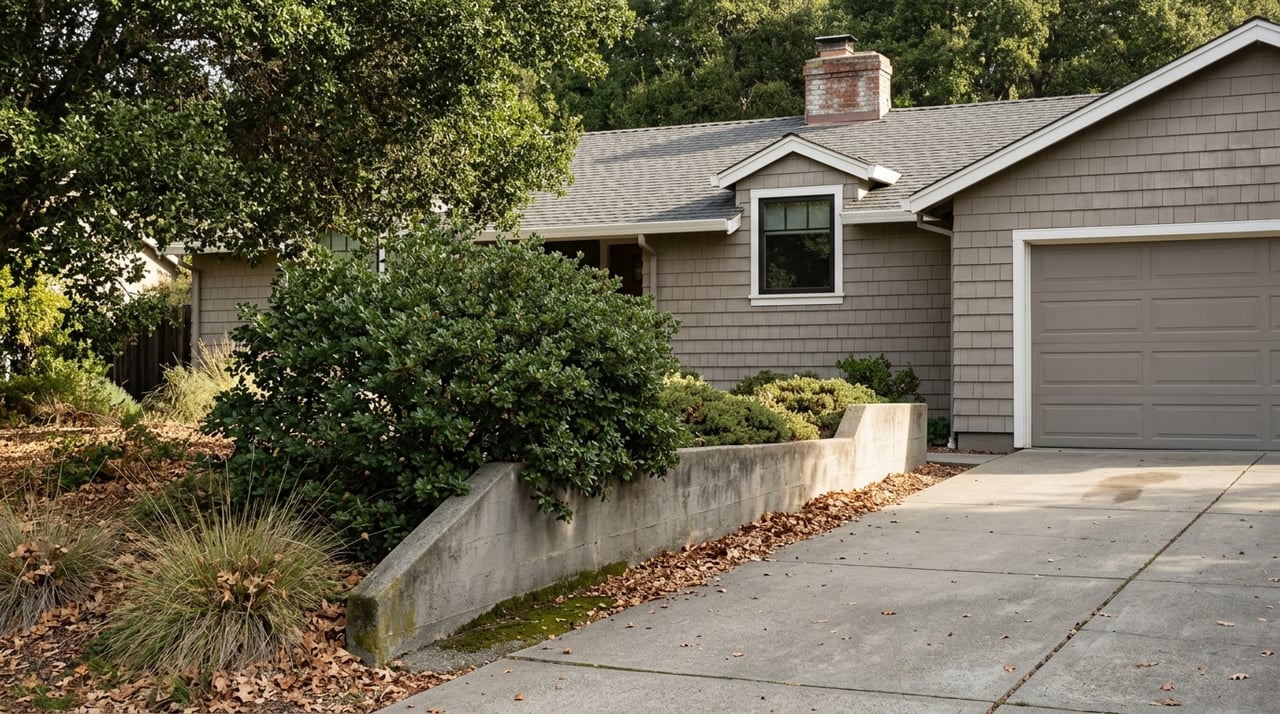
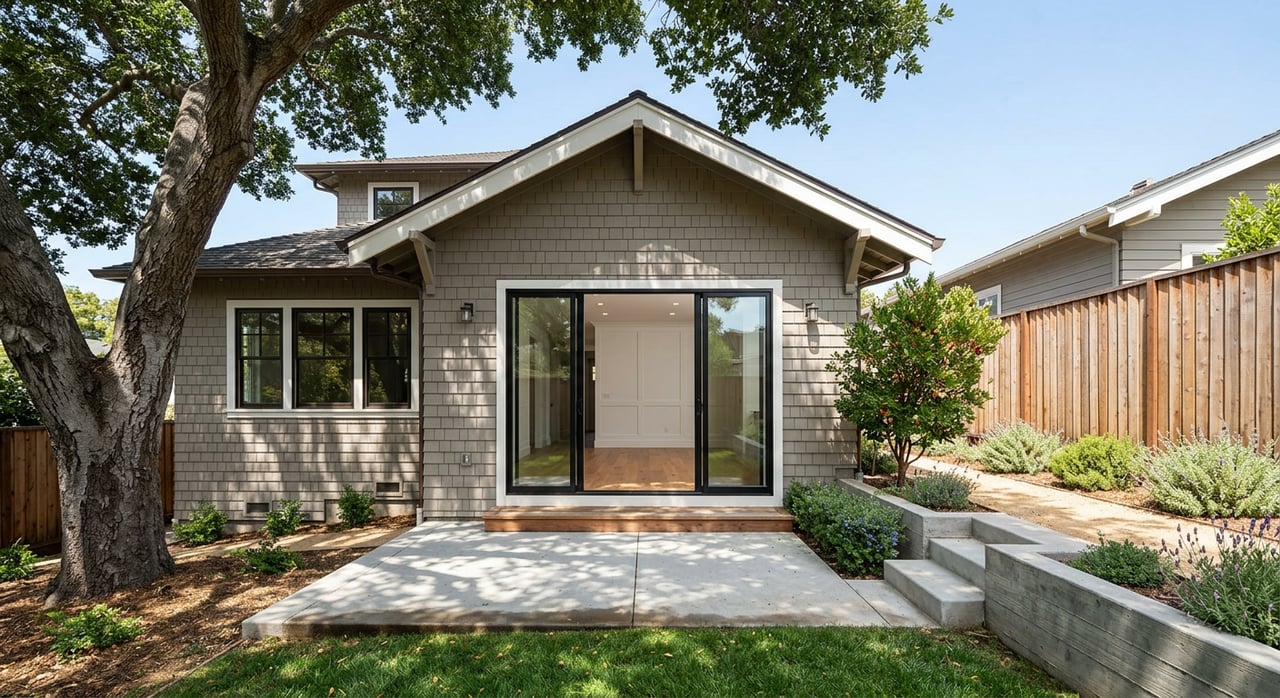
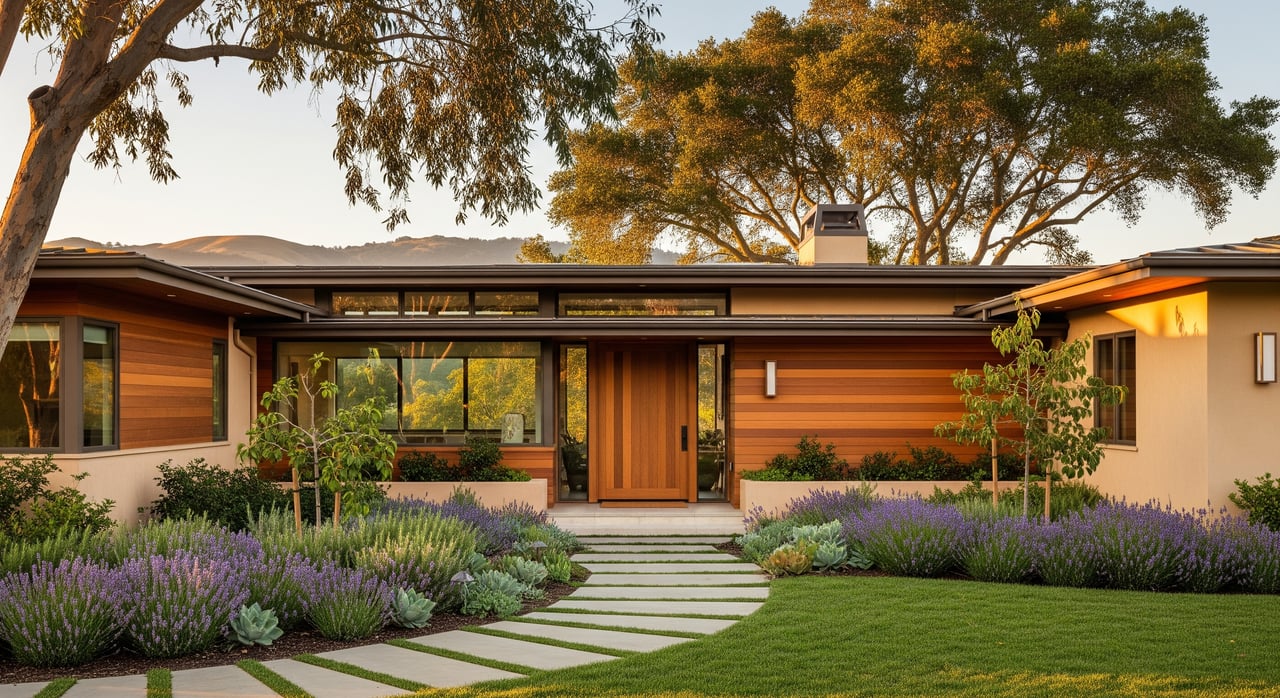
- Improving curb appeal
- Editing personal items
- Refreshing paint where needed
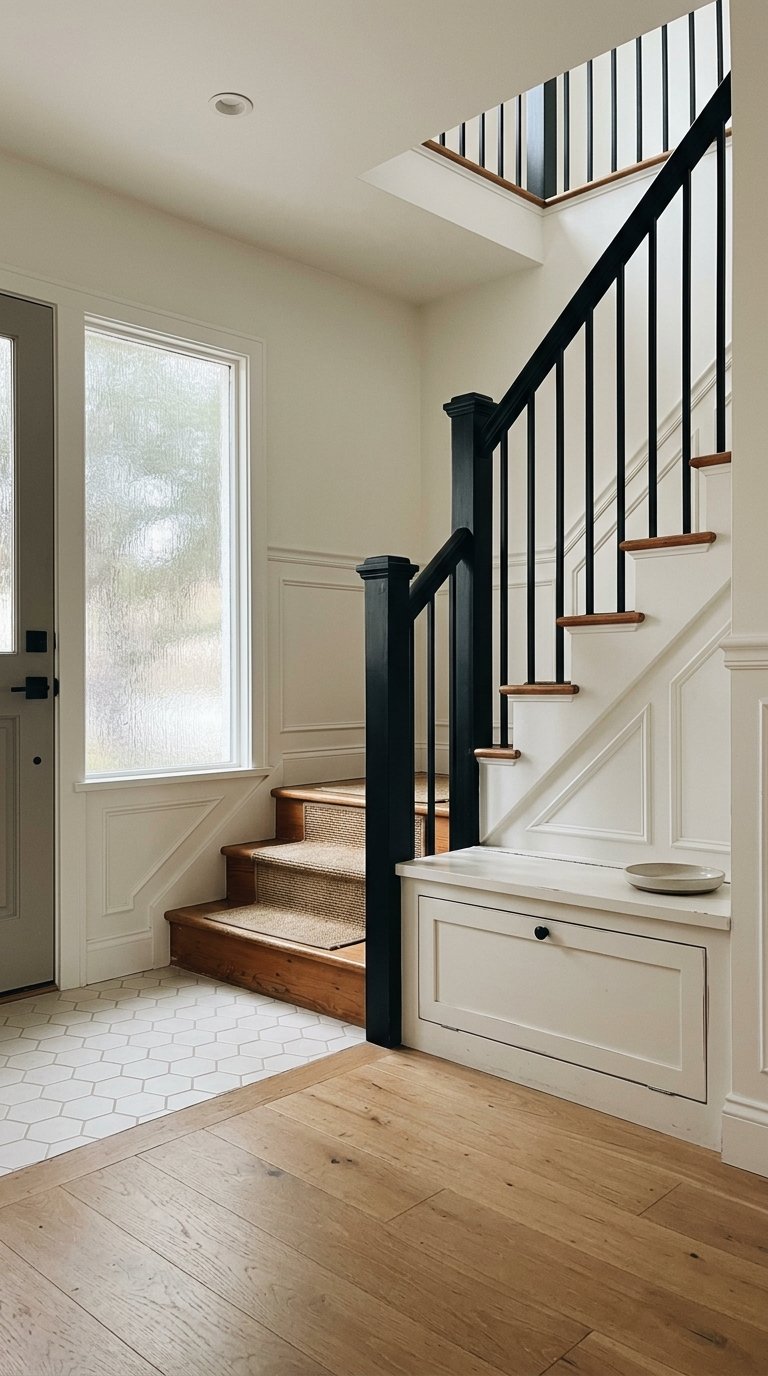
- Creating a stronger entry moment
These steps help photography, open house flow, and buyer confidence. They also tend to deliver more value per dollar than overbuilding for the market.
Staging costs versus potential upside
For many Alameda sellers, the math can be compelling. NAR’s 2025 report says the median cost for a staging service was $1,500, while agent-handled staging was $500. While every property is different, those numbers help frame staging as a relatively contained pre-sale investment.
The key is using the budget strategically. The best results usually come from work that improves scale, light, and visual clarity while preserving the details that give the home its identity. In other words, you want buyers to notice the home, not the staging itself.
Why project management matters too
A beautiful staging plan only works if the execution is organized. Sellers often need help sequencing cleaning, repairs, paint touch-ups, furniture edits, photography, and go-live timing. Without a clear plan, even small projects can drag on and delay your listing.
That is where hands-on project management becomes valuable. With a clear pre-listing strategy, you can decide what to do now, what to skip, and how to bring the home to market at the right moment. This keeps the process focused on return, not just activity.
Be careful with exterior changes
If your Alameda property was built before 1942, it is smart to separate cosmetic staging from true alterations. The city may require a Certificate of Approval for certain changes, and buildings built before 1942 may also qualify for the State Historical Building Code. Exterior updates such as window replacements, porch changes, or other visible alterations can trigger design review and add lead time.
That is one reason staging is often the faster path. You can usually improve presentation through styling, editing, and light interior preparation without stepping into a longer approval process. If you are considering visible changes, it helps to understand the timeline before setting a listing date.
What design-forward staging looks like in Alameda
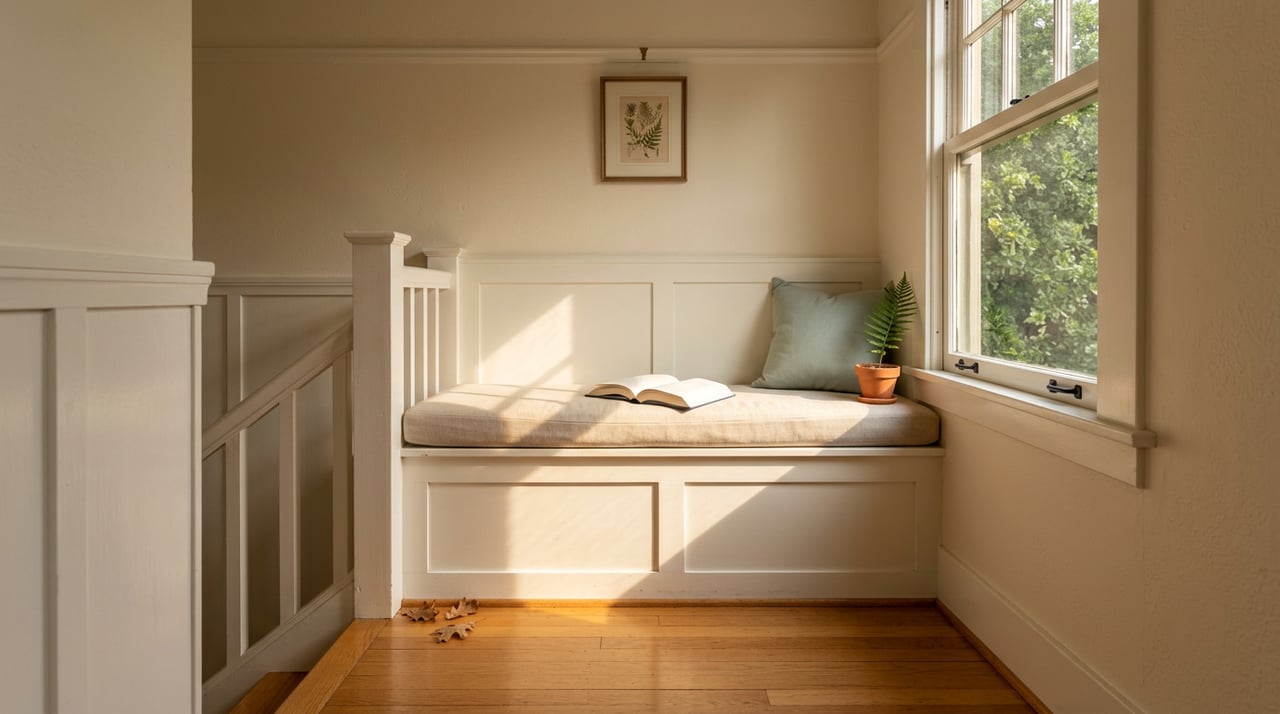
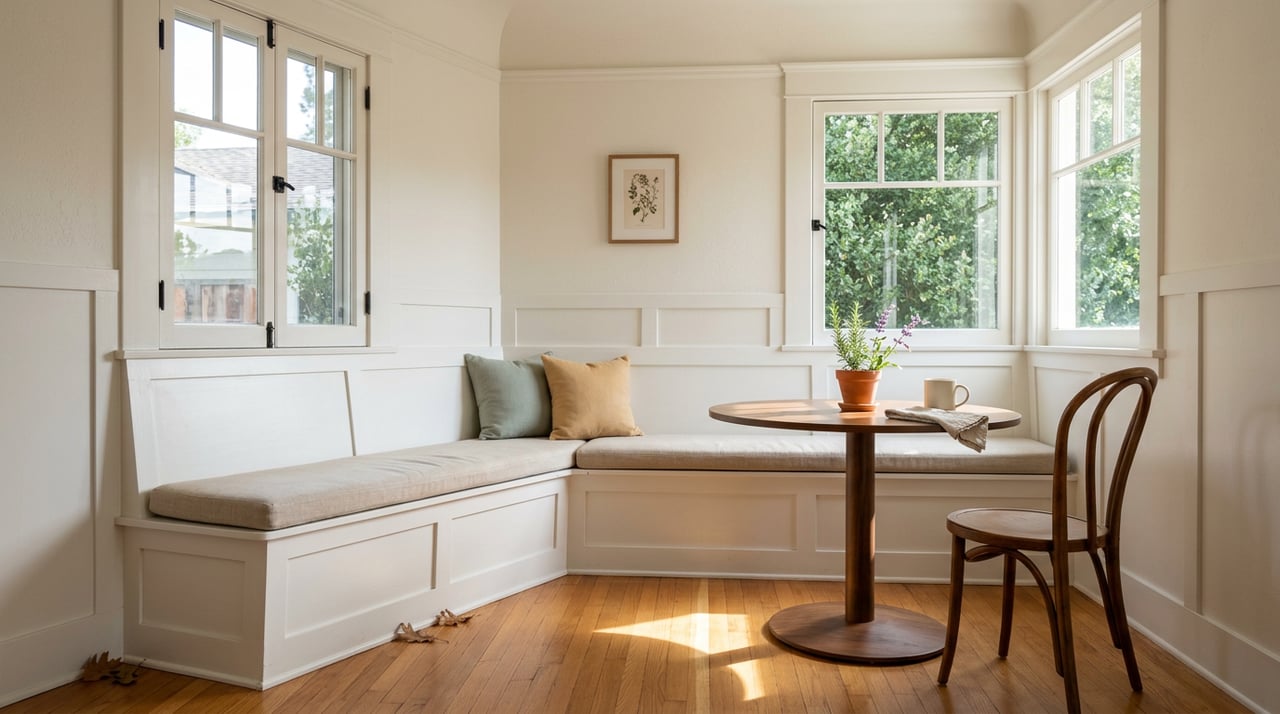
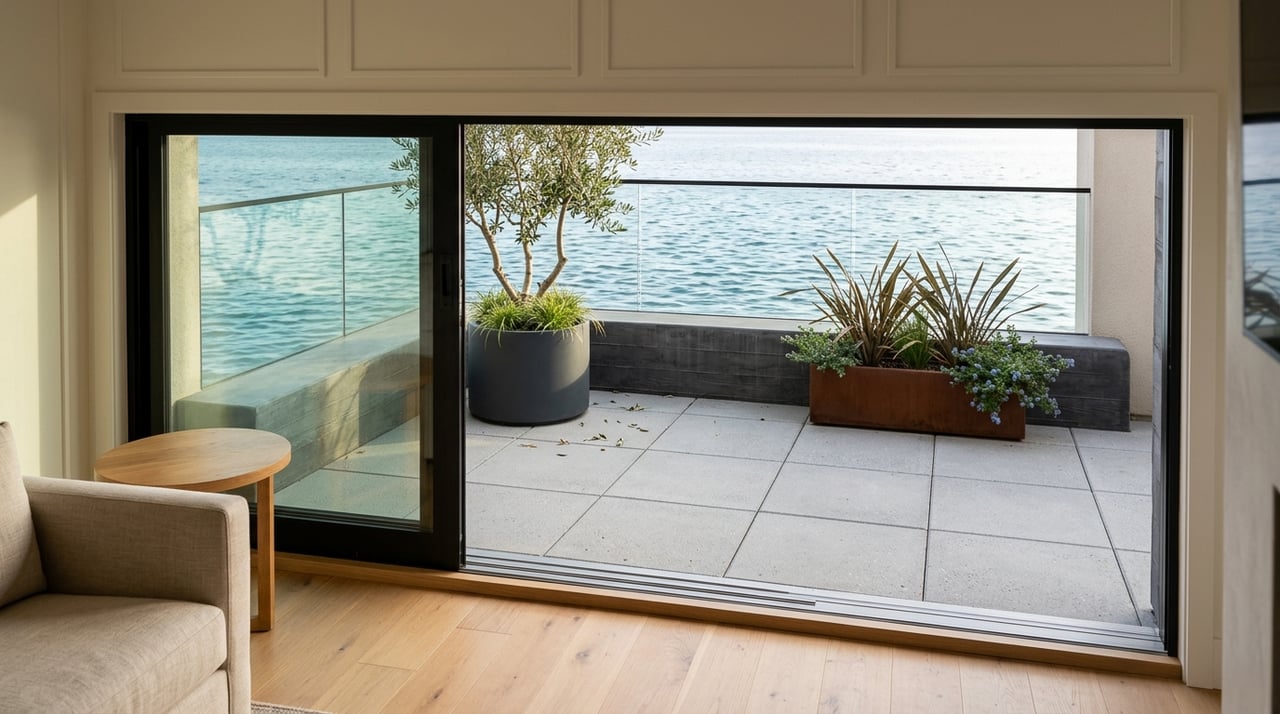
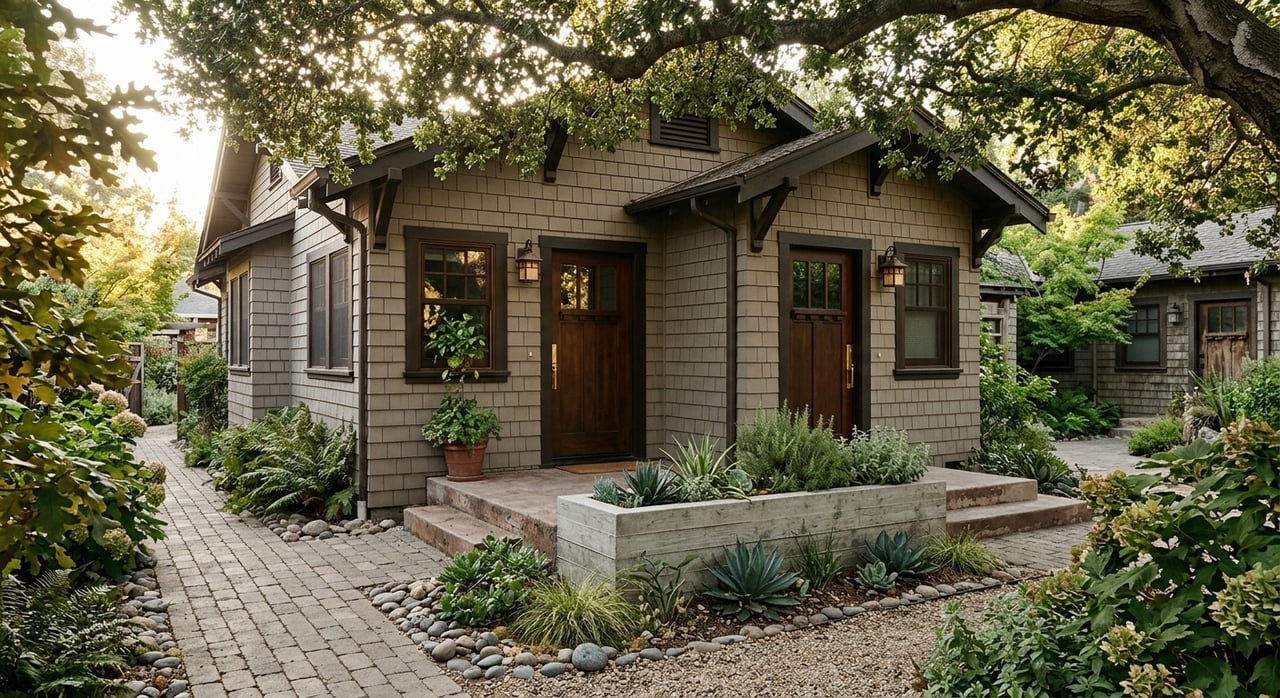
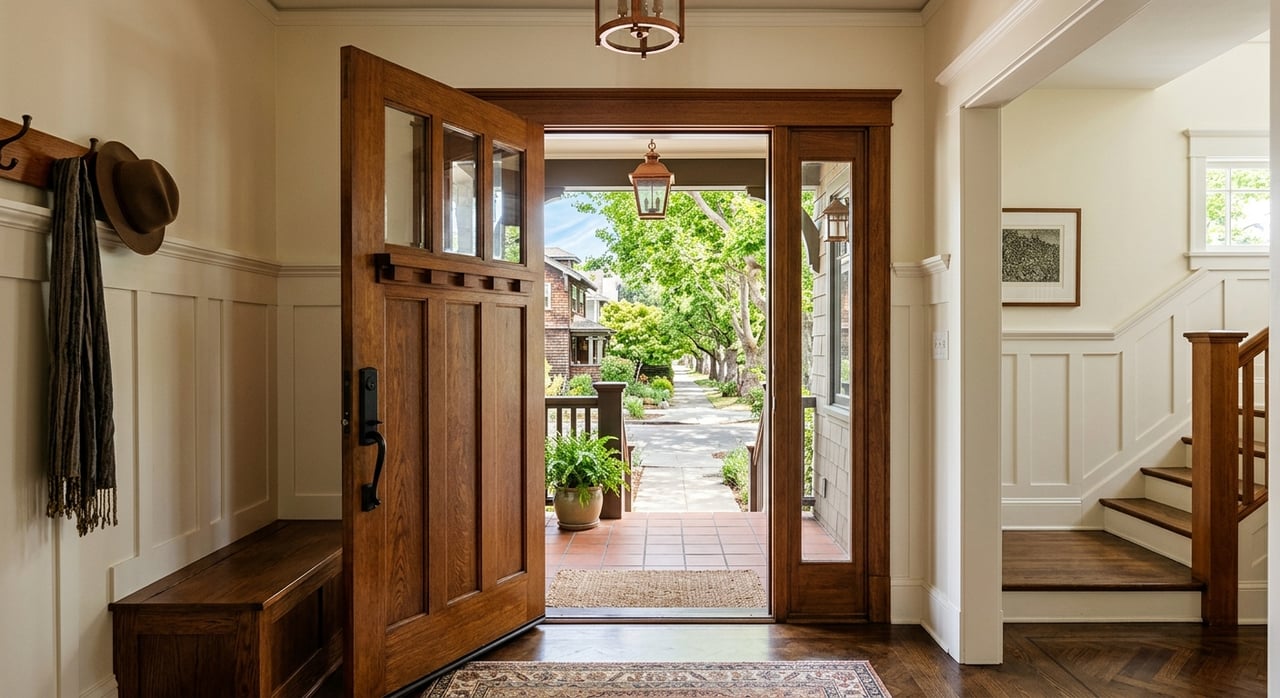
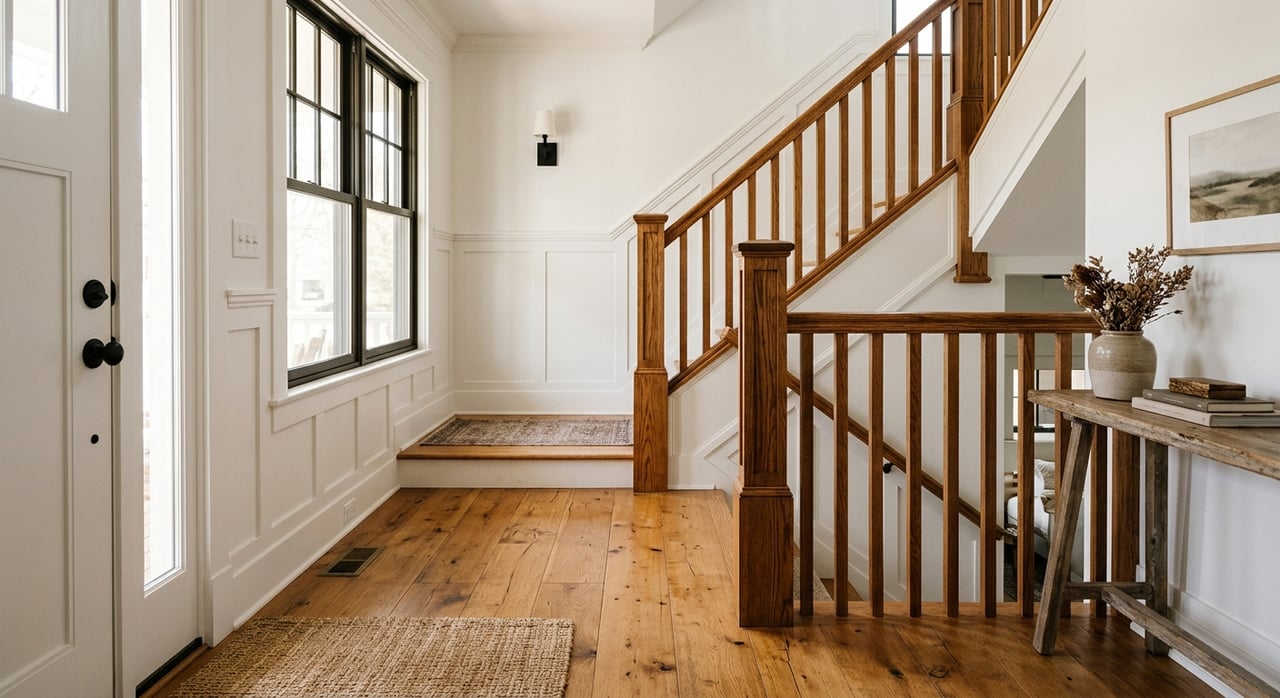
A successful Alameda staging plan often feels layered, bright, and intentional. It may highlight a welcoming porch, preserve original trim, open sightlines between main living spaces, and use furnishings that respect the scale of older rooms. The home should feel updated, but not stripped of character.
For example, a Craftsman may benefit from warm, simple furnishings that let millwork and windows stand out. A Victorian may call for lighter styling that softens visual complexity without fighting the home’s detailing. A condo or townhome may need a sharper focus on layout, storage, and flexibility so buyers can quickly understand how the space lives.
What sellers should do before listing
If you want the strongest result, start with a practical walk-through and honest prioritization. The goal is to identify what buyers will notice first, what photographs best, and what may be creating visual friction.
A smart pre-listing checklist often includes:
- Remove oversized or extra furniture
- Declutter surfaces and storage areas
- Deep clean every room
- Refresh paint selectively if needed
- Improve the front entry and porch presentation
- Define each room with a clear purpose
- Stage key rooms first if budget is limited
- Avoid style choices that compete with original architecture
This kind of preparation helps your home read as cared for, functional, and easy to love.
The bottom line for Alameda sellers
In Alameda, design-forward staging is not about making your home look trendy. It is about helping buyers see value faster and more clearly. In a market with strong pricing, relatively quick timelines, and a large supply of character-rich homes, thoughtful presentation can help your listing stand out for the right reasons.
When staging is paired with local market knowledge and disciplined project management, it becomes a tool for sharper pricing strategy, stronger marketing, and a smoother path to sale. If you are thinking about selling in Alameda and want a plan that respects both your home’s architecture and your return, connect with Annie Tegner for thoughtful guidance and design-led preparation.
FAQs
What is design-forward staging for an Alameda home sale?
- Design-forward staging for an Alameda home sale means preparing the home to show its best features through decluttering, styling, layout edits, and character-sensitive presentation rather than a full remodel.
Does home staging really help Alameda sellers get stronger offers?
- Research cited here shows staging helps buyers visualize living in the home, and many agents reported both higher dollar offers and less time on market.
Which rooms matter most when staging an Alameda house or condo?
- The living room, primary bedroom, dining room, and kitchen are generally the most important rooms to stage because they shape buyer perception of comfort, function, and scale.
Should sellers remodel or just stage before listing in Alameda?
- For many sellers, light pre-listing design work and staging offer the strongest return because they improve move-in readiness and presentation without the cost and delay of a full remodel.
Are there permit concerns for older Alameda homes before listing?
- Yes, some Alameda homes built before 1942 may face review requirements for certain visible alterations, so cosmetic staging is often much faster than exterior changes such as window or porch work.