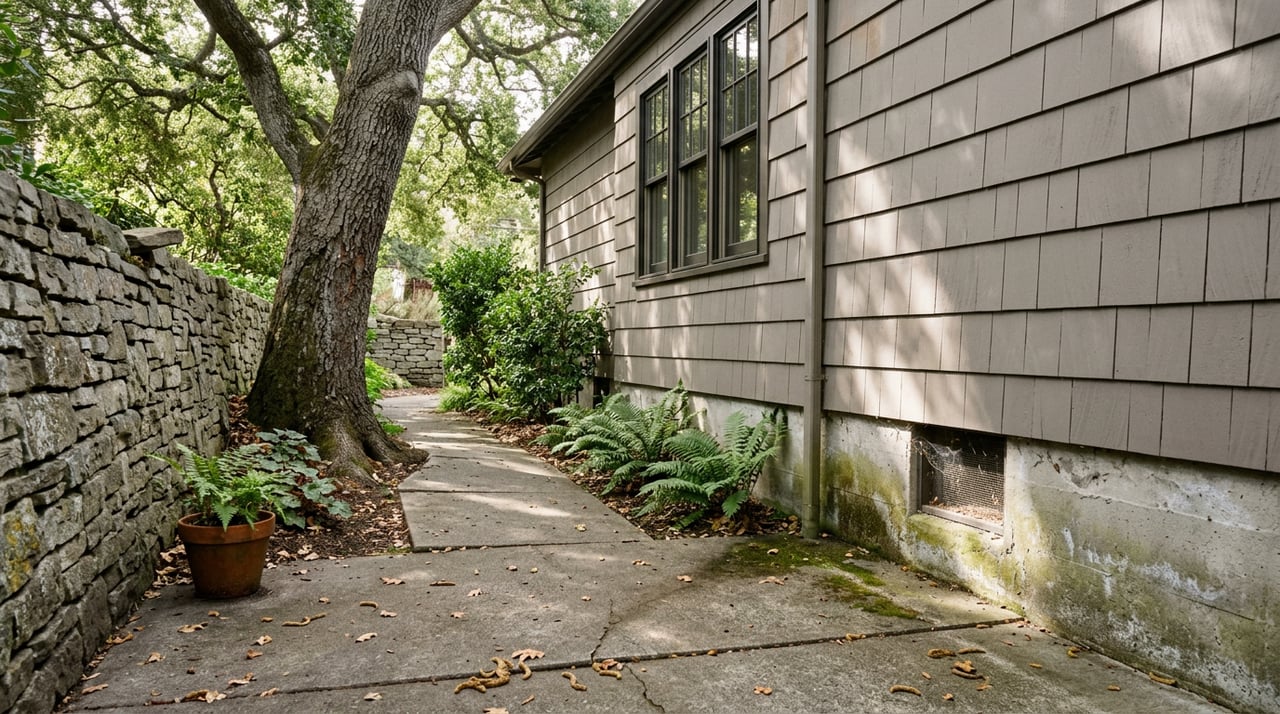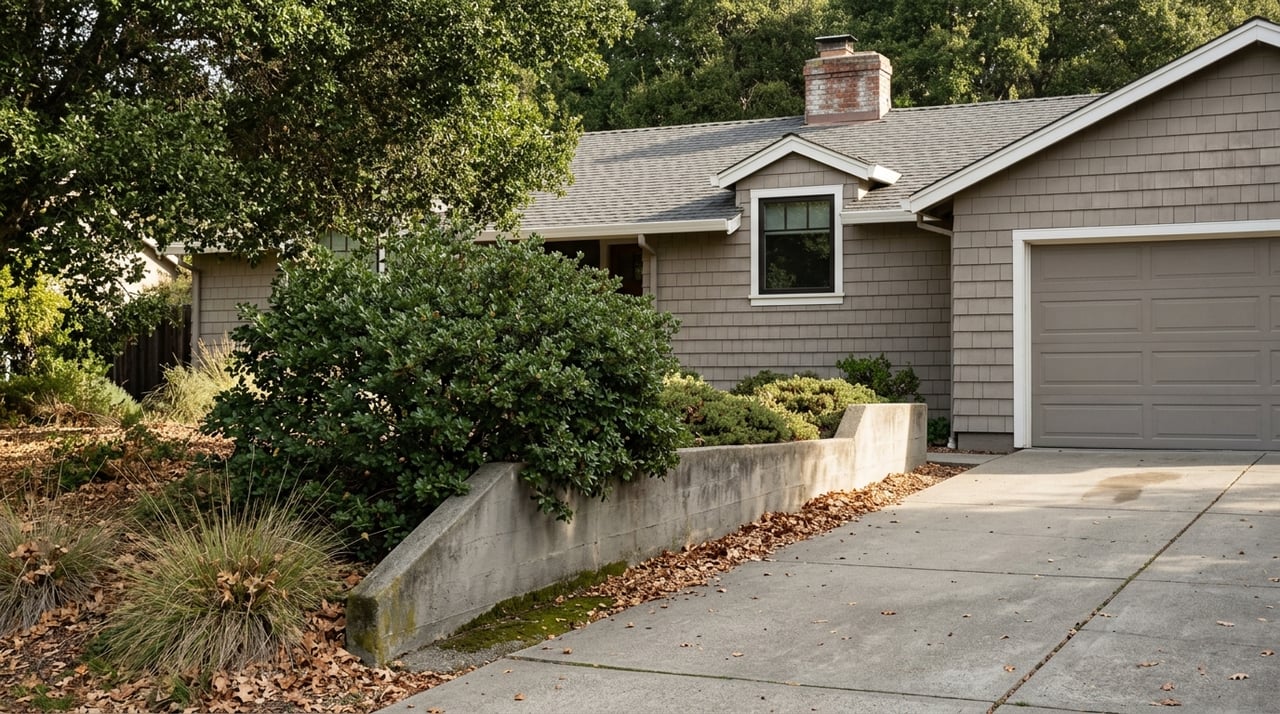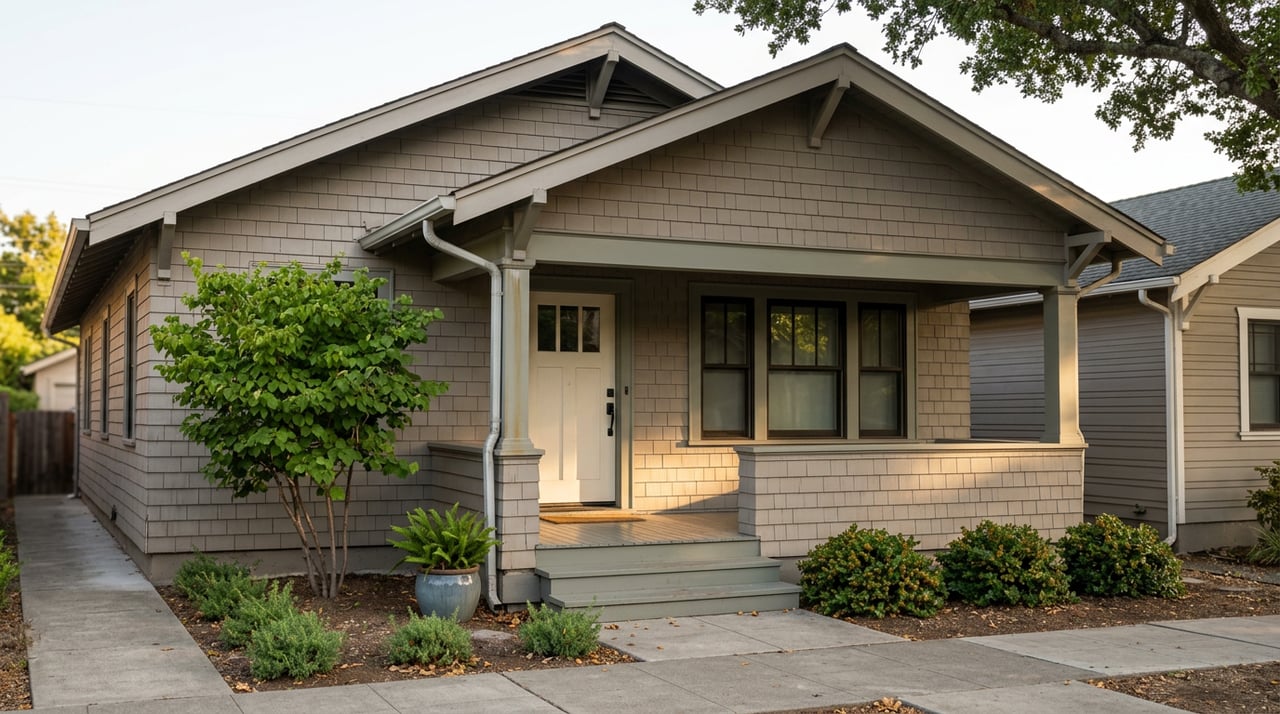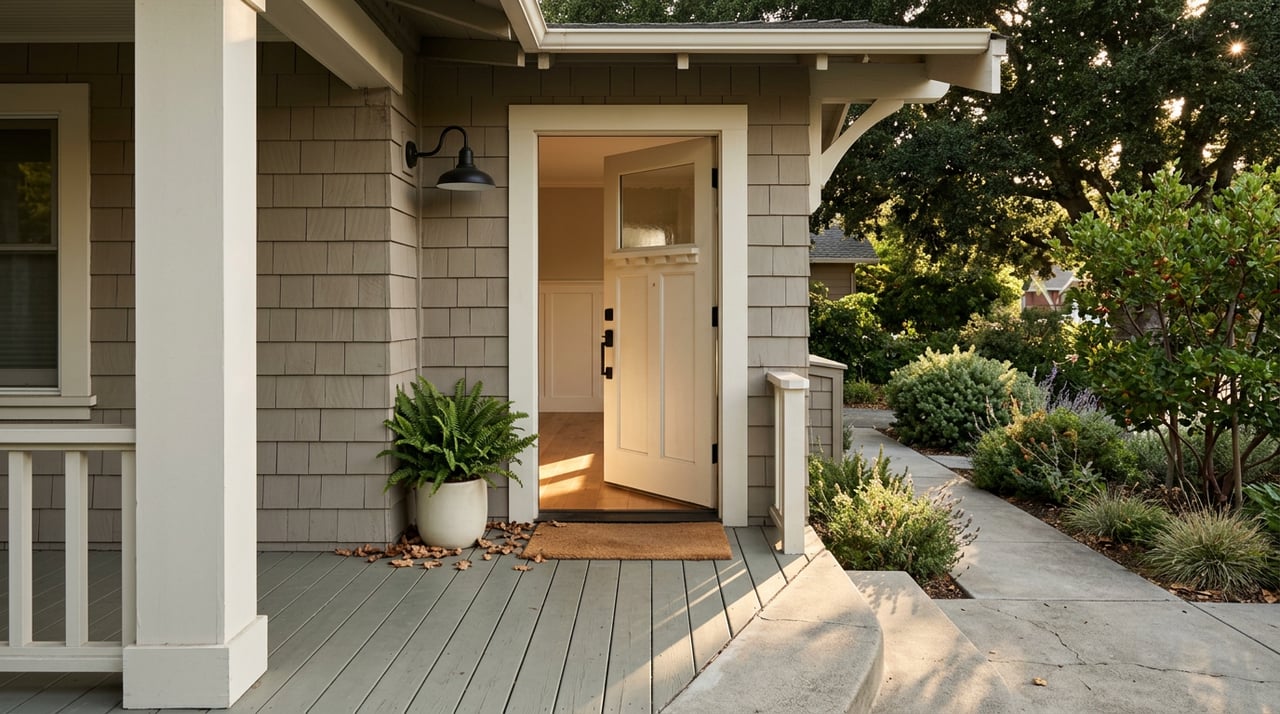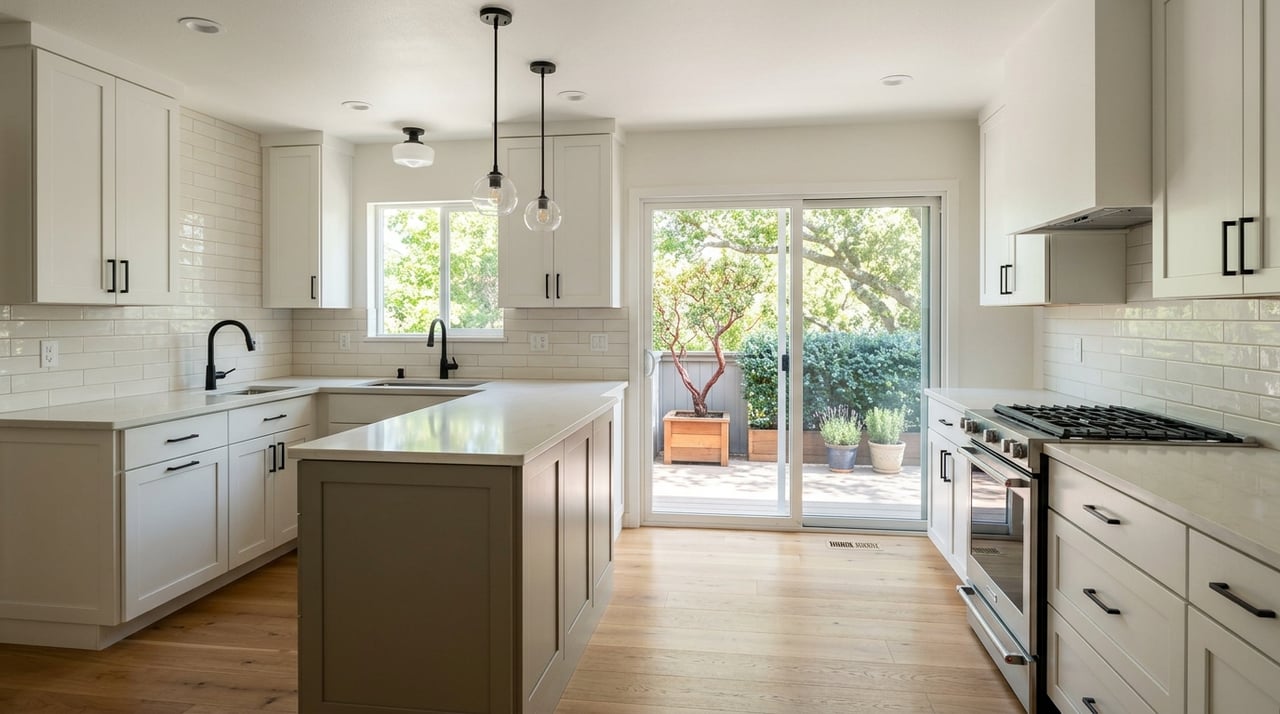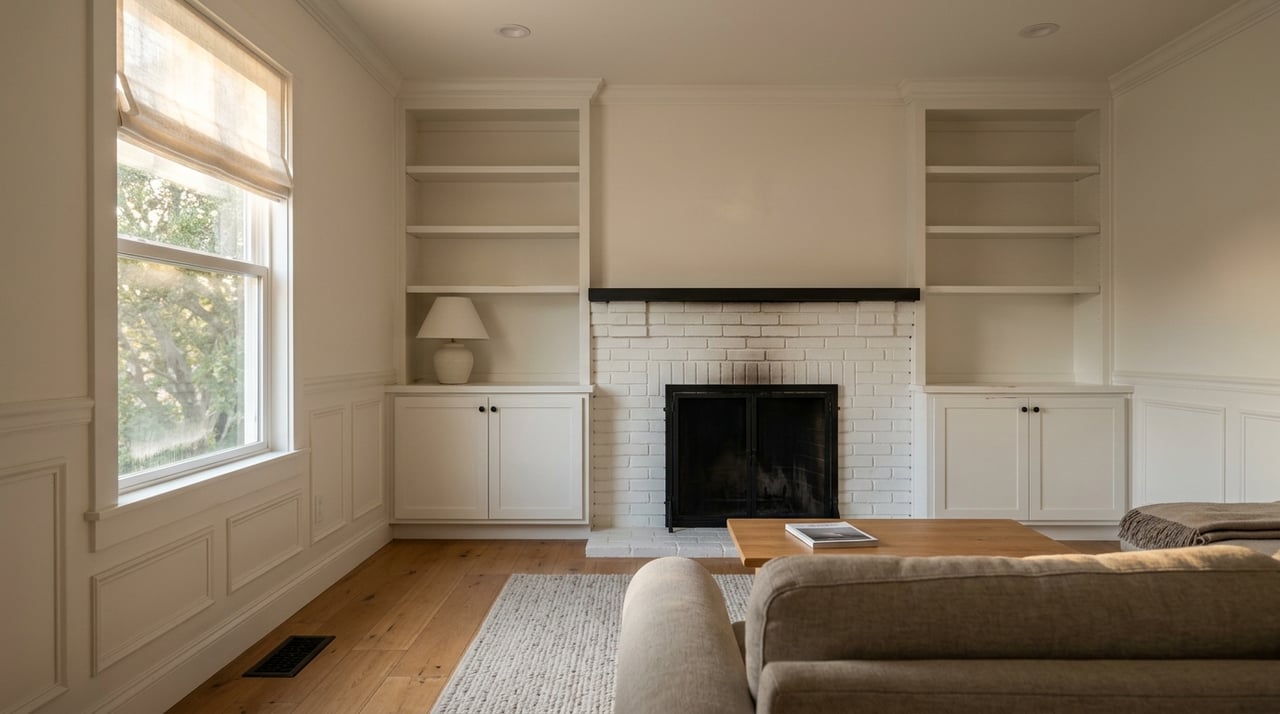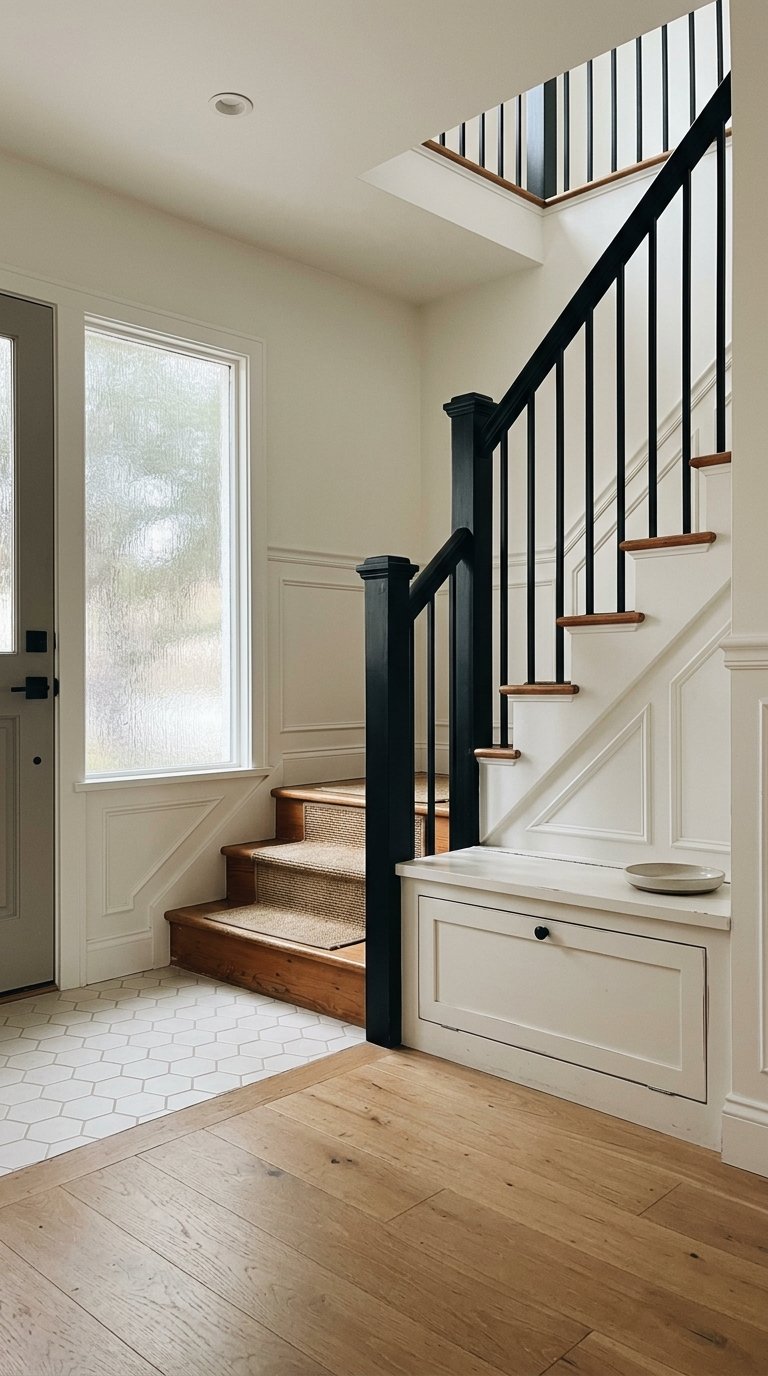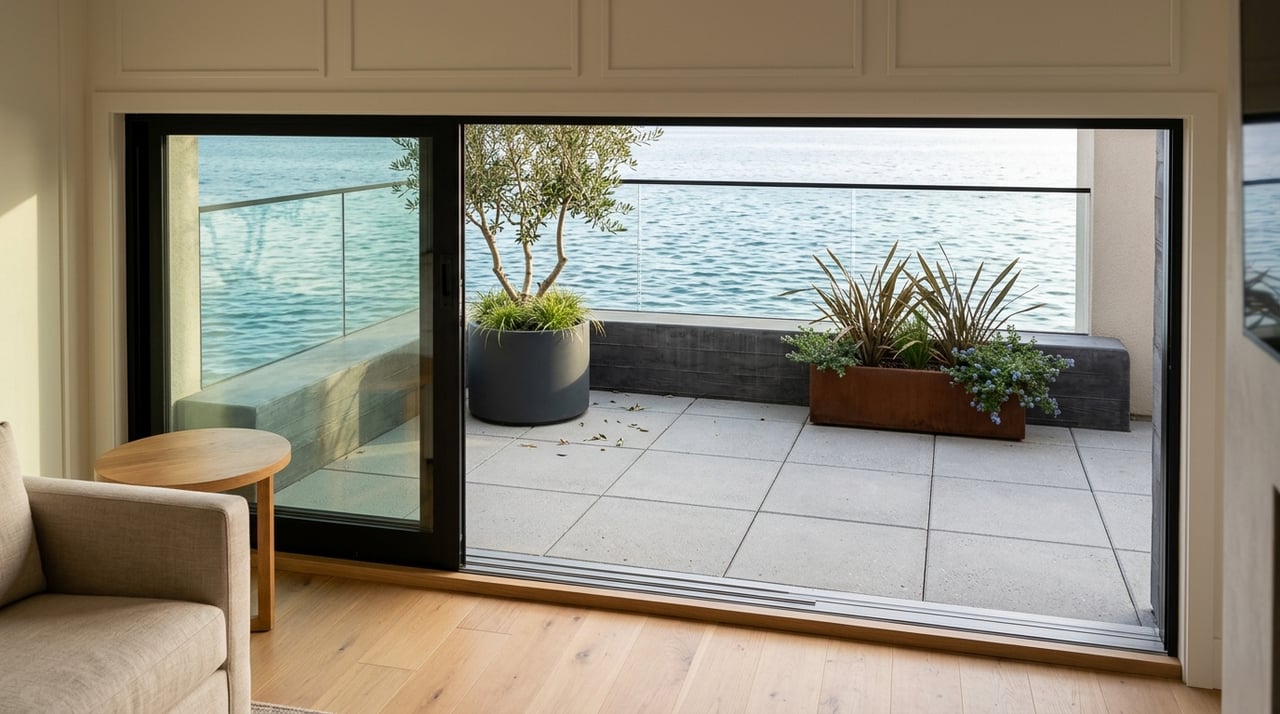
At a Planning Board study session in May, Boardmember Hanson Hom put his finger on the appeal of the idea under discussion. Alameda, he said, lacks enough entry points into homeownership for buyers priced out of a single-family home, and a smaller, separately owned unit "could fill that gap." Then he added the caveat that matters more than the applause line: the process to get there is "onerous."
Both things are true, and both are why this week's City Council meeting deserves more attention from Alameda buyers and owners than a routine zoning update usually gets. On Tuesday, September 15, Council will vote on whether to let homeowners sell their accessory dwelling unit as a standalone condominium, separate from the main house. If it passes, Alameda joins a small number of California cities that have actually turned on this option rather than just having it available under state law. What it won't do, at least not soon, is put a wave of cheap new listings on the market. The friction that makes ADU condos hard to abuse is the same friction that will keep them rare for a while.
The State Law Is Two Years Old. Alameda's Adoption Isn't
The underlying authority here isn't new. Assembly Bill 1033 took effect statewide on January 1, 2024, giving cities the option to let an ADU be subdivided and sold like a condo instead of staying legally tied to the primary residence forever. The key word is option. AB 1033 doesn't force anything. Each city has to write its own ordinance, and plenty haven't gotten around to it.
Alameda has been building toward this since a May 11 Planning Board study session, where members signaled broad support for the concept, and a June 22 session where the Board unanimously recommended the ordinance updates to Council. Tuesday's meeting is where it either becomes real or doesn't.
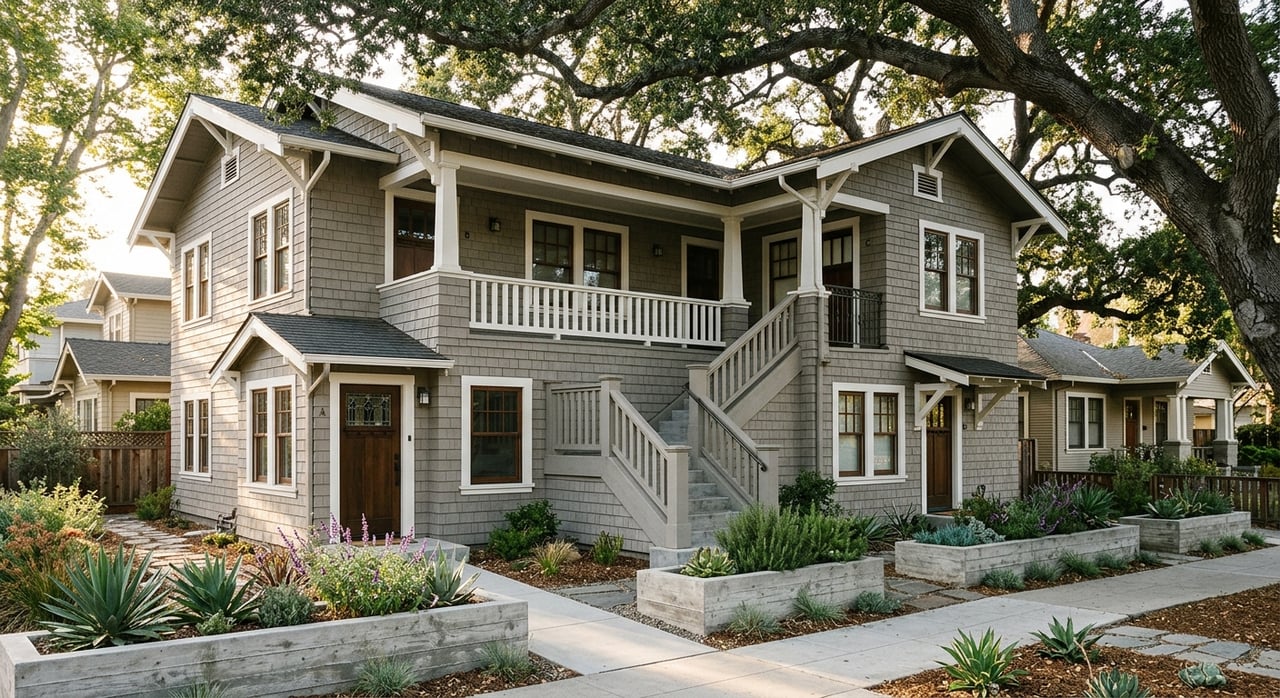
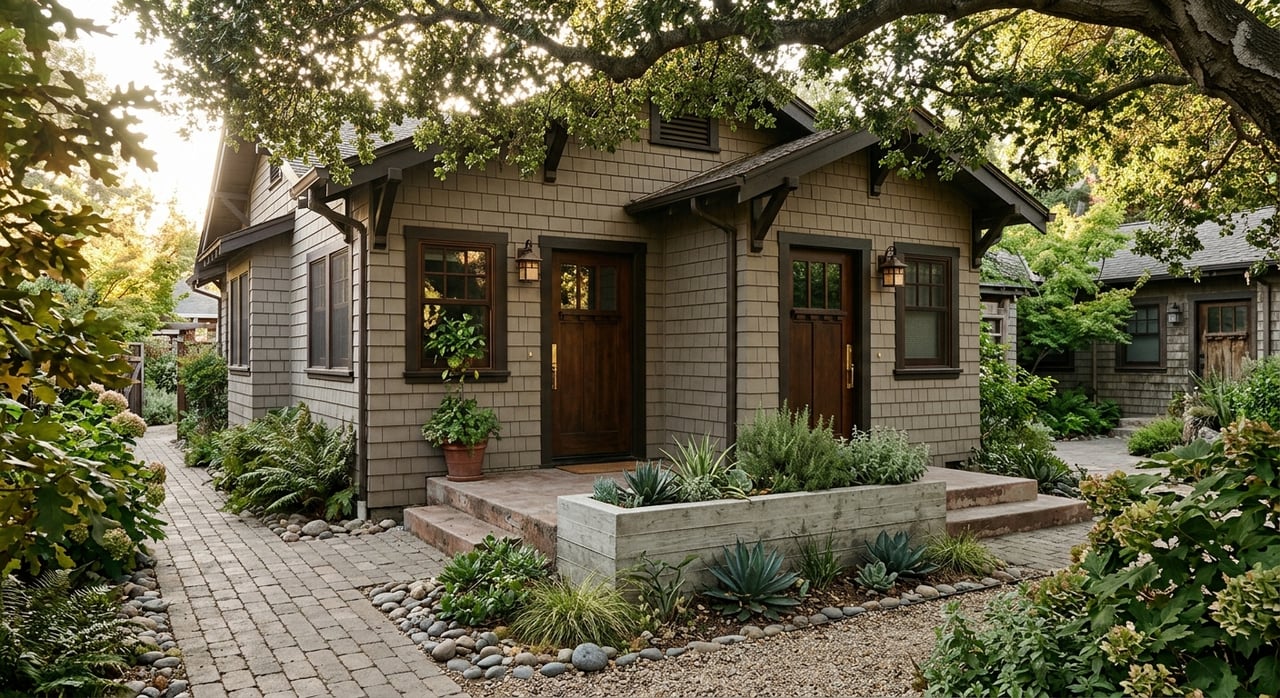
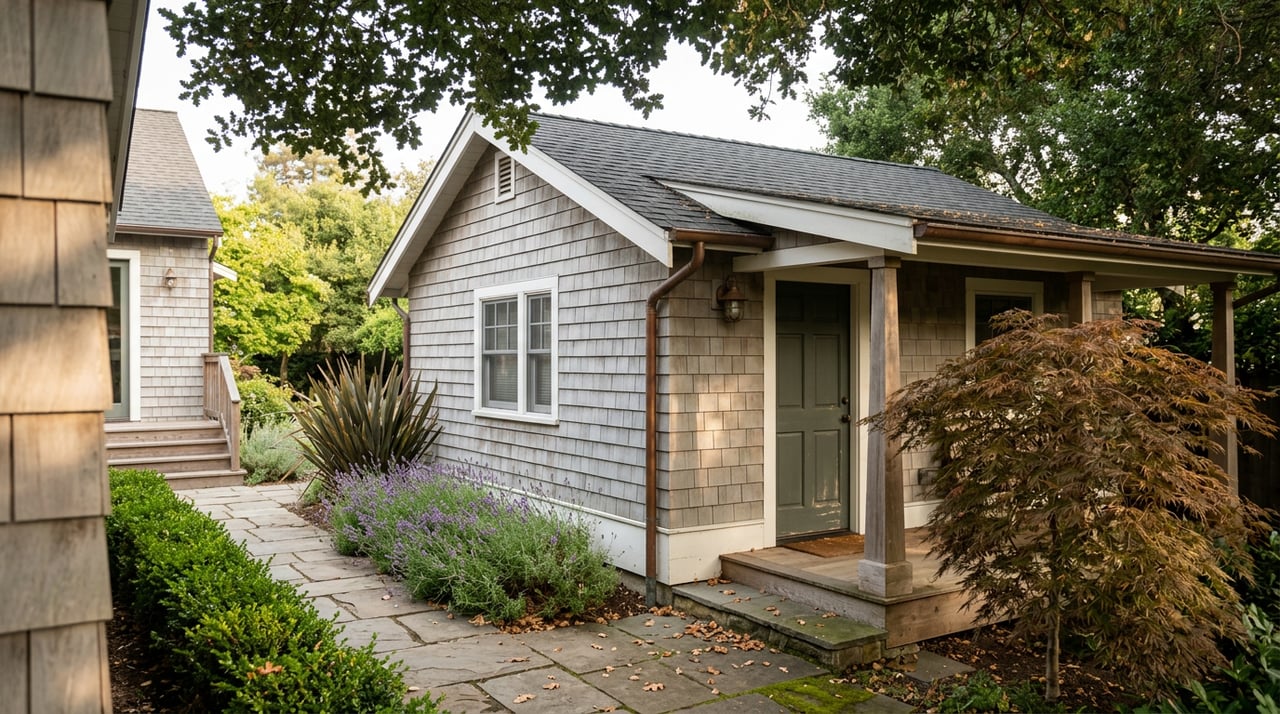
The scale of what's at stake is worth sizing correctly. Alameda approved roughly 50 ADUs a year between 2017 and 2025, and the city now has at least 450 of them. City staff expect that pace to hold steady. That's the entire pool this new pathway could eventually draw from, not a fresh supply of hundreds of new units appearing because a condo map got easier to file.
The Paperwork Is the Real Gatekeeper
Boardmember Sunny Tsou made an argument in May that deserves more weight than it got in the meeting's public comment period: the condo conversion process is complicated enough on its own to prevent widespread abuse. He walked through what an owner actually has to do. Draft condominium CC&Rs. Establish shared common areas. Get lender approval to subdivide a mortgaged property. Complete mapping and recording with the county.
Boardmember Teresa Ruiz added that owners taking this route also have to maintain financial reserves and handle ongoing management obligations once the unit is sold, the same responsibilities that come with any small HOA.
None of that is a reason to expect the ordinance to fail. It's a reason to expect it to move slowly even after it passes. A homeowner interested in cashing out an ADU as a separate sale isn't filling out a form at the counter. They're assembling a small legal and financial structure most single-family owners have never touched.
What Changes Tuesday, What Doesn't
| Before this ordinance | If it passes | |
|---|---|---|
| Can an ADU be sold separately from the house? | No. Deed-restricted to stay with the primary residence. | Yes, once CC&Rs, a condo map, and lender consent are in place. |
| Who can buy one? | No one. Not on the market as a distinct unit. | Buyers seeking a smaller, lower-cost ownership unit, once owners complete the conversion. |
| Tenant already living in the ADU? | Standard rental protections apply. | Must get 60 days' notice and first right to buy before it's offered publicly. |
| Existing ADU inventory this could draw from | roughly 450 units built since 2017 | Same 450, plus future construction at the current pace of about 50 a year |
| Timeline to see actual sales | n/a | Likely months to years, given the CC&R, mapping, and lender steps involved |
City staff themselves have flagged the ceiling on this. Even in the most aggressive scenario, where every existing ADU in Alameda eventually converts, that would still represent less than 3 percent of the city's rental housing stock. This is a new tool being added to a small drawer, not a new floor being built onto the housing market.
What This Might Be Worth, and Why Nobody Can Price It Yet
Here's where the timing gets interesting for anyone comparing Alameda to other East Bay options. As of June 30, 2026, the average Alameda home value stood at $1,160,754, down 1.5 percent over the prior year. Zoom into just the last three months of data through May 2026, and Redfin's tracking shows the city's median sale price at $1.1 million, down 11.9 percent year over year, with price per square foot down 18.1 percent over the same period. That's a notable pullback for a single city.
It looks different one level up. Alameda County as a whole, over that same three-month window ending May 2026, saw its median sale price climb 5.4 percent year over year to $1.2 million. Alameda the city cooled while the county around it kept climbing. That gap is exactly the kind of detail a median headline number hides.
Inside that cooling city market, the split between property types tells its own story. Data from March 2026 put Alameda's typical condo around $658,000 against a single-family average near $1,162,500, a gap of roughly half a million dollars. A converted ADU condo would presumably slot in below that existing condo floor, since ADUs are smaller and simpler by design. But there's no way to confirm that yet, because as of today no ADU has been legally sold as a separate condo in Alameda. The ordinance that would make the first sale possible is still on Tuesday's agenda. Anyone quoting a price for one right now is guessing.
The Same Meeting Has a Second Signal for Owners of Small Multi-Unit Properties
Tuesday's agenda isn't only about single ADUs on single-family lots. It also touches how Alameda treats ADUs on multifamily properties, and the city's posture there is already more permissive than state law requires. Alameda currently allows unlimited conversion of existing multifamily space, garages, storage rooms, unused office space, into ADUs. State law caps that kind of conversion at the number of existing units on site, up to a maximum of eight.
The gap between those two rules isn't theoretical. City staff have described a proposal near South Shore to convert office, commercial, and parking space at a large multifamily complex into roughly 50 ADUs, a project that would not pencil out under the state's own cap. That's useful context for anyone holding or evaluating a small multi-unit property in Alameda: the city's default setting on ADUs is already generous, and Tuesday's condo provisions would extend that same generosity to the ownership side, not just the rental side.
The same meeting includes new short-term rental rules that generally exclude ADUs and junior ADUs from STR use, aside from a narrow legacy exception for units already operating that way for at least a year. Read together, the night's agenda treats ADUs as long-term housing stock first, whether that's a rental unit, an owned condo, or eventually both under one roof.
A Few Questions That Come Up
Does this apply to an ADU I'm currently renting out? If the ordinance passes, yes, but tenants get real protections first. Proposed rules require 60 days' written notice before a conversion and give the tenant the first opportunity to buy the unit before it goes to the open market.
Do I need my mortgage lender's sign-off to do this? Yes. Subdividing a property that carries a mortgage requires the original lender's consent, which is one of the steps Boardmember Tsou pointed to when describing why this process isn't quick.
Will this create a wave of affordable listings right away? Unlikely in the near term. The existing ADU stock is roughly 450 units built over nine years, and the conversion process itself, CC&Rs, common area designation, lender approval, mapping, takes real time to complete.
Does this change anything for buyers who aren't looking at ADUs specifically? Not directly, but it's a useful data point on how Alameda is managing its housing supply at a moment when city prices have softened faster than the county around it. It signals where local policy is headed even before the first sale happens.
If you're weighing Alameda against other East Bay neighborhoods, or you own a property here with an ADU and want to understand what this ordinance would actually mean for your equity and your timeline, Annie Tegner can walk through the specifics with you. Start with a free East Bay home valuation to see where your property stands today, ADU included.