Wondering whether you should repaint, remodel, or just list your Castro Valley home as-is? In a fast-moving market, it is easy to overspend on updates that do not meaningfully improve your sale. The good news is that the smartest pre-sale work is usually not the biggest work. If you focus on the right improvements in the right order, you can make your home more appealing without losing sight of your return. Let’s dive in.
Why strategy matters in Castro Valley
Castro Valley is a competitive market where presentation can make a real difference. Redfin’s May 2026 data shows a median sale price of about $1.19 million, homes averaging around six offers, a median of 12 days on market, and 66.2% of homes selling above list price.
That kind of environment rewards homes that feel clean, cared for, and move-in ready. It does not always reward expensive, highly customized renovations. In a community with many long-held owner-occupied homes, buyers often compare condition closely, and visible updates can help your home stand out.
Buyer expectations also matter. According to NAR, 46% of home buyers are less willing to compromise on a home’s condition. That means thoughtful prep can support stronger first impressions, better photos, and more confidence during showings.
Start with the highest-impact updates
If your goal is resale value, begin with the projects buyers notice first. These are usually the updates that improve how your home looks online, feels in person, and reads against nearby listings.
In most Castro Valley sales, the best use of your budget is simple: address obvious issues, refresh visible finishes, and create a polished presentation. That approach tends to align better with local market conditions than a major remodel right before listing.
Curb appeal sets the tone
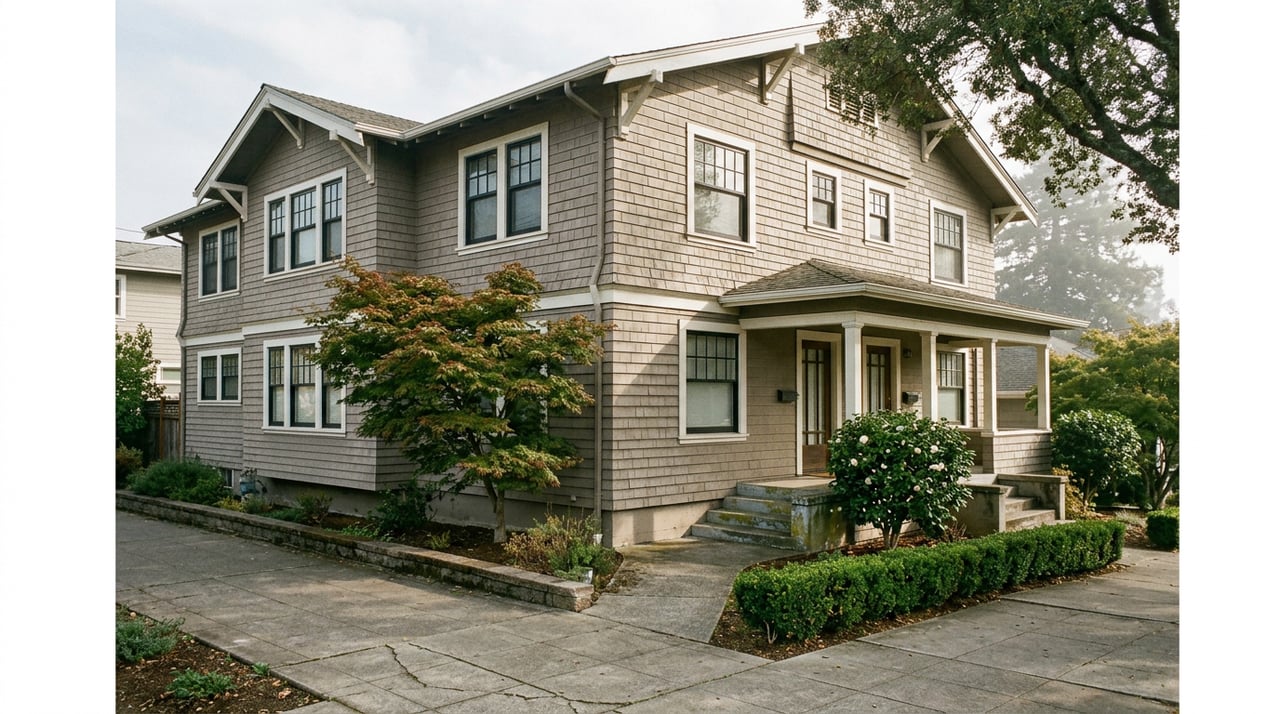
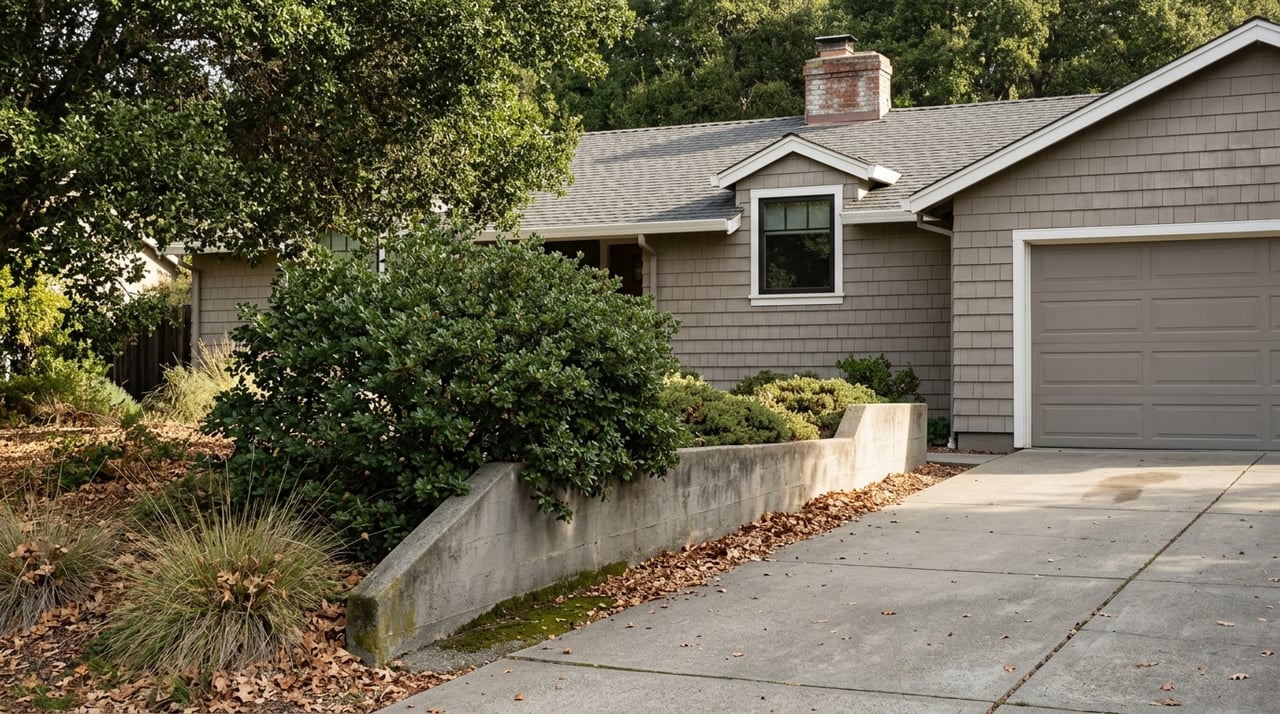
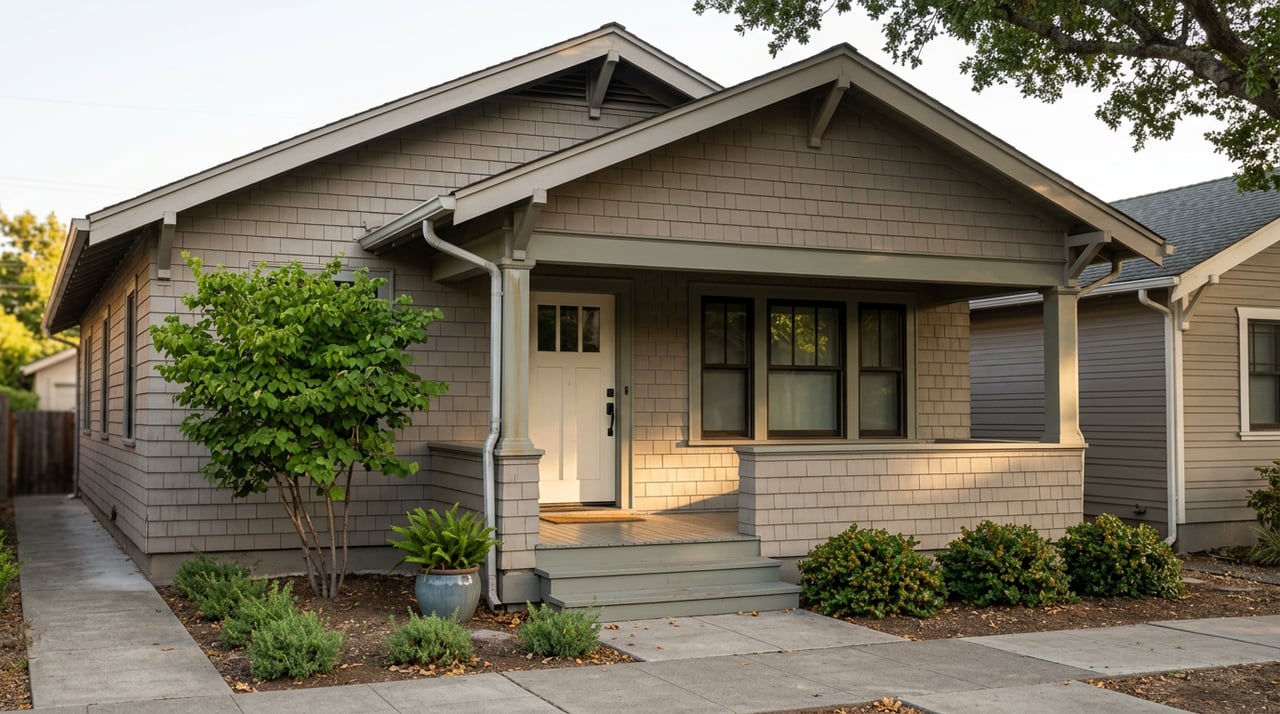
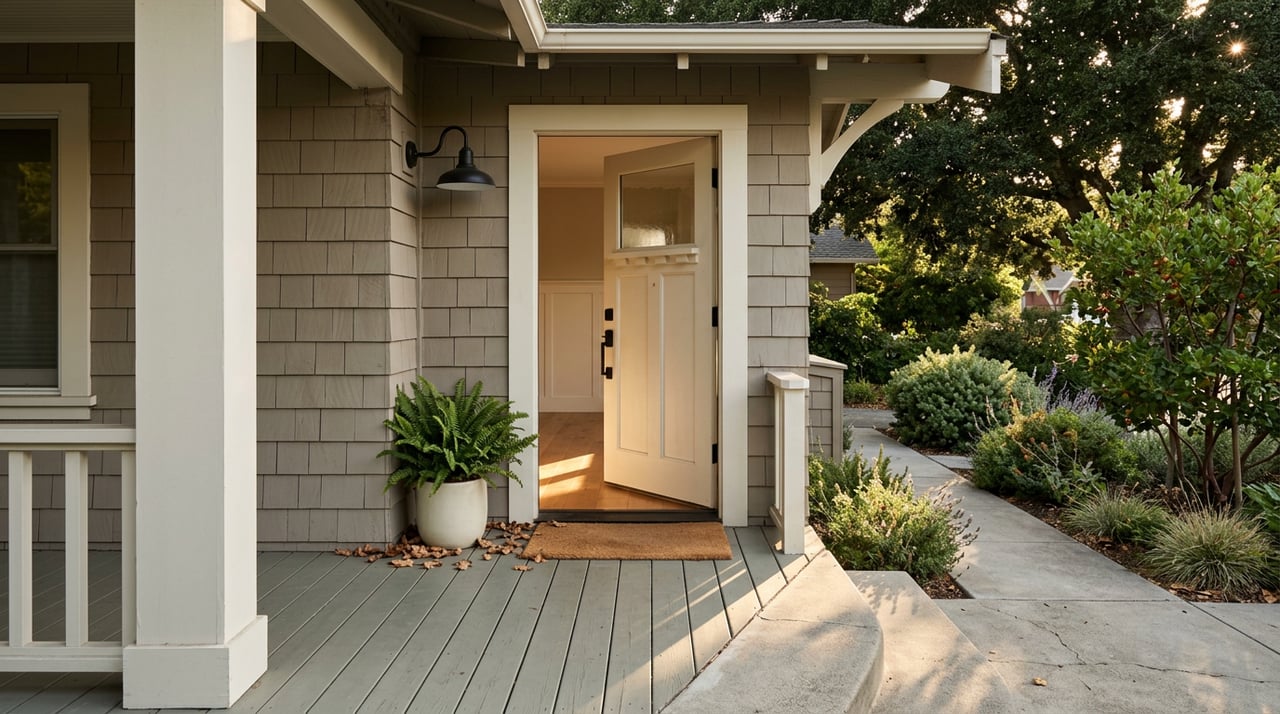
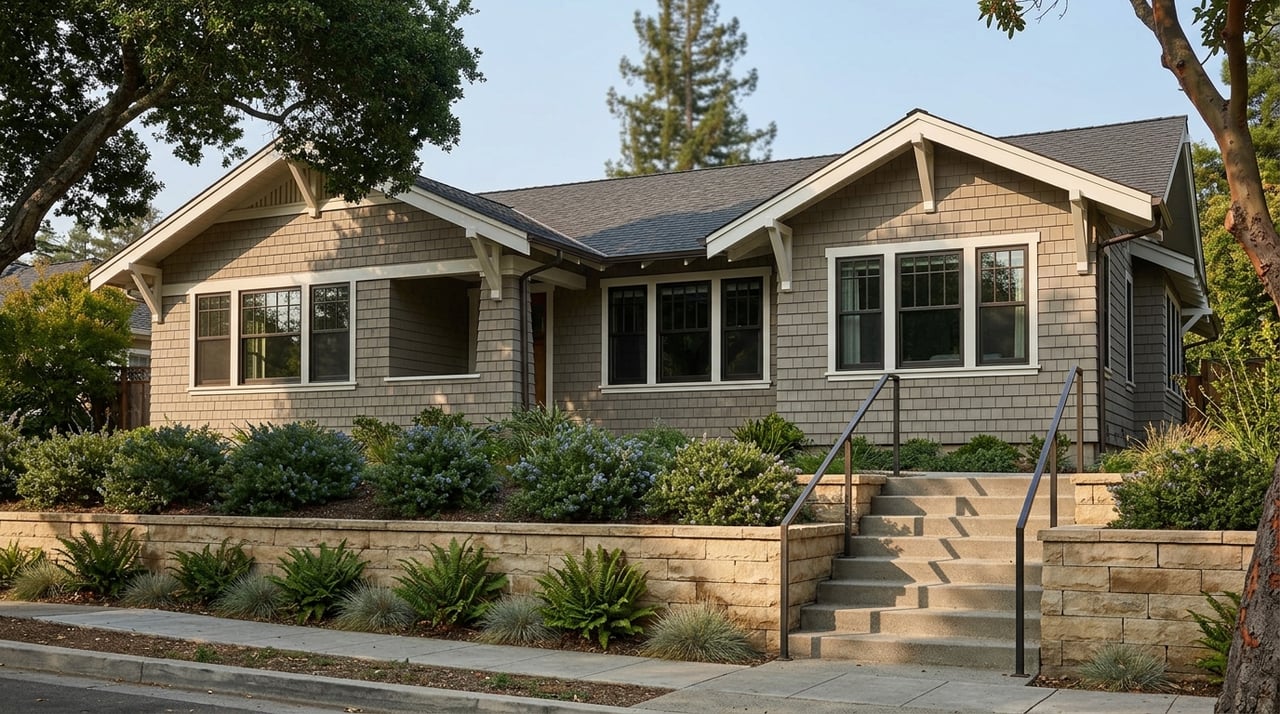
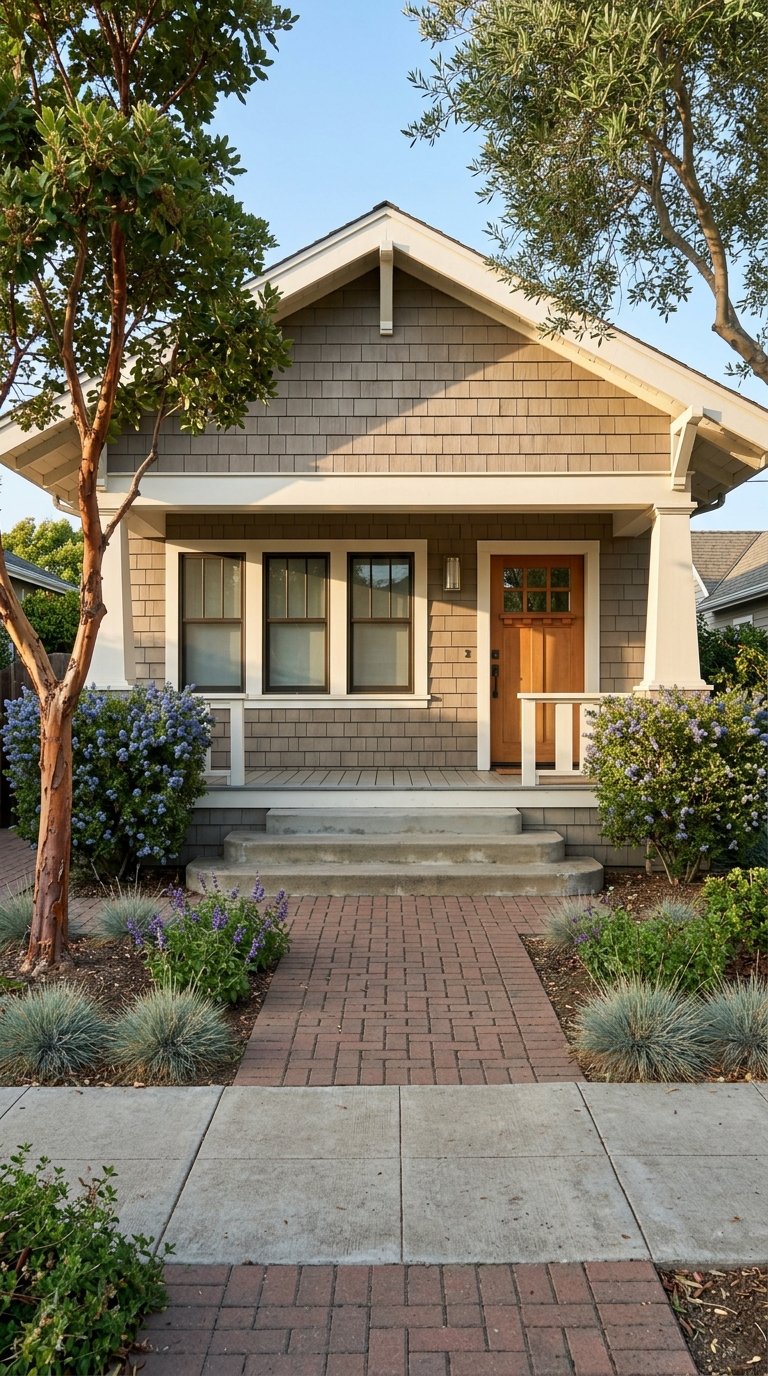
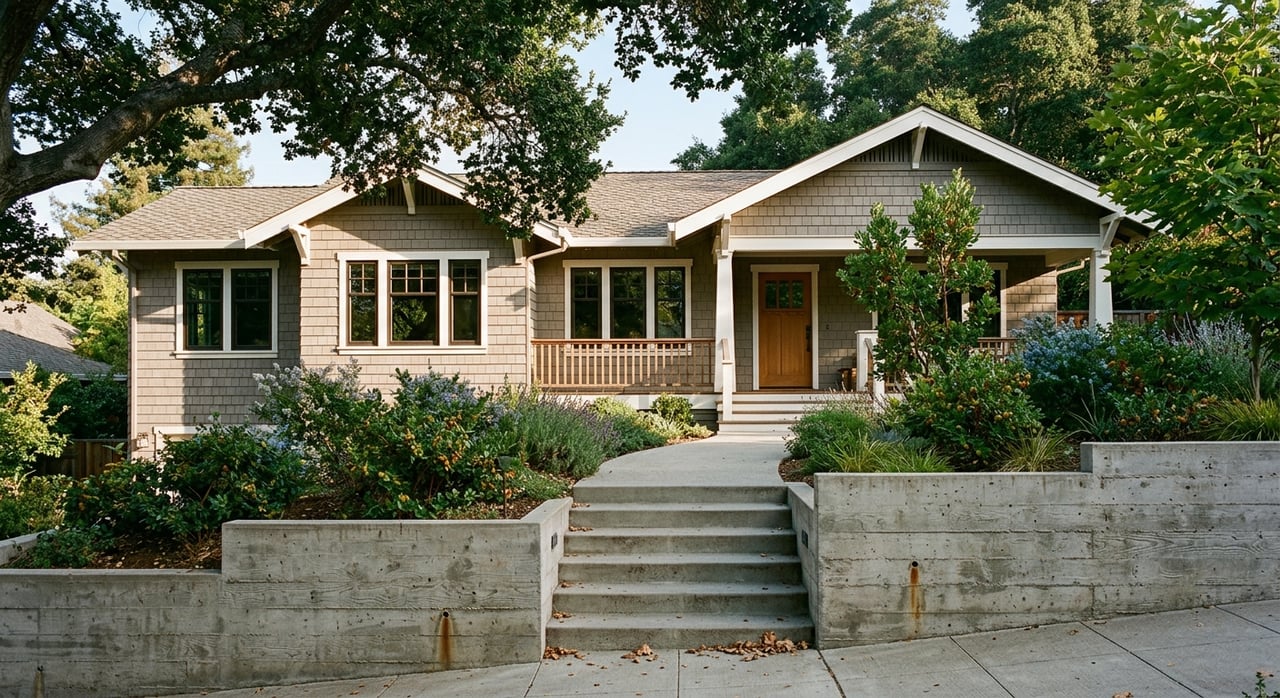
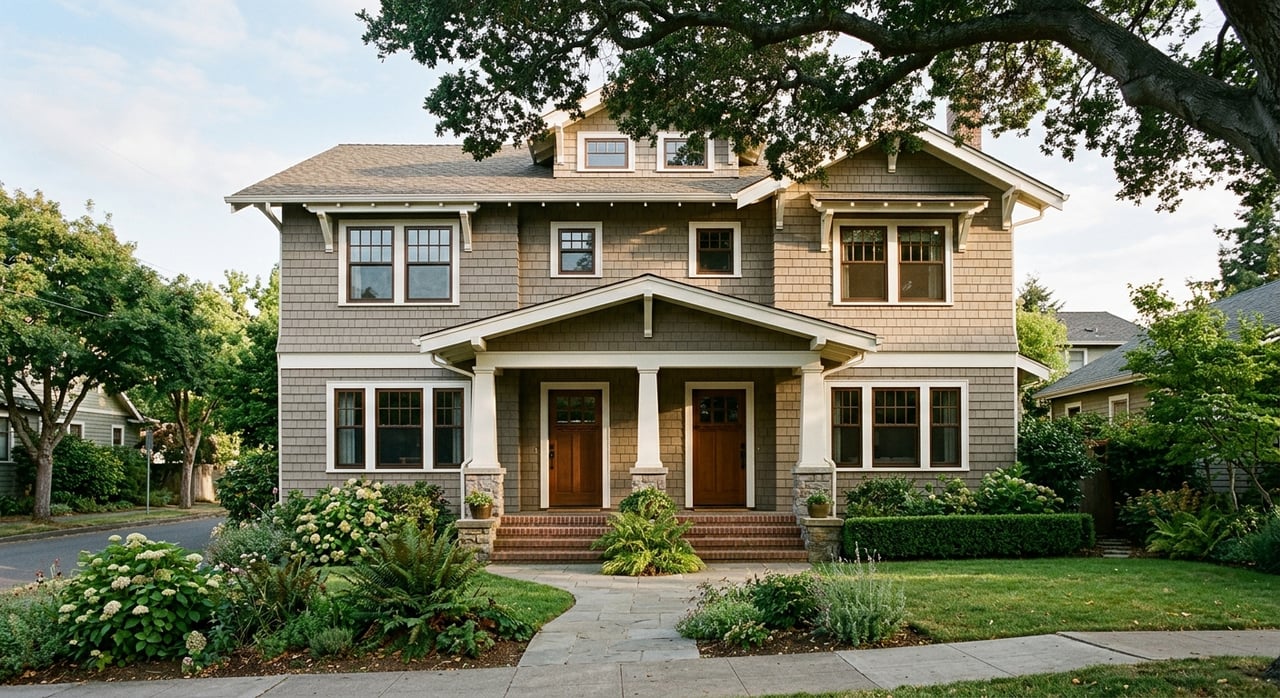
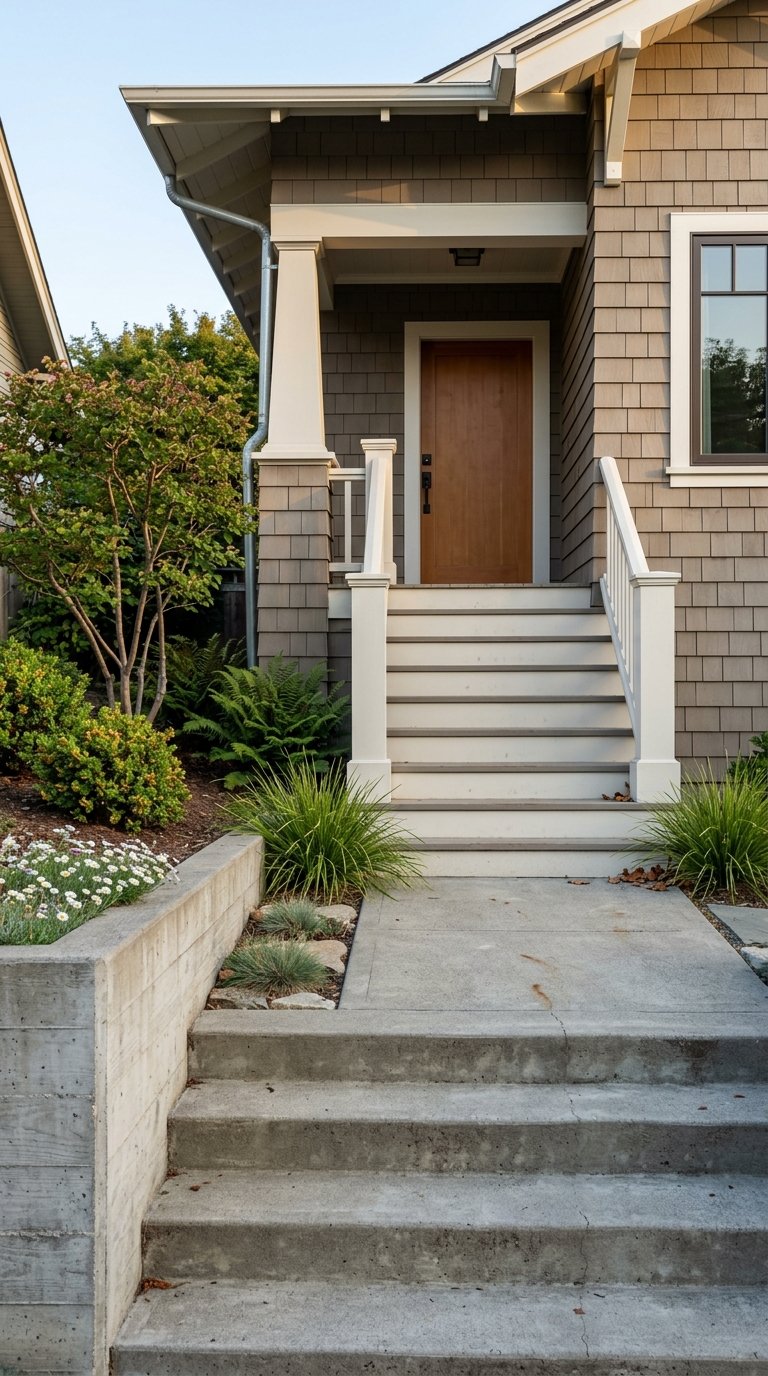
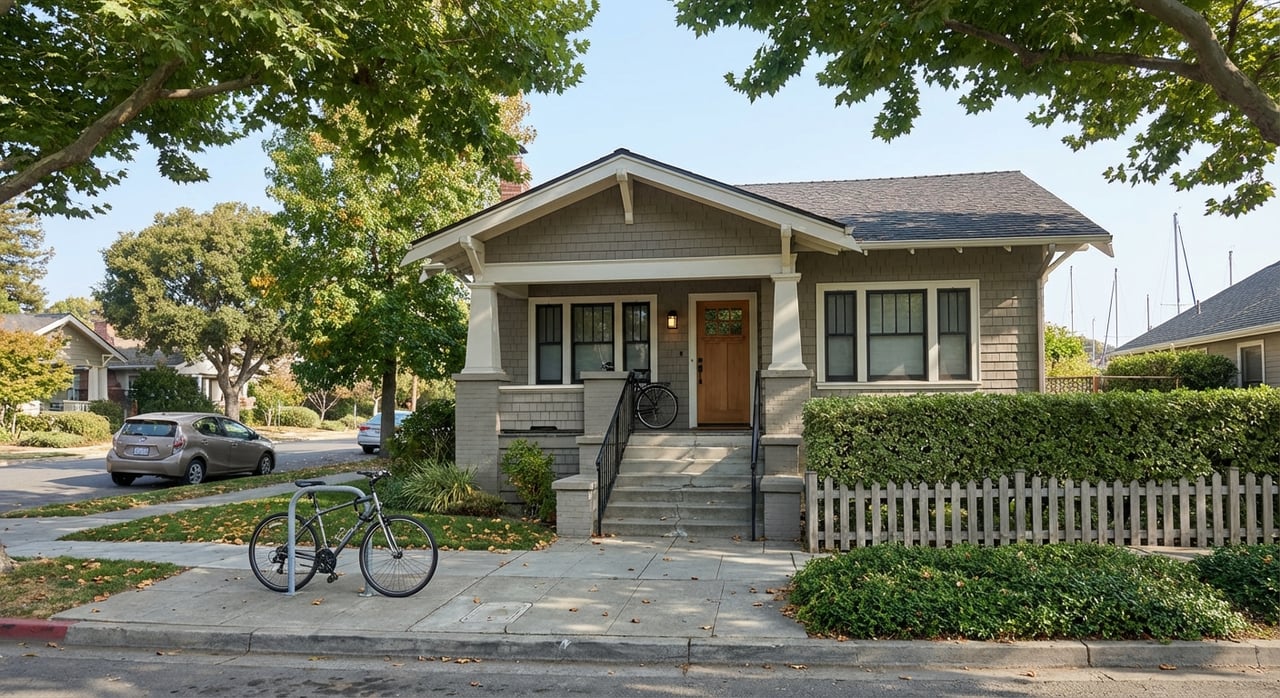
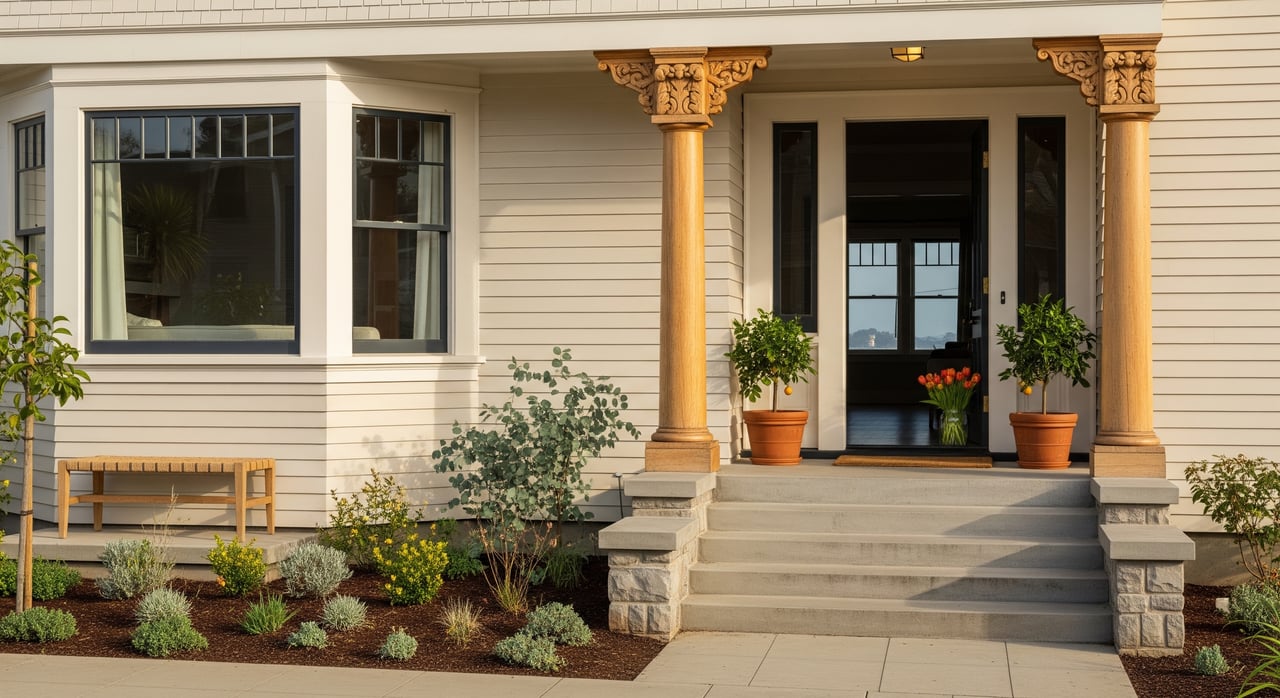
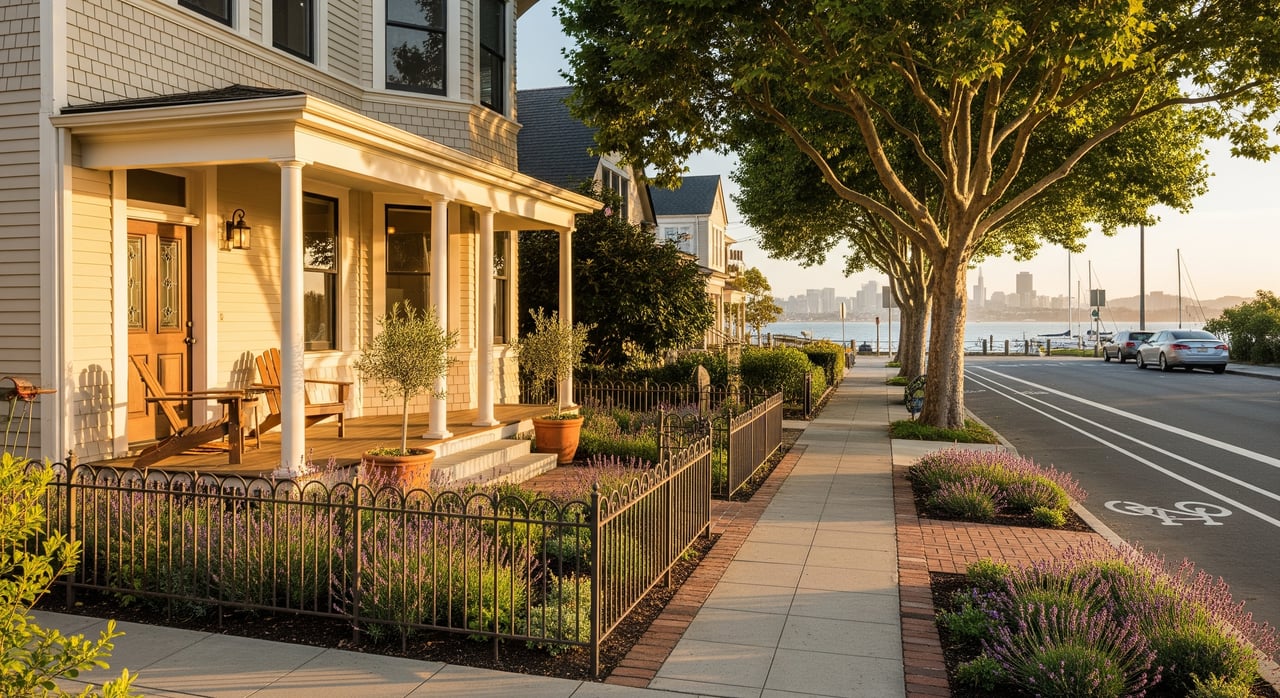
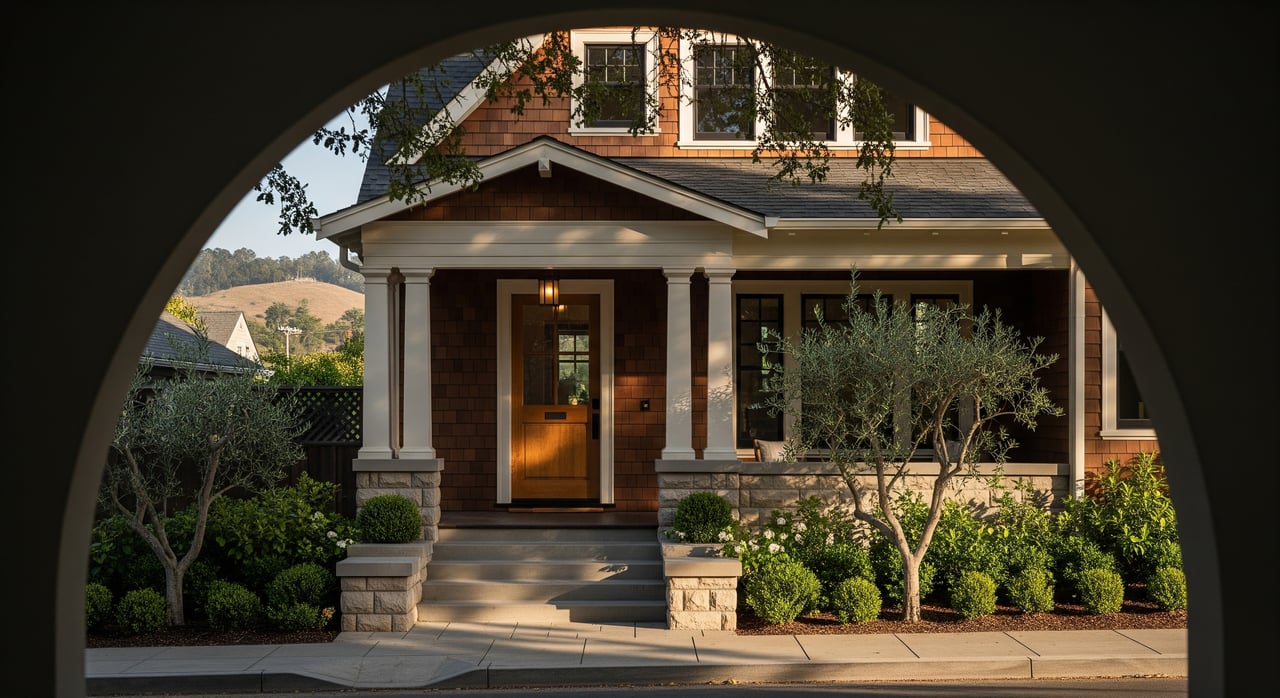
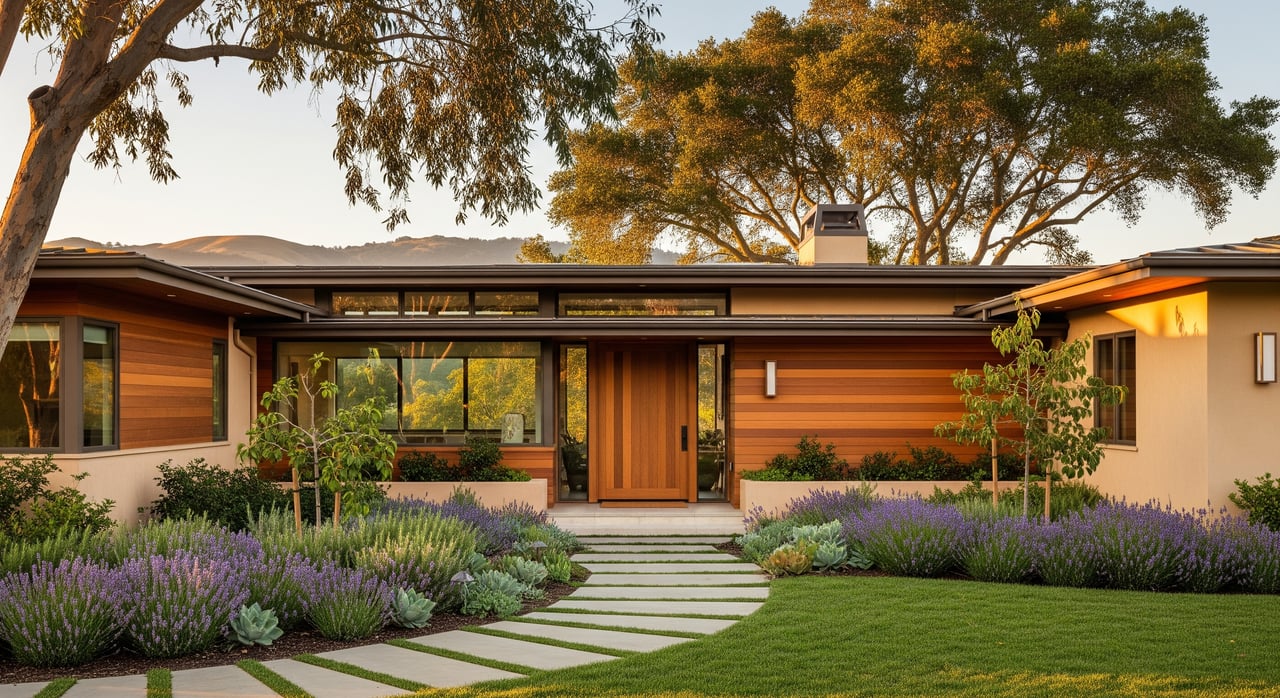
Your exterior is the first thing buyers see, both in listing photos and when they arrive for a showing. A home that looks maintained from the street can create instant confidence before a buyer even steps inside.
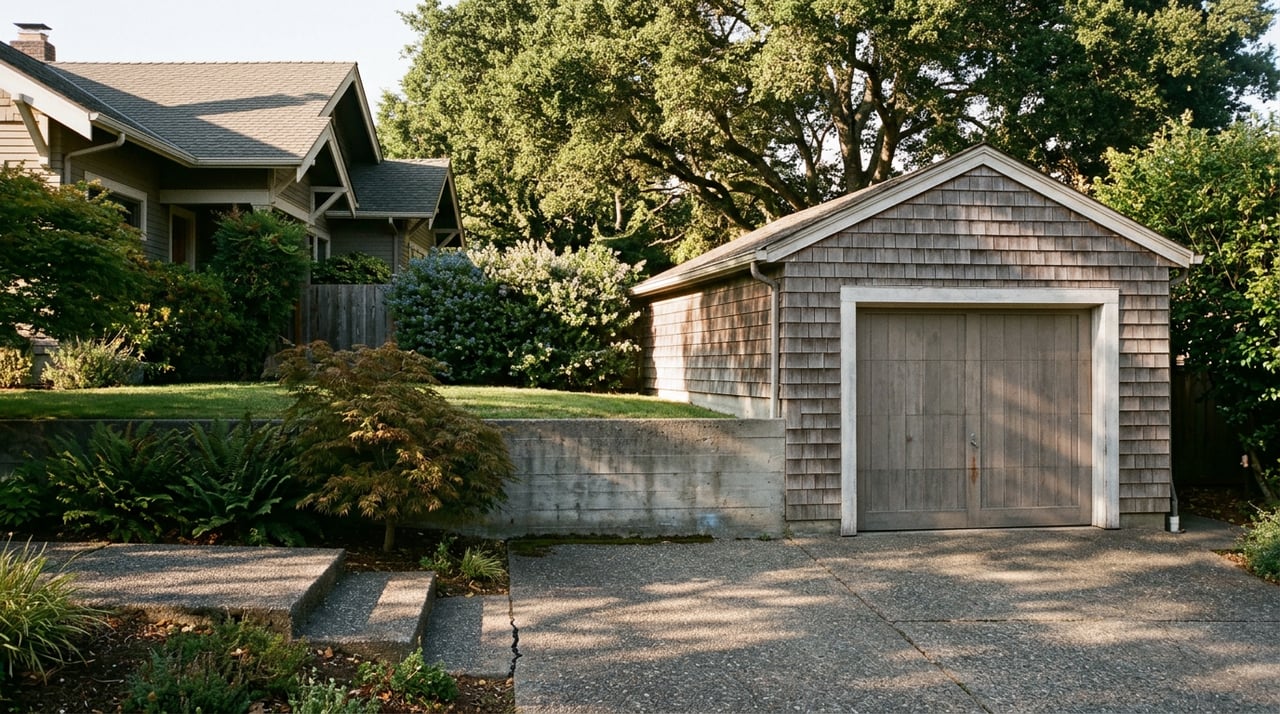
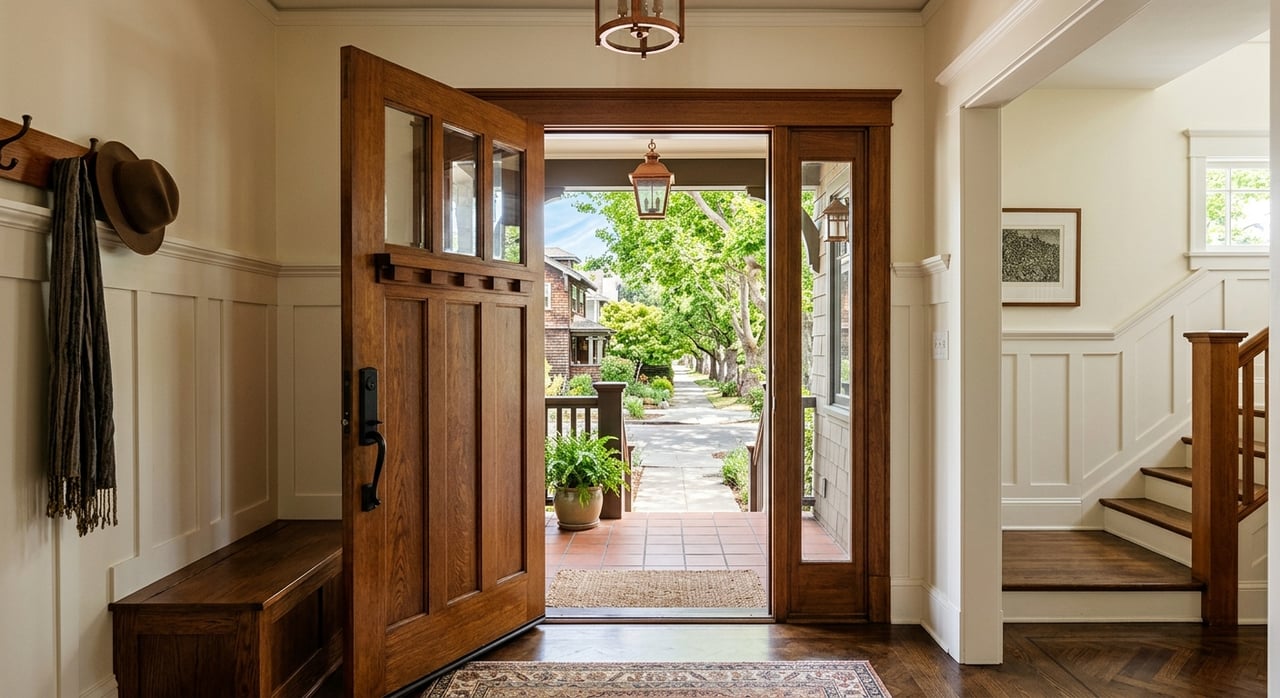
The safest pre-list updates often include pressure washing, exterior paint touch-ups, a refreshed front door, updated house numbers, improved lighting, and a neat garage face. National Cost vs. Value data shows strong recoup rates for garage door replacement and steel entry door replacement, which supports the value of focused entry and facade improvements.
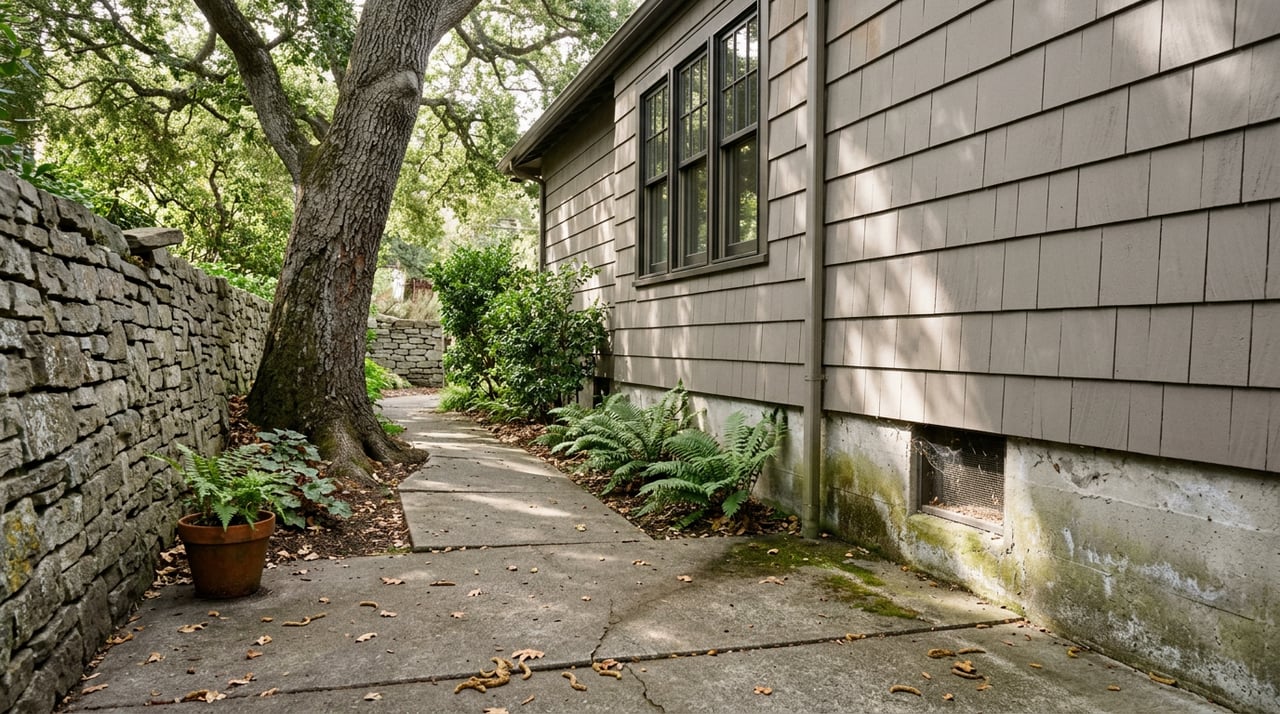
If your landscaping feels overgrown, cleanup is usually a smart move. In Castro Valley, selective pruning and yard tidying are often easier and faster than tree removal, especially because Alameda County requires a special permit to remove trees in unincorporated communities, including Castro Valley.
Kitchens and baths benefit from restraint
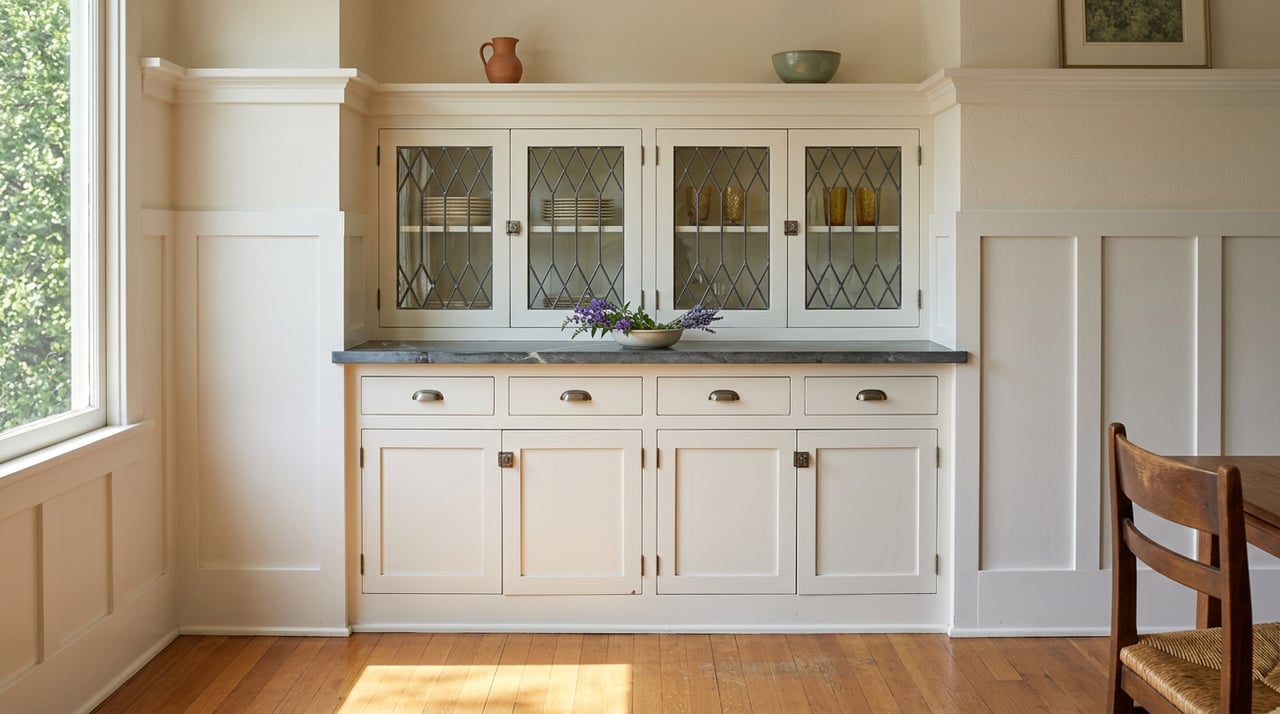
Kitchens and bathrooms influence buyer perception, but that does not mean you need a full renovation. In fact, selective cosmetic work often makes more financial sense than a major overhaul.
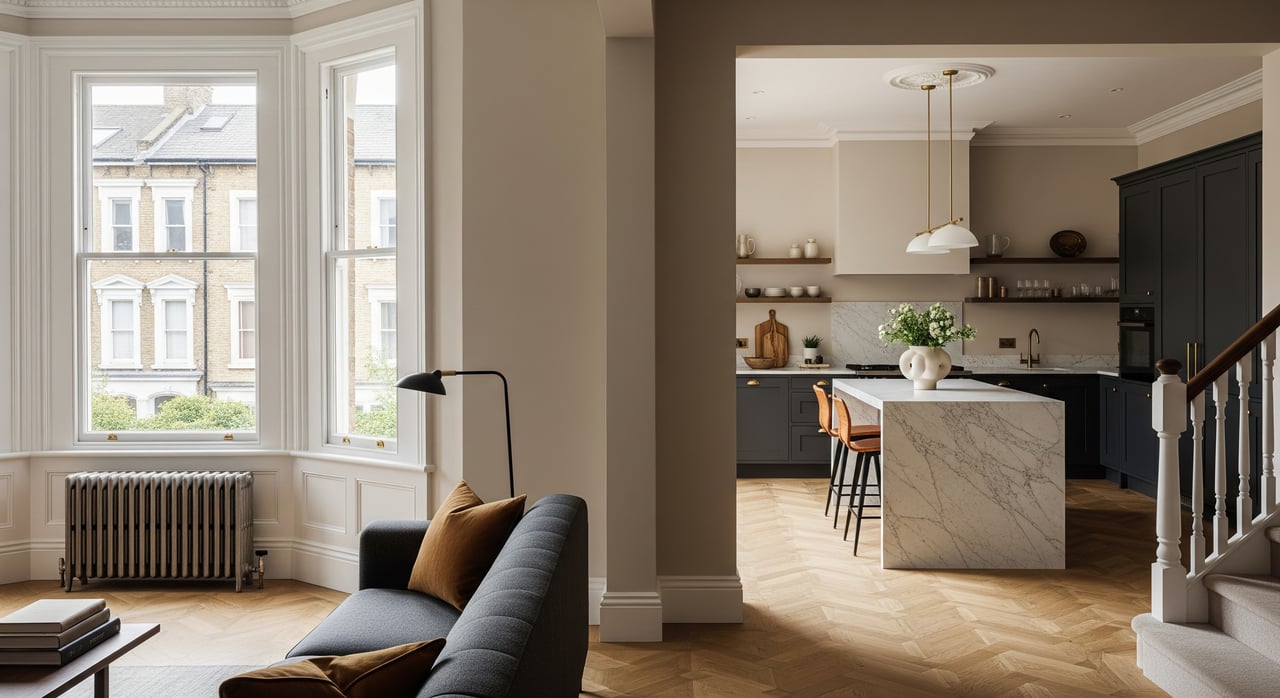
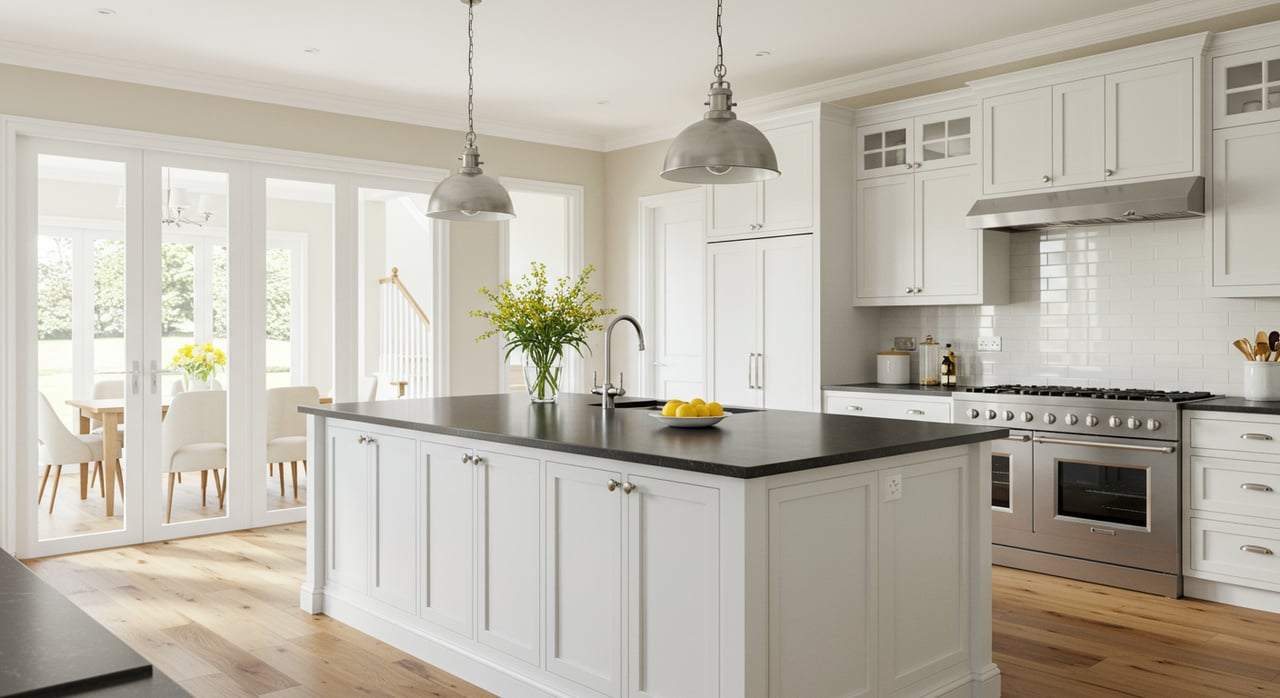
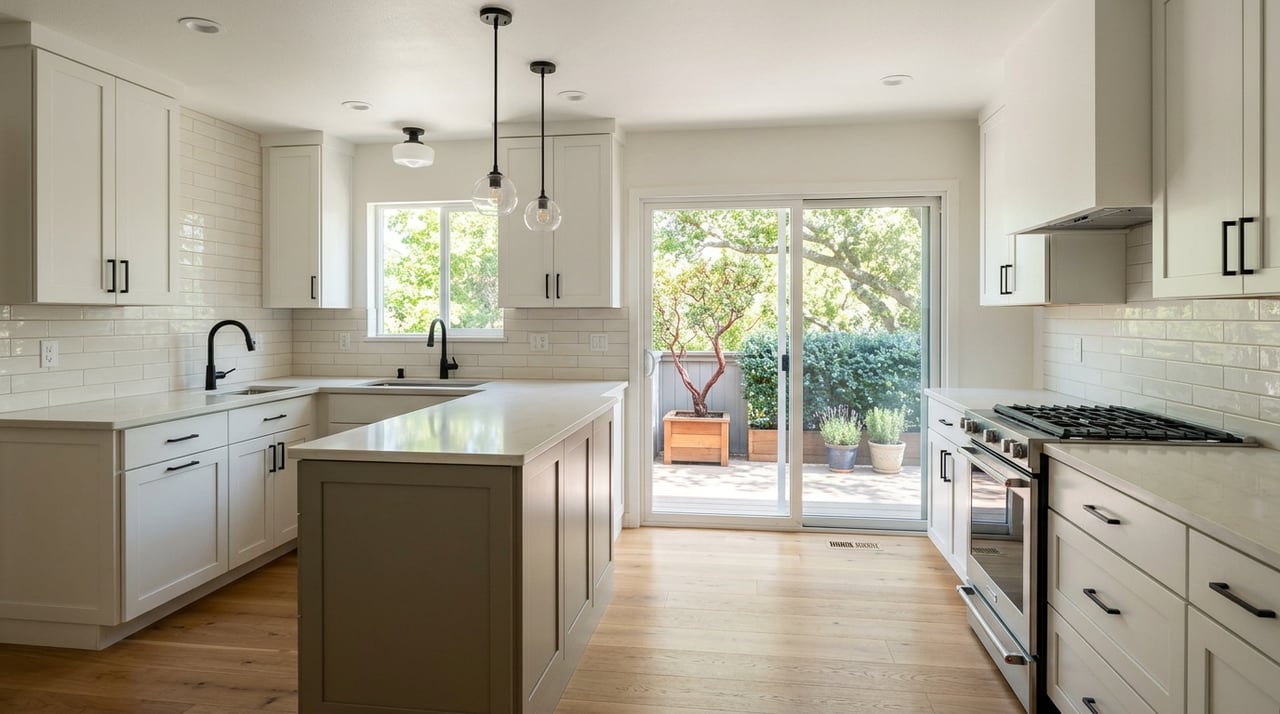
A minor kitchen remodel recoups far more, on average, than a major kitchen remodel. The same pattern shows up in baths, where midrange updates perform better than upscale reinventions. For sellers, that usually points to paint, new hardware, updated lighting, refreshed counters, improved faucets, new mirrors, or cabinet refacing.
These updates help a home feel current without locking you into a long timeline or oversized budget. In a market like Castro Valley, buyers often respond well to fresh, neutral, functional spaces that feel ready to enjoy.
Flooring helps your home feel cleaner
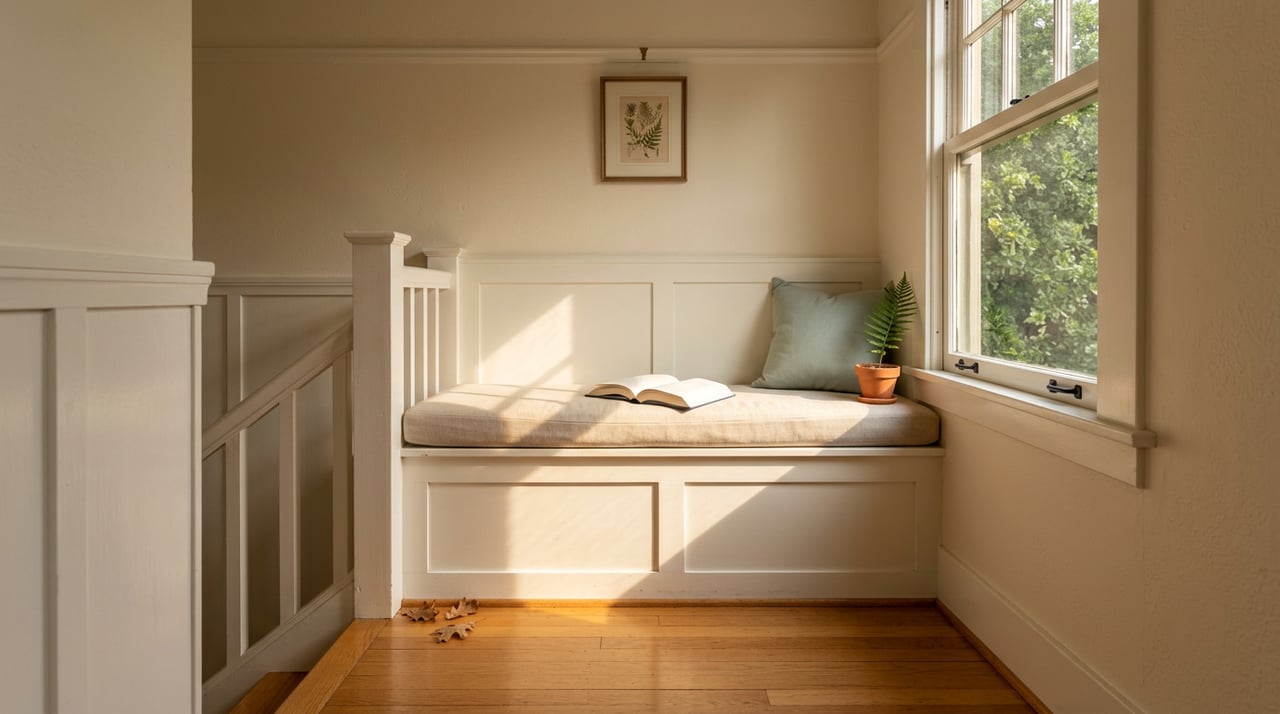
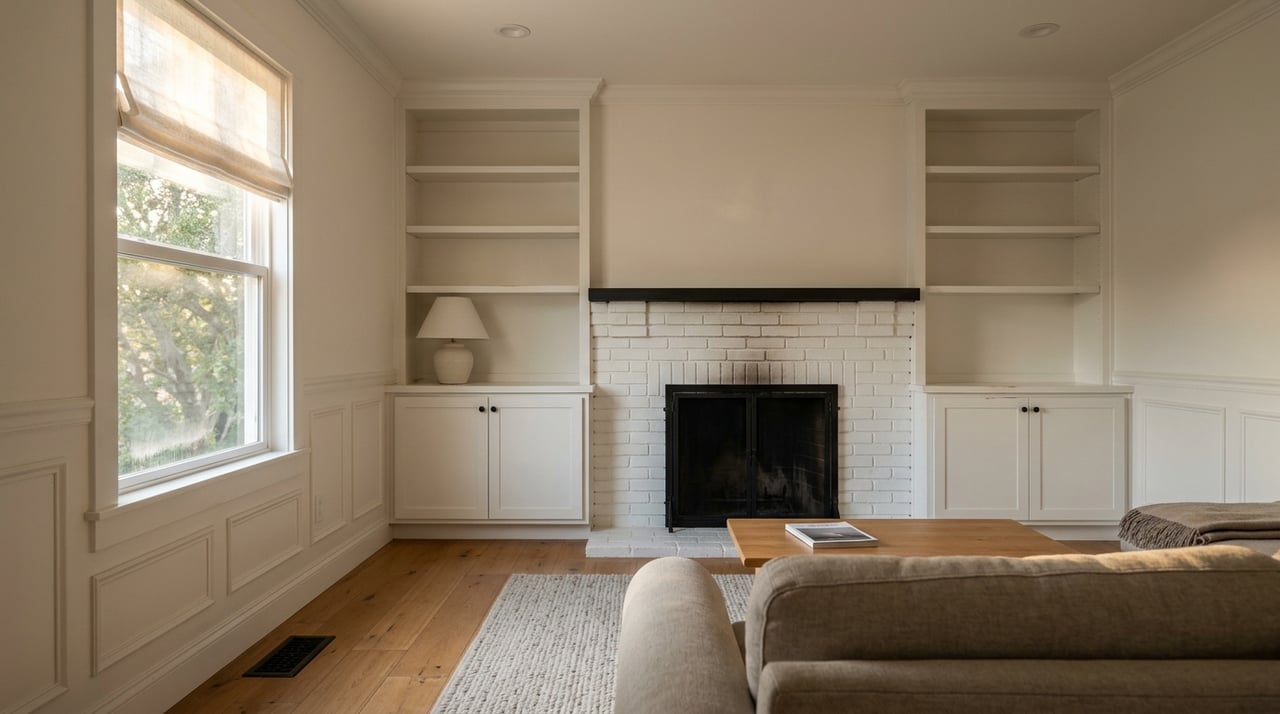
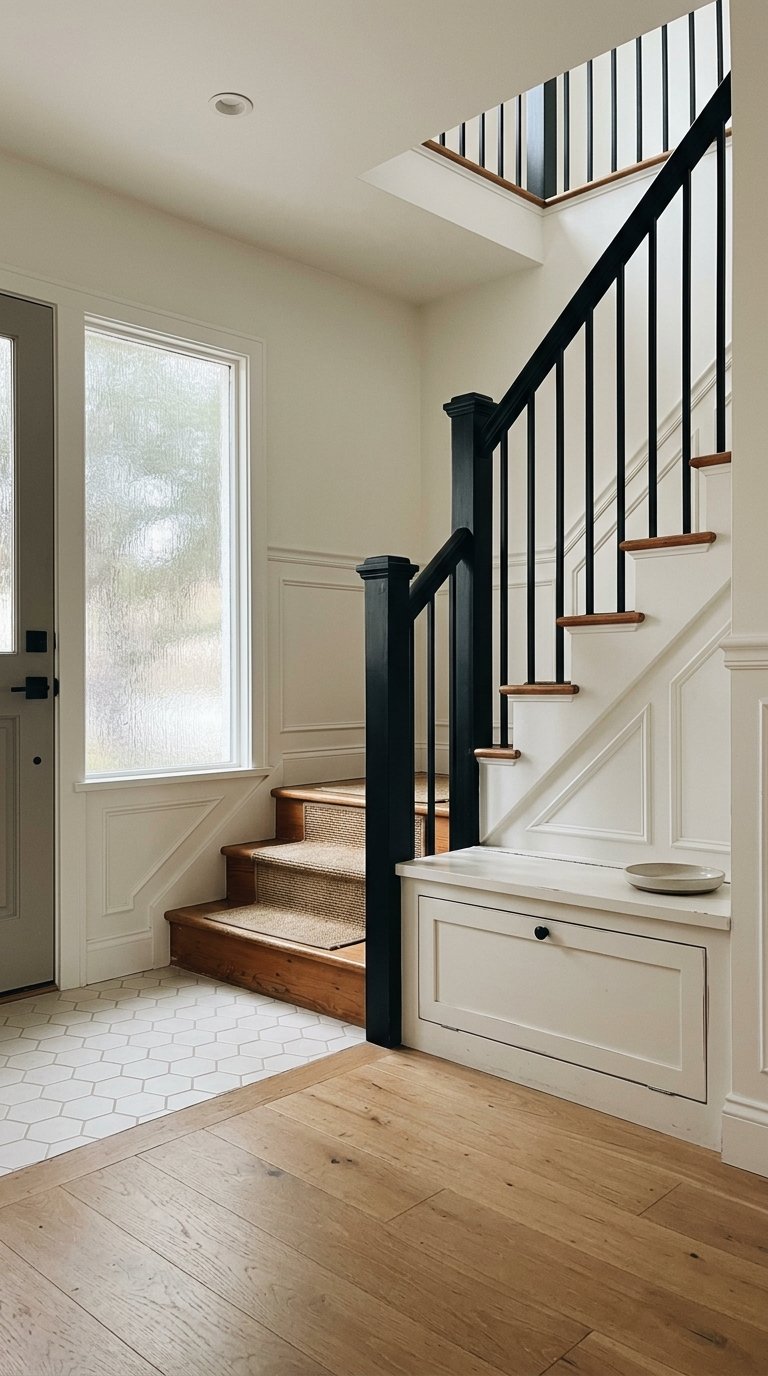
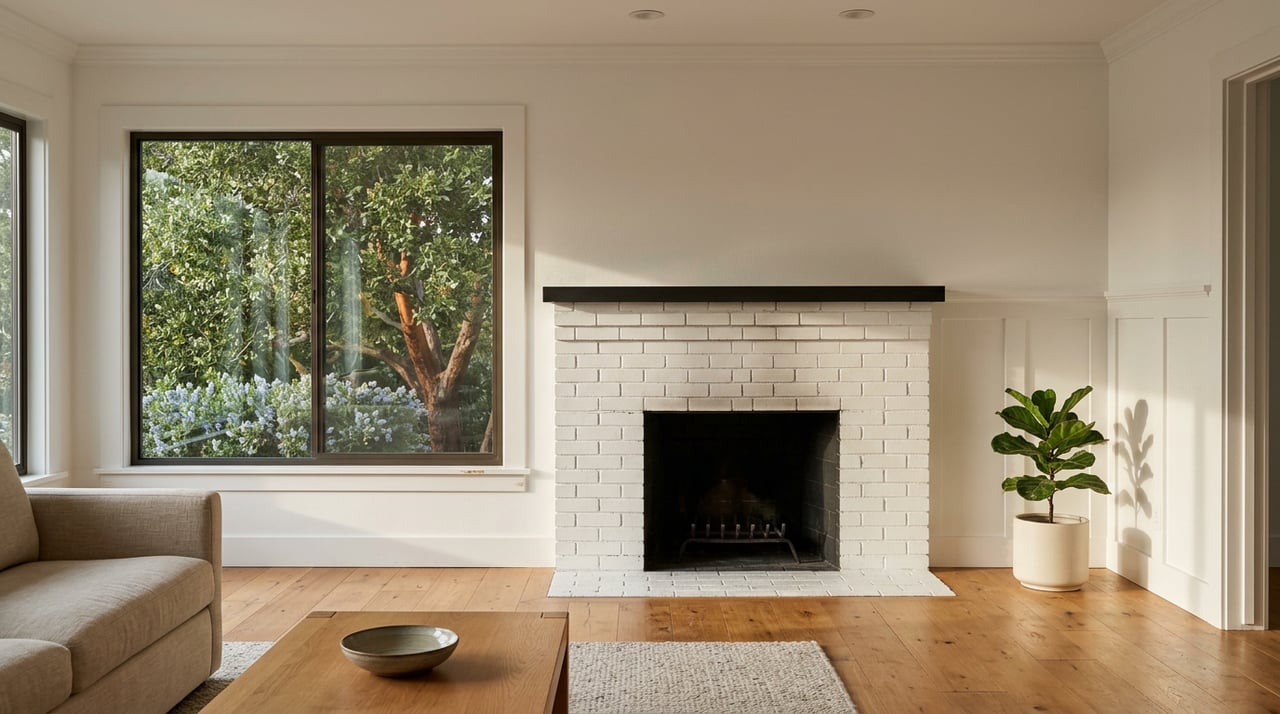
Flooring has a strong visual impact because it connects one room to the next. Worn, mismatched, or heavily personalized floors can make the whole house feel less cohesive, even if the layout and location are strong.
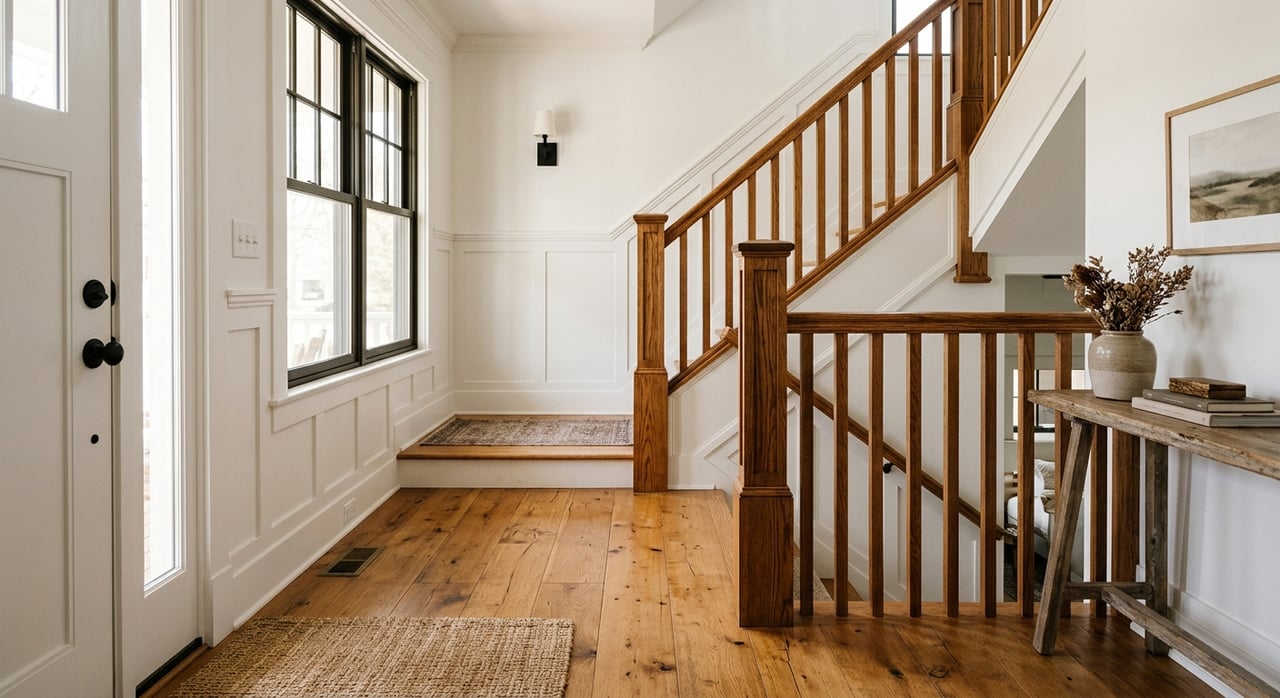
New wood flooring scored a 9.3 Joy Score in NAR’s remodeling research, which speaks to how strongly people respond to it. If full replacement is not needed, targeted repairs, deep cleaning, or refinishing may still improve the overall impression in photos and showings.
Staging often beats a bigger remodel
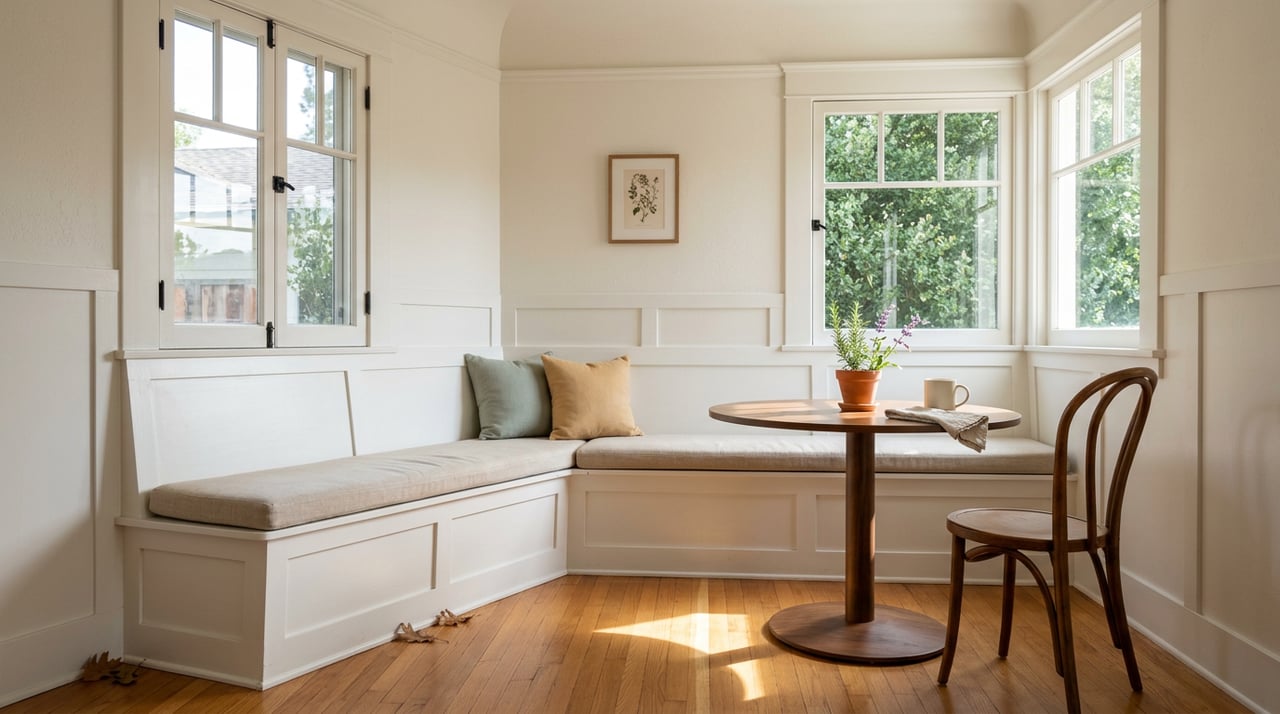
Once repairs and cosmetic refreshes are done, staging is often one of the most efficient places to spend. NAR found that 83% of buyers’ agents said staging makes it easier for buyers to visualize a property as a future home.
The most important rooms to stage are typically the living room, primary bedroom, and kitchen. With a median staging service cost of $1,500 in NAR’s survey, staging can be a practical way to elevate presentation without taking on a larger construction project.
For design-conscious East Bay buyers, this step can be especially important. A well-staged home helps buyers understand scale, flow, and how the spaces can live day to day.
Outdoor spaces should feel usable
Outdoor areas matter when buyers can picture themselves using them. That does not always mean building something new.
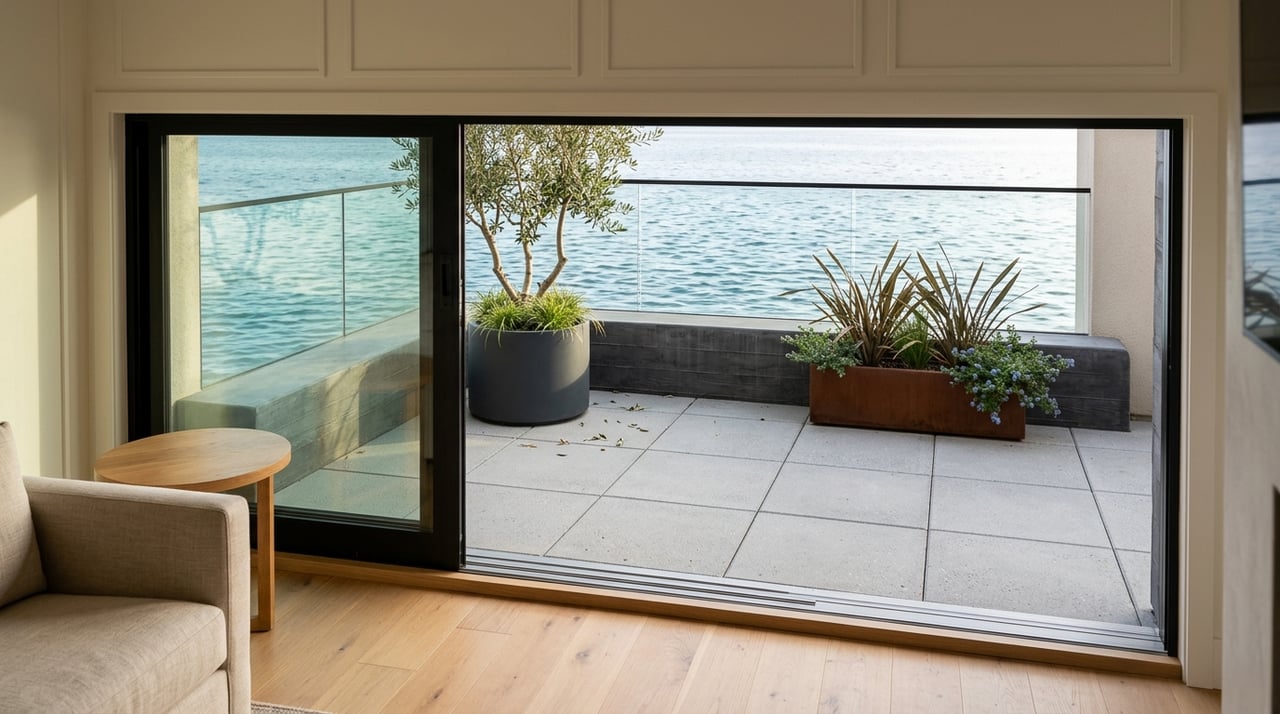
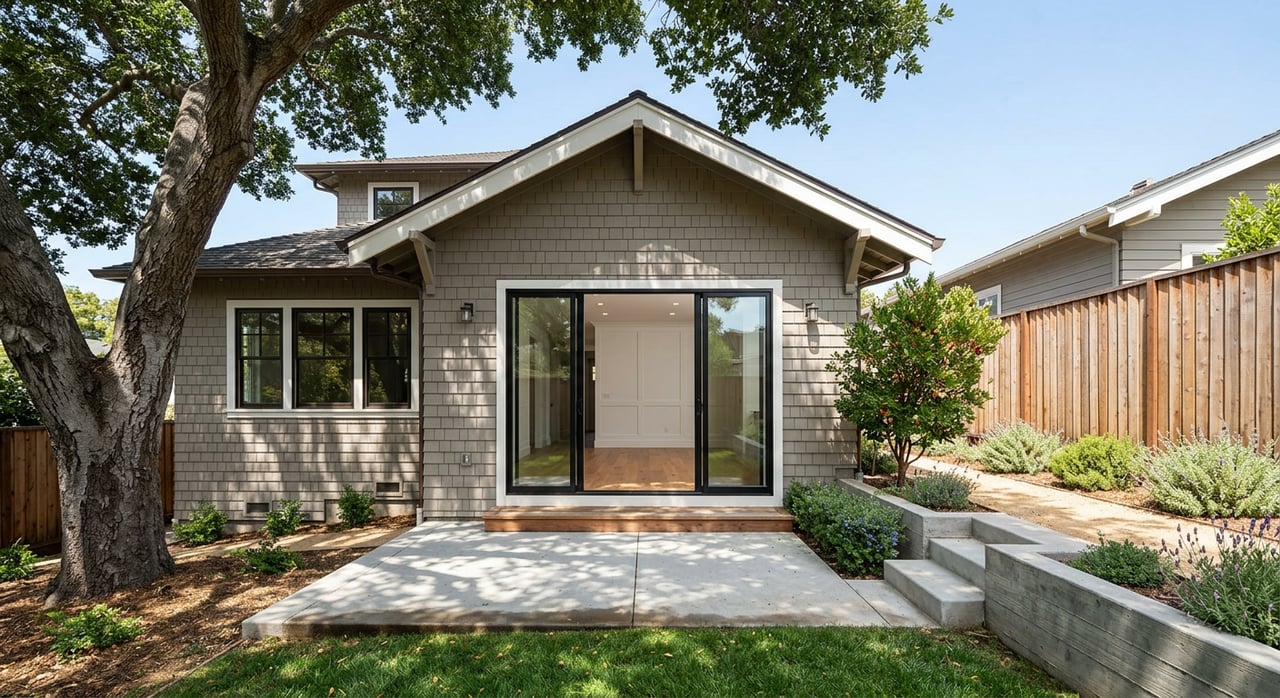
For many Castro Valley sellers, the better move is to repair, refinish, and lightly stage an existing deck or patio. A clean seating area, tidy surfaces, and a sense of function can go a long way. National recoup data for deck additions is respectable, but for pre-sale prep, refreshing what you already have is often the more efficient choice.
What sellers should usually skip
Not every project adds value in a resale timeline. Some upgrades are worth doing for long-term enjoyment, but they are less compelling if your main goal is maximizing sale proceeds.
Large additions and highly personalized luxury remodels are often the biggest risk. National Cost vs. Value data shows low recoup rates for primary suite additions and bathroom additions, and major kitchen remodels also trail far behind minor kitchen updates.
That does not mean these projects are never useful. If your home has a true functional issue, or if nearby comparable homes clearly support a larger scope, a bigger investment may make sense. But in many cases, the better strategy is to avoid over-improving and focus on broad buyer appeal.
Other replacements, like roofing, windows, or siding, can still be worthwhile when there is visible wear or a condition problem. The key is to solve what feels tired or failing, not to assume every large replacement will fully pay you back.
Follow a smart prep sequence
The order of your pre-sale work matters almost as much as the work itself. A clear sequence helps you control costs, avoid delays, and focus on improvements that support your launch.
A practical seller-prep plan often looks like this:
- Agent walk-through
- Must-fix repairs
- Permit check
- Cosmetic refresh
- Staging
- Photos and launch
This process keeps your attention on safety, condition, and presentation before you spend on optional upgrades. It also helps you make decisions in context, based on your home, your timeline, and the current Castro Valley market.
Check permits before bigger work
If your pre-sale prep goes beyond cosmetic improvements, permit review matters. Castro Valley is unincorporated, so Alameda County is the relevant local authority for planning and permit history.
Alameda County allows owners to search building permit history by address. California building code requires permits before work that constructs, alters, repairs, or replaces regulated electrical, gas, mechanical, or plumbing systems. If you are considering more than paint, fixtures, or surface-level updates, it is wise to confirm what is already on record and what may require review before work begins.
This step can help you avoid surprises during disclosure and escrow. It can also keep your prep plan moving without last-minute corrections.
Focus on broad appeal, not personal taste
The most effective seller updates usually make your home feel brighter, cleaner, and easier to understand. They reduce distractions and help buyers connect with the space quickly.
In Castro Valley, that often means choosing a clean, universally appealing version of your home rather than chasing every possible upgrade. When homes move quickly and buyers are comparing condition closely, the goal is not to create the most expensive house on the street. The goal is to present your home as well-maintained, inviting, and easy to say yes to.
A strong listing strategy combines smart prep, disciplined spending, and polished marketing. If you want help deciding which updates are worth it before you sell, Annie Tegner can help you build a design-forward, ROI-conscious plan for your Castro Valley home.
FAQs
What home updates add the most value before selling in Castro Valley?
- The most strategic updates are usually curb appeal improvements, entry and garage refreshes, selective kitchen and bath cosmetic updates, flooring improvements, and staging.
Should you remodel your kitchen before selling a Castro Valley home?
- A minor kitchen refresh is usually a better resale play than a major remodel, especially when the goal is to improve appearance without overspending.
Do you need permits for pre-sale work in Castro Valley?
- If the work goes beyond cosmetic touch-ups and affects regulated systems or other permitted work, you should check Alameda County permit requirements and permit history before starting.
Is tree removal allowed during pre-listing cleanup in Castro Valley?
- Tree removal in unincorporated Alameda County, including Castro Valley, requires a special permit, so pruning and general landscape cleanup are often simpler pre-sale options.
Is staging worth it for a Castro Valley home sale?
- Staging is often worth considering because it helps buyers visualize the home, strengthens photos and marketing, and can be more efficient than a larger remodel once repairs are complete.