Trying to choose between Castro Valley and San Leandro for your first home? You are not alone. Many East Bay buyers end up comparing these two areas because they offer very different tradeoffs in price, home style, and day-to-day convenience. If you are weighing budget, commute, and what kind of home feels realistic for your first purchase, this guide will help you sort through the differences with more confidence. Let’s dive in.
Start With the Price Gap
For most first-time buyers, the biggest difference shows up right away in the numbers. Current home values and sale prices point to Castro Valley as the more expensive option by a wide margin.
Zillow’s home value index puts Castro Valley at $1,123,767 and San Leandro at $814,043. That is a gap of about $309,724, or roughly 38%. Redfin’s recent median sale prices tell a similar story, with Castro Valley at $1,192,286 and San Leandro at $870,479.
That does not automatically make one area better than the other. It means your budget may stretch differently depending on where you buy. If you want more entry points at a lower price, San Leandro may give you more flexibility. If you are focused on a detached-home-first setting and are prepared for a higher price point, Castro Valley may feel more aligned.
Compare Competition and Timing
Both markets move quickly, so it helps to be realistic about pace. You may not have long to decide once the right home appears.
Redfin reports that homes in Castro Valley receive about 6 offers on average and sell in around 12 days. In San Leandro, homes receive about 2 offers on average and sell in about 13 days. Zillow’s pending-time metric is also close, at roughly 12 days in Castro Valley and 15 days in San Leandro.
The takeaway is not that San Leandro is slow. It is still a fast-moving market. But Castro Valley appears tighter, which can matter if you want a little more room to compare options or if you are nervous about jumping into a multiple-offer situation right away.
Housing Options Feel Different
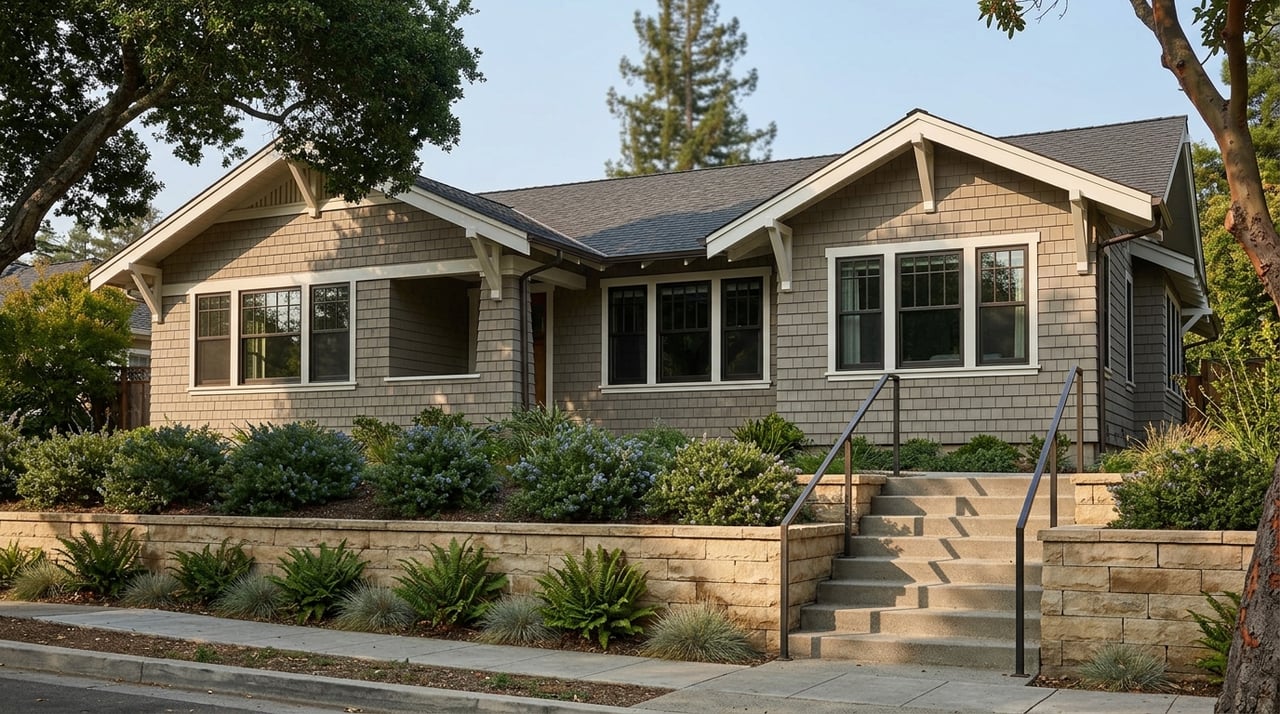
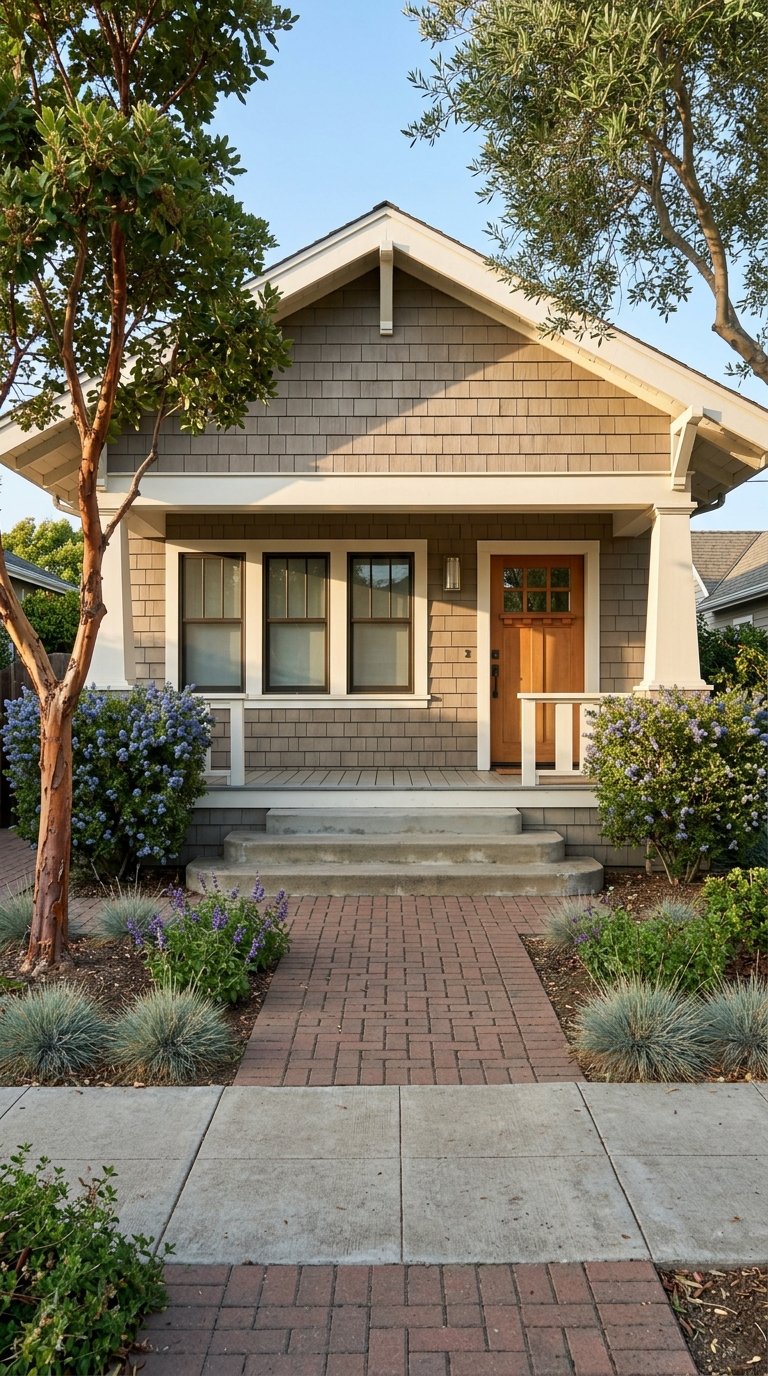
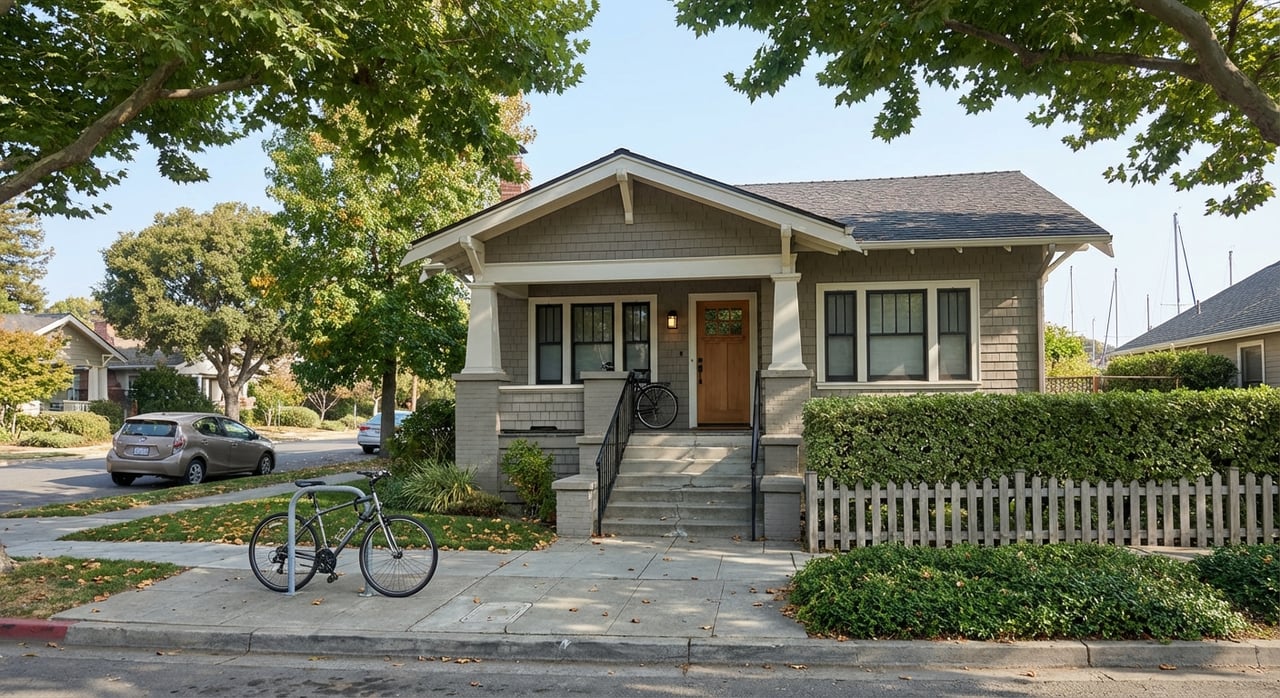
Castro Valley leans detached-home first
County planning materials describe Castro Valley as a largely suburban area where housing is the dominant land use. Single-family residential land use accounts for about 3,000 acres in the planning area, and the area was built largely from the 1950s to the present.
In practical terms, Castro Valley often reads as a detached-home-first market. Attached housing, multi-family units, townhouses, and mobile homes are present, but county materials note they are more concentrated near Castro Valley Boulevard, Redwood Road, and Grove Way.
If your picture of a first home is a more traditional detached house in a suburban setting, Castro Valley may match that vision more closely. The tradeoff is that you are usually paying more to get it.
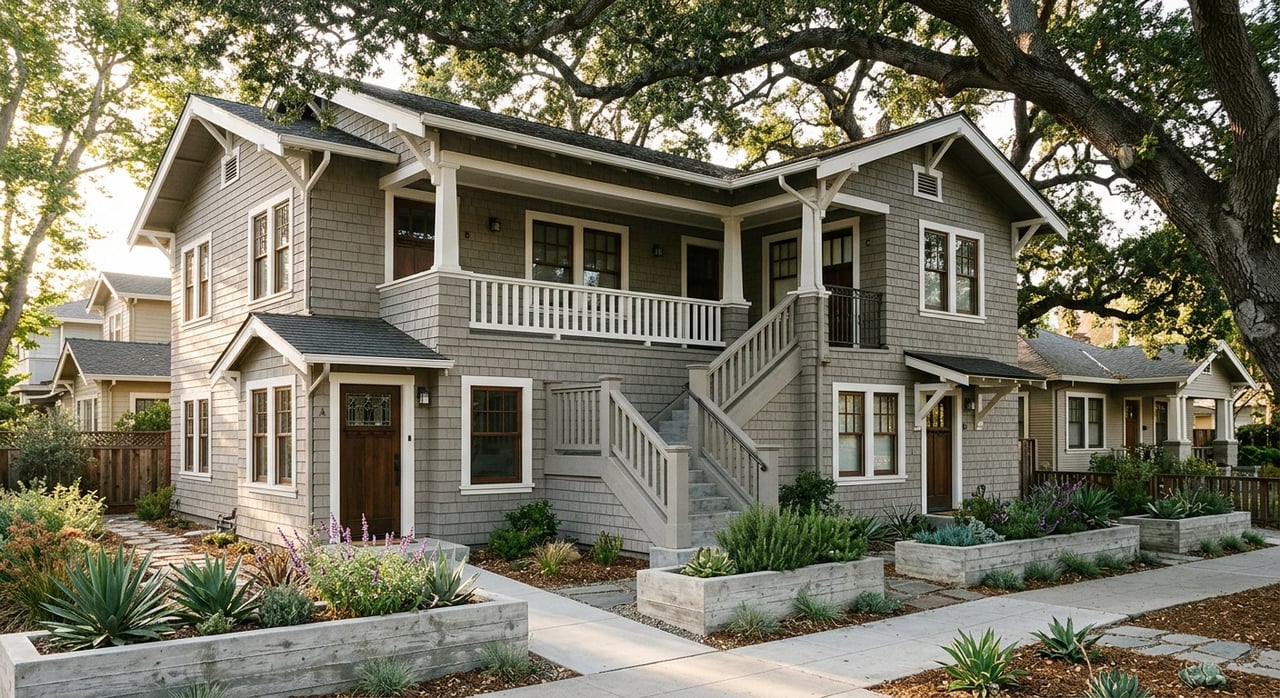
San Leandro offers more housing variety
San Leandro’s housing mix is broader. The city’s Housing Element says about 65% of occupied units are single-family homes, about 32% are multi-family, and about 3% are mobile homes.
That mix matters for first-time buyers because it often means more ways to enter the market. Condos, townhomes, and smaller attached homes may create options if a detached house feels out of reach. San Leandro’s planning framework also points to mixed-use and transit-oriented redevelopment in selected areas, including Bay Fair, which reinforces that more varied housing pattern.
The city’s housing stock is also older overall. More than 77% of current housing stock is over 40 years old, with major construction in the post-war 1940s and 1950s. For you, that can mean a wider mix of layouts, conditions, and update levels when touring homes.
Think About Your Commute First
For many first-time buyers, commute reality matters just as much as price. The day-to-day feel of getting around is one of the biggest differences between these two places.
Castro Valley is more car-oriented
Castro Valley sits near the junction of I-580 and I-238, with direct access ramps at Strobridge Avenue, Redwood Road, Center Street/Grove Way, and East Castro Valley Boulevard. Castro Valley Station is served by BART’s Dublin/Pleasanton to Daly City line.
This setup works well for buyers who expect to drive often or who are comfortable with a park-and-ride pattern. Redfin’s transportation scores reflect that feel, rating Castro Valley 40/100 for walkability and 27/100 for transit.
San Leandro gives you more transit choice
San Leandro is crossed by I-880 and I-580, with I-238 along the southern edge. It also has access to both San Leandro Station and Bay Fair Station, and those stations serve three BART lines.
That broader rail access can make a difference if you want more route options around the East Bay. AC Transit also directly connects these areas. Route 93 links Bay Fair BART and Castro Valley BART, and Route 35 connects Bay Fair BART, San Leandro BART, and Castro Valley.
Redfin scores San Leandro 65/100 for walkability and 46/100 for transit. That supports the general feel that San Leandro offers more transit and corridor choices for everyday movement.
Day-to-Day Convenience Feels Different Too
Where you buy is not just about the house. It is also about how errands, meals, transit stops, and weekend routines fit into your life.
Castro Valley has a smaller suburban center
Castro Valley’s Central Business District runs along Castro Valley Boulevard and Redwood Road. County planning materials describe it as a linear commercial corridor with small shopping centers and convenience centers, typically with surface parking.
The county expects future growth here to come through smaller infill projects that add retail, restaurants, services, and employment while preserving the area’s smaller-scale character. If you like a more suburban, car-oriented pattern for daily life, this may feel comfortable and straightforward.
San Leandro has a more mixed convenience pattern
San Leandro offers a more city-center convenience setup. Downtown includes a Wednesday farmers market from April through October, and the city notes about 3,000 paid public parking spaces downtown, along with a parking garage and short-term on-street parking options.
Bay Fair is another major convenience area. City planning and BART materials describe it as a transit-oriented development area planned for new homes, workplaces, neighborhood services, and public spaces.
For a first-time buyer, that can translate into more choices for living near transit, downtown activity, or mixed-use areas. It creates a different rhythm than Castro Valley’s more suburban commercial pattern.
A Simple Way to Decide
If you are stuck between these two places, it helps to strip the decision down to your top priorities. In broad terms, the comparison looks like this:
- Castro Valley: higher price, more detached-home-heavy, more car-oriented
- San Leandro: lower entry price, more housing variety, stronger transit and town-center convenience
That framing is useful because it keeps the question grounded in tradeoffs, not labels. The right fit depends on what matters most to you right now.
Questions to Ask Yourself
Before you start touring homes, think through a few practical questions:
- Do you want the widest possible range of starter-home options?
- Is your budget more comfortable closer to San Leandro’s current price levels?
- Are you hoping for a detached-home-first environment, even if it costs more?
- Will you rely heavily on BART or other transit?
- Do you prefer a more car-oriented suburban pattern or a more mixed urban-suburban convenience pattern?
- How much competition are you comfortable facing when you make offers?
Your answers can usually point you in the right direction faster than online browsing alone.
First-Time Buyer Bottom Line
If your main goal is getting into the market with more flexibility on price and housing type, San Leandro may be the easier starting point. The lower typical pricing, broader housing mix, and stronger transit access can open up more realistic first-home paths.
If you are willing to pay more for a market that feels more detached-home-focused and suburban in form, Castro Valley may be worth the stretch. It can be especially appealing if your home search centers on a traditional house-first setup and you are comfortable with a more car-oriented daily routine.
The best first home is not always in the place that sounds nicest on paper. It is the one that fits your budget, commute, and lifestyle without putting you under unnecessary stress. If you want help comparing specific homes, price points, and neighborhoods across the East Bay, Annie Tegner can help you make a smart, informed move.
FAQs
What is the typical home price difference between Castro Valley and San Leandro?
- Zillow’s current home value index shows Castro Valley at $1,123,767 and San Leandro at $814,043, which is a difference of about $309,724 or roughly 38%.
Which area is more competitive for first-time home buyers, Castro Valley or San Leandro?
- Redfin reports Castro Valley homes receive about 6 offers on average and sell in about 12 days, while San Leandro homes receive about 2 offers and sell in about 13 days, so Castro Valley appears more competitive overall.
Does San Leandro offer more starter-home options than Castro Valley?
- San Leandro’s Housing Element shows a broader mix of housing types, including 32% multi-family housing, which suggests more potential entry points through condos, townhomes, and other attached homes.
Is Castro Valley or San Leandro better for commuting around the East Bay?
- It depends on how you travel. Castro Valley is more freeway and park-and-ride oriented, while San Leandro offers access to San Leandro Station and Bay Fair Station, both served by three BART lines, plus direct AC Transit connections.
How do everyday convenience patterns differ between Castro Valley and San Leandro?
- Castro Valley centers more on a linear suburban commercial corridor along Castro Valley Boulevard and Redwood Road, while San Leandro has a more mixed convenience pattern around downtown and Bay Fair, including a farmers market, public parking, and transit-oriented planning areas.