If you are eyeing a duplex, triplex, or fourplex in NOBE, the biggest mistake is treating it like one simple market. NOBE sits at the edge of North Oakland, Berkeley, and Emeryville, and each city brings a different mix of renter demand, supply, and rent rules. If you want to invest with fewer surprises, you need more than a quick cap-rate glance. You need a practical way to screen the deal. Let’s dive in.
Why NOBE stands out
NOBE can appeal to small multifamily investors because it sits near major transit, employment links, and established renter demand. In North Oakland, MacArthur BART is a major transfer point near Temescal, while Emeryville offers the free Emery Go Round shuttle with BART connections and Amtrak access. Berkeley also adds a strong rental base tied to UC Berkeley, with 45,882 students shown in the city’s 2025 dashboard.
That renter base matters because Berkeley reported that 60% of households were renter-occupied, and the city said housing pipeline projects were generally concentrated near transit corridors and campus areas. In other words, this corridor benefits from the kind of location factors many renters value: access, convenience, and established housing demand.
NOBE is really three markets
One reason NOBE can be attractive is also what makes it tricky. You are not buying into one legal or operating environment. You are often comparing properties influenced by Oakland, Berkeley, or Emeryville rules, and those differences can affect cash flow more than buyers expect.
On the supply side, the broader Oakland metro showed tightening conditions in early 2025. According to the IPA Oakland multifamily report, vacancy fell to 4.8% in March 2025, only about 1,000 new units were expected in 2025 across the metro, and only about 250 units were expected in the Oakland-Berkeley submarket. The same report forecast average effective rent rising to about $2,652 in 2025 after two years of declines.
Berkeley’s own dashboard adds another layer. The city reported 1,687 housing units in the pipeline, with most located near transit and campus. That means your underwriting should account for both current demand and future supply, especially if you are buying near those development zones.
What small multi-unit stock looks like
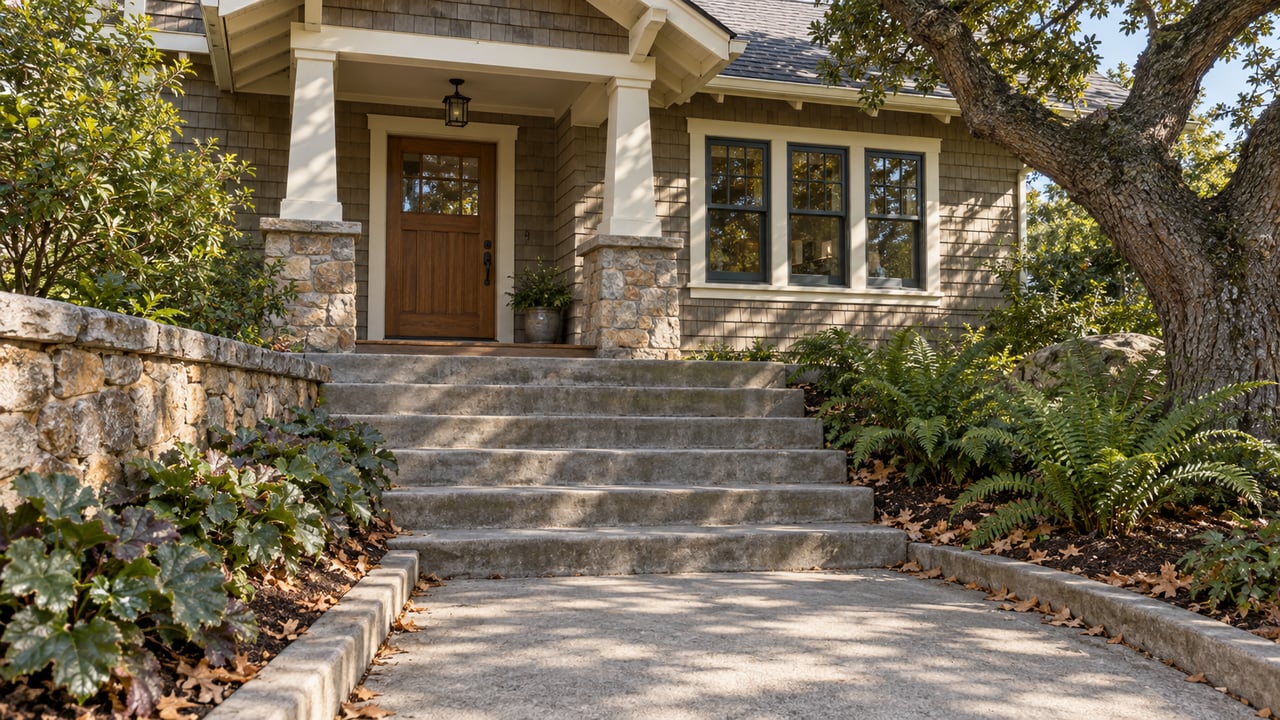
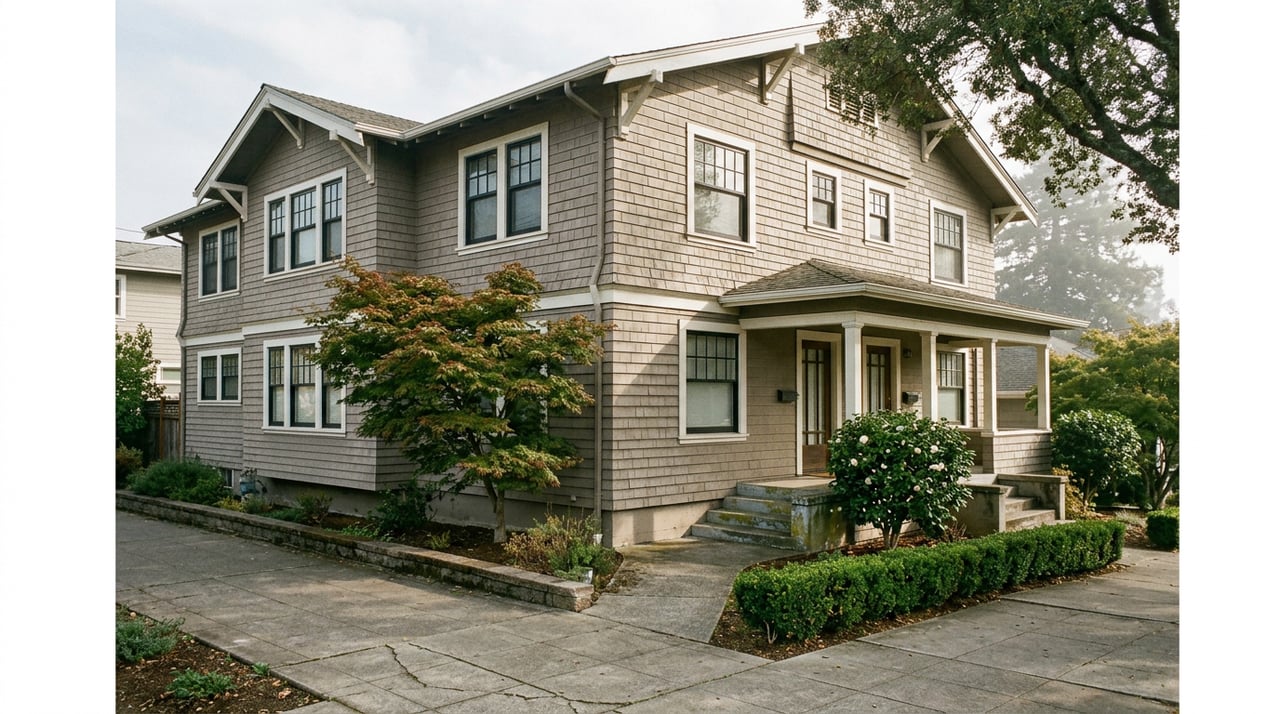
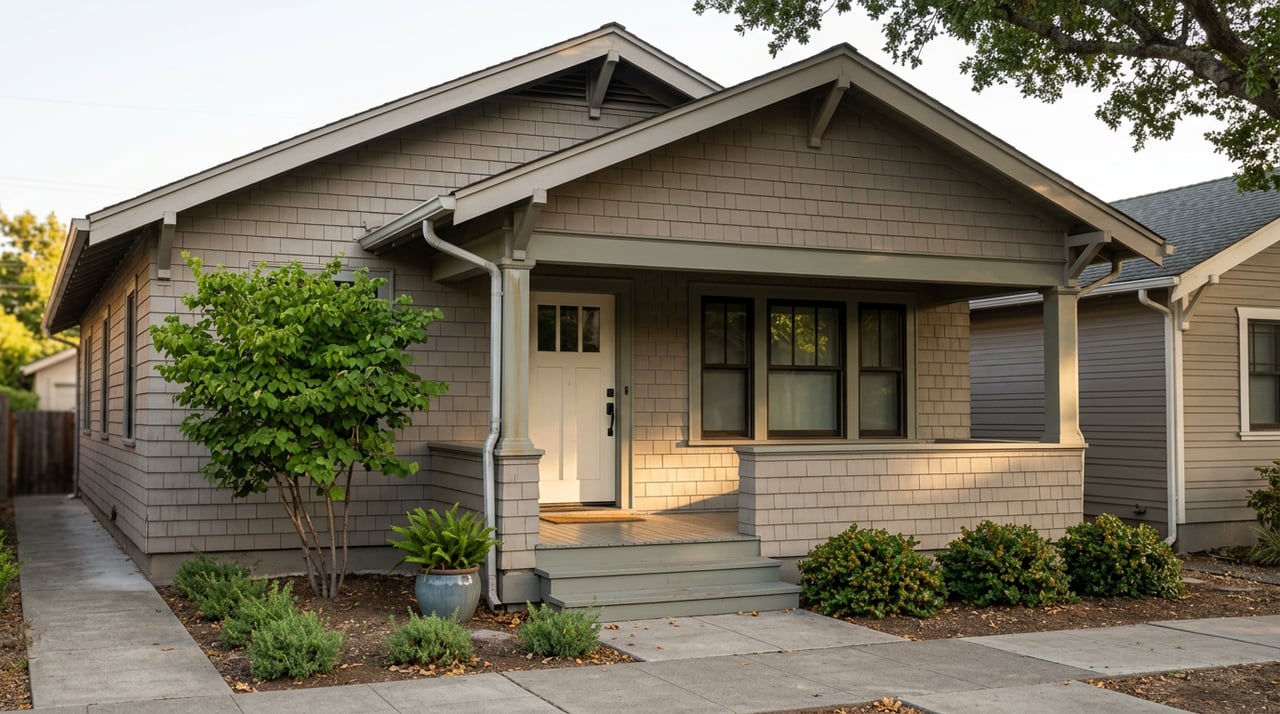
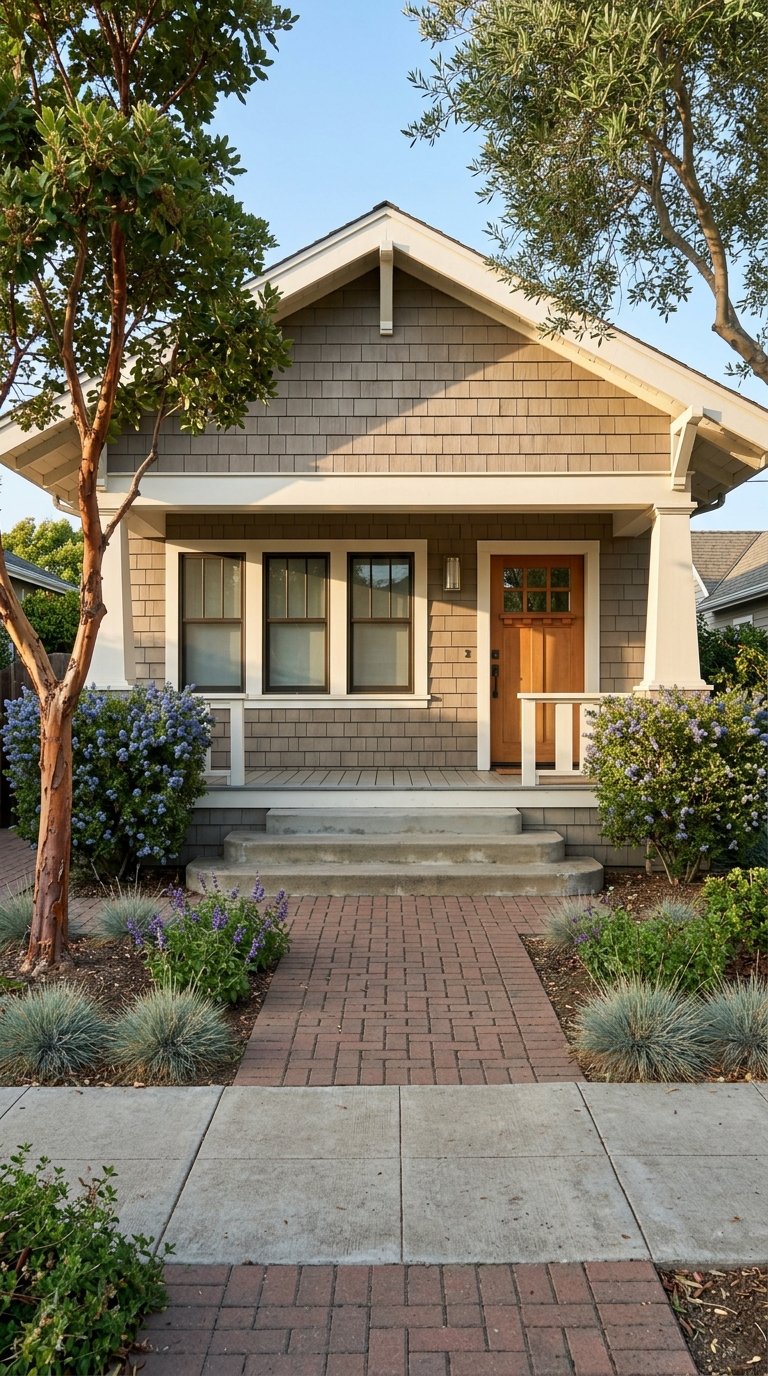
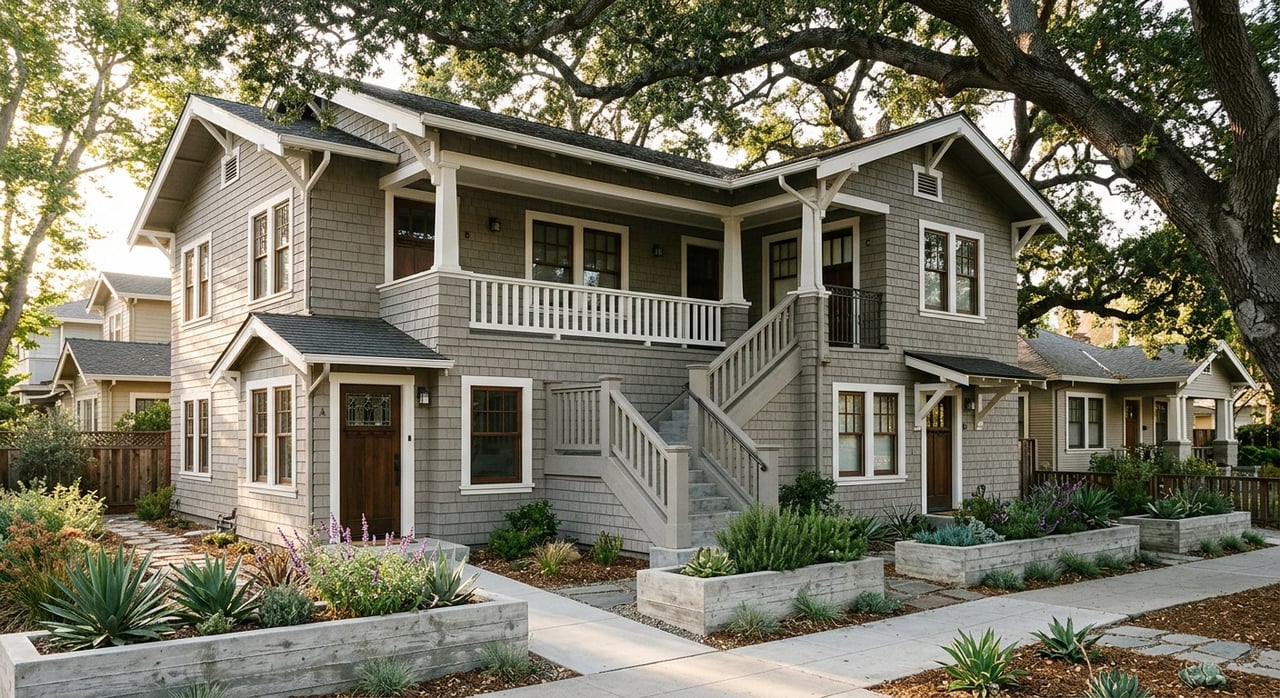
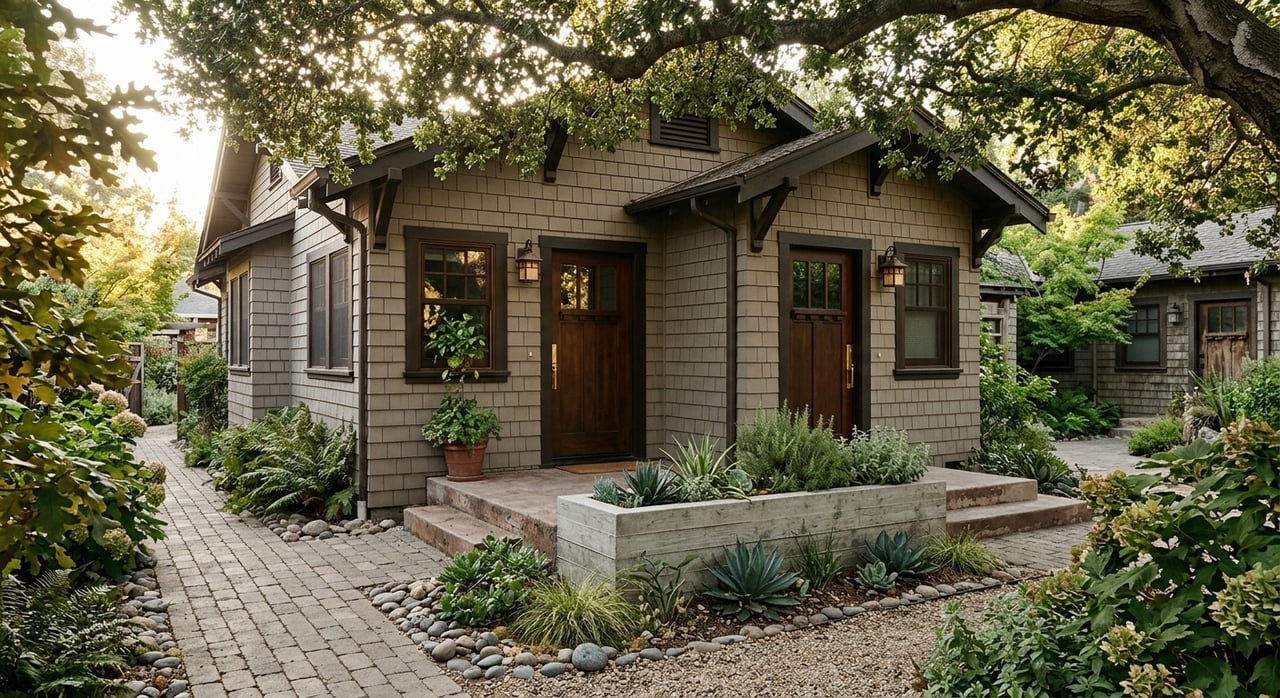
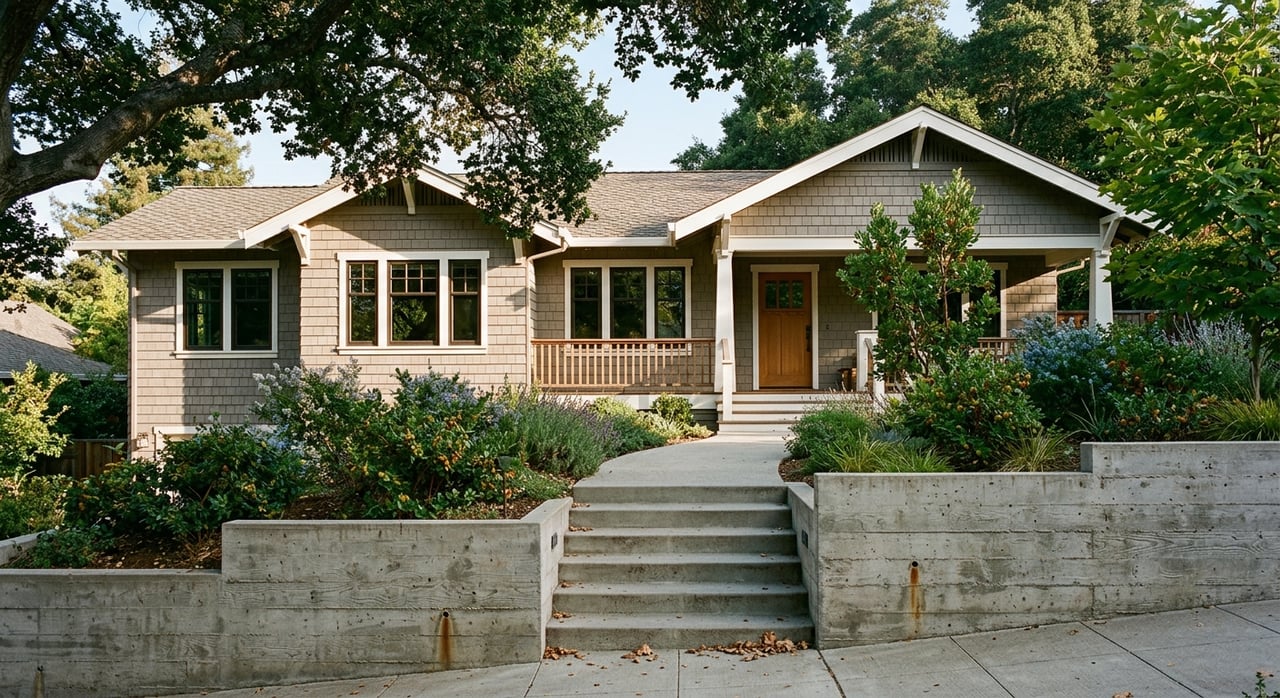
If you are shopping for 2 to 4 units in NOBE, expect older low-rise buildings more often than shiny new construction. A 2020 Oakland renter profile found that rental units were spread fairly evenly across single-family homes, 2 to 4 unit properties, 5 to 19 unit buildings, and 20+ unit buildings. Notably, 2 to 4 unit buildings made up 25% of rental units, and the median rental housing construction year was 1957.
That age profile matters. Older buildings can offer solid layouts and attractive locations, but they also often come with deferred maintenance, dated systems, and more complicated compliance questions. Berkeley’s middle-housing zoning changes explicitly include duplexes, triplexes, fourplexes, and courtyard apartments, while Emeryville’s housing-element data show a historically multifamily city with 11% of units in 2 to 4 unit buildings and 67% of housing stock built before 2000.
Rent benchmarks for first-pass underwriting
Before you get too deep into a deal, it helps to start with a simple rent baseline. As of March 2026, city-level apartment averages were reported as follows:
- Oakland: studio $1,730, 1BR $2,105, 2BR $2,719, 3BR $3,289
- Berkeley: studio $2,089, 1BR $2,265, 2BR $3,313, 3BR $4,392
- Emeryville: studio $2,270, 1BR $2,691, 2BR $3,319, 3BR $4,303
These figures come from Apartments.com local rent guides for Oakland, Berkeley, and Emeryville. They are not property-specific comps, but they are useful for a first screen.
For many small multifamily investors, the practical takeaway is simple: 2-bedroom rents in the NOBE corridor often land in the high-$2,000s to low-$3,000s. Berkeley and Emeryville generally trend higher than Oakland, and larger 3-bedroom units can push into the low-to-mid $4,000s in Berkeley and Emeryville.
Adjust rents for the real property
Average city rents are only the beginning. A duplex with laundry, parking, outdoor space, and updated interiors may perform very differently from an older fourplex with deferred maintenance and no storage. The same goes for occupied versus vacant units.
As you underwrite, adjust your rent assumptions for:
- Building vintage
- Unit condition
- Parking availability
- On-site laundry
- Outdoor space
- Storage
- Unit size and layout
- Local rent regulation status
That last point is especially important in NOBE. A unit’s legal status can influence future rent growth just as much as finishes or amenities.
Cap-rate signals in the corridor
If you are trying to sense-check pricing, recent reports suggest a mid-5% to about 6% cap-rate band as a reasonable first-pass range for the broader area. The IPA report put the Oakland metro average cap rate at 6.0% in 1Q 2025, alongside average effective rent of $2,598 and vacancy of 4.8%.
That does not mean every NOBE duplex or fourplex should trade at the same number. A better-renovated building, a stronger micro-location, or a more favorable regulatory profile can justify different pricing. Still, a rough cap-rate band helps you quickly identify listings that deserve a closer look and those that may need more scrutiny.
Why rent rules can change the deal
In NOBE, the rent-control question can be more important than a small spread in cap rate. Two similar-looking buildings can underwrite very differently depending on city, build date, and exemption status. That is why you should never rely on a listing description alone.
Oakland rules to know
Oakland’s Rent Adjustment Program applies to many units in buildings with 2 or more units built before April 1, 2016. Ground-up new construction with a certificate of occupancy on or after that date is exempt. As of August 1, 2025, the allowable annual rent increase for covered units was 0.8%, and the RAP fee was $137 per unit for start dates on or after July 1, 2025.
Berkeley rules to know
Berkeley’s system is generally stricter for older multifamily stock. According to the Berkeley Rent Board coverage guide, most multifamily units built before 1980 are fully covered. Newer construction built and receiving a certificate of occupancy after June 1980 is typically partially covered, meaning registration and just-cause rules still apply even if local rent control does not. Berkeley’s 2026 Annual General Adjustment is 1.0%, and the FY 2025-26 registration fee for fully covered units is $344 per unit.
Emeryville rules to know
Emeryville does not have a local rent stabilization ordinance that regulates rent increases, but covered units may still be subject to local just-cause rules and AB 1482 where applicable. The city states that the 2025-26 AB 1482 rent increase cap for Alameda County is 6.3%, according to its tenant protection resources page.
A practical underwriting lens
When you compare small multifamily properties in NOBE, your first-pass questions should be straightforward:
- Was the property built before the local rent-control cutoff?
- Are the units fully covered, partially covered, or exempt?
- Is there deferred maintenance behind the current numbers?
- Does the unit mix fit likely renter demand in the corridor?
- Are the current rents supported by today’s market, or are they already stretched?
This kind of screen can save you time. In many cases, the right answer is not the property with the highest advertised cap rate. It is the property where the numbers, condition, and regulatory profile line up cleanly.
Watch for hidden complexity
Small multifamily properties often look simpler than they are. In this corridor, coverage status can turn on details like the certificate-of-occupancy date, owner occupancy, ADU status, or subsidy rules. That means a seller’s statement that a building is “exempt” should be verified before you rely on it.
This is especially true with older Berkeley properties, mixed-vintage improvements, and owner-occupied duplex situations. A careful review before you go under contract can help you avoid expensive assumptions later.
Price context for investors
If you are deciding between a house-hack strategy and a traditional 2 to 4 unit investment, broader sale-price context can also help. Berkeley’s city dashboard reported December 2025 median single-family sale prices of $1.265 million in Berkeley, $700,000 in Oakland, and $439,000 in Emeryville. Those are not direct multifamily comps, but they do show how different the ownership entry points can be across the corridor.
For some buyers, that makes a small multi-unit property more compelling as a long-term strategy. For others, it reinforces the need to be selective and focus on clean underwriting, especially in a market where regulatory detail can affect long-term performance.
How to approach a NOBE deal
A practical approach is to start with current market rents, then reduce your projected rent growth to match the local rules. For example:
- In Oakland, covered units may need to be modeled near the current 0.8% allowable annual increase.
- In Berkeley, fully covered units may need to be modeled near the current 1.0% annual adjustment.
- In Emeryville, units subject to AB 1482 may allow more room, depending on coverage and exemptions.
That does not replace property-specific analysis, but it creates a more realistic starting point. In a market like NOBE, conservative assumptions usually beat optimistic ones.
If you are exploring a duplex, triplex, or fourplex in North Oakland and the surrounding NOBE corridor, it helps to have a local partner who understands both the acquisition side and the long-term compliance side. Annie Tegner helps small-scale investors evaluate 2 to 4 unit opportunities with clear local guidance, practical underwriting perspective, and hands-on support that can continue after closing.
FAQs
What makes NOBE different for small multifamily investing?
- NOBE blends North Oakland, Berkeley, and Emeryville, so renter demand, supply trends, and rent rules can vary significantly from one property to the next.
What rents should you use to underwrite a NOBE duplex or fourplex?
- A good first pass is to start with current city averages, with 2-bedroom rents often landing in the high-$2,000s to low-$3,000s, then adjust for condition, amenities, and rent-control status.
What cap rates are common for small multifamily in the NOBE area?
- A reasonable first-pass range based on the research is roughly the mid-5% range up to about 6.0%, before adjusting for location, condition, and regulatory exposure.
What rent-control rules should you check before buying in North Oakland or NOBE?
- You should confirm the property’s city, build date, certificate of occupancy, and whether each unit is fully covered, partially covered, or exempt under local or state rules.
Why does property age matter for NOBE investors?
- Many small multifamily properties in the corridor are older, which can mean more deferred maintenance, older systems, and a higher chance that local rent regulations apply.
Should you trust a listing that says a NOBE multi-unit property is exempt?
- No. Exemption status can depend on detailed facts like occupancy, ADU status, subsidy rules, and certificate dates, so it should be independently verified.